Italian Wine Abroad: Documents, Regulations, and Markets for Wineries
Wines Export Editorial · Last updated:
Wineries in the province of Cremona, while not among the most globally renowned, possess niche production with significant growth potential in international markets. To expand their presence beyond national borders, it is essential to navigate a complex landscape of regulations, documentation, and commercial strategies. This article provides an essential overview for Cremonese wineries aiming for export, focusing on operational procedures and indispensable documents for successful exportation. Deep dive: Federdoc — National Confederation of Italian Wine Denomination Protection Consortia.
What are the export opportunities for Cremona wineries?
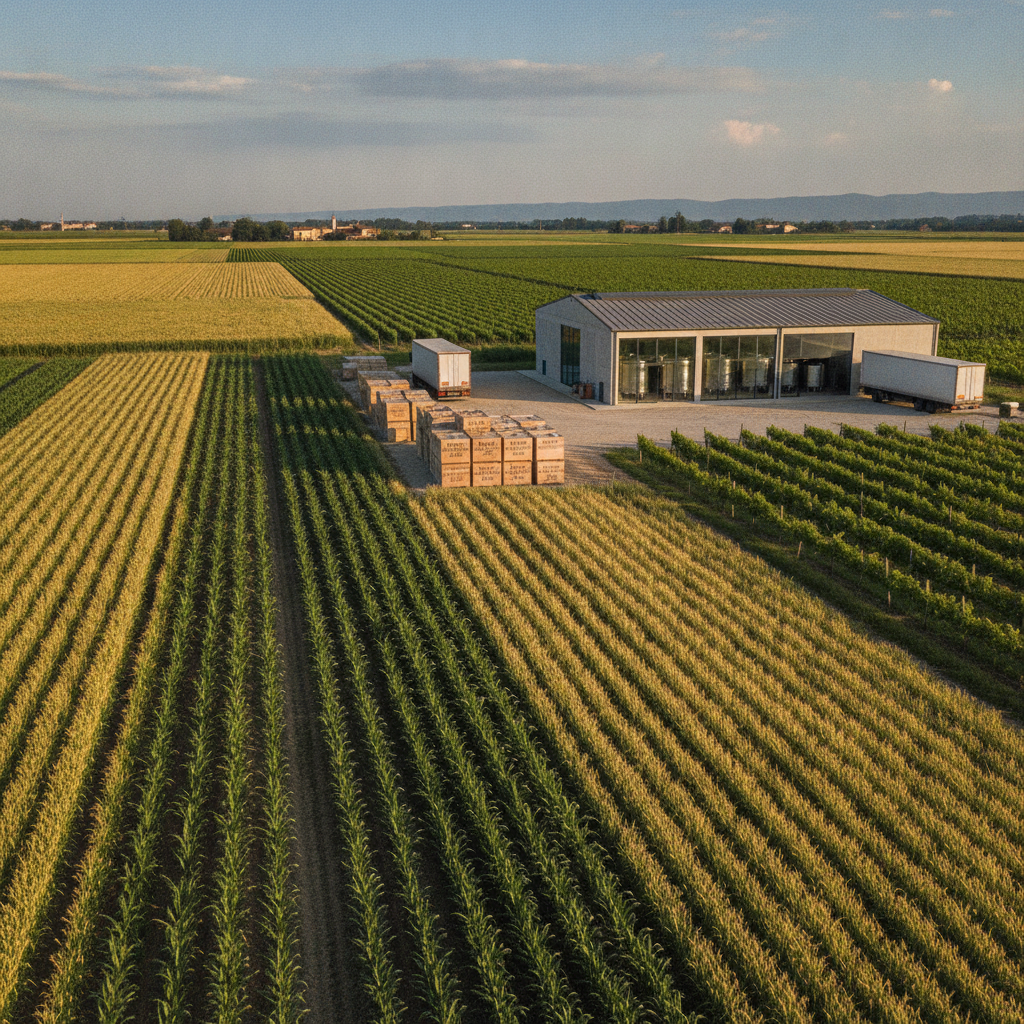
The province of Cremona, located in the Po Valley, is characterized by diversified agriculture. Although viticulture is not the predominant activity, there are productive realities dedicated to the valorization of native and international grape varietals, focusing on quality and the uniqueness of the territory. Export represents a fundamental strategic lever for these wineries, allowing them to reach new markets, diversify sales channels, and increase profitability. Several wineries in the province of Cremona are part of our Wines Export producer pool, a testament to the interest and potential that the territory offers.
What documents are essential for exporting wine?
Wine export requires careful and precise documentation management. Each shipment is accompanied by a package of documents that serve various functions: proof of the transport contract, basis for import and export customs procedures, and attestation of the product's regulatory compliance.
Among the fundamental documents are:
- Commercial Invoice: Issued by the exporter, it is a mandatory document detailing the product (name, vintage, bottle size), quantity, unit and total value, Incoterm delivery term, and customs HS classification code (for wine, chapter 2204). Customs authorities use it to calculate duties and taxes.
- Proforma Invoice: While not having fiscal value, it anticipates order terms and is useful in preliminary negotiations. It may be requested by the buyer to obtain import licenses or open letters of credit.
- Packing List: Describes the physical contents of each package, including the number of packages, type of packaging, gross and net weight, and cubage. It must correspond exactly to what is indicated on the commercial invoice.
- Insurance Policy/Certificate: If the delivery term anticipates it (e.g., CIF/CIP) or by the winery's choice, this document attests to cargo insurance coverage.
The exact combination of required documents can vary significantly from market to market. Therefore, it is crucial to consult specific guides for each destination country or rely on an experienced shipping agent to ensure you have all the necessary and compliant documentation.
How does the operational flow from offer to delivery work?
The journey of a winery initiating an export negotiation with a foreign buyer is marked by precise phases, each with its own documents and operational decisions.
- Buyer Contact and Qualification: Before negotiating, it is crucial to verify the buyer's solidity and legitimacy. This includes checking their commercial registration in the destination country, any required import license for alcoholic beverages (mandatory in many non-EU markets), bank or commercial references, and import history. A preliminary credit risk analysis, possibly through credit check services or credit insurance like SACE, can prevent future insolvencies.
- Commercial Offer and Negotiation: The winery sends a proforma invoice that serves as the basis for negotiation. This document details products, minimum order quantity (MOQ), prices, currency, and the proposed Incoterm. The proforma is the starting point for defining final contractual terms.
- Payment Instruments: For high-risk markets or new buyers, the choice of payment instrument is critical. A Documentary Letter of Credit (DLC) is a payment commitment issued by a bank in favor of the exporter, conditional upon the presentation of compliant documents. Banks operate based on the formal compliance of documents, not on the goods themselves, making document accuracy a determining factor. Alternatively, Documentary Collection involves the exporter's bank sending documents to the buyer's bank, which releases them only after payment or acceptance of a draft.
The correct preparation of all accompanying documents, including those related to excise duties if applicable, is essential to avoid customs delays or disputes.
What are the specific considerations for Cremonese wineries in export?
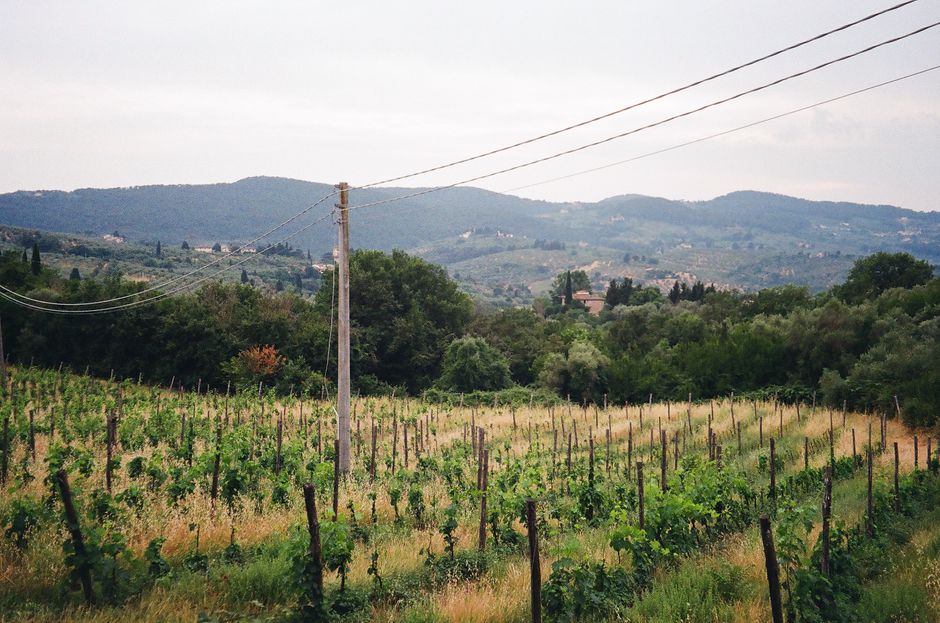
Wineries in the province of Cremona, like all Italian companies venturing into exports, must pay attention to several aspects. Each country has its own regulations regarding labeling, wine composition, and import documents. It is indispensable to consult ICE guides by country or use specialized consultants for each destination market. Most destination markets recognize compliance with European Union regulations, but it is always wise to verify if there are additional specific requirements for the importing country. The presence of several Cremonese wineries in the Wines Export producer pool highlights an active commitment to internationalization.
Frequently Asked Questions
What are the most important customs documents for wine export?
The most important customs documents include the Commercial Invoice, which details product, quantity, and value, and the Packing List, which describes the physical contents of each package.
How can I ensure my export documentation complies with international regulations?
It is fundamental to consult specific guides for each destination country or rely on an experienced shipping agent to ensure you have all the necessary and compliant documentation.
What are the safest payment instruments for wine exports?
For high-risk markets or new buyers, a Documentary Letter of Credit (DLC) is a payment commitment issued by a bank in favor of the exporter, conditional upon the presentation of compliant documents.
Exporting wine from the province of Cremona requires meticulous preparation, a deep understanding of the necessary documentation, and a well-defined commercial strategy. Understanding the operational flow, payment instruments, and specific requirements of each market is crucial for success.
Cremonese wineries interested in exploring export opportunities and receiving operational support can request a personalized demo to discover how Wines Export can facilitate their entry into international markets.