Spanish Cava vs. Italian Wine: Winning Export Strategies
Wines Export Editorial · Last updated:
The global sparkling wine market sees Italian wine competing with established international players, including Spanish Cava. For Italian wineries aiming for international expansion, understanding Cava's characteristics, its positioning strategies, and export requirements is crucial. This article offers a comparative analysis to define successful strategies, highlighting opportunities and challenges in the global competitive landscape. Further insights: OIV — International Organisation of Vine and Wine.
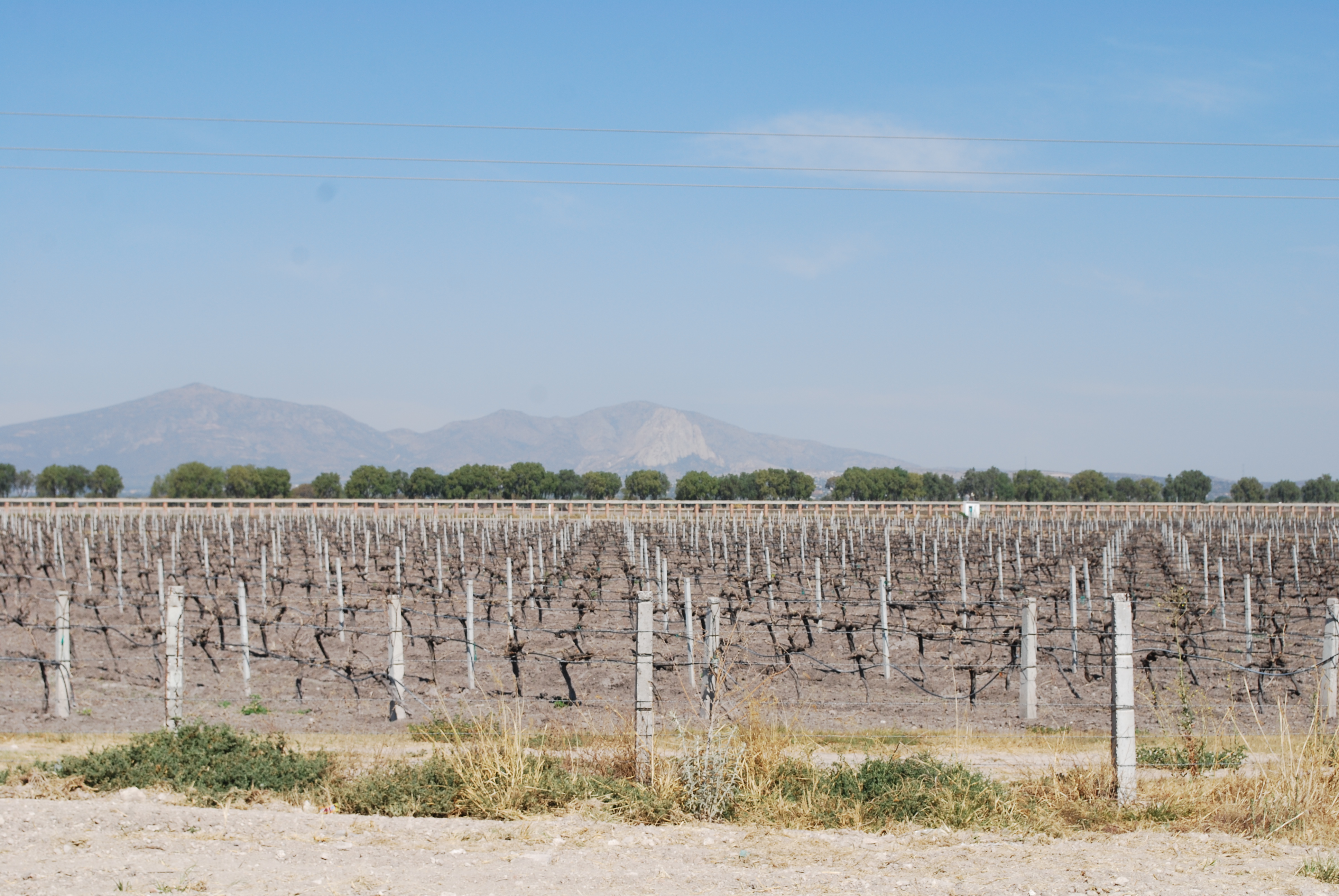
How is Cava positioned in the international market?
Cava, a Spanish sparkling wine primarily produced in Catalonia, has built a solid global reputation. Its production follows the Traditional Method, ensuring a high standard of quality. This, combined with a targeted marketing strategy, has allowed Cava to capture significant market share, especially in Europe and North America, often positioning itself as a quality alternative at an accessible price.
What are the distinctive characteristics of Cava?
Cava's production regulations establish precise rules to ensure its uniqueness and quality. These include the use of the Traditional Method with secondary fermentation in the bottle, the employment of indigenous grape varieties like Macabeo, Xarel·lo, and Parellada, and various aging categories on lees (Cava, Reserva, Gran Reserva, Paraje Calificado). The use of the "Cava" brand is strictly regulated, with specific terms linked to quality and origin, and the designation "Elaborador Integral" is reserved for those who control the entire production chain.

What are the opportunities for Italian wine in the sparkling wine market?
Italian wine enjoys a historical leadership position in the global sparkling wine segment, holding a 39% value share in 2019/2020. This strength, combined with its rich history and diversity, offers ample opportunities. However, competition with Cava and other sparkling wines requires a well-defined strategic approach to consolidate and further expand presence in foreign markets.
What are the essential requirements for exporting Italian wine?
To compete effectively, Italian wineries should identify a mid-to-high-end positioning, prepare marketing materials in English (technical sheets, company presentations, FCA/FOB price lists, high-quality images), and verify the compatibility of labels with the regulations of the destination country, such as those of the TTB in the United States. It is crucial to clearly define MOQs, production and bottling times, and communicate any significant references or recognitions.
How to select the right distributor for Italian wine abroad?
Choosing a distributor or importer with an active license and proven presence in the Horeca or retail channel is fundamental. Their ability to effectively promote and distribute Italian wine must be verified. In markets with unstable geopolitical contexts, such as Ukraine, it is essential to confirm the operational status and updated licenses of importers before reactivating commercial relationships.
What documentation is required for international wine shipments?
Every international shipment requires accurate documentation: Commercial Invoice (detailing product, quantity, value, Incoterm, HS code), Proforma Invoice, Packing List, and Transport Documents (such as Bill of Lading or CMR). Depending on the market, specific documents like certificates of origin, health certificates, or the EMCS system for intra-EU transfers may be required.
What are the specificities of certain foreign markets for Italian wine?
In the United States, dedicated logistics and commercial platforms and hubs can aggregate smaller wineries, while preparing materials in English and verifying TTB requirements are crucial. For EU markets, customs procedures are simplified, but transport documents and the excise duty system (EMCS) must be managed correctly. In Central and Eastern Europe, contacting local ICE offices and seeking references from active wineries can provide valuable strategic information. For Albania, it is important to clarify HORECA vs. retail coverage with the distributor and prepare documentation according to ICE guidelines. Currently, Saudi Arabia presents significant regulatory limitations that make the market inaccessible for standard B2B business.
Frequently Asked Questions
What are the labeling requirements for exporting wine to the United States?
It is essential to verify the compatibility of labels with the specific regulatory requirements of the TTB (Alcohol and Tobacco Tax and Trade Bureau) for alcoholic beverages to avoid delays and complications.
How can I verify the operational status of an importer in an unstable market?
Before reactivating suspended commercial relationships, it is crucial to verify the operational status and updated license of importers, especially in markets with unstable geopolitical contexts.
What documents are needed for wine shipments within the European Union?
For intra-EU transfers under the excise duty suspension regime, transport documents and the EMCS (Excise Movement and Control System) must be managed correctly.
Competition with Spanish Cava serves as a stimulus to refine Italian wine export strategies. By leveraging the rich history, diversity, and quality of its products, Italian wineries can consolidate their international leadership. A meticulous approach to documentation, a clear definition of positioning, and rigorous selection of commercial partners are the keys to successful export.