Italian Wine Abroad: Success Lessons from Chablis
Wines Export Editorial · Last updated:
Chablis, with its distinctive mineral expression and global reputation, offers a successful model for Italian wineries aiming for international expansion. Understanding its positioning strategies and market dynamics is crucial for identifying export opportunities for Italian wines. This article analyzes the key elements contributing to Chablis' success and how Italian wineries can draw inspiration to strengthen their presence in foreign markets, focusing on identity, differentiation, and practical requirements. In-depth analysis: OIV — International Organisation of Vine and Wine.
How did Chablis build its international success?
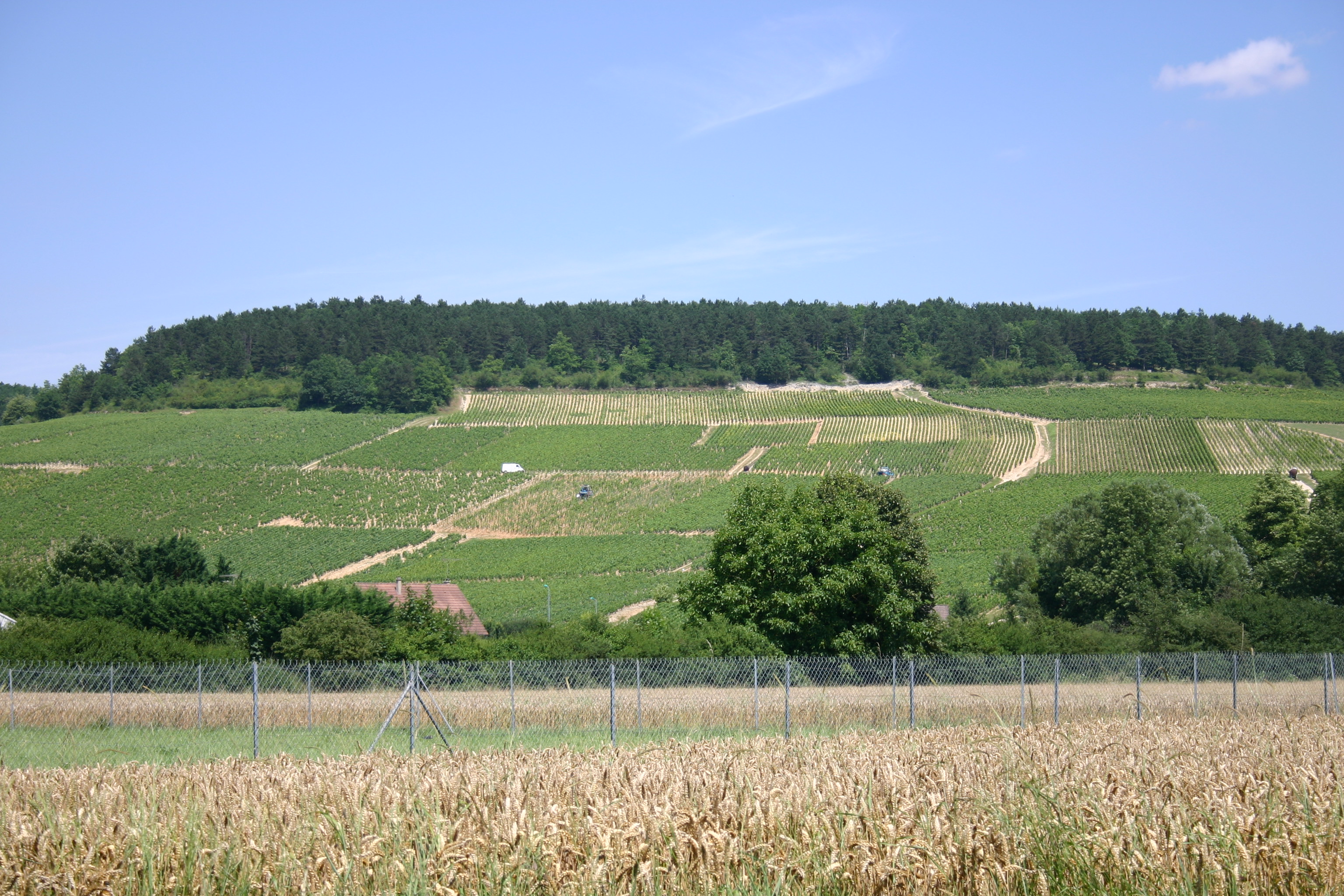
Chablis, produced in northern Burgundy, is renowned for its purity, vibrant acidity, and mineral notes derived from unique soils like Kimmeridgian marl and limestone. This strong and recognizable identity has allowed it to capture a significant share of the global premium white wine market, thanks to an indissoluble link with its terroir, a consolidated reputation, gastronomic versatility, and positioning in the mid-to-high price segment.
What strategies can Italian wine adopt inspired by Chablis?
Italian wine, with its vast ampelographic and territorial diversity, can enhance its uniqueness by communicating the specific characteristics of grape varietals, soil, and climate. Italy holds a historical leadership position in sparkling wines, with a value share of around 39% in 2019/2020, demonstrating its capability to excel in specific segments. Many premium Italian wines can aim for a mid-to-high market positioning, where demand for distinctive products is growing. Narratives of family stories, centuries-old traditions, and territorial connections enrich perceived value. It is also crucial to adapt communication and, at times, the product to the specific requirements of each market, such as the need for English-language materials and verifying label compatibility with TTB requirements for export to the United States.
What are the fundamental documentation requirements for wine export?
Solid documentation is the first step toward successful export. There are universal documents required for most destinations, in addition to specific requirements that vary by country. For instance, for export to Ukraine, it is necessary to verify the importer's operational status and updated license. In the United States, besides English-language materials and TTB label compatibility checks, it's important to have clarity on Minimum Order Quantities (MOQ) and available formats.

How is the market for Italian wine exports evolving?
The diversification of Italian wine exports is an ongoing trend. In 2025, exports to 13 monitored emerging markets exceeded 400 million euros, indicating a drive to seek new commercial outlets beyond historical markets. This dynamic aligns with the development of mature but not saturated markets, where the demand for distinctive, high-quality products is on the rise.
What are the criteria for selecting international commercial partners?
When selecting commercial partners, it is essential to discuss marketing strategies, market coverage (Horeca vs. retail), and promotional activities with the potential importer. A clear understanding of their capabilities and development plan is vital for a successful collaboration.
Frequently Asked Questions
How can I position my Italian wine in a market dominated by appellations like Chablis?
To position your Italian wine, enhance its unique identity by highlighting the specific characteristics of the grape varietal, soil, and climate. Tell the story of your wine and your territory.
What are the essential documentation requirements for exporting wine to the United States?
To export to the United States, you need English-language materials (technical data sheet, winery presentation, FCA/FOB price list, high-resolution label images) and to verify label compatibility with TTB requirements.
Which emerging markets offer opportunities for Italian wine exports?
Exports to 13 monitored emerging markets exceeded 400 million euros in 2025, indicating a trend towards diversification and seeking new commercial outlets beyond historical markets.
Chablis' success demonstrates that a wine with a strong territorial identity and effective communication can establish itself globally. Italian wineries can strengthen their international presence by embracing their uniqueness, meticulously handling documentation, and strategically choosing commercial partners.