How to Promote Italian Sparkling Wines in International Markets
Wines Export Editorial · Last updated:
The global sparkling wine market is dominated by iconic names, yet Italy boasts an equally rich and diverse tradition in producing high-quality bubbles. This article analyzes the positioning of high-end Italian sparkling wines, comparing them to the ideal of elegance and longevity embodied by "Champagne Belle Epoque," to outline effective export strategies. The objective is to equip Italian wineries with the tools to navigate the international market, capitalizing on their strengths and differentiating themselves from the competition. Learn more: OIV — International Organisation of Vine and Wine.
What Defines the Excellence of a High-End Sparkling Wine?
The ideal of a high-end sparkling wine, evoked by the concept of "Belle Epoque," is associated with wines of great aromatic complexity, elegant structure, fine effervescence, and significant aging potential. Historically, the introduction and popularity of Champagne in markets like Italy stimulated the local industry to develop and improve its winemaking techniques. Champagne production is strictly regulated by the Comité Interprofessionnel du Vin de Champagne (CIVC), ensuring high standards and a strong brand identity, maintaining a leadership position in the global high-end sparkling wine market.
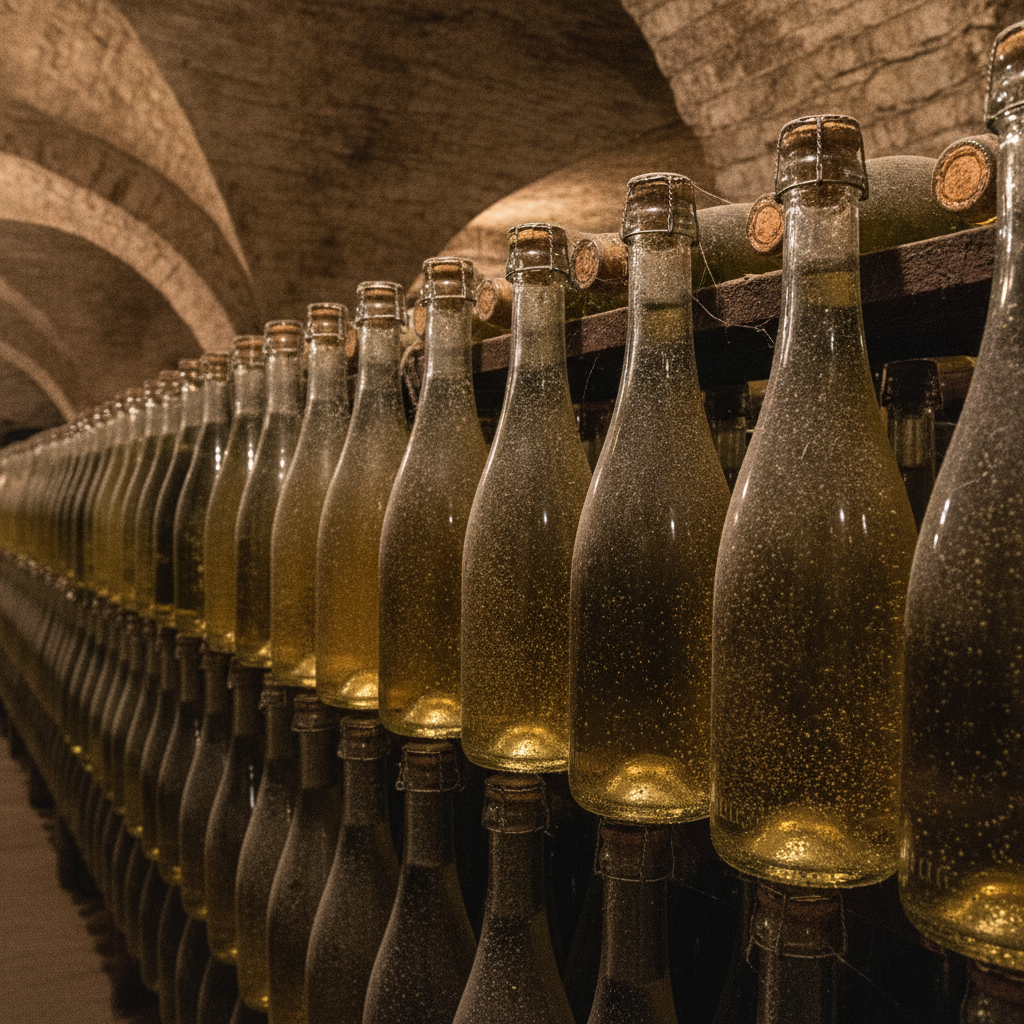
The pursuit of "perfection" in Champagne involves a carefully executed secondary fermentation process to achieve the "finesse" essential for excellence. This process aims to create a wine of the highest character with the addition of sparkling quality. However, not all Champagnes destined for export maintain this rigor, as they are often adapted to the tastes of specific markets through the addition of sugars or alcohol, modifying the original profile.
How Do Italian Sparkling Wines Position Themselves in the Global Market?
Italy, with its vast diversity of indigenous grape varieties and wine regions, offers a range of sparkling wines that compete effectively in the international market. From Franciacorta to Prosecco, and through Metodo Martinotti or Charmat method sparkling wines, the Italian offering is broad and varied. Italian wine already enjoys a historical leadership position in the sparkling segment, with a value share of around 39% in 2019/2020 in some reference markets, underscoring the strong perception of quality and appreciation by foreign consumers.
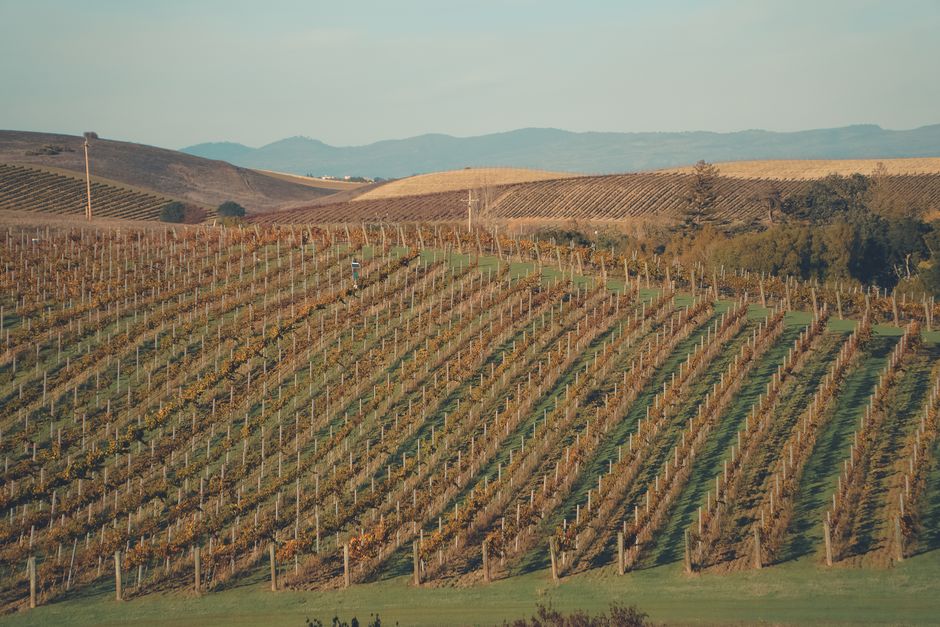
To compete with high-end benchmarks, Italian producers should focus on valorizing their territorial identity, communicating unique stories linked to terroir, tradition, and innovation—an effective marketing element in markets like Australia. Maintaining high and consistent quality standards is crucial, with careful attention to the winemaking process and grape selection. It is essential to identify the most receptive markets for high-end Italian sparkling wines, considering that in Belarus, grape wines with a producer price exceeding 13 euros/liter fall into a specific category.
What Are the Most Effective Export Strategies for Italian Wineries?
Exporting Italian sparkling wines requires a strategic approach. The choice of importer or distributor is critical: it is essential to identify partners with an active wholesale license and a proven presence in the Horeca channel. Verifying their operational status and updated licenses is important in markets with complex dynamics. Research channels include platforms like LinkedIn, specialized importer websites, and trade fairs. Before initiating negotiations, it is necessary to verify the buyer's solvency: VAT number/commercial registration, alcohol import license, bank or trade references, and import history.
Italy's leadership positioning in the sparkling segment is an advantage to defend. To compete with high-end benchmarks, it is advisable to consider a mid-to-high-end positioning.
Frequently Asked Questions
What characteristics define a high-end sparkling wine like Champagne Belle Epoque?
A high-end sparkling wine, as evoked by the "Belle Epoque" concept, is distinguished by its great aromatic complexity, elegant structure, fine bubbles, and significant aging potential. Champagne production is strictly regulated to ensure high standards and a strong brand identity.
How do Italian sparkling wines differ from Champagne in the global market?
Italy boasts a wide range of sparkling wines, from Franciacorta to Prosecco, which compete effectively internationally. Italian wine enjoys a historical leadership position in the sparkling segment, with a strong perception of quality and appreciation from foreign consumers.
What are the key steps for an Italian winery looking to export its high-end sparkling wines?
To export, it is crucial to carefully select the importer or distributor, verifying their active wholesale license and presence in the Horeca channel. It is also essential to verify the buyer's solvency by checking their VAT number, alcohol import license, and import history.