Wines of Rovescala: Sales and Production Opportunities for Wineries
Wines Export Editorial · Last updated:
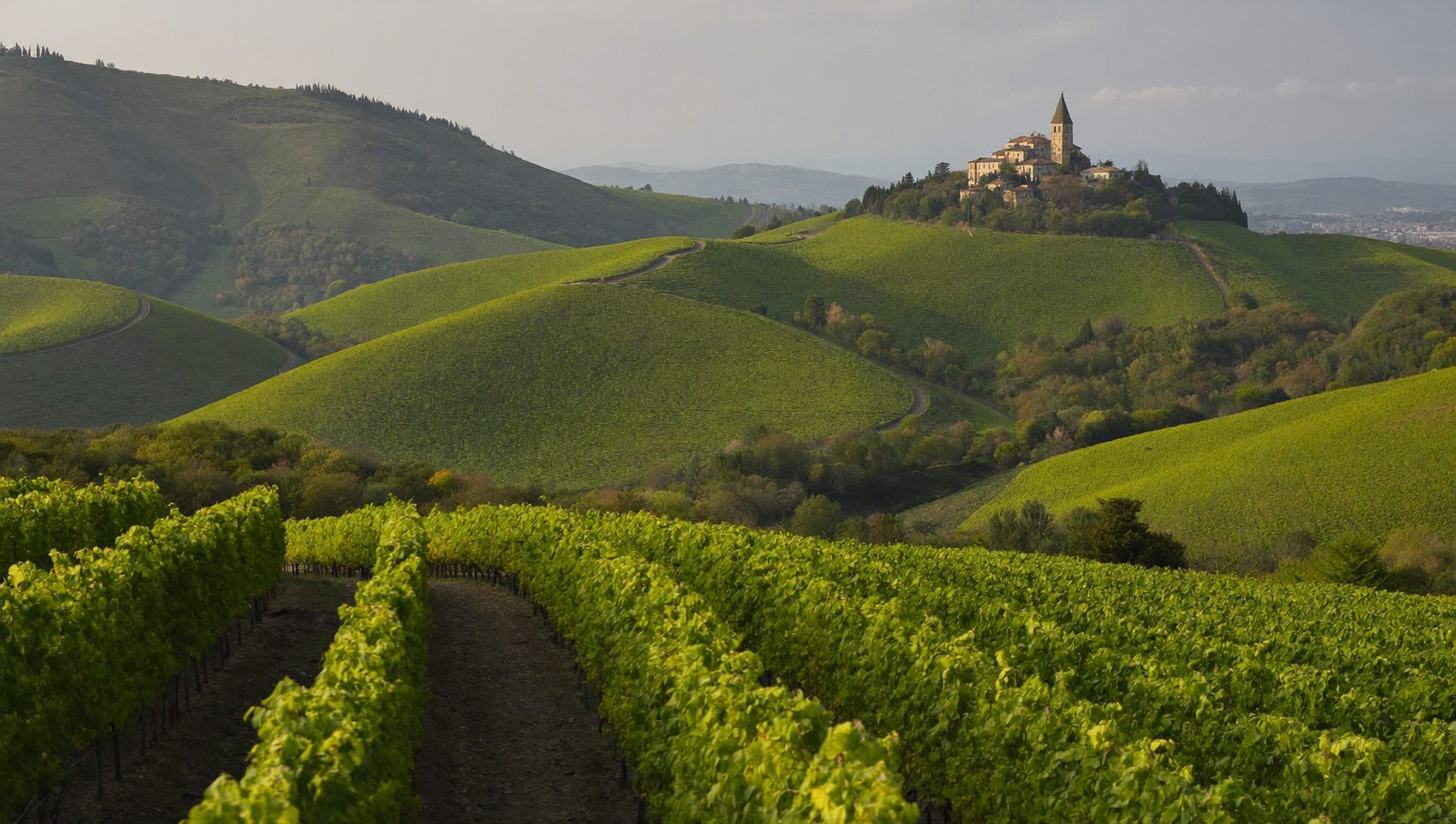
Rovescala, a municipality in the province of Pavia, is distinguished by its production of quality wines with significant export potential. Its wineries, the characteristics of its wines, and the growing international demand for authentic, terroir-driven enological products offer concrete opportunities. This article analyzes the peculiarities of wine in Rovescala, its wineries, its appellation, and its growth prospects in foreign markets, providing essential guidance for producers aiming for internationalization. Learn more: Federdoc — National Confederation of Italian Wine Denomination Protection Consortia.
How do Rovescala's wineries enhance tradition and quality?
Wineries in Rovescala, often family-run, are the heart of the local wine-growing fabric. They are committed to maintaining high quality standards, passing down ancient knowledge, and innovating production processes to offer wines that faithfully reflect the terroir.
These entities, dedicated to the valorization of indigenous grape varieties and the adoption of sustainable agricultural practices, play a crucial role in promoting Rovescala as an area of wine excellence.
What are the characteristics of Rovescala wines and their appellation?
Rovescala falls within the broader production zone of Oltrepò Pavese wines, an appellation renowned for its diversity and quality. The wines produced here benefit from the unique pedoclimatic characteristics of the territory, with soils ideal for grape varieties such as Croatina, which gives Bonarda dell'Oltrepò Pavese, Barbera, Pinot Nero and international varieties.
The Bonarda dell'Oltrepò Pavese production rules identify the area between Rovescala, San Damiano al Colle, Montù Beccaria and Pietra de' Giorgi as particularly suited to Croatina: sunny, warm pre-Apennine hills, with slopes facing mainly south-west and sharp temperature drops in the evening and at night. This gives the wines aromatic complexity and structure.
What is the export potential for Rovescala wines?
The export potential for Rovescala wines is linked to the wineries' ability to position themselves effectively in international markets, leveraging the territorial specificities of Oltrepò Pavese. Interest in quality Italian wines with a strong territorial identity is growing.
Key markets include European countries (Germany, the United Kingdom, Switzerland, Scandinavia), North America (United States, Canada), Asia (China, Japan), and other markets like Brazil, Australia, and New Zealand.
What strategies can Rovescala wineries adopt for export?
For Rovescala wineries, an effective export strategy is based on enhancing territorial identity by communicating history and traditions. It is essential to maintain high quality standards, communicating them at every stage of production.
Building strong relationships with local importers and distributors through trade fairs and tastings is crucial. A strong digital presence, with multilingual websites and targeted social media strategies, amplifies visibility. Finally, it is important to understand and adapt to the specificities of each target market.
Frequently Asked Questions
What grape varieties are typical of the Rovescala area?
The Rovescala area, within Oltrepò Pavese, is well-suited for cultivating grape varieties such as Croatina, which gives Bonarda dell'Oltrepò Pavese, Barbera and Pinot Nero, as well as international varieties like Merlot and Cabernet Sauvignon.
What are the main destination markets for Italian wines?
The main markets for Italian wines include European countries such as Germany and the United Kingdom, North America (United States and Canada), and Asian markets like China and Japan.
How can wineries build relationships with foreign importers?
Wineries can build relationships with foreign importers by participating in industry trade fairs, commercial missions, and organizing targeted tastings, as well as maintaining constant and professional communication.
Rovescala, despite being a small municipality, represents an important piece in the enological mosaic of Oltrepò Pavese. Its wineries, with their dedication to quality and tradition, have the potential to conquer new international markets. Through a well-defined export strategy, focused on enhancing territorial identity and building strong relationships, Rovescala wines can establish themselves as ambassadors of Italian enological excellence worldwide.
Sources
Which wineries are in Rovescala?
The wineries based in Rovescala (Lombardia) that we know, with the wines they declare; the most common denominations here are Barbera and Moscato. The Wines Export database covers the whole trade: this section is rebuilt from the database at every publication (23 November 2026). No contacts here: the full profile is in the directory.
- Azienda agricola Martilde — Dedica, Nina, Barbera Oltrepò Pavese (organic, Biologico (certificato da Bioagricert))
- Alziati Vini — Gaggiarone Dintorni, Gaggiarone Vigne Vecchie, Gaggiarone Riserva (organic)
- Castello Di Luzzano — Carlino, Vena Rossa Gutturnio Classico Superiore, Tasto di Seta Malvasia Colli Piacentini
- Terre di Rovescala - Az. Agr. Varese Francesco di Varese Giuseppe — Bonarda, Croatina, Vigna del Bosco
- Azienda Agricola Buscaglia Andrea — 7 Rosso, 7 Bianco, Pinot Nero
- Azienda Agricola Franco Rossi — Bonarda, Riesling, Il Rovo Bonarda
- Dellafiore Roberto e F.lli — Barbera Ferma, Barbera Frizzante, Bonarda Amabile
- Ca' Degli Orsi — Bonarda, Il Marone
- Danilo Savi — Bonarda, Chardonnay, Roatina
- Tenuta Fornace — Bullicine, Festajole, Sette Nani
- Azienda Agricola Fratelli Agnes — Cresta del Ghiffi, Loghetto Ammandorlato Rosso, Possessione del Console (sold in Sweden)
- Vercesi Pietro & F.