Serrapetrona's Ribona Wine: Export Opportunities for Marche Wineries
Serrapetrona, in the province of Macerata, is a territory with a strong winemaking vocation, closely linked to the indigenous Ribona grape variety. Although not a world-renowned DOCG or DOC appellation, its territorial identity offers distinctive export potential. This article analyzes the characteristics of the territory, the peculiarities of Ribona, and the opportunities for local wineries wishing to enter international markets, enhancing the uniqueness of their wines. Deep dive: Federdoc — National Confederation of Italian Wine Protection Consortia.
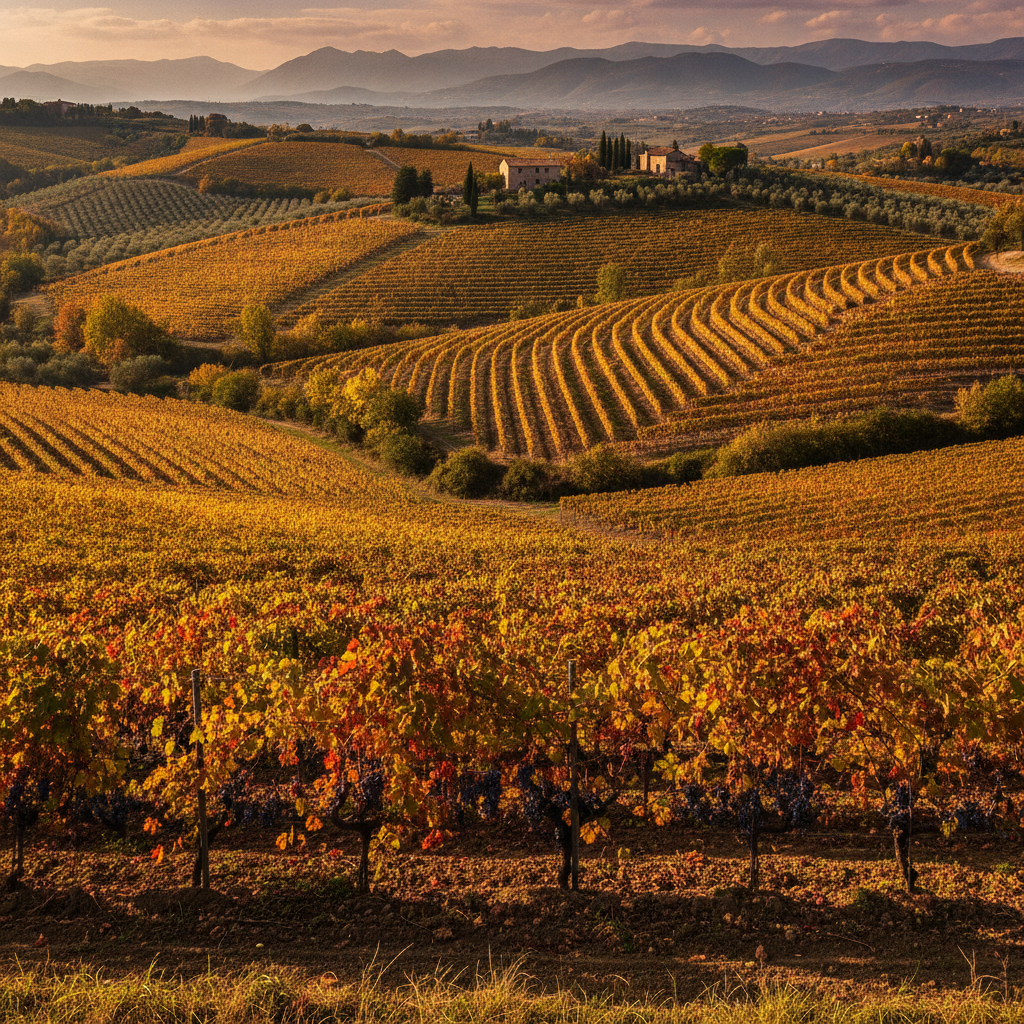
What are the viticultural characteristics of the Serrapetrona territory?
The Serrapetrona area, in the Marche region, boasts ideal pedoclimatic conditions for viticulture. The hills, well-exposed and at altitudes between 200 and 500 meters, benefit from a favorable microclimate. The clay-limestone soils with sandy patches ensure good drainage and water retention, essential for grape quality.
The temperate climate, with significant temperature fluctuations between day and night, promotes the aromatic development of the grape varieties. Constant ventilation helps keep vineyards healthy, reducing the risk of fungal diseases. These environmental conditions are particularly suited for producing fresh and expressive white wines capable of highlighting indigenous grape varieties.
What is the main grape variety in Serrapetrona and what are its characteristics?
The Ribona grape is the heart of winemaking in Serrapetrona and the province of Macerata. This white grape variety, a symbol of winemaking in Macerata, possesses unique characteristics that make it interesting for export.
Ribona yields white wines with delicate, floral, and fruity aromas, with slight herbaceous nuances. On the palate, they are fresh, sapid, and possess a slender body. More structured versions can evolve in the bottle, gaining complexity and depth over time.
Ribona cultivation requires attention to environmental needs. The grape variety adapts well to dry and warm climates, preferring less fertile and clayey soils. Slight overripening can enhance aromatic characteristics and color extraction. Ribona also shows good tolerance to major fungal diseases, including botrytis.
Does Serrapetrona have a specific DOC or DOCG appellation?
Serrapetrona is a municipality known for its wine production, but it does not appear to have a specific DOC or DOCG appellation bearing its name in official databases. However, wines from Serrapetrona belong to the context of Marche viticulture, a region with a rich tradition and several recognized appellations.
The export potential of Serrapetrona wines lies in the valorization of the Ribona grape and its distinctive characteristics. The uniqueness of an indigenous grape variety, combined with wine quality, can represent a strong differentiator in the global market, responding to the growing demand for authenticity and territory-linked products.
What do foreign buyers look for in niche Italian wines?
International buyers, especially those interested in authentic and niche wines, seek products that offer added value. For Serrapetrona wines, this includes:
- Authenticity and Terroir: The ability to tell the story of the Ribona grape and its connection to Macerata is crucial. Buyers appreciate wines that reflect their origin's terroir.
- Grape Variety Uniqueness: Ribona, being a less common indigenous grape, sparks curiosity and interest. Its uniqueness is a strong selling point.
- Quality and Aging Potential: The capacity for bottle evolution, if effectively communicated, can attract buyers interested in wines with aging potential.
- Gastronomic Versatility: The freshness and sapidity of Ribona wines make them ideal for pairing with a wide range of dishes, an aspect highly valued in foreign markets.
What are the main export opportunities for Serrapetrona wines?
Export opportunities for Serrapetrona wineries focusing on Ribona are manifold. Niche markets such as Canada, the United States (particularly states with Italian communities), Australia, and several European markets (Germany, Switzerland, Scandinavia) are particularly receptive.
The Horeca channel and restaurants are ideal for offering less conventional but high-quality Italian wines. Seeking importers specializing in indigenous grape varieties and small producers can open doors to markets that are difficult to reach. Participation in international fairs dedicated to niche wines and indigenous grape varieties can offer visibility and networking opportunities.
To leverage these opportunities, wineries should invest in promoting Ribona, create marketing materials that highlight its characteristics, and actively participate in industry events. Collaboration among local wineries could strengthen the collective image of "Serrapetrona Wine" on the international enological scene.

Frequently Asked Questions
Is the Ribona grape suitable for export?
Yes, the Ribona grape, with its unique characteristics of freshness, sapidity, and aromatic profile, is suitable for export, especially in markets that seek authenticity and less common indigenous grape varieties.
What are the most promising foreign markets for Serrapetrona wines?
The most promising foreign markets include Canada, the United States, Australia, and several European countries like Germany, Switzerland, and Scandinavia, where there is growing interest in authentic, niche Italian wines.
How can Serrapetrona wineries promote their wines abroad?
Wineries can promote their wines by highlighting the Ribona grape, creating marketing materials that emphasize its characteristics, participating in industry fairs, and seeking importers specializing in indigenous wines.
If you are an Italian winery interested in expanding your presence in international markets, Wines Export offers tailored solutions to help you navigate the complexities of wine export. From finding qualified buyers to understanding international regulations, we are your strategic partner for global success.