How to Sell Italian Cooked Wine in Foreign Markets: Your Comprehensive Guide
Wines Export Editorial · Last updated:
Cooked wine, an Italian enological specialty with strong traditional ties, presents a niche export potential. Its unique production process imparts distinctive aromas and flavors, making it a valuable product for foreign markets seeking authenticity and quality. To successfully navigate the export process, thorough preparation covering documentation, logistics, and market strategy is essential, ensuring regulatory compliance and facilitating access to new international buyers. Learn more: OIV — International Organisation of Vine and Wine.
What Documents Are Essential for Wine Exports?
To commence wine exports, including specific products like cooked wine, comprehensive documentation is paramount. This ensures regulatory compliance in target markets, streamlines customs procedures, and enhances a winery's credibility with international importers.
What Are the Universal Documents Required for Wine Exports?
Every winery engaged in wine export must possess fundamental documents, which are required in most international markets. These form the bedrock of any export operation and ensure smooth transactions.
- EORI Registration (Economic Operators Registration and Identification): For EU wineries, this number is mandatory for all customs operations, uniquely identifying the economic operator. Application is free through the Italian Customs Agency. Without EORI, goods may be held at customs.
- Commercial Invoice: A mandatory document that details the product (name, vintage, format, quantity, value), the delivery term (Incoterm), and the HS code (chapter 2204 for wine). Customs authorities use this to calculate duties and taxes; errors can cause delays.
- Proforma Invoice: This has no fiscal value but is useful in preliminary negotiations, outlining order terms and may be requested by the buyer for licenses or documentary credit.
- Packing List: Describes the physical contents of each package (number, type, gross/net weight, volume). It must precisely match the Commercial Invoice.
What Specific Documents May Be Required by Country?
In addition to universal documents, each destination market may impose additional documentation requirements. These vary and can include certificates of origin, analysis certificates, specific accompanying documents for alcoholic beverages (such as DAA/e-AD in the Netherlands via EMCS), and compliance with local labeling and composition regulations.
For exports to the Netherlands, for instance, DAA/e-AD and CMR are necessary, alongside the invoice and packing list. Certificates of origin and analysis, while not always mandatory according to ICE guidelines, can facilitate the business relationship. It is crucial to consult the ICE guides for the destination country for details on customs requirements and duties.
How to Position Cooked Wine in the Foreign Market?
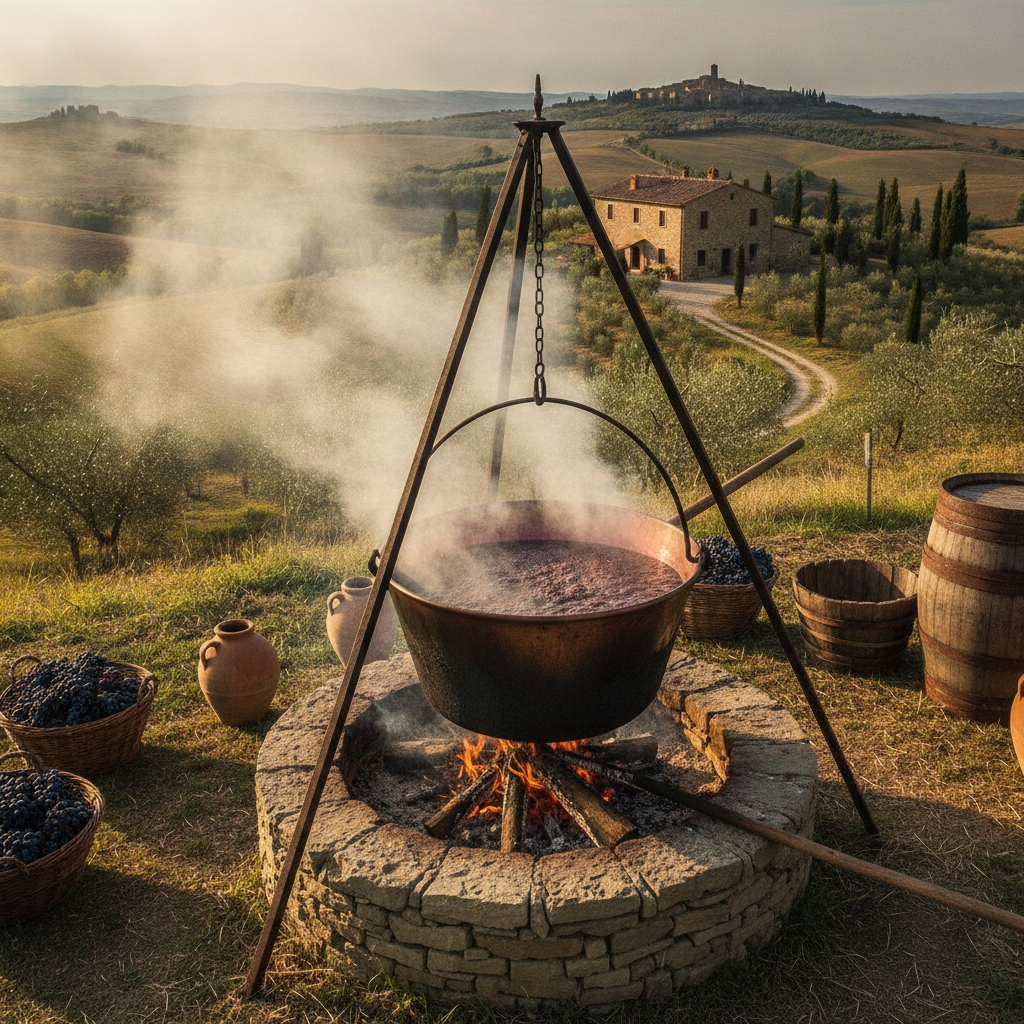
Cooked wine, with its rich history and unique organoleptic profile, lends itself to market positioning that highlights its distinctiveness. Identifying the right consumer segment and appropriate distribution channel is vital for export success.
Who Are the Ideal Buyers for Cooked Wine?
For a niche product like cooked wine, it is essential to target importers and distributors experienced in the special or traditional Italian wine segment. The search for a commercial partner should focus on:
- Importers with active wholesale licenses: Verify they possess the necessary licenses to operate in the target market, especially for alcoholic beverages.
- Presence in the Horeca channel (Hotel, Restaurant, Catering): Many foreign buyers seek wines that can enhance their menus, offering unique experiences. An importer with strong ties in the Horeca sector can be an effective channel.
- Focus on mid-to-high-end products: Cooked wine naturally positions itself in this segment, where demand is driven by the search for quality, authenticity, and products with a story.
- Markets with an interest in Italian specialties: Countries with a strong food and wine tradition and an appreciation for niche Italian products represent natural outlets.
What Communication Materials Are Needed for Export?
Before initiating commercial contacts, it is imperative to prepare informative materials in English (or the language of the target market) that highlight the peculiarities of cooked wine. This includes:
- Product technical sheet: Details on grape varietals, specific winemaking process (must cooking), organoleptic characteristics, alcohol content, and aging potential.
- Winery presentation: History, production philosophy, connection to the territory, and local traditions.
- Price list: Clearly indicating delivery terms (e.g., FCA, FOB).
- High-resolution images: Labels, bottles, and, if possible, evocative images of the production process or the region.
What Are the Specific Considerations for Different Markets?
Each market presents unique challenges and opportunities. For example, in the United States, it is crucial to verify label compliance with TTB (Alcohol and Tobacco Tax and Trade Bureau) requirements before confirming product availability. For emerging markets, it is important to assess the structural growth of demand and the potential for mid-to-high-end positioning.
What Is the Global Context of Italian Wine Exports?
Italian wine enjoys a historically leading position in many markets, particularly in the sparkling wine segment, where its value share was around 39% in 2019/2020. This established strength provides a solid foundation upon which to build the expansion of niche products like cooked wine.
Exports to emerging markets, monitored by analyses such as those reported by ANSA based on Nomisma's Wine Monitor report, show a diversification trend. In 2025, exports to 13 selected emerging markets exceeded 400 million euros. This dynamic highlights the need for Italian producers to explore new commercial outlets, even outside of historical markets, and to adapt their strategies to seize opportunities in mature but not yet saturated markets. Cooked wine, with its strong, tradition-linked identity, can successfully fit into this diversification strategy.
Frequently Asked Questions About Cooked Wine Exports
What are the customs requirements for exporting cooked wine to Europe?
Customs requirements for exporting cooked wine to Europe include EORI registration for EU wineries, a detailed Commercial Invoice with the correct HS code, and a Packing List. Depending on the destination country, specific documents like DAA/e-AD may be required for the Netherlands.
How can I find reliable importers for cooked wine abroad?
To find reliable importers, it is advisable to seek partners with active wholesale licenses, a strong presence in the Horeca channel, and a focus on mid-to-high-end products or Italian specialties. Consulting ICE guides for the destination country can provide useful insights.
Is a certificate of origin necessary for exporting cooked wine?
A certificate of origin is not always mandatory according to ICE guidelines but can facilitate the business relationship with the importer. It is always advisable to check the specific requirements of the destination country.
Exporting cooked wine requires a strategic approach and meticulous preparation, from managing documentation to selecting international partners and targeted product positioning. Wineries that can face these challenges with rigor and vision will be able to open new avenues for their cooked wine, enriching the global wine offering.
Are you an Italian winery ready to explore new markets for your cooked wine? Request a personalized demo to discover how we can support you on your export journey.