Understanding 'Cuvée' in Italian Wine and its Export Implications
Wines Export Editorial · Last updated:
In the complex world of wine export, the terminology used can vary significantly across markets, creating potential misunderstandings or, conversely, positioning opportunities. The term "cuvée" is one such example, often used in different contexts and with nuances that warrant careful analysis, especially when targeting international markets. A thorough understanding of the meaning and implications of "cuvée" is fundamental for Italian wineries aiming to expand their presence abroad, ensuring communication is clear, accurate, and strategically effective. Read more: OIV — International Organisation of Vine and Wine.
What Does "Cuvée" Mean in Wine?
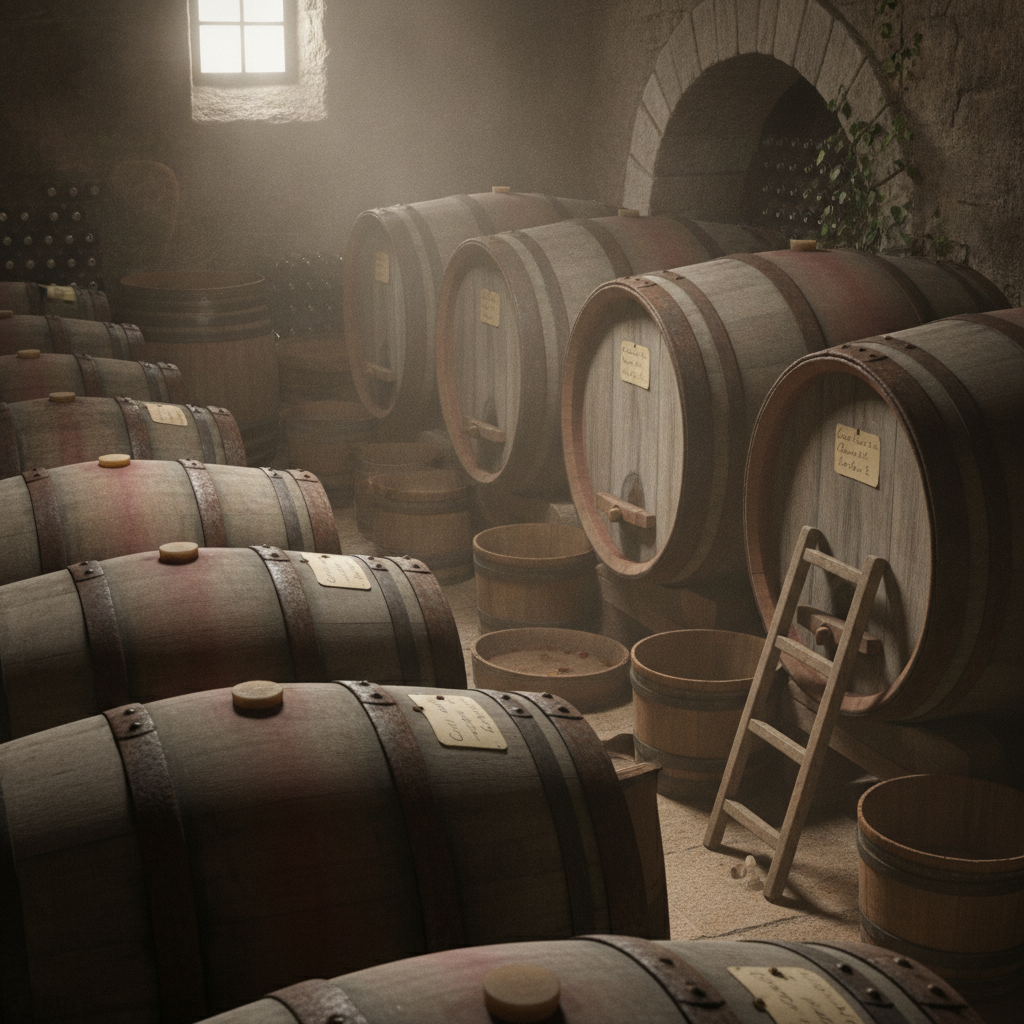
"Cuvée" originates from French and literally translates to "mixture" or "blend." In the wine industry, its usage has evolved and can refer to various practices and wine types, often indicating a selection or combination process to achieve a specific result.
How is "Cuvée" Used for Sparkling Wines?
For sparkling wines produced using the Classic Method, the cuvée is the blend of base wines from different plots, grape varieties, or vintages. The objective is to create a balanced and complex base wine that serves as the foundation for the final sparkling wine, ensuring consistency and quality.
When Does "Cuvée" Indicate a Prestige Selection?
In other contexts, "cuvée" can designate a special selection of wines, often from the best plots or an exceptional vintage. In this case, it represents the winery's flagship wine, an expression of high quality and prestige for a more discerning market.
How Does the Perception of "Cuvée" Vary Across Markets?
The perception and use of "cuvée" vary considerably. While well-understood in France, it might be perceived as generic or unfamiliar in other markets. English-speaking markets often prefer terms like "blend" or "assemblage" for wines made from multiple grape varieties or vintages.
What Export Strategies Should Be Adopted for Wines Labeled "Cuvée"?
To export wines labeled "cuvée," Italian wineries must adopt a strategic approach that considers the specificities of target markets, adapting communication to maximize comprehension and appeal.
How to Adapt Communication and Marketing for the Term "Cuvée"?
It is necessary to educate markets where the term is not common, explaining its meaning through technical sheets and tastings. Consider using translations or more understandable equivalents, such as "assemblage" or "special blend," alongside "cuvée" for clarity, always focusing on the wine's inherent quality and value.
What are the Specific Considerations for the US Market?
For the US market, it is essential to prepare materials in English, including the technical sheet and winery presentation, and verify label compliance with TTB requirements. Communication must highlight the wine's strengths, and recognition from reputable guides can be a strong persuasive element.
How to Approach Central and Eastern European Markets?
In markets like Hungary, where Italian wine is already competitive, a thorough analysis of local dynamics is crucial, possibly through ICE offices or Chambers of Commerce. The B2B nature suggests a focus on solid business relationships rather than mass media campaigns.
Frequently Asked Questions
What is the difference between "cuvée" and "assemblage" for an international buyer?
For an international buyer, "cuvée" is a French term that can indicate a blend, especially for sparkling wines, or a prestige selection. "Assemblage" is a more generic and internationally understood term to describe wines made from multiple grape varieties or vintages.
Is it necessary to translate the term "cuvée" for export?
It is not always necessary to translate "cuvée," but in markets where it is not common, it is helpful to accompany it with more familiar terms like "assemblage" or "special blend" and explain its specific meaning for the wine in question.
What are the labeling requirements for wines intended for the US market?
For the US market, it is essential to verify label compliance with the requirements of the TTB (Alcohol and Tobacco Tax and Trade Bureau), in addition to providing informative materials in English.
The term "cuvée" encapsulates significant communication potential for high-quality Italian wines but requires an informed and strategic approach to be effective in international markets.