Italian Wine Tasting: A Key Tool for Export
Wines Export Editorial · Last updated:
For Italian wineries aiming for export, technical tasting is a strategic tool to enhance wine value and conquer international markets. This analytical approach, going beyond chemical analysis, allows for the evaluation of structure, balance, and flavor clarity according to recognized standards like those of the OIV. Correct sensory evaluation ensures product conformity, enhances its value, and facilitates professional communication with importers and buyers, building trust and easing purchasing decisions. Read more: OIV — International Organisation of Vine and Wine.
How is Wine Structure Evaluated?
A wine's structure is perceived in the mouth through the sensation of body and fullness. It is determined by the harmony of its components: acidity, which provides freshness; alcohol, which imparts warmth and smoothness; and tannins (in red wines), which contribute astringency and aging potential.
Visual Examination: What Does the Wine's Appearance Reveal?
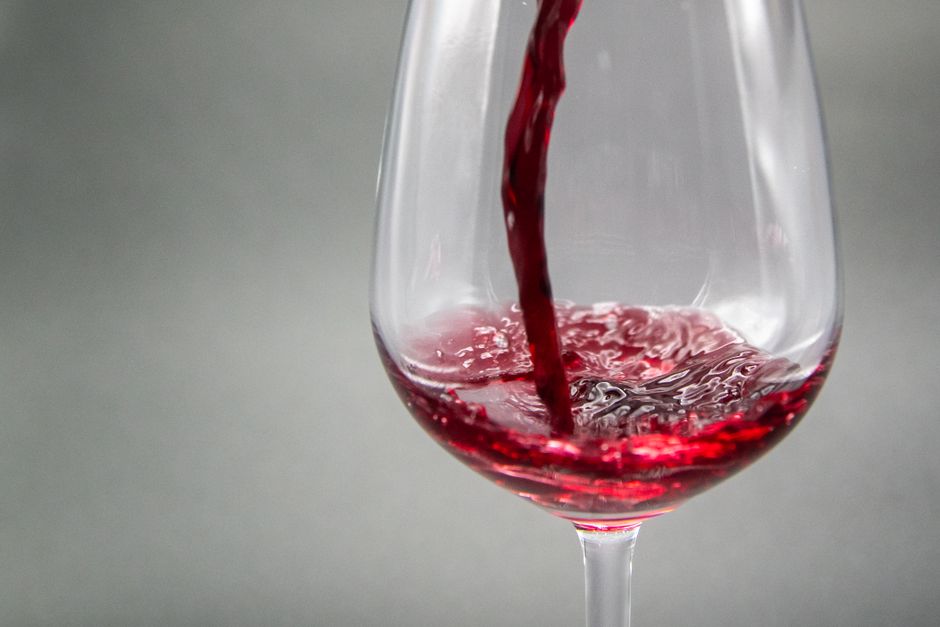
Visual examination assesses clarity, color (intensity, hue, shades), and viscosity. Brightness and the absence of suspended particles indicate a well-made and preserved wine. The color can suggest age, grape varietal, and winemaking techniques.
Olfactory Examination: How Are Wine Aromas Analyzed?
The sense of smell allows us to capture aromatic complexity, identifying primary (fruity, floral), secondary (fermentation), and tertiary (aging) aromas. Olfactory cleanliness is crucial: a "clean" nose suggests the absence of defects, making the wine more appealing on the market.
Gustatory-Tactile Examination: What are the Key Parameters in the Mouth?
This stage evaluates structure, acid-alcohol-tannin balance, and persistence. Balance is achieved through the harmony between acidity, alcohol, and tannins. Persistence measures the duration of gustatory and aromatic sensations after swallowing, an indicator of quality for foreign buyers.
What is Flavor "Clarity" and Why is it Important for Export?
Flavor "clarity" indicates the absence of sensory defects that can arise from vineyard, enological, or storage issues. Identifying these defects during tasting is fundamental to ensuring the wine is pleasant and marketable in international markets, avoiding unpleasant surprises for the importer.

How to Structure a Technical Data Sheet for Foreign Buyers?
An effective technical data sheet for a foreign buyer should maintain the visual/olfactory/gustatory-tactile breakdown, making it immediately understandable and professional. Anchoring evaluations to an internationally recognized structure, such as OIV or WSET standards, facilitates comprehension and purchasing decisions.
What is the Difference Between Tasting and Chemical Analysis for Export?
Chemical conformity and sensory quality are distinct planes. A wine can adhere to chemical limits but exhibit obvious sensory defects, such as those caused by Brettanomyces. Tasting is the primary tool for identifying these "invisible" defects in standard chemical analysis, ensuring the product's marketability.
How Does Tasting Help Enhance Italian Wines Abroad?
Tasting allows for the identification and correction of defects before export, highlights the wine's unique strengths, effectively communicates its characteristics to buyers, and ensures qualitative consistency between batches. This builds a solid reputation and facilitates product promotion in target markets.
What Do Foreign Buyers Truly Look for in Italian Wines?
Foreign buyers seek wines with a clear identity and a story to tell, in addition to regulatory compliance. Tasting defines this identity. Including awards, scores from authoritative guides, or the wine's presence in other markets strengthens the offering, but the technical sensory description remains the core of communication.
Frequently Asked Questions
How does technical tasting support Italian wine export?
Technical tasting supports export by identifying and correcting defects, highlighting strengths, effectively communicating wine characteristics, and ensuring qualitative consistency, all crucial elements for conquering international markets.
What are the main defects that tasting can reveal which chemical analysis cannot?
Tasting can reveal sensory defects such as aromas