Barbaresco DOCG: Characteristics and Opportunities for Foreign Markets
Wines Export Editorial · Last updated:
Barbaresco DOCG stands as one of the pinnacles of Italian enology, a prestigious red wine whose reputation resonates far beyond national borders. For Italian wineries looking towards export, a thorough understanding of this appellation's specifics, from its production regulations to international market expectations, is crucial for successful positioning. This article aims to be a comprehensive guide to navigating the world of Barbaresco DOCG, analyzing its origins, production rules, and the characteristics that make it so sought after by foreign buyers. Learn more: Federdoc — National Confederation of Italian Wine Denomination Protection Consortia.
What are the Historical Origins and Production Area of Barbaresco?
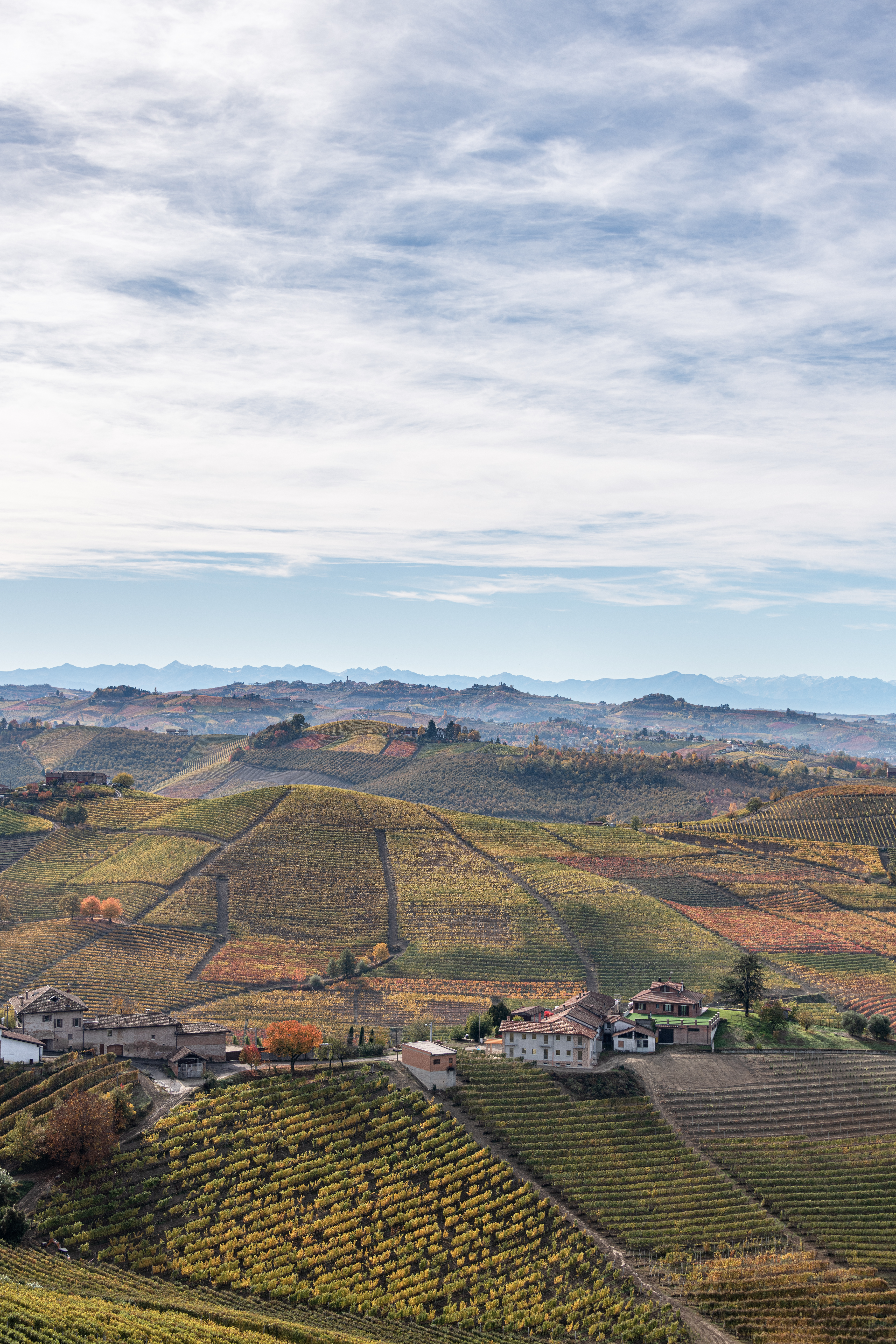
Barbaresco DOCG has ancient origins, with the cultivation of Nebbiolo in Piedmont dating back to remote times. Recognized as DOC in 1966 and DOCG in 1980, its official establishment as a distinct entity is conventionally set at 1894. The production area is strictly delimited and includes the municipalities of Barbaresco, Neive, and Treiso, along with a portion of San Rocco Seno d'Elvio (Alba), all within the province of Cuneo.
The production area of Barbaresco DOCG is strictly delimited and comprises the entire territory of the municipalities of Barbaresco, Neive, and Treiso, as well as a portion of the San Rocco Seno d'Elvio hamlet in the municipality of Alba, all located in the province of Cuneo. The entire production process, from grape drying to winemaking, from aging to bottling, must take place within this defined geographical zone.
What Does the Barbaresco DOCG Production Regulation Stipulate to Guarantee its Quality?
The production regulation for Barbaresco DOCG defines the essential parameters that every producer must adhere to in order to ensure the wine's authenticity and quality. Regulatory changes have been introduced through various ministerial decrees, including the DM 21.02.2007 and the DM 17.04.2015, which is currently in effect.
The main amendments to the production regulations have been introduced through various ministerial decrees over the years, including DM 21.02.2007, DM 16.04.2010, DM 30.11.2011, up to the currently enforced version approved by D.M. 17.04.2015.
What are the Fundamental Characteristics of Barbaresco DOCG According to the Regulation?
Barbaresco is a red wine made exclusively from the Nebbiolo grape, in its "Michet," "Lampia," and "Rosè" varieties. The maximum yield per hectare is 52 hectoliters, with a mandatory aging period of at least 2 years (of which 9 months must be in wood). The minimum alcohol content is 12.5% vol.
The production requirements established by the regulation include:
- Maximum Yield per Hectare: 52 hectoliters.
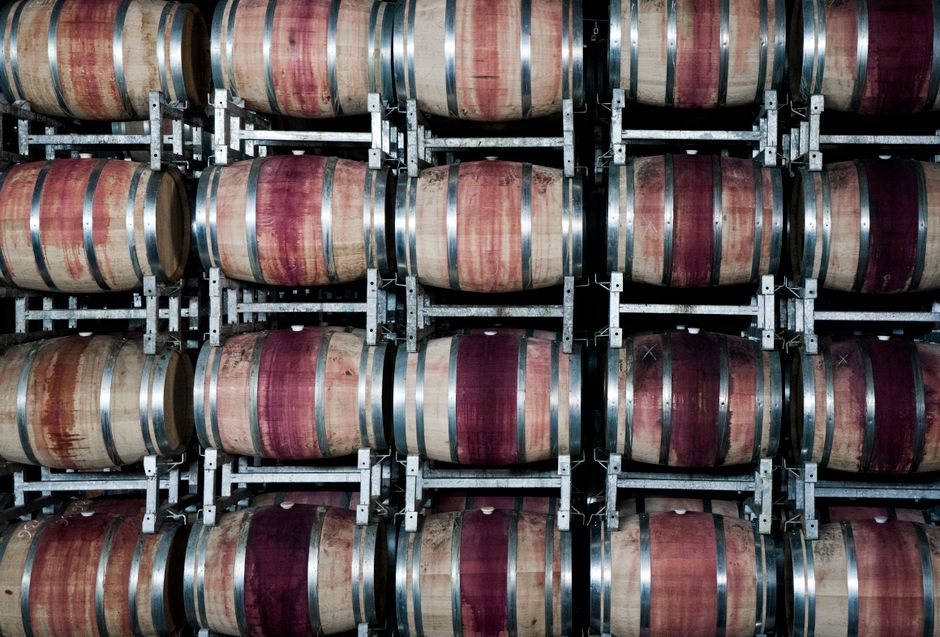
- Mandatory Aging: Minimum 2 years, of which at least 9 months in wooden barrels (oak or chestnut). For the "Riserva" type, aging is extended to 4 years, with at least 9 months in wood.
- Minimum Alcohol Content: 12.5% vol.
- Minimum Total Acidity: 5 g/L.
- Minimum Dry Extract: 23 g/L.
These parameters are crucial for imparting Barbaresco with its structure, complexity, and longevity, characteristics highly valued in international markets.
What Do the Additional Geographical Mentions on Barbaresco DOCG Indicate?
The production regulation allows for the integration of the "Barbaresco" designation with additional geographical mentions, which identify specific crus or sub-zones within the appellation. These mentions, such as Albesani, Asili, and many others, serve as an indicator of terroir and quality for more discerning consumers and for buyers seeking specific expressions of the region.
These include: Albesani, Asili, Ausario, Balluri, Basarin, Bernadot, Bordini, Bricco di Neive, Bricco di Treiso, Bric Micca, Ca' Grossa, Canova, Cars, Casot, Castellizzano, Cavanna, Cole, Cottà, Currà, Faset, Fausoni, Ferrere, Gaia-Principe, Gallina, Garassino, Giacone, Giacosa, Manzola, Marcarini, Marcolino, Martinenga, Meruzzano, Montaribaldi, Montefico, Montersino, Montestefano, Muncagota, Nervo, Ovello, Paje', Pajore', Pora, Rabaja', Rabaja-Bas, Rio Sordo, Rivetti, Rizzi, Roccalini, Rocche Massalupo, Rombone.
What Do Foreign Buyers Look for in Barbaresco DOCG?
International buyers are increasingly sophisticated and seek wines with prestige, aging potential, typicity tied to terroir, and gastronomic versatility. Transparency in the production chain and regulatory compliance are essential to attract the interest of mature markets.
- Prestige and International Recognition: Barbaresco enjoys a consolidated global reputation as one of Italy's finest wines. This intrinsic prestige facilitates market entry, especially in mature markets such as the United States, Canada, Australia, Germany, and Scandinavian countries.
- Aging Potential: The tannic structure and acidity of Nebbiolo, combined with adequate aging, grant Barbaresco excellent aging potential. Buyers, particularly those focused on the premium and Horeca (Hotel, Restaurant, Catering) segments, seek wines that can evolve positively in the bottle for years, offering a return on investment and a unique tasting experience.
- Typicity and Terroir: The growing focus on product origin and authenticity drives buyers to seek wines that clearly express their terroir. The additional geographical mentions (crus) of Barbaresco are a fundamental distinctive element in this regard. More developed markets appreciate a wine's ability to tell the story of its place of origin through its organoleptic characteristics.
- Gastronomic Versatility: Although a structured wine, Barbaresco pairs splendidly with a wide range of dishes, from game to elaborate red meats, from aged cheeses to traditional Piedmontese cuisine. This versatility makes it an excellent choice for restaurants and importers wishing to offer a wine capable of satisfying diverse culinary needs.
- Traceability and Regulatory Compliance: Transparency regarding production practices, grape provenance, and compliance with regulations is essential. International buyers, supported by regulations such as European ones governing appellations of origin, require guarantees about the production chain and adherence to rules. Clear documentation and transparent communication are therefore crucial.
- Potential of the Wines Export Producers Pool: The presence of Italian export-specialized wineries within the Wines Export pool, covering the Barbaresco appellation, represents a competitive advantage. This means there is already a network of producers ready to meet the demands of international markets, with a deep understanding of export-related regulations and logistical needs. The ability to offer a diverse portfolio of Barbaresco, perhaps from different geographical mentions, can attract importers looking for a reliable and comprehensive partner.
Frequently Asked Questions
What are the main differences between Barbaresco and Barolo?
Barbaresco and Barolo are both Nebbiolo-based Piedmontese wines, but they differ in their production areas and certain organoleptic characteristics. Barbaresco, produced in the municipalities of Barbaresco, Neive, and Treiso, tends to be considered more elegant and ready to drink in its youth compared to Barolo, which often requires longer aging.
What is the aging potential of Barbaresco DOCG?
Barbaresco DOCG has excellent aging potential due to its tannic structure and acidity. Many bottles can evolve positively for several years, developing complexity and aromatic nuances.
What Nebbiolo varieties are permitted for Barbaresco production?
For the production of Barbaresco DOCG, the specific Nebbiolo varieties named "Michet," "Lampia," and "Rosè" are permitted.
In conclusion, Barbaresco DOCG is a wine that embodies Italian excellence. For wineries looking to export it, a deep knowledge of its production regulations, history, and market dynamics is indispensable. The ability to communicate the wine's intrinsic value, its typicity, and its aging potential, coupled with a transparent and internationally compliant approach, will open doors to global markets.
For wineries interested in exploring export opportunities for Barbaresco DOCG, Wines Export offers strategic support and privileged access to a network of international buyers. Request a personalized demo.