Cirò DOCG: Discover Calabrian Wine and Overseas Market Opportunities
Wines Export Editorial · Last updated:
Cirò wine, a historic ambassador of Calabria, is experiencing a resurgence that projects it with renewed vigor onto international markets. Its designation of origin, rigorous production rules, and the valorization of native grape varieties represent a precious heritage for wineries targeting export. This article explores the fundamental characteristics of Cirò, the regulations governing its production, and the expectations of international buyers, offering a guide for wine businesses ready to seize the opportunities of this unique terroir.
What is the Significance of Cirò Classico Docg Recognition?
The recent recognition of Cirò Classico Docg marks a historic step in the valorization of this Calabrian wine. This milestone, approved by the protection consortium, strengthens the denomination's identity and promotion in the markets, emphasizing the product's quality and authenticity.
Cirò is the most internationally recognized Calabrian wine. Its identity is closely linked to the municipalities of Cirò and Cirò Marina. The term "Classico" applies to wines whose grapes come from vineyards in the municipality of Cirò Marina, while the DOC production extends to the surrounding territories. The region is undergoing a qualitative ferment, with labels awarded by Gambero Rosso, a result of the dedication of a new generation of winemakers focused on native grape varieties.
How Does the Production Regulation Guarantee Cirò's Quality?
The production regulation is an essential tool that defines the identity and quality of Cirò wine, ensuring operators and consumers comply with established rules. It contains key elements that guarantee its authenticity.
According to European legislation, a production regulation must include: the name of the denomination, a description of the wine and its characteristics, specific winemaking practices, the delimitation of the geographical area, maximum yields per hectare, and the indication of permitted grape varieties. Cirò primarily relies on native grape varieties such as Gaglioppo and Pecorello. European legislation (Regulations EC 479/2008 and 2024/1143) establishes the production regulation as a key document for ensuring the authenticity and quality of wines with a designation of origin.
What Native Grape Varieties Define Cirò?
The strength of Cirò lies in its close connection with native grape varieties, particularly Gaglioppo, considered the cornerstone of this Calabrian wine. Other grapes like Pecorello contribute to the complexity and uniqueness of its aromatic and gustatory profile.
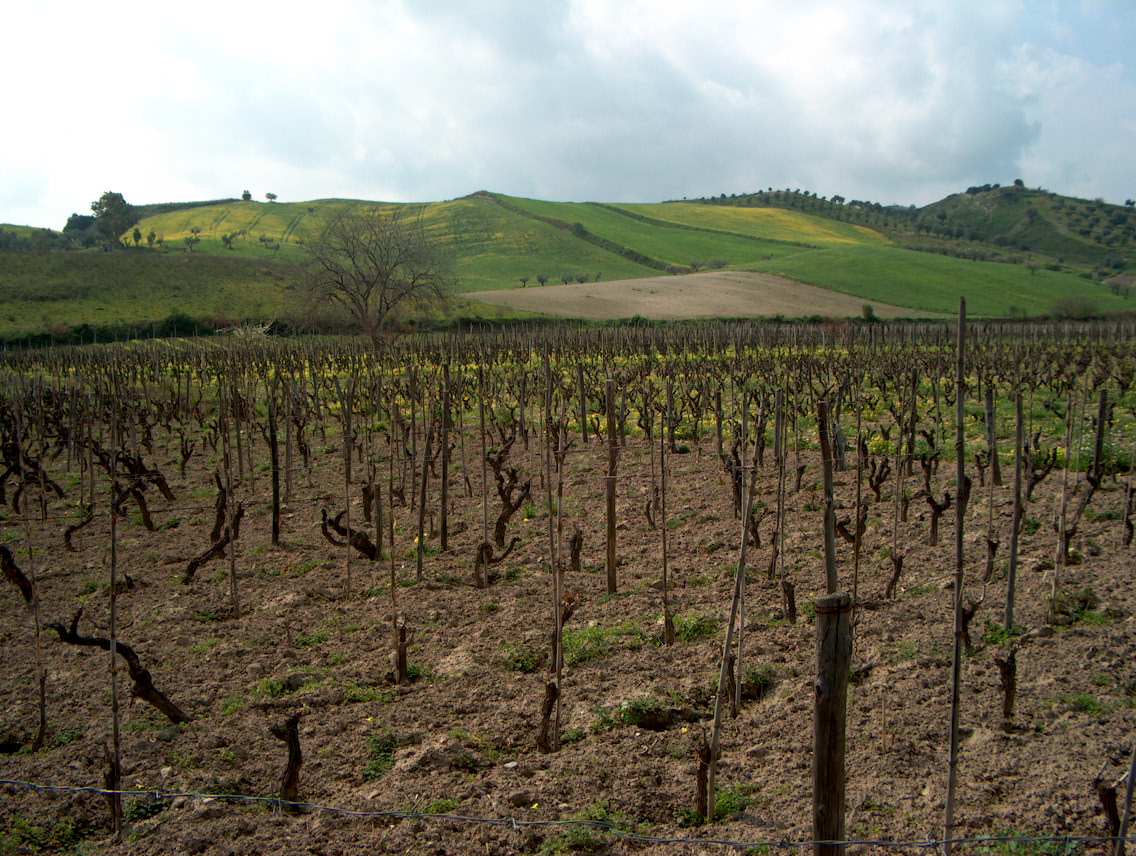
The pedoclimatic conditions of the Cirò and Cirò Marina area, with a Mediterranean microclimate influenced by the Ionian Sea and clay-limestone and sandy soils, create the ideal environment for the grapes' aromatic development and the expression of their strong territorial identity.
What Do International Buyers Look for in Cirò Wine?
International buyers are seeking wines that offer an authentic experience and tell a story connected to the territory. Cirò, with its history, native grape varieties, and production rules, possesses the characteristics to attract the interest of foreign markets.
Importers look for unique and authentic wines that express a specific terroir and native grape varieties, such as Gaglioppo. Consistent quality, guaranteed by rigorous production rules, is fundamental, as is market potential and the growing interest in grape varieties beyond the usual suspects. The history and connection to the territory, like the archaeological richness of Cirò, are powerful narrative elements that buyers appreciate.
How Does Wines Export Support Cirò Wineries in Export?
Wines Export positions itself as a strategic partner for Italian wineries aiming to expand their international presence. For companies within the Cirò denomination, we offer concrete support to navigate the complexities of export.
Through our network of contacts and our knowledge of foreign markets, we help wineries identify the most promising target markets, understand specific buyer needs, develop effective marketing strategies, and overcome regulatory hurdles. The Cirò denomination deserves to be known globally, and Wines Export is ready to accompany wineries on this growth journey.
- EU Regulation 2024/1143 - https://eur-lex.europa.eu/legal-content/IT/TXT/?uri=CELEX:32024R1143
- EU Regulation 479/2008 - https://eur-lex.europa.eu/legal-content/IT/TXT/?uri=CELEX:32008R0479
- EU Regulation 1308/2013 - https://eur-lex.europa.eu/legal-content/IT/TXT/?uri=CELEX:32013R1308
- Vigneto, n.6/1987 - https://archive.org/details/vigneto-1987-6
Frequently Asked Questions
What are the main indigenous grape varieties of Cirò wine, and how do they contribute to its profile?
Cirò wine is primarily based on native grape varieties, with Gaglioppo representing the fundamental pillar. Other grapes such as Pecorello contribute to the complexity and uniqueness of its aromatic and gustatory profile.
How does the European production regulation ensure the authenticity and quality of Cirò?
The production regulation, according to European legislation, includes key elements such as the wine's description, specific winemaking practices, the delimitation of the geographical area, maximum yields per hectare, and permitted grape varieties, thus ensuring the authenticity and quality of wines with a designation of origin.
What characteristics of Cirò wine are most appreciated by international buyers interested in export?
International buyers seek unique and authentic wines that express a specific terroir and native grape varieties like Gaglioppo. Consistent quality, guaranteed by rigorous production rules, and the history tied to the territory are powerful narrative elements that attract their interest.
- Chianti: Regulations, Subzones, and Export
- Chianti Riserva DOCG: A Guide for Importers
- Prosecco Hills: The Production Regulations and Market Opportunities
- Chianti DOCG: Regulations and Export Opportunities
- Dogliani DOCG: Production Regulations and Export Opportunities
- Chianti Classico Riserva: A Guide for Importers