Colline del Chianti: Regulations, Subzones, and International Markets
Wines Export Editorial · Last updated:
The Colline del Chianti offer a significant market opportunity for foreign buyers seeking authentic, high-quality Italian wines. Understanding the production regulations, the territorial specificities of the eight subzones, and the unique characteristics of the wines is crucial for successfully navigating this segment of the global wine market. This article guides wineries and importers through the key aspects of the appellation, highlighting export opportunities and strategies to best enhance these renowned wines. Dive deeper: Federdoc — National Confederation of Italian Wine Protection Consortia.
What are the historical origins of the Chianti appellation?
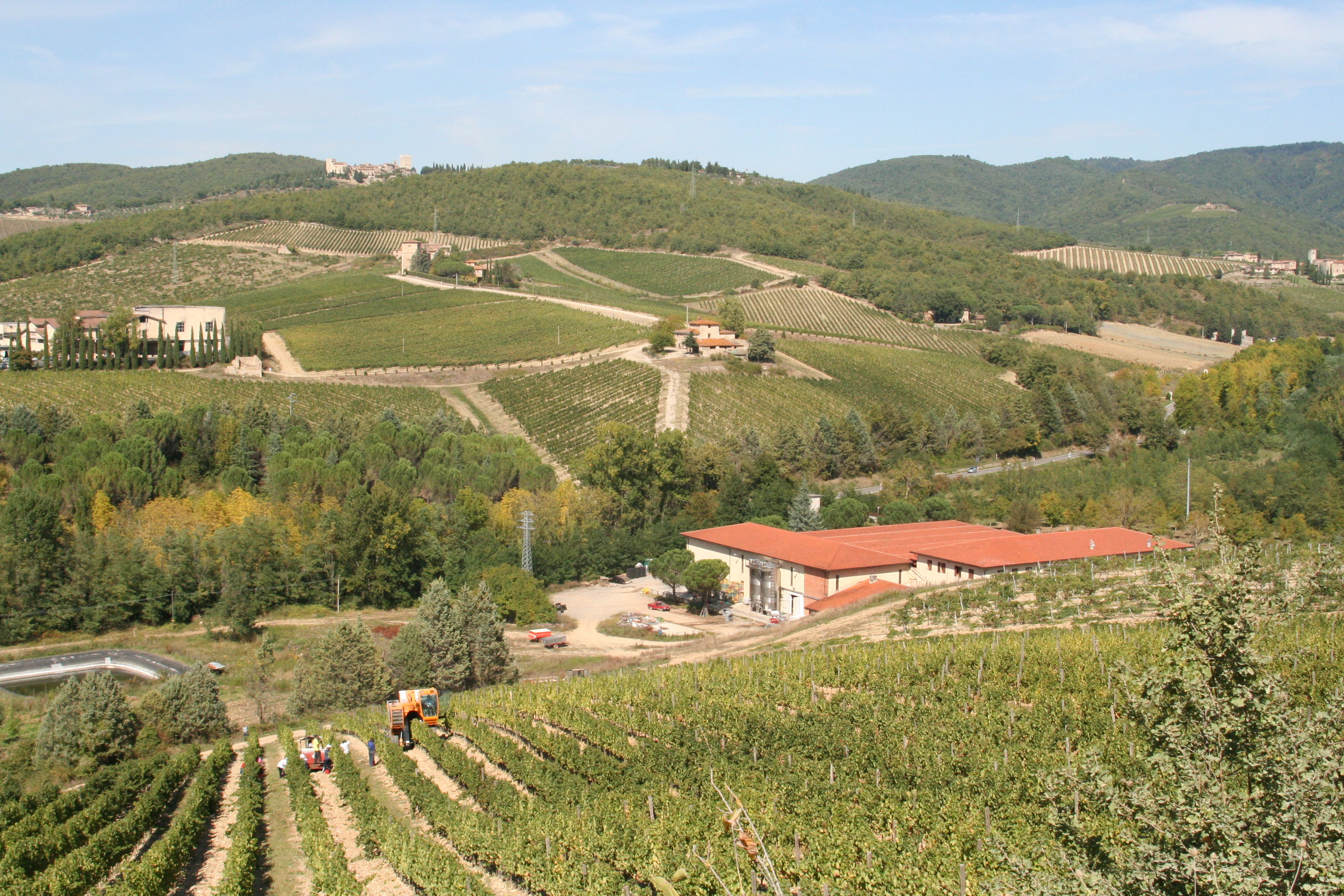
The name "Chianti" is historically associated with a specific area, initially concentrated in three municipalities in the province of Siena: Radda, Castellina, and Gaiole in Chianti. This area was known as the "Colli del Chianti" (Hills of Chianti).
Over time, the production area expanded. As early as 1932, Chianti production was extended to include several Tuscan provinces, including Arezzo, Florence, Pisa, Pistoia, and Prato, recognizing the winemaking quality of these regions.
How is the Chianti production area structured today?
The Chianti appellation is currently divided into eight distinct subzones. Each of these areas possesses unique territorial characteristics that can influence the specificities of the wines produced.
These subzones are: Classico, Colli Aretini, Colli Fiorentini, Colli Senesi, Colline Pisane, Montalbano, Montespertoli, and Rufina. This structure aims to preserve and enhance local diversity within the appellation.
What are the fundamental requirements of the Chianti production regulations?
The production regulations define the rules for obtaining wines of controlled designation of origin (DOC) and guaranteed designation of origin (DOCG). For Chianti, they establish the ampelographic composition, the minimum alcohol content, the yields per hectare, and the permitted winemaking practices.
The regulations prohibit the addition of unapproved qualifications, such as "extra" or "fine," to avoid misleading the buyer and to ensure the authenticity of the product.
What is the primary ampelographic composition of Chianti wines?
Chianti wines must be primarily made from Sangiovese grapes, with a minimum percentage of 75%. Other permitted grape varieties include Canaiolo nero (up to 10%) and Trebbiano toscano and Malvasia del Chianti (up to 10%).
The presence of other red grape varieties suitable for cultivation in the area is permitted, up to a maximum of 15% for basic Chianti and 20% for the subzones or the "Superiore" specification, without altering the wine's peculiar characteristics.
What are the alcohol content and aging requirements for Chianti wines?
For basic "Chianti" wines, the minimum total volumetric alcohol content at release for consumption is 12%. For "Riserva" wines in some subzones (Colli Aretini, Colli Senesi, Colline Pisane, Montalbano, Montespertoli), the minimum rises to 12.5%, with an aging period of at least two years.
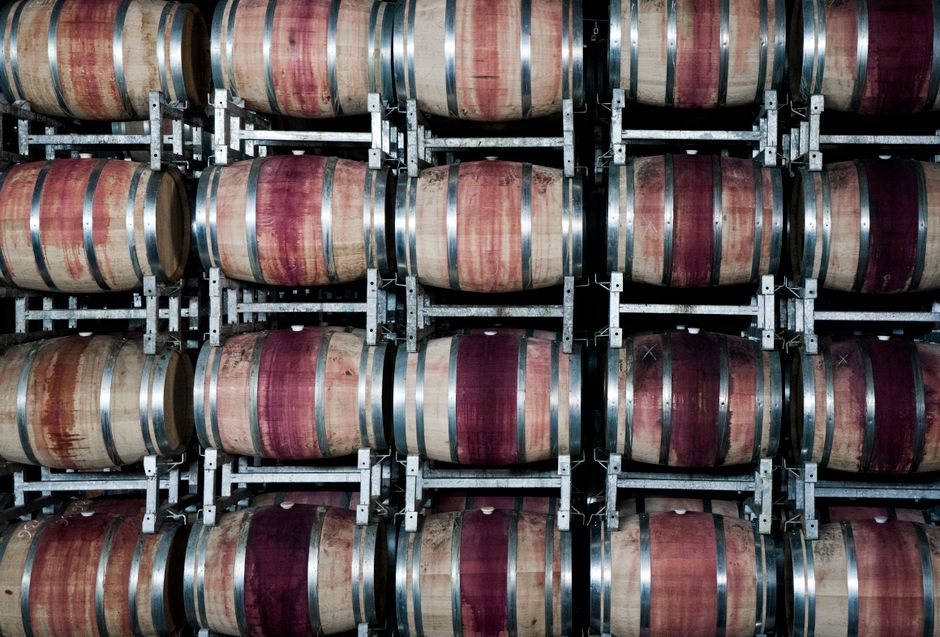
For "Chianti" wines referencing the "Colli Fiorentini" and "Rufina" subzones, a minimum aging period of six months in barrels and three in bottles is required.
How do the different Chianti subzones influence the wine's characteristics?
The various Chianti subzones, such as Colli Fiorentini, Colli Senesi, or Rufina, have different microclimates and soils. These territorial variations are reflected in the aromatic and gustatory nuances of the wines produced, giving them unique specificities.
Understanding these particularities is essential for foreign buyers seeking to comprehend the depth and variety of the Chianti offering.
What do foreign buyers look for in Chianti wines?
International buyers seek Chianti wines for their authenticity, strong territorial identity, and the history linked to Italian tradition. Gastronomic versatility, global brand recognition, and competitive pricing are additional attractive factors.
There is also a growing interest in wines that focus on high quality, sustainability, and innovative practices that respect tradition.
What are the export opportunities for Italian Chianti wineries?
Chianti wineries have the opportunity to strengthen their international presence by highlighting the specificities of their subzones and effectively communicating the quality and sustainability of their wines.
Participation in industry fairs and events is crucial for meeting buyers, presenting products, and understanding global market trends.
Frequently Asked Questions
What grape varieties are permitted in Chianti production?
In addition to Sangiovese (minimum 75%), Canaiolo nero (up to 10%) and Trebbiano toscano and Malvasia del Chianti (up to 10%) are permitted. The presence of other red grape varieties suitable for cultivation in the area is allowed, up to a maximum of 15% for basic Chianti and 20% for the subzones or the "Superiore" specification.
Are there different aging requirements among the various Chianti subzones?
Yes, the regulations stipulate different aging periods. For example, "Riserva" wines in some subzones require at least two years of aging, while "Chianti" wines from the Colli Fiorentini and Rufina subzones require at least six months in barrels and three in bottles.
Is it possible to freely add qualifications like "Superiore" or "Riserva" to Chianti wines?
The addition of qualifications to Chianti wines is strictly regulated by the production rules. Qualifications like "Superiore" or "Riserva" are designated for specific wines that meet additional quality and aging requirements, but the use of generic terms such as "extra" or "fine" is prohibited.
The Colline del Chianti offer a winemaking heritage of great value. For Italian wineries, a thorough understanding of the regulations, territorial specificities, and the demands of foreign markets is the foundation for successful export strategies, bringing the excellence of Chianti wine to tables around the world.
- Prosecco Hills: The Production Regulations and Market Opportunities
- Cirò Docg: A Guide for Importers and Export Opportunities
- Dogliani DOCG: Production Regulations and Export Opportunities
- Chianti Riserva DOCG: A Guide for Importers
- Est! Est!! Est!!! Montefiascone: DOC Wine Export
- Chianti DOCG: Regulations and Export Opportunities