Prosecco Colline: The Production Regulations and Opportunities for the Market
Wines Export Editorial · Last updated:
For foreign buyers seeking distinctive Italian wines, the "Colline Prosecco" designation presents a unique opportunity. Understanding its production regulations is crucial for evaluating the quality, authenticity, and market potential of these wines. This article explores the specifics of this designation, providing essential information for those wishing to import high-end Prosecco with a strong territorial identity. We will analyze what makes "Colline Prosecco" special and how it can differentiate itself in the global market, ensuring regulatory compliance and added value for your offering. Learn more: Federdoc — National Confederation of Consortia for the Protection of Italian Wine Designations.
What Defines the "Colline Prosecco" Designation?
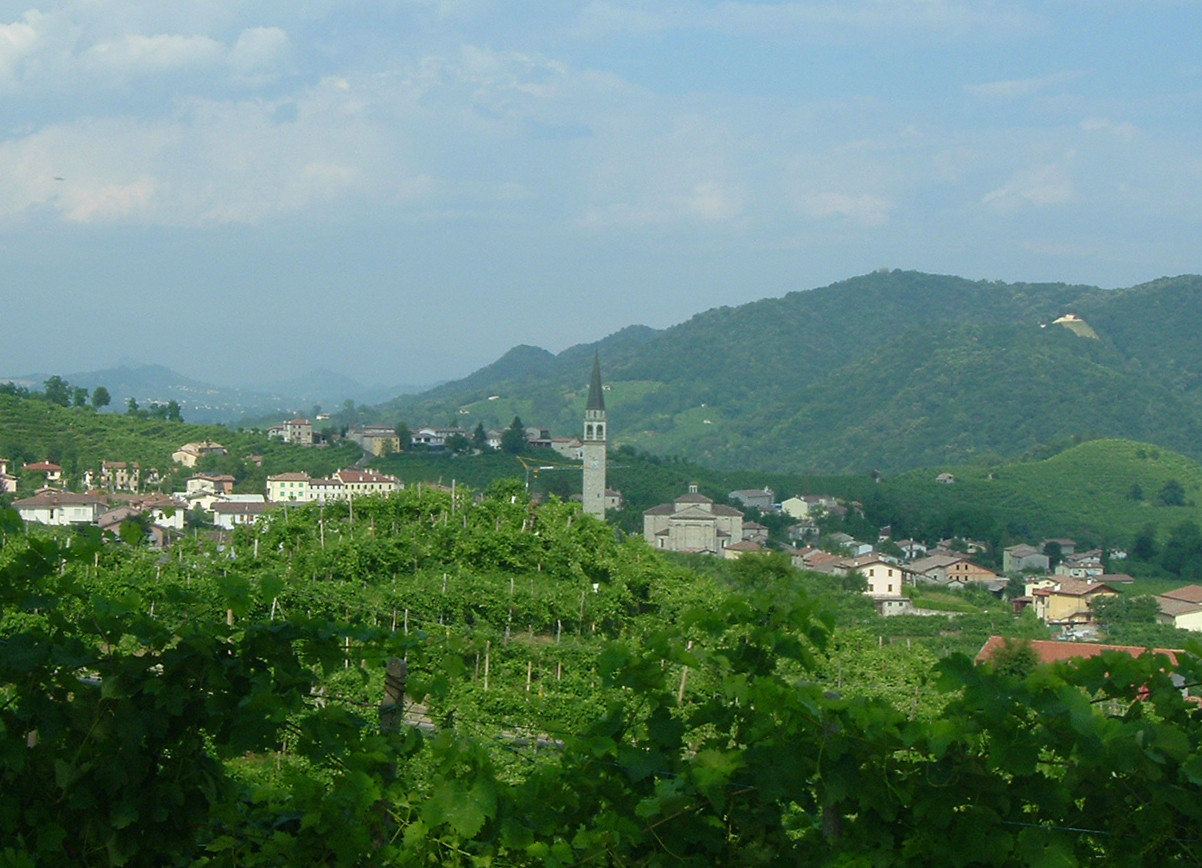
The mention of "Colline" (Hills) within the Prosecco DOC or DOCG designation identifies a specific geographical area. This territorial link is crucial, as it often implies more stringent production requirements and practices that enhance the unique characteristics of the hilly terroir, distinguishing it from Prosecco produced in flatter zones.
What are the differences between Prosecco DOC and DOCG?
Denominazione di Origine Controllata (DOC) and Denominazione di Origine Controllata e Garantita (DOCG) are both classifications that protect Prosecco. DOCG, however, imposes stricter requirements and more rigorous controls, often linked to smaller geographical areas and more traditional production methods, guaranteeing a higher level of quality.
What Elements Comprise a Production Regulation Document?
A production regulation document is the text that defines the standards of a designation. It includes the name of the designation, wine categories, type of geographical indication (DOP/IGP), a description of the wine's characteristics, permitted enological practices, and their restrictions.
What are the key stipulations of a regulation document for wines like "Colline Prosecco"?
Key stipulations include the precise delimitation of the geographical production area, maximum yields per hectare to ensure quality, and the permitted grape varieties. These elements ensure that the wine produced respects the territorial and qualitative specificities required by the designation.
How do European regulations influence production regulations?
European regulations, such as Regulation (EU) No 1308/2013 and subsequent amendments, establish the regulatory framework for production regulations. This ensures uniformity, transparency, and legal protection for protected designations of origin and geographical indications throughout the European Union.
What Do Foreign Buyers Look For in the "Colline Prosecco" Designation?
Foreign buyers are attracted by the authenticity and the territorial origin that the "Colline" mention suggests. The perception of superior quality, stemming from stricter requirements, is a key factor.
What is the marketing potential of this designation?
A designation with a defined history and distinctive characteristics offers strong marketing potential. Buyers seek products that can be easily communicated to consumers, highlighting the uniqueness and added value of "Colline Prosecco."
Why is regulatory compliance important for buyers?
The clarity and robustness of the production regulations, in line with European and Italian laws, reassure buyers about the product's compliance. The transparency offered by well-defined regulations is essential for building trust and ensuring legal protection in target markets.
How can "Colline Prosecco" diversify a buyer's offering?
Offering a "Colline" version of Prosecco allows buyers to differentiate their range, attract more discerning customer segments, and propose novelties that stand out from standard Prosecco.
What is the role of Wines Export for buyers interested in "Colline Prosecco"?
Wines Export facilitates access to Italian wineries that produce "Colline Prosecco" adhering to the most stringent regulations. Our network allows buyers to identify high-quality wines with specific territorial identities, offering a competitive advantage.
What Are the Main Export Opportunities for "Colline Prosecco"?
Exportation offers significant growth, especially in markets with high demand for quality sparkling wines. Export strategies should communicate territorial uniqueness, adherence to regulations, and distinctive organoleptic qualities.
How can wineries strengthen their presence in foreign markets?
Participation in international trade fairs, targeted tastings, and the creation of promotional materials emphasizing origin and quality are effective strategies. Collaboration with local importers and distributors is crucial for success.
Frequently Asked Questions
What are the main differences between Prosecco DOC and Prosecco DOCG?
DOCG imposes stricter requirements and more rigorous controls than DOC, often linked to smaller geographical areas and more traditional production practices, guaranteeing higher quality.
What does "Colline Prosecco" mean in the context of a designation?
It means the wine originates from a specific hilly geographical area within the Prosecco designation, suggesting a territorial link and potential unique characteristics.
What are the advantages for a foreign buyer in importing "Colline Prosecco"?
Advantages include offering an authentic product with a strong territorial identity, a perception of superior quality, and strong marketing potential to stand out in the market.
The "Colline Prosecco" designation represents a segment of excellence in Italian wine, with regulations that guarantee authenticity and quality. For foreign buyers, understanding these aspects means being able to select products with strong market potential and an authentic story. Wines Export is the ideal partner to facilitate access to this Italian excellence.
- Dogliani DOCG: Production Regulations and Export Opportunities
- Chianti: Regulations, Subzones, and Export
- Est! Est!! Est!!! Montefiascone: DOC Wine Export
- Cirò Docg: A Guide for Importers and Export Opportunities
- Etna Bianco: Production Regulations and Export Opportunities
- Chianti Riserva DOCG: A Guide for Importers