Marsala Wine: Production Regulations and Opportunities for the International Market
Wines Export Editorial · Last updated:
Marsala wine, with its rich history and well-defined production regulations, represents an Italian excellence with significant export potential. Understanding what foreign buyers seek in this fortified wine is crucial for wineries aiming to expand their presence in international markets. From its 18th-century origins, linked to trade routes, to modern territorial valorization strategies, Marsala offers a unique combination of tradition, guaranteed quality, and historical charm – key elements for attracting global importers and consumers. For further insight: Federdoc — National Confederation of Italian Wine Denomination Protection Consortia.
What is the History of Marsala and Its Link to Export?
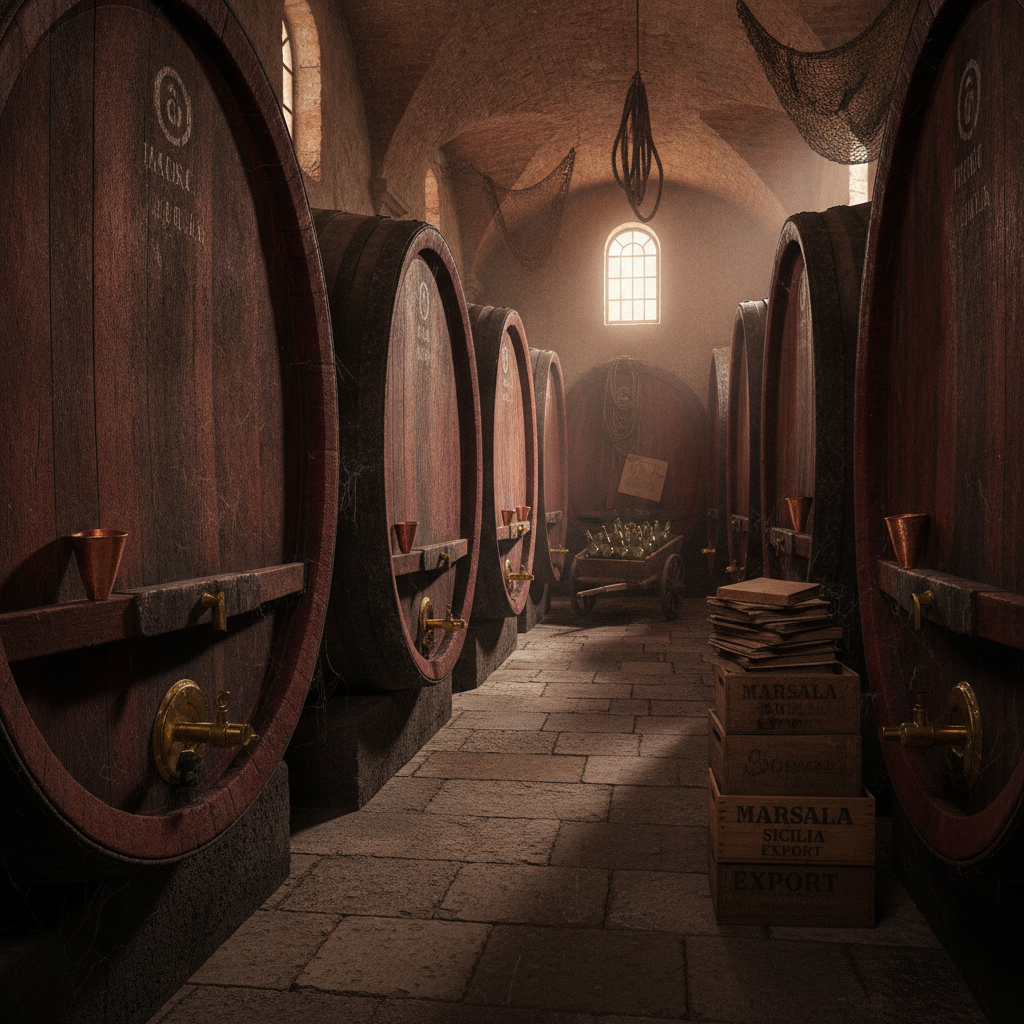
The history of Marsala is intrinsically linked to export, beginning in 1773 thanks to the insight of the English merchant John Woodhouse. He shipped local wine to England, fortified with brandy for preservation, initiating large-scale production and international success. The influence of English and Italian families like Florio solidified its global reputation.
What Does the Marsala Production Regulation Guarantee?
The production regulation, as a Protected Designation of Origin (PDO), ensures the authenticity and unique characteristics of Marsala. It defines precise rules regarding denomination, product categories, geographical indications, analytical and organoleptic characteristics, and specific winemaking practices, guaranteeing high-quality standards.
What are the Important Mentions Provided by the Marsala Regulation?
The regulation includes mentions that specify its quality and aging. "Vecchio" refers to maturation conditions, while "Stravecchio" indicates a minimum of 10 years of wood aging for the "Vergine e/o Soleras" type. "Superiore" and "Superiore Old Marsala" attest to qualitative characteristics and more rigorous requirements.
How Do the Additional Geographical Units (AGUs) Enhance Marsala?
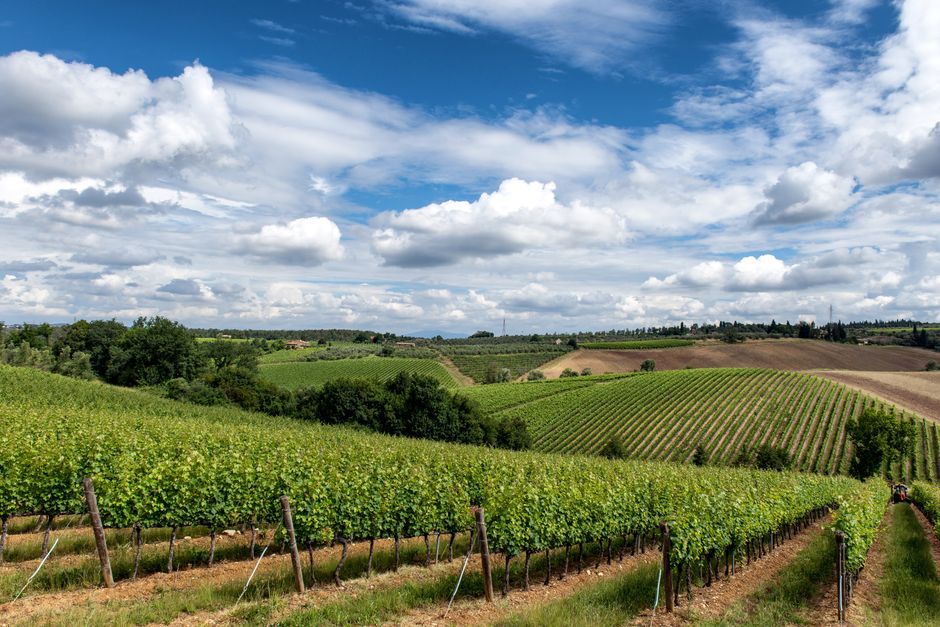
The Additional Geographical Units (AGUs – Unità Geografiche Aggiuntive, UGA) aim to transform the perception of Marsala from a "method wine" to a "territory wine." They highlight the agronomic specificities of different production areas, allowing the wine to best express its terroir, thus responding to the growing demand in the fine wine market for single-vineyard and territory-specific wines.
What Do Foreign Buyers Look for in Marsala Wine?
Foreign buyers seek authenticity, history, and guaranteed quality in Marsala. They appreciate its rich heritage, versatility in pairings, and market potential. The evolution of the regulation, with the AGUs, addresses the demand for territorial wines, making Marsala a distinctive product with a compelling story for international markets.
What is the Export Market Potential for Marsala?
Marsala DOC represents the second most claimed denomination in Sicily, with a turnover of approximately 20 million euros, 20% of which comes from foreign sales. This data highlights a consolidated market with ample room for expansion, especially in international markets, thanks to its uniqueness and historical value.
Frequently Asked Questions
Is Marsala Considered a Dessert Wine, or Does It Have Other Uses?
Marsala, thanks to its different types (dry, semi-dry, sweet) and alcohol content, offers considerable versatility. It can be paired not only with desserts but also with aperitifs, cheeses, and more elaborate dishes, expanding its market potential.
What are the Historical and Emerging Destination Markets for Marsala?
The history of Marsala has been linked to the British market since its origins. Today, international buyers operate in historical and emerging markets, seeking wines with a strong narrative and tangible cultural heritage, elements that Marsala possesses in abundance.
How Do AGUs Influence the Perception of Marsala by International Buyers?
The introduction of AGUs aims to enhance the territorial specificities of Marsala, responding to the trend in the fine wine market that seeks terroir-driven wines. This allows Marsala to be perceived not just as a method wine, but as a product with a strong geographical and agronomic identity.
Marsala is a wine that unites history, quality, and significant market potential for Italian wineries. Its evolving regulation and the increasing valorization of its territorial specificities make it a concrete opportunity to stand out in international markets.