Vino Nobile di Montepulciano: A Complete Guide for Producers and Importers
Wines Export Editorial · Last updated:
Vino Nobile di Montepulciano DOCG represents a Tuscan excellence with strong international market potential. For Italian wineries aiming for export, a thorough understanding of its production regulations, intrinsic characteristics, and, above all, the expectations of foreign buyers is a fundamental step for strategic and successful positioning. This article analyzes the key elements that make Vino Nobile di Montepulciano attractive to global importers, offering a practical guide for wine companies. Learn more: Federdoc — National Confederation of Italian Wine Denomination Protection Consortia.
What are the production regulation rules for Vino Nobile di Montepulciano DOCG?
The production regulation defines the identity and quality of Vino Nobile di Montepulciano DOCG. The November 2010 revision established the standards for the 2010/2011 harvest campaign, ensuring the wine's authenticity.
What grape varieties are permitted and what is the production area for Vino Nobile di Montepulciano?
Sangiovese, known locally as Prugnolo Gentile, must constitute at least 70% of the vineyard. Canaiolo Nero (up to 20%) and other recommended or authorized grape varieties for the province of Siena are also permitted, with a limit of 10% for white grapes. Aromatic grape varieties are excluded, except for Malvasia del Chianti. The production area is strictly limited to the municipality of Montepulciano, in the province of Siena.
What are the yield limits and aging requirements for Vino Nobile di Montepulciano?
The maximum yield in wine is set at 70%. Beyond this limit, the excess cannot be labeled with the DOCG denomination. Vino Nobile di Montepulciano requires a minimum aging period of two years from January 1st following the harvest, with specific rules for barrel and bottle aging. The "riserva" designation imposes even more stringent aging requirements.
What are the organoleptic characteristics and bottling requirements for Vino Nobile di Montepulciano?
Upon release for consumption, the wine must exhibit a ruby color tending towards garnet, an intense and ethereal aroma, and a dry, balanced, and persistent taste. The minimum volumetric alcohol content is 12.50% vol (13.00% vol for the riserva). The minimum total acidity is 4.5 g/l and the minimum net dry extract is 23 g/l. Bottling must occur in the winemaking area, with exceptions for authorized wineries in the Tuscany region.
What are the labeling rules for Vino Nobile di Montepulciano?
The use of additional qualifications such as "fine" or "selected" is prohibited. Private names and brands are permitted, provided they are not misleading. Optional mentions must not be more prominent than the denomination. The indication of the grape harvest year is mandatory. Bottles must be of dark glass, with a capacity not exceeding 5 liters, and closed with a cork stopper.
What do foreign buyers look for in Vino Nobile di Montepulciano?
International buyers are attracted to Vino Nobile di Montepulciano for a range of factors that go beyond the wine's basic characteristics.
Why are authenticity and territorial connection important to foreign buyers?
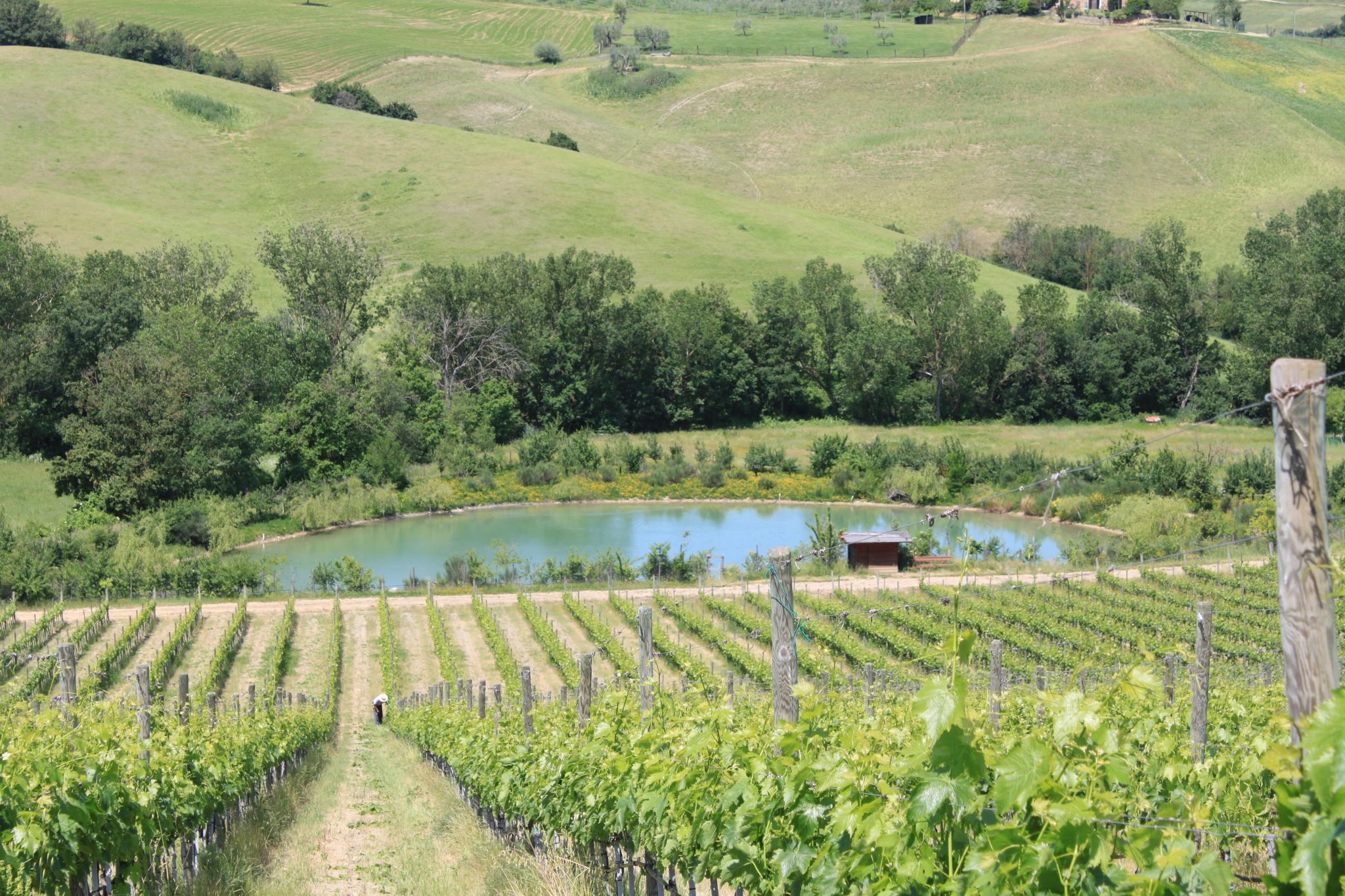
Foreign buyers seek wines that tell an authentic story, linked to a specific territory and established traditions. Vino Nobile di Montepulciano, with its centuries-old history and strong connection to Montepulciano and the Valdichiana, offers precisely this. The ability to communicate the uniqueness of the terroir and the specificities of Prugnolo Gentile is a strong asset.
How do consistent quality and reliability influence the choice of international buyers?
Qualitative consistency is a fundamental requirement. Buyers expect Vino Nobile di Montepulciano to adhere to the quality standards defined by the DOCG. A winery's ability to demonstrate reliable and consistent production, respecting the regulations, is crucial for building lasting commercial relationships.
What is the role of aging potential for international markets?
Many international markets appreciate wines with good aging potential. Vino Nobile di Montepulciano, especially in its "riserva" versions or with prolonged aging, can offer this characteristic. Clear communication about the wine's evolving potential in the bottle is added value.
How do storytelling and brand identity influence buyers' purchasing decisions?
Beyond intrinsic characteristics, buyers look for compelling stories and a well-defined brand identity. Wineries that can effectively communicate their history, company values, and passion for the territory have a higher chance of success. Coordinated and coherent branding is essential.
Why have traceability and sustainability become important for foreign buyers?
In a market attentive to origin and environmental impact, supply chain traceability and sustainable practices are increasingly important. Foreign buyers are interested in understanding viticultural and winemaking practices and whether the company adopts environmentally friendly approaches.
Wines Export Support for Vino Nobile di Montepulciano Wineries
Wines Export collaborates with a selected network of Italian wineries, supporting them in accessing international markets. Our pool of producers includes entities dedicated to quality and compliance with Vino Nobile di Montepulciano regulations, offering wines that meet the needs of foreign markets. Our network of international buyers is constantly seeking authentic, high-quality wines.
Vino Nobile di Montepulciano DOCG is an ambassador of Italian enological excellence. For wineries wishing to expand their presence in international markets, a deep understanding of the regulations, wine characteristics, and foreign buyer expectations is essential. Wines Export facilitates this process, connecting quality producers with qualified importers.
Frequently Asked Questions
Question 1
What are the minimum aging and maturation requirements for Vino Nobile di Montepulciano DOCG, and how do they differ for the "riserva" version? Vino Nobile di Montepulciano DOCG requires a minimum aging period of two years from January 1st following the harvest, with specific rules for barrel and bottle aging. The "riserva" designation imposes even more stringent aging requirements.
Question 2
What grape varieties are permitted in the production of Vino Nobile di Montepulciano DOCG, and what is the minimum percentage required for Sangiovese (Prugnolo Gentile)? Sangiovese, known locally as Prugnolo Gentile, must constitute at least 70% of the vineyard. Canaiolo Nero (up to 20%) and other recommended or authorized grape varieties for the province of Siena are also permitted, with a limit of 10% for white grapes, excluding aromatic varieties except for Malvasia del Chianti.
Question 3
What are the minimum organoleptic characteristics and volumetric alcohol content required for Vino Nobile di Montepulciano DOCG upon release for consumption? Upon release for consumption, the wine must exhibit a ruby color tending towards garnet, an intense and ethereal aroma, and a dry, balanced, and persistent taste. The minimum volumetric alcohol content is 12.50% vol, while for the riserva it is 13.00% vol.