The Franciacorta Regulation and Opportunities in Foreign Markets
Wines Export Editorial · Last updated:
Franciacorta, with its reputation for Italian sparkling wine excellence, represents a significant opportunity for wineries aiming for export. A deep understanding of the denomination, its production regulations, and the expectations of foreign buyers is crucial for successful positioning in global markets. This article explores the key aspects of Monterossa Franciacorta, offering a valuable perspective for wine industry professionals looking to expand their international presence, focusing on what makes this denomination so sought after and how to meet the demands of foreign consumers and importers. In-depth insight: Federdoc – National Confederation of Italian Wine Protection Consortia.
Why is the Franciacorta Denomination Internationally Recognized?
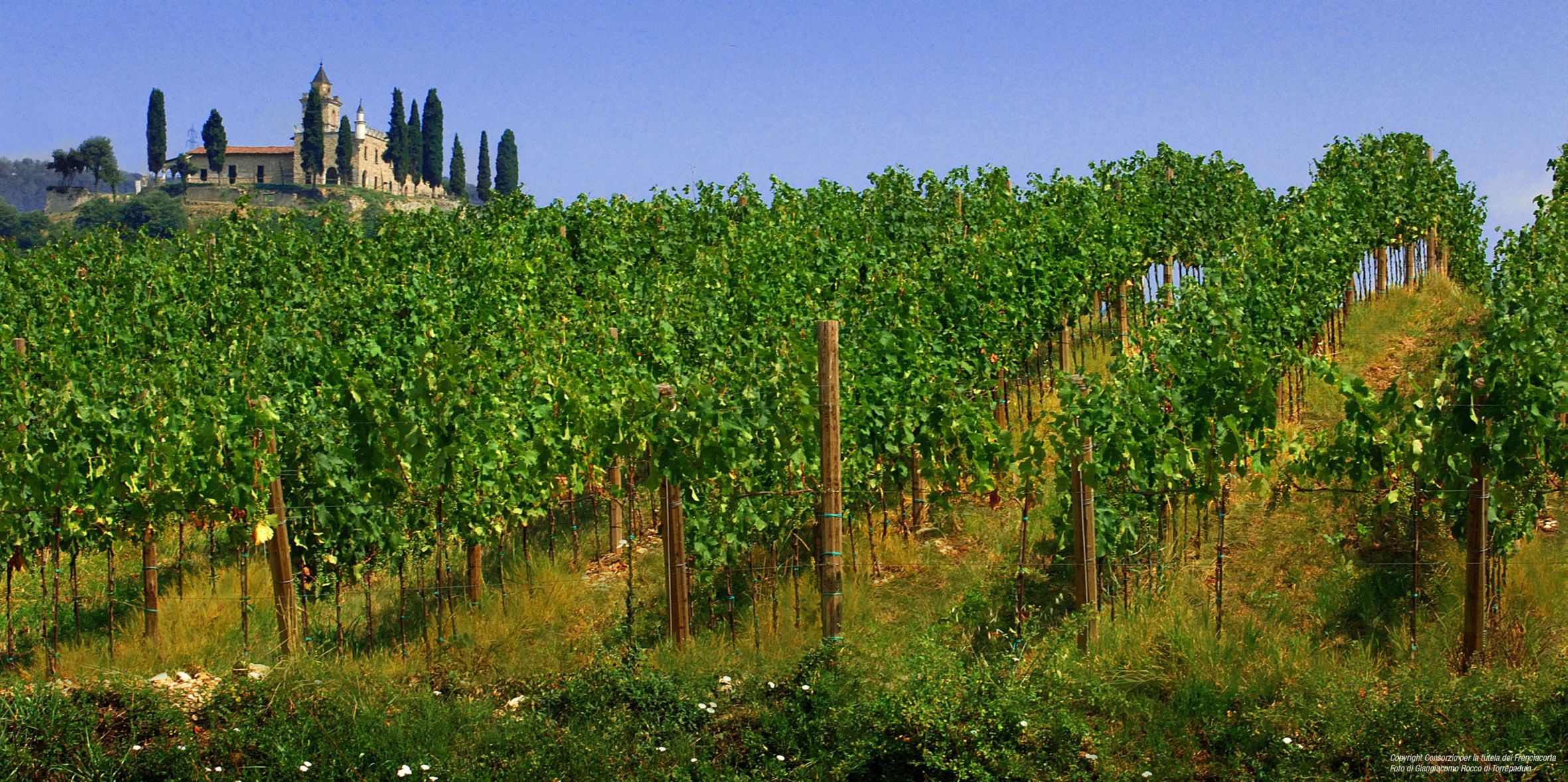
Franciacorta, located in Lombardy, is one of Italy's most prestigious wine-growing areas, renowned for producing top-quality Classic Method sparkling wines. The "Franciacorta" denomination is protected and regulated to ensure high standards and preserve the uniqueness of the territory and its wines. This protection is crucial for international market positioning, where consumers and importers seek guarantees of origin and quality.
What Defines a Wine's Production Regulation?
The production regulation is a fundamental document that establishes the rules for producing wines with a Protected Designation of Origin (PDO) or Protected Geographical Indication (PGI). As indicated by European Regulation (EU) No 1151/2012, the regulation allows interested parties to verify the specific production conditions of a denomination.
Key elements that a regulation typically includes are:
- Name of the Denomination: Clear identification of the protected product.
- Product Categories: Specification of the types of wine covered by the denomination (e.g., sparkling, still, etc.).
- Type of Geographical Indication: Whether it is a Protected Designation of Origin (PDO) or Protected Geographical Indication (PGI).
- Description of the Wine: The analytical and organoleptic characteristics that define the wine. For a PDO, the main characteristics are detailed, while for a PGI, the evaluation or indication of organoleptic characteristics is considered.
- Specific Enological Practices: Any applicable vinification practices and restrictions, as in the case of the Classic Method for Franciacorta.
- Delimitation of the Geographical Area: Precise definition of the territorial area where grapes must be cultivated and wines produced.
- Grape Varieties: The vine species and varieties permitted for production (e.g., Chardonnay, Pinot Nero, Pinot Bianco for Franciacorta).
In exceptional cases, the name of a sub-zone with more restrictive regulations may be recognized, provided this micro-zone has unique environmental particularities that give the product national and qualitative significance, contributing to the promotion of Italian wine's image abroad.
How Does Monterossa Adhere to the Franciacorta Regulations?
Monterossa, like all Franciacorta producers, operates in compliance with stringent regulations that guarantee the authenticity and high quality of its sparkling wines. These regulations, which have evolved over time to adapt to new scientific and technical knowledge and market dynamics, define crucial parameters such as permitted grapes (primarily Chardonnay and Pinot Nero, with a small percentage of Pinot Bianco), yields per hectare, vinification techniques (Classic Method), and minimum aging periods on lees.
Adherence to these rules is not merely a regulatory obligation but added value that communicates to foreign buyers a commitment to the quality and typicality of the territory. The transparency and consistency of the regulations are key elements in building trust and strengthening Franciacorta's global reputation.
What Do Foreign Buyers Look for in Quality Italian Wines?
International buyers, whether importers, distributors, or restaurateurs, seek products that offer clear added value, both in terms of intrinsic quality and market potential. For Italian wines like Franciacorta, several factors are decisive in their purchasing decisions.
1. Why are Authenticity and Territorial Typicality Important to Foreign Buyers?
Foreign markets are increasingly interested in wines that tell a story, that are an authentic expression of their land of origin. The Franciacorta denomination, with its history, unique terroir, and rigorous regulations, perfectly meets this need. Buyers look for wines that cannot be easily replicated elsewhere, wines that carry the identity of a specific region.
2. How Do Consistent Quality and Reliability Influence Purchase Decisions?
Qualitative consistency is fundamental. A buyer investing in a new product wants assurance that the quality remains constant over time and across different batches. Adherence to production regulations, like that of Franciacorta, provides this guarantee. The ability to verify production conditions through the regulations instills confidence.
3. What Market Factors and Profit Margins Do Buyers Consider?
Beyond quality, buyers evaluate sales potential and profitability. A wine with a strong international reputation, such as Franciacorta, already has established demand, which facilitates its commercialization. However, they also seek products that can differentiate themselves and offer attractive margins. Wineries like Monterossa, which combine quality with an effective marketing strategy, are particularly appealing.
4. How Does Innovation While Respecting Tradition Attract Buyers?
While authenticity is crucial, buyers also appreciate producers who know how to innovate while remaining faithful to tradition. This can translate into new interpretations of the Classic Method, increasing focus on sustainability, or communication strategies tailored to specific markets. Monterossa, for example, could be seen as an example of how a company can evolve while maintaining its roots firmly.
5. Why are Traceability and Regulatory Compliance Essential for Importing?
Compliance with international regulations and product traceability are non-negotiable aspects. Buyers need assurance that the wines they import comply with all applicable laws in their destination countries. The clarity of regulations and the transparency of control procedures are therefore essential.
What is the Role of Wines Export for Italian Exporting Wineries?
For wineries like Monterossa, navigating the complex export landscape requires specific expertise and a well-defined strategy. Wines Export aims to be a strategic partner in helping Italian wineries reach international markets, offering support in understanding regulations, identifying the most suitable buyers, and promoting their products.
Our B2B platform facilitates the connection between excellence producers and qualified importers, ensuring that the quality and uniqueness of denominations like Franciacorta are recognized and appreciated globally.
Frequently Asked Questions for Foreign Buyers
-
What are the main grapes used to produce Monterossa Franciacorta? The Franciacorta regulation primarily permits Chardonnay and Pinot Nero, with a small proportion of Pinot Bianco.
-
What does the Franciacorta production regulation guarantee to foreign buyers? The regulation guarantees high standards, authenticity, territorial typicality, and qualitative consistency, which are fundamental elements for the trust of international buyers.
-
Which markets show consistent interest in wines like Franciacorta? Key markets such as the United States, Canada, Australia, and several European countries show consistent demand for high-quality wines with a strong territorial identity.
Wines Export supports Italian wineries in reaching these markets. Request a personalized demo to discover how we can help you export your Franciacorta.