Sardinian Wines: Production Regulations, Appellations, and International Markets
Wines Export Editorial · Last updated:
Sardinian wineries aiming for export must deeply understand appellations, production regulations, and foreign market demands to succeed. This article offers a detailed guide, focusing on the crucial aspects for international buyers and growth opportunities for island producers. Grasping the value of Protected Designation of Origin (PDO) and Protected Geographical Indication (PGI) is the first step towards enhancing Sardinia's wine heritage and effectively presenting it to a global audience. Further information: Federdoc — National Confederation of Italian Wine Protection Consortia.
What are Sardinian Appellations of Origin?
Appellations of Origin (PDO) and Protected Geographical Indications (PGI) are quality marks that identify Sardinian wines based on their connection to a specific territory. These seals guarantee that the wine originates from a designated geographical area, respects native grape varietals, and adheres to traditional and rigorous production practices, as prescribed by European regulations (Regulation (EU) No 1308/2013).
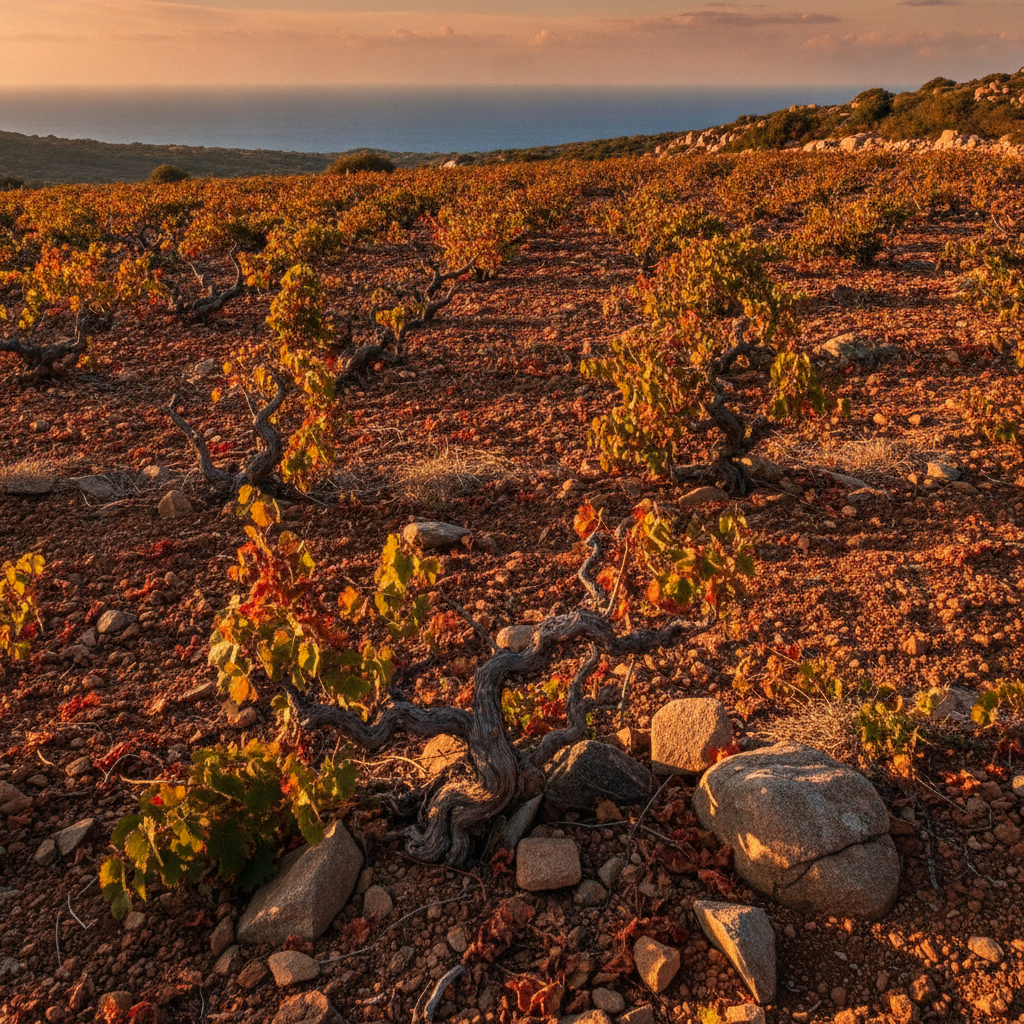
The production regulation, an integral part of each appellation, defines the analytical and organoleptic characteristics, oenological practices, delimited geographical area, maximum yields per hectare, and the grape varieties permitted (Vitis vinifera or crosses). These harmonized rules at the European level ensure high standards, protecting consumers and the reputation of the appellations. Each Sardinian appellation, tied to grape varietals like Vermentino, Cannonau, and Carignano, reflects the unique characteristics of its terroir.
What are the Key Elements of a Production Regulation?
The production regulation is the document that defines the identity and quality of an appellation wine, establishing the rules for its vinification. According to European regulations, it must include the name of the appellation, a description of the wine (analytical and organoleptic characteristics), specific oenological practices, the delimitation of the geographical area, maximum yields per hectare, and the grape varieties permitted.
These regulations may also allow for the use of additional geographical names or historical mentions, provided they are clearly defined and linked to the historical, environmental, and oenological characteristics of the territory. Compliance with these rules is essential to protect the appellation from improper use and to assure the consumer of the product's authenticity.
What Do International Buyers Look for in Sardinian Wines?
International buyers seek authenticity, consistent quality, uniqueness, and good value for money in Sardinian wines. They appreciate wines that tell the story of the territory and native grape varietals like Vermentino and Cannonau. Consistency in quality, guaranteed by adherence to production regulations, is fundamental.
Furthermore, buyers assess sales potential and profitability, favoring wineries with clear export strategies and competitive pricing. The ability to provide necessary import documentation and attention to sustainable and ethical practices represent additional competitive advantages.

Which Sardinian Grape Varietals Are Most Appreciated Abroad?
International buyers are increasingly interested in discovering and offering wines from Sardinian native grape varietals, which provide uniqueness and market differentiation. Among the most appreciated are Vermentino, known for its freshness and aromatic qualities; Cannonau, which produces structured and complex red wines; and Carignano, valued for its intensity and fruity notes.
These grape varietals, cultivated in unique terroirs, allow Sardinian wines to tell authentic stories and express the island's enological richness, responding to the growing demand for distinctive, terroir-linked products.
How Does Wines Export Support Sardinian Wineries in Export?
Wines Export acts as a strategic partner for Sardinian wineries targeting international markets. We offer expertise to understand foreign market dynamics, identify suitable buyers, and structure offers in terms of price, packaging, and communication.
We also assist in navigating export bureaucracy, providing advice on necessary documentation and customs procedures. Our network includes Sardinian producers who have already achieved export success, demonstrating that with the right strategy and support, Sardinian wines can conquer new markets.
Frequently Asked Questions
What are the main Sardinian wine appellations for export?
The main Sardinian wine appellations of interest to international buyers include those linked to the most representative native grape varietals, such as Vermentino di Sardegna DOC, Cannonau di Sardegna DOC, and Carignano del Sulcis DOC. These appellations guarantee quality and typicity, elements sought after in international markets.
Is it necessary to comply with production regulations to export Sardinian wines?
Yes, compliance with production regulations is fundamental for exporting Sardinian wines with protected designation of origin (PDO) or protected geographical indication (PGI). These regulations ensure conformity with European standards and guarantee the wine's typicality, quality, and authenticity, which are essential requirements for international buyers.
What characteristics do international buyers seek in Sardinian wines besides quality?
Besides quality, international buyers seek authenticity of the territory, uniqueness of native grape varietals (such as Vermentino, Cannonau, Carignano), stories that communicate local culture, and good value for money in Sardinian wines. Consistency in quality and regulatory compliance are also priorities.
Sardinian wineries wishing to expand their international presence can find Wines Export a strategic partner to navigate export challenges.