Vino Santo: Specifications, Characteristics, and Export Markets
Vino Santo, recognized as a Quality Wine Produced in Specific Regions (QWPSR) under the specific Protected Designation of Origin (PDO), embodies a complex production method and a long aging period. This article delves into the Santo denomination, analyzing its production specifications, the characteristics that make it unique, and above all, what foreign buyers look for in such a prestigious wine, providing an essential guide for Italian wineries wishing to export this excellent product. Learn more: Federdoc — National Confederation of Consortia for the Protection of Italian Wine Designations.
What is the Santo Denomination and What is its Regulatory Context?
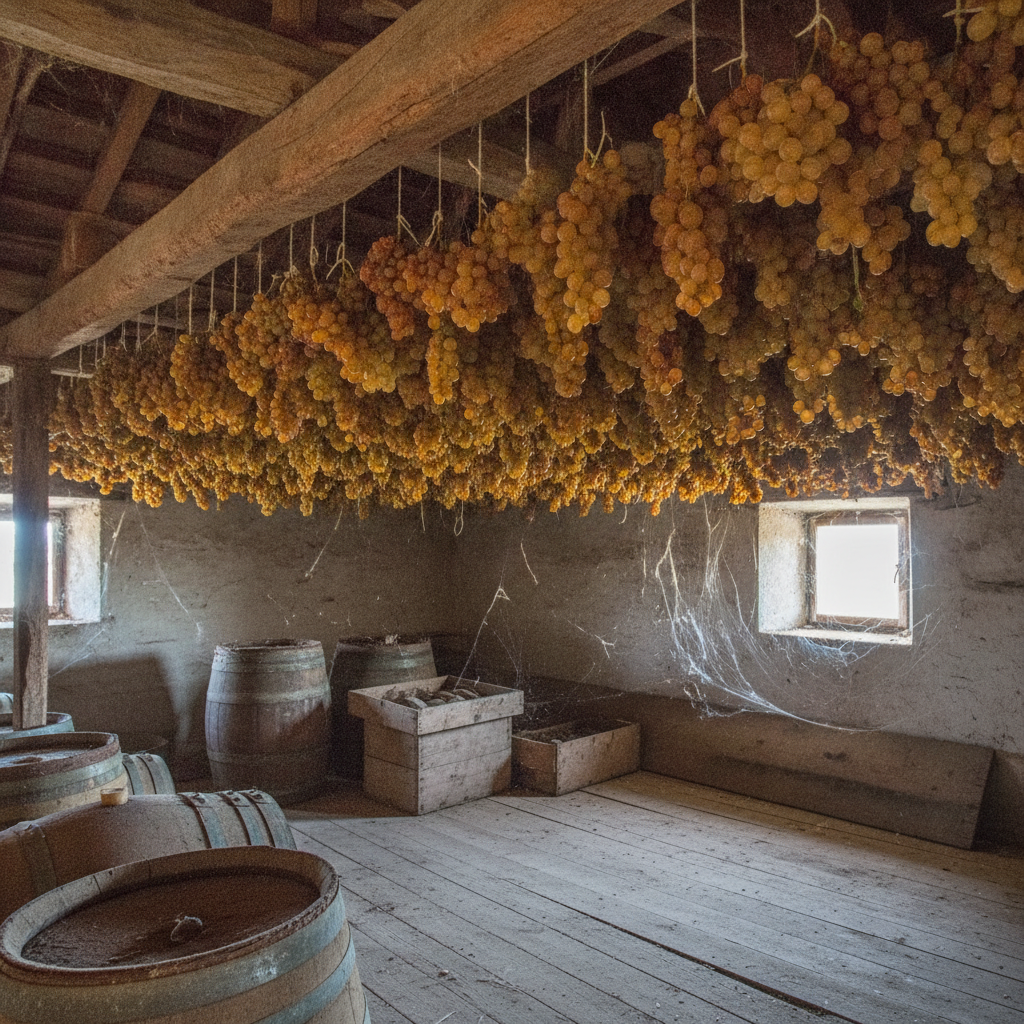
The "Santo," "Vin Santo," or "Vino Santo" designation identifies historic and traditional wines produced in various Italian regions, including Tuscany, Marche, Umbria, Emilia Romagna, Veneto, and Trentino-Alto Adige. Its uniqueness stems from a specific production process that includes the drying of grapes in suitable and aerated locations, followed by prolonged aging in wooden containers.
What Elements Define the Production Specifications for Vino Santo?
The production specifications are the regulatory instrument that establishes the conditions for obtaining a designation of origin or a protected geographical indication. For Vino Santo, it defines the product name, the wine categories (e.g., still wines), the type of geographical indication (PDO), a description of the analytical and organoleptic characteristics, and any specific winemaking practices. European regulations, such as Regulation (EU) 2024/1143, define the requirements for protection and control procedures, ensuring authenticity and quality.
How is Vino Santo Produced, from Vine to Bottle?
The production process of Vino Santo is tied to local traditions. Selected grapes are dried on racks to increase sugar concentration, typically between 26% and 48%. Subsequently, the dried grapes are pressed, and the must ferments and matures in small wooden containers called "caratelli," for a period that can range from 2 to 4 years or more. "Vinsantaie," ventilated rooms, facilitate the wine's evolution through seasonal temperature fluctuations.
What Characteristics Do Foreign Buyers Seek in Vino Santo?
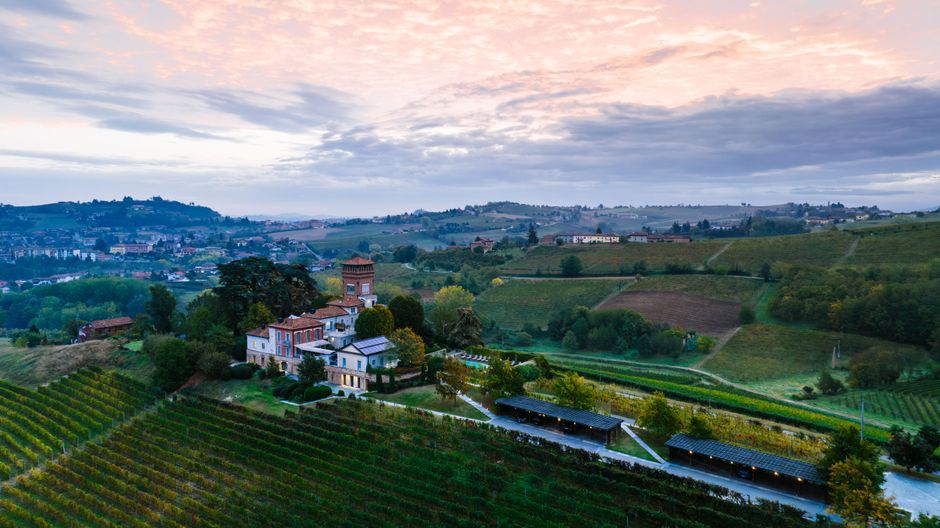
International buyers are attracted to the authenticity and history of Vino Santo, its traditional production method, and its extensive aging. They appreciate its organoleptic complexity, with aromas of honey, dried fruit, and spices, and the quality assurance offered by the Protected Designation of Origin (PDO). Its versatility in pairings, beyond desserts, and its market potential as a niche product evoking authentic Italy are further factors of interest.
How Do Interprofessional Organizations Support Vino Santo in Exports?
Recognized interprofessional organizations play a key role in supporting the production and marketing of wines like Santo. Representing a significant share of production or trade, they work to improve quality, enhance quality brands, and promote protected designations of origin and protected geographical indications, facilitating access to international markets with a message of quality and authenticity.
Frequently Asked Questions from Foreign Buyers About Vino Santo
- What are the main organoleptic characteristics that distinguish Vino Santo? Vino Santo presents complex aromas ranging from honey to dried fruit, with notes of caramel and spices, and a persistent finish.
- In which Italian regions is Vino Santo produced with a PDO designation? Vino Santo with a PDO designation is produced in various Italian regions, including Tuscany, Marche, Umbria, Emilia Romagna, Veneto, and Trentino-Alto Adige.
- What are the specific winemaking practices that characterize Vino Santo production? Specific practices include grape drying, fermentation, and prolonged aging in "caratelli" (small wooden barrels) in traditional rooms called "vinsantaie."
Vino Santo represents an Italian excellence with strong export potential, thanks to its history, rigorous specifications, and unique characteristics that attract foreign buyers. For Italian wineries, understanding and effectively communicating the value of this wine is essential for success in international markets.