Chianti DOCG: Bringing Your Wine to International Markets
Wines Export Editorial · Last updated:
The Chianti Valley, the beating heart of Tuscany, is synonymous with one of the most celebrated and globally appreciated Italian red wines. Its fame is not accidental but is rooted in a millennia-old history, a favorable territory, and rigorous production regulations that guarantee its quality and authenticity. For Italian wineries looking to export, a deep understanding of the Chianti denomination, its production rules, and the expectations of international markets is crucial to fully seize growth opportunities. Learn more: Federdoc — National Confederation of Italian Wine Denomination Protection Consortia.
What is the History and Geographical Area of the Chianti Denomination?
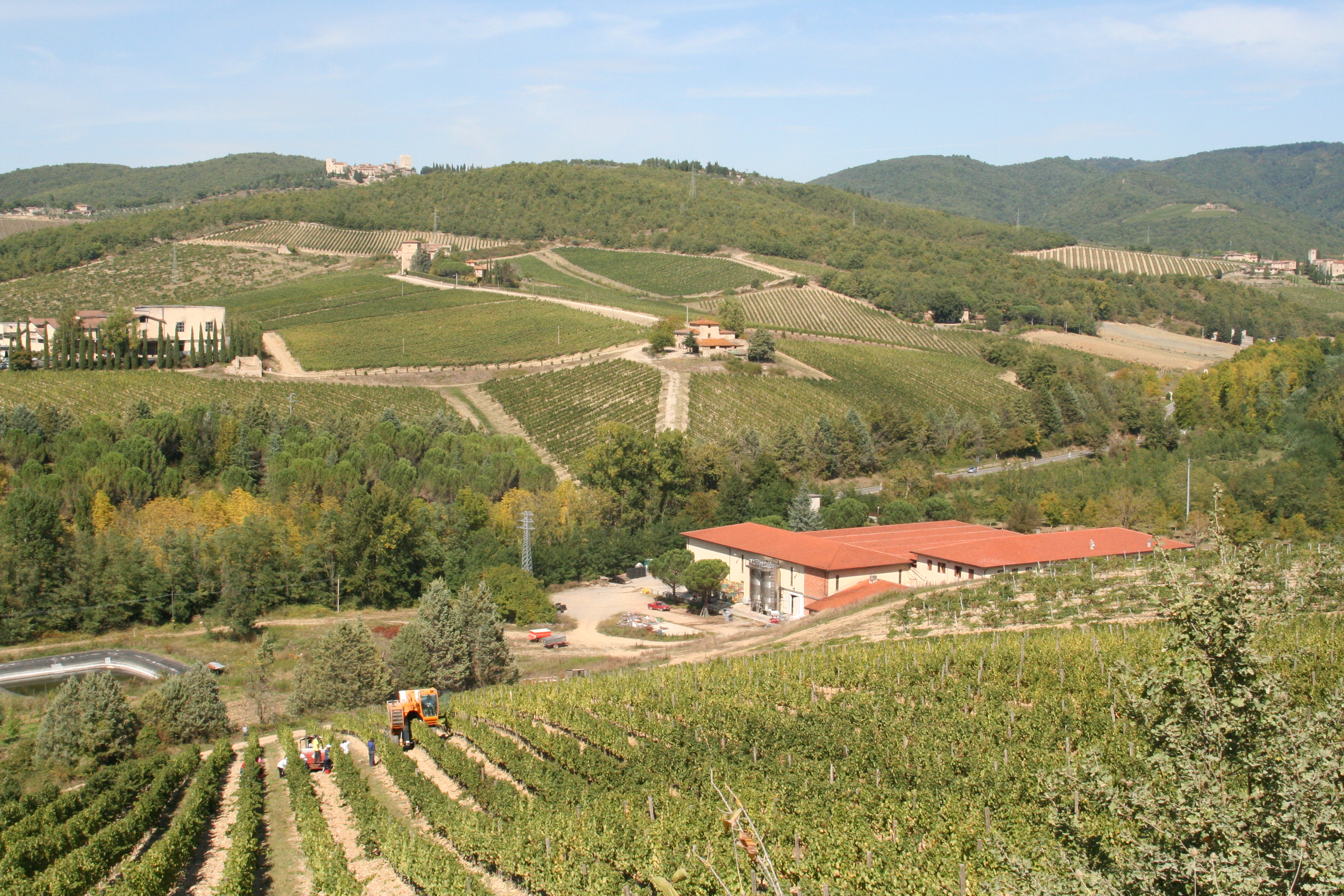
The Controlled and Guaranteed Designation of Origin (DOCG) "Chianti" is reserved for wines that meet precise conditions and requirements established in the production regulations. Originally confined to three municipalities in the province of Siena, the production area has expanded to include provinces such as Arezzo, Florence, Pisa, Pistoia, and Prato.
Currently, the Chianti area is divided into eight sub-zones, each with its own territorial specificities: Classico, Colli Aretini, Colli Fiorentini, Colli Senesi, Colline Pisane, Montalbano, Montespertoli, and Rufina. The oldest area of origin is governed by separate regulations, but compliance with these rules is also mandatory for marketing as "Chianti" without additional specifications.
What Defines the Chianti Production Regulations?
The production regulations are the cornerstone that defines the rules for the production of designation of origin wines, ensuring interested parties can verify production conditions and the coherence of the final product. For the Chianti DOCG, the regulations establish the permitted grape varietals, cultivation and winemaking practices, maximum yields per hectare, and the analytical and organoleptic characteristics of the wine.
Which Grapes are Permitted for Chianti Production?
"Chianti" wines must be primarily made from Sangiovese grapes, which must constitute at least 75% of the total. Other permitted grape varietals include Canaiolo nero (up to 10%), and Trebbiano toscano and Malvasia del Chianti (individually or combined, up to 10%). Other suitable red grape varietals can also be used, provided they do not exceed 15% for "Chianti" wines and 20% for wines referencing sub-zones and the "Superiore" designation.
What Cultivation and Oenological Practices are Foreseen?
The regulations prohibit any form of horizontal canopy cultivation (tendone) and any forcing practices, favoring methods that do not alter the peculiar characteristics of the grape and the wine. Specific winemaking practices, including any restrictions, are detailed in the regulations.
What are the Required Analytical and Organoleptic Characteristics?
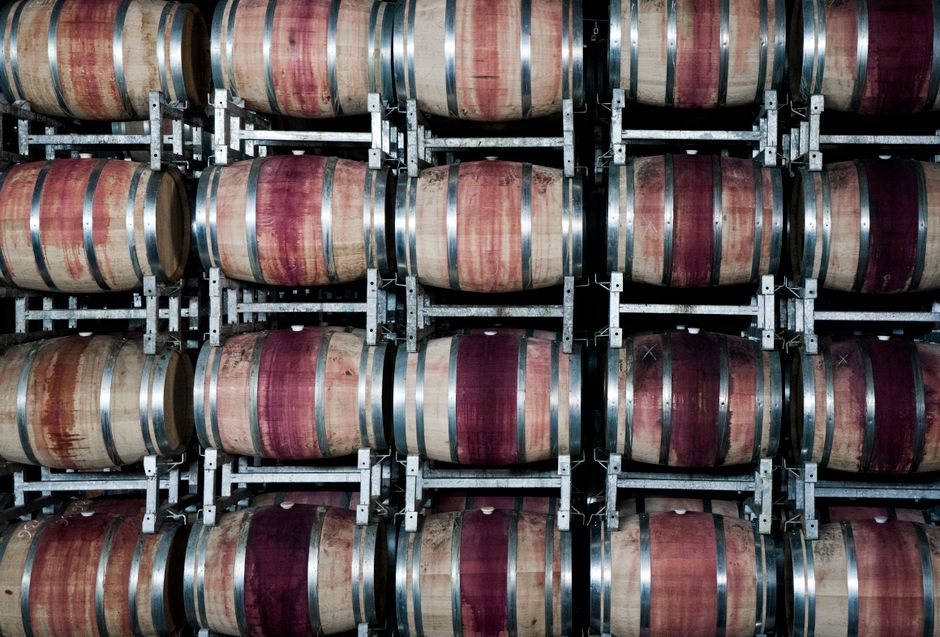
"Chianti" wines must have a minimum total alcoholic strength by volume of 12% upon release for consumption. For "Chianti" wines with reference to sub-zones aspiring to the "riserva" qualification, an aging of at least two years is required, including at least three months of bottle refinement, and a minimum total alcoholic strength by volume of 12.5%. For the "Colli Fiorentini" and "Rufina" sub-zones, the riserva requires at least six months in barrel and three in the bottle.
What Do International Buyers Look for in Chianti?
International buyers seek not only quality wine in Chianti but also an authentic expression of Italian territory and tradition. The characteristics that most attract importers include authenticity and the connection to Tuscany, consistent quality, and reliability guaranteed by adherence to the regulations, and gastronomic versatility.
They appreciate wines that tell a story, reflecting the terroir and local traditions. The possibility of obtaining the "riserva" or "Superiore" qualification indicates a commitment to excellence. Aging potential, traceability, food safety, and a good value for money are further determining factors for success in international markets.
How Does Wines Export Support Chianti Wineries in Export?
Wines Export boasts a solid network of Chianti-producing wineries within its export pool, with operations spanning various sub-zones of the denomination. Our profound knowledge of the territory and its producers allows us to identify and propose wines that not only strictly adhere to the regulations but also stand out for their character, typicity, and market potential.
We actively collaborate with our associated wineries to enhance their excellence and support them in facing export challenges, ensuring that Chianti wines reach international markets with the quality and authenticity that define them.
Frequently Asked Questions
What are the main sub-zones of the Chianti denomination?
The main sub-zones of the Chianti denomination are: Classico, Colli Aretini, Colli Fiorentini, Colli Senesi, Colline Pisane, Montalbano, Montespertoli, and Rufina.
What is the minimum percentage of Sangiovese required for a Chianti DOCG?
For a Chianti DOCG, Sangiovese must constitute at least 75% of the total grapes used.
What does the "riserva" qualification mean for a Chianti?
The "riserva" qualification for a Chianti indicates a longer aging period and, in some cases, specific refinement in barrel and/or bottle, depending on the specific sub-zone.