Valtellina Wines: Production Regulations and Interest from Foreign Markets
Wines Export Editorial · Last updated:
Valtellina, with its heroic viticulture on steep terraces and an alpine microclimate, offers wines of character with significant export potential. For Italian wineries targeting foreign markets, it is crucial to thoroughly understand the appellation, its production regulations, and the specific needs of international buyers. This article analyzes the distinctive elements of Valtellina wines, providing an essential guide for producers and foreign buyers interested in this territory of excellence. Learn more: Federdoc — National Confederation of Consortia for the Protection of Italian Wine Denominations.
How Does the Valtellina Appellation Protect Tradition and Quality?
Valtellina boasts a millennia-old history in viticulture, with practices that evolve while maintaining a strong territorial link. The DOC and DOCG appellations recognize and protect the uniqueness of these wines. The production regulations, a fundamental document, guarantee their quality, authenticity, and typicity by defining precise production rules.
The European regulatory framework considers production regulations essential for verifying the production conditions of an appellation. This includes the product name, admissible wine categories, type of geographical indication (DOP/IGP), a detailed description of analytical and organoleptic characteristics, and, where applicable, specific oenological practices and restrictions. Modifying production regulations is a regulated process that considers scientific and technical evolution and geographical delimitation.
What Do the Production Regulations for Valtellina Wines Stipulate?
The production regulations are the foundation of an appellation's credibility, establishing the rules for its name's usage. Key elements include:
- Admitted Grape Varieties: Nebbiolo, locally known as Chiavennasca, is the principal grape variety. The regulations specify the minimum and maximum percentages of this and other permitted grapes, defining the aromatic and gustatory profile.
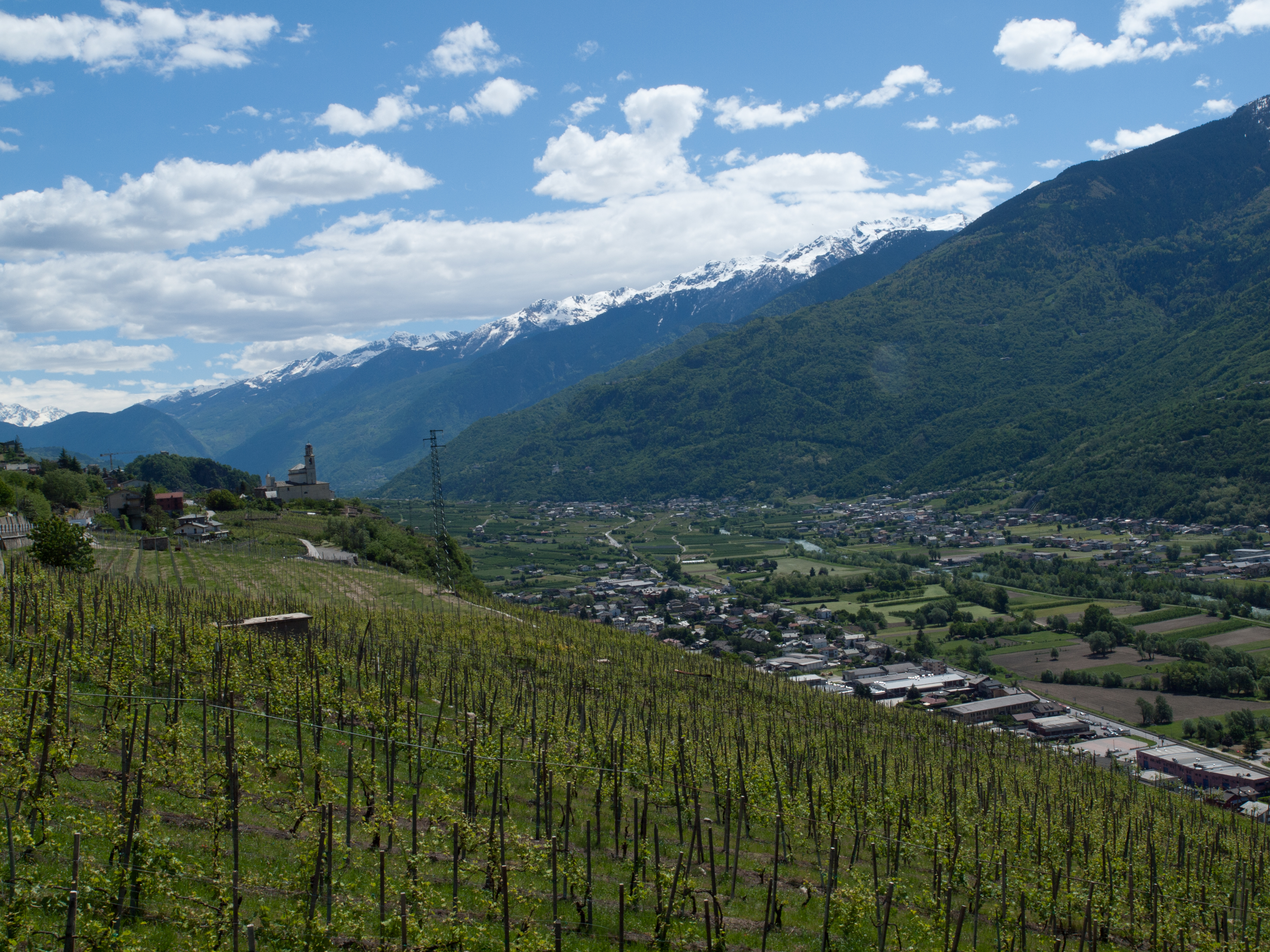
- Cultivation Areas: Geographic delimitation is crucial. Vineyards must be located within a defined area with unique pedoclimatic specificities. Valtellina's heroic viticulture, with its terraces, exemplifies how the territory influences the product.
- Viticultural Practices: Regulations can impose restrictions on yields per hectare and other cultivation techniques aimed at ensuring grape quality, such as pruning practices.
- Oenological Practices: Winemaking techniques, the use of specific yeasts, fermentation temperatures, and aging periods are regulated to preserve typical characteristics. The regulations may specify the type of containers for aging (wood, steel) and the minimum duration.
- Chemical-Physical and Organoleptic Characteristics: Minimum and maximum parameters for alcohol content, acidity, residual sugars, and sensory characteristics (color, aroma, flavor) that the wine must possess are defined.
- Labeling: Labeling rules communicate information to the consumer and ensure traceability. They may include the obligation to indicate the appellation, vintage, mentions of sub-zones, and character sizes.
Compliance with production regulations is verified by public authorities or independent certification bodies, ensuring objectivity and impartiality.
What Characteristics Do International Buyers Look for in Valtellina Wines?
International buyers seek wines with good value for money, uniqueness, and a compelling story. For Valtellina wines, these factors include:
- Territorial Uniqueness: Heroic viticulture and terraced vineyards are highly attractive elements for foreign markets, which seek wines with a distinct territorial identity. The history and tradition associated with these practices are added value.
- Nebbiolo (Chiavennasca) Grape Variety: The use of Nebbiolo, the same grape as Barolo and Barbaresco, but vinified in an alpine context, offers a unique opportunity. Buyers are interested in discovering the diverse expressions of this noble grape, appreciating elegant wines with good acidity and silky tannins, typical of Nebbiolo, but with unique nuances due to the Valtellina terroir.
- Aging Potential: Valtellina red wines, especially DOCG ones, have significant aging potential. This characteristic is highly appreciated by mature markets looking for wines to offer in their cellars or for special occasions, capable of evolving over time and developing aromatic complexity.
- Gastronomic Versatility: Thanks to their structure and acidity, Valtellina wines pair beautifully with a wide range of dishes. Their ability to complement red meats, game, aged cheeses, and mushroom-based dishes is an important selling point.
- Traceability and Certification: Transparency regarding origin and production practices is fundamental. International buyers value protected designation of origin (DOP) and protected geographical indication (IGP) labels, which guarantee adherence to strict quality standards and geographical origin. The clarity of the production regulations and their correct application are essential.
- Consistency and Reliability: Buyers seek reliable partners who guarantee a consistent supply of high-quality products. A winery's ability to maintain stylistic and qualitative consistency over time is crucial for building lasting commercial relationships.
The Wines Export Producers Pool and Valtellina
Wines Export collaborates with various Italian wineries that export their products, including those located in areas renowned for quality viticulture like Valtellina. Our international buyer network is constantly searching for Italian excellences, and Valtellina wines, with their unique history and distinctive profile, represent a highly interesting offering. Our expertise facilitates profitable and long-lasting commercial exchanges, connecting producers with foreign markets.
Conclusion: A Bridge Between Tradition and the Global Market
The Valtellina appellation, supported by rigorous production regulations, represents a winemaking heritage of great value. For wineries operating in this territory, understanding the nuances of the regulations and the expectations of international markets is the key to lasting export success. The combination of a unique terroir, noble grape varieties like Nebbiolo, and careful production practices offers Valtellina wines a prominent place in the global wine landscape. Wines Export is committed to facilitating this journey, connecting Valtellina's winemaking tradition with global demand.
Frequently Asked Questions
What are the main grape varieties permitted in Valtellina wine production regulations, and how do they influence the wine's profile?
The principal grape variety is Nebbiolo, locally known as Chiavennasca. The regulations specify the minimum and maximum percentages of this and other permitted grapes, defining the wine's aromatic and gustatory profile.
How do Valtellina's heroic viticulture and terraced vineyards add value for foreign buyers?
Heroic viticulture and terraced vineyards are highly attractive elements for foreign markets, which seek wines with a distinct territorial identity. The history and tradition associated with these practices are added value that buyers appreciate.
What characteristics make Valtellina red wines particularly interesting for mature markets and special occasions?
Valtellina red wines, especially DOCG ones, have significant aging potential. This characteristic is highly appreciated by mature markets looking for wines capable of evolving over time and developing aromatic complexity.