Valpolicella: Production Regulations and Export Characteristics
Wines Export Editorial · Last updated:
Italian wineries aiming for export find a significant market opportunity within the Valpolicella appellation. To fully harness this potential, it is essential to understand the regulations that define its uniqueness and the expectations of international buyers. This article analyzes the production regulations, containment strategies, and key factors that make Valpolicella wines appealing in foreign markets, providing a strategic guide for wine industry professionals looking to expand their global presence. Learn more: Federdoc — National Confederation of Italian Wine Denomination Protection Consortia.
What is a PDO Wine's Production Regulation?
The production regulation is the normative document that establishes the rules for creating wines with a Protected Designation of Origin (PDO) or Protected Geographical Indication (PGI). As stipulated by European legislation, this technical document ensures the authenticity and quality of the final product by defining essential elements such as the appellation's name, the wine's description, specific winemaking practices, the geographical area's boundaries, maximum yields per hectare, and the permitted grape varieties.
What are the Key Elements of a Production Regulation?
A production regulation includes several fundamental elements to ensure the integrity of an appellation. These include the specific name of the wine, a detailed description of its analytical and organoleptic characteristics, permitted or restricted winemaking practices, the precise delimitation of the production geographical area, maximum yield limits per hectare to ensure quality, and the list of permitted grape varieties. It may also include details on partially de-alcoholized wines or contributions to sustainability.
How Does the Valpolicella Production Regulation Manage Yields and Vineyards?
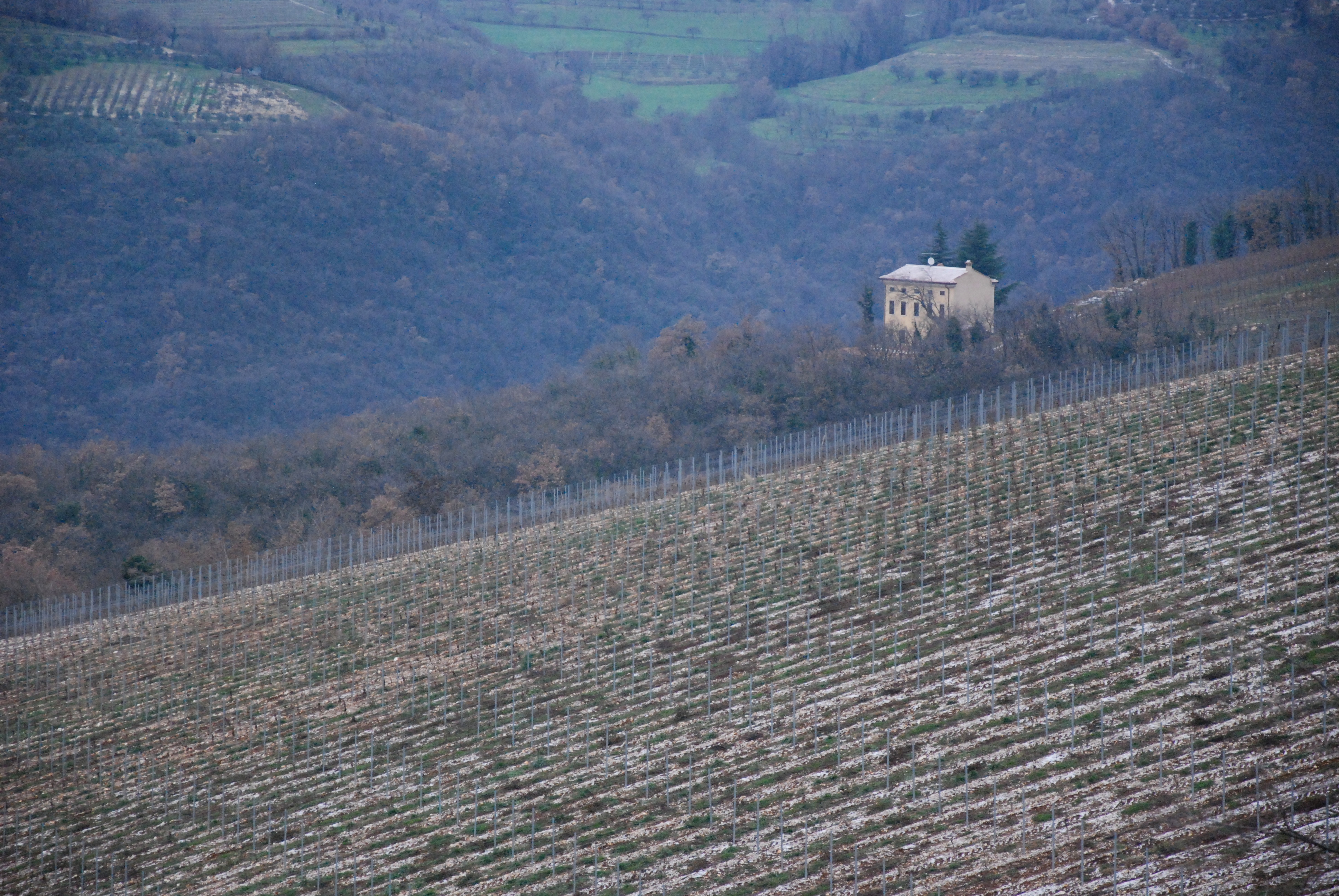
In the context of Valpolicella, the production regulation has recently been the subject of strategic proposals for the appellation's future. A reduction in the maximum yield per hectare for Valpolicella, Valpolicella Ripasso, Amarone, and Recioto wines has been proposed, dropping from 12 to 10 tons, effective from the 2025 harvest. This is coupled with a planting freeze for three consecutive vintages (from 2025 to 2028), measures aimed at maintaining the balance and profitability of the entire production chain.
Why is Valpolicella Adopting Production Containment Policies?
These production containment policies represent a pragmatic response to the challenges of the global market and the need for a strong strategic positioning for Italian wine abroad. The objective is to safeguard the appellation's growth through a cohesive and forward-thinking vision, moving beyond self-referential logic that could undermine its solidity and ensuring added value for the wines produced.
What Do International Buyers Look for in Valpolicella Wines?
International buyers, including importers and distributors, seek wines that offer clear added value, combining intrinsic quality with market potential. For Valpolicella, key factors include authenticity and the link to the territory, qualitative consistency guaranteed by adherence to the production regulation, competitive value for money that ensures profit margins, the gastronomic versatility of different wine styles, effective storytelling, and a clear brand identity, as well as a commitment to innovation and sustainability.
How Do History and Territory Influence Buyer Interest?
Buyers are increasingly drawn to wines that tell an authentic story of their territory. Valpolicella, with its millennia-old history, its indigenous grape varieties like Corvina, Corvinone, Rondinella, and Molinara, and its diverse sub-zones (Classico, Valpantena, Storica, Val d'Illasi), offers a rich heritage to enhance. The ability to communicate this connection to the territory through wine is an invaluable strength in attracting international interest.
What is the Importance of Qualitative Consistency and the Production Regulation for Buyers?
Qualitative consistency is a non-negotiable requirement for international buyers. They expect wines to rigorously adhere to the production regulation, ensuring predictable and high-level analytical and organoleptic characteristics. Transparency regarding winemaking practices and production yields is fundamental for building and maintaining market operator trust.
How Do Price Potential and Profit Margins Influence Purchasing Decisions?
While quality is paramount, economic sustainability is equally important for buyers. They carefully evaluate the value-for-money proposition of Valpolicella wines and the profit margin potential they can offer in their respective markets. Production containment policies, such as those discussed for Valpolicella, can help support prices and profitability, making the wines more attractive for investment.
Why Are Versatility and Food Pairings Important to Buyers?
The range of Valpolicella wines, from basic Valpolicella to complex Amarone and Recioto, and the iconic Ripasso, offers considerable versatility. Buyers appreciate wines that lend themselves to various food pairings and can satisfy a wide spectrum of consumer preferences, thereby expanding sales opportunities in their markets.
How Can Storytelling and Brand Identity Help Valpolicella Wines Abroad?
Strong storytelling and a clear brand identity are essential for standing out in crowded markets. Wineries that effectively communicate their history, values, and passion, integrating them with the richness of the Valpolicella appellation, are more likely to succeed in capturing the attention and loyalty of international buyers.
What is the Role of Innovation and Sustainability for International Buyers?
While tradition is a cornerstone, innovation and a focus on sustainability are increasingly in demand from buyers. They are interested in wineries that adopt sustainable agricultural and winemaking practices, invest in research and development, and are open to new interpretations of the territory, always while respecting the production regulation, demonstrating a commitment to the future.
Wines Export and the Valpolicella Territory
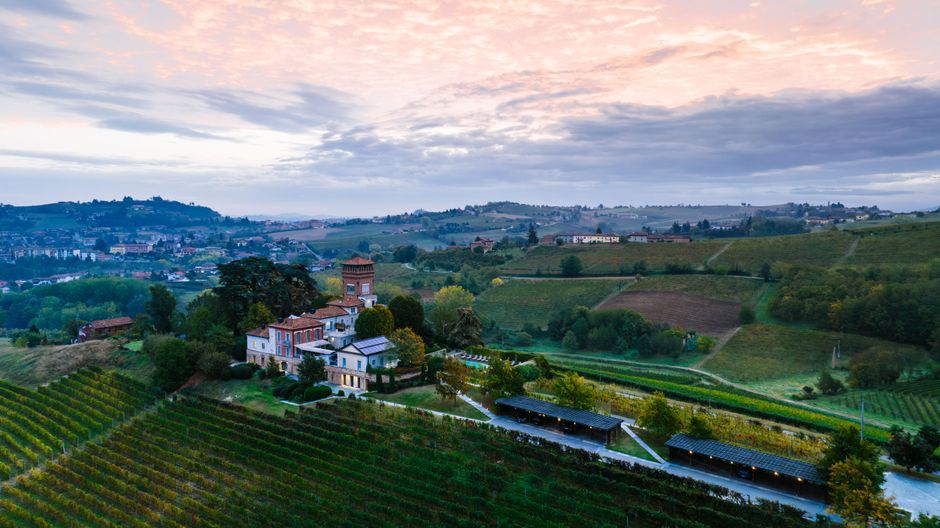
Wines Export actively works to expand its network of international buyers interested in Italian wine excellence, with a particular focus on the Valpolicella appellation. Its established reputation and the diversity of its wine styles attract the interest of many of our foreign partners. Currently, our buyer pool covers key markets in Europe, North America, and Asia, showing a growing interest in wines that offer a high-quality profile and a strong connection to the territory. The demand for detailed information on the production regulation, production yields, and organoleptic characteristics of Valpolicella wines is high, a testament to our partners' concrete interest in this appellation.
Frequently Asked Questions
What are the main grape varieties permitted in the Valpolicella appellation?
The main grape varieties permitted for the production of Valpolicella wines include Corvina, Corvinone, Rondinella, and Molinara, among others, as specified by the production regulation.
How do production containment policies affect the value of Valpolicella wines in the foreign market?
Production containment policies, such as reduced yields per hectare and planting freezes, aim to safeguard the quality and scarcity of Valpolicella wines, contributing to supporting prices and strengthening their premium positioning in international markets.
Which foreign markets are showing increasing interest in Valpolicella wines according to Wines Export?
According to Wines Export, key markets showing increasing interest in Valpolicella wines include Europe, North America, and Asia, with a particular focus on wines offering a high-quality profile and a strong connection to the territory.
The Valpolicella appellation possesses all the ingredients for lasting success in international markets: a rich history, rigorous production regulations, high-quality wines, and a unique territory. Strategic decisions, such as yield management and production containment, demonstrate a willingness to adapt and a forward-looking vision necessary to face global challenges. For Valpolicella wineries, understanding the expectations of international buyers—from territorial authenticity and qualitative consistency to economic sustainability and effective storytelling—is the key to building solid and lasting business relationships.