Valpolicella Ripasso Superiore DOC: Characteristics and Market for Exporters
Wines Export Editorial · Last updated:
Valpolicella Ripasso Superiore DOC represents an excellence in the Italian wine landscape, a wine that combines tradition and innovation, capable of conquering increasingly demanding international markets. A thorough understanding of its production regulations, its organoleptic peculiarities, and the expectations of foreign buyers is crucial for wineries aiming to expand their presence in global markets. This article explores the key aspects that define Valpolicella Ripasso Superiore, offering a comprehensive guide for producers and industry professionals. In-depth information: Federdoc — National Confederation of Italian Wine Protection Consortia.
What is a Wine Production Regulation and Why is it Important?
The production regulation is the pillar upon which the quality and uniqueness of a Protected Designation of Origin (PDO) or Protected Geographical Indication (PGI) are founded. It defines the specific production conditions, ensuring transparency and traceability for operators and consumers, as required by European legislation.
What are the Key Elements of a Production Regulation?
A regulation must include the name of the denomination, the types of wine products, the type of geographical indication (PDO or PGI), a detailed description of the analytical and organoleptic characteristics (for PDOs) or an assessment of them (for PGIs), and any specific oenological practices with their respective restrictions. Compliance is supervised by accredited bodies.
How is the Valpolicella Regulation Adapting to Market Challenges?
The Valpolicella denomination, including Ripasso Superiore, recently proposed a reduction in the maximum grape yield per hectare to ten tons for Valpolicella, Valpolicella Ripasso, Amarone, and Recioto wines, starting from the 2025 harvest. This, combined with a planting freeze for three vintages, aims to maintain the balance and profitability of the supply chain in a changing global context.
What are the Distinctive Characteristics of Valpolicella Ripasso Superiore?
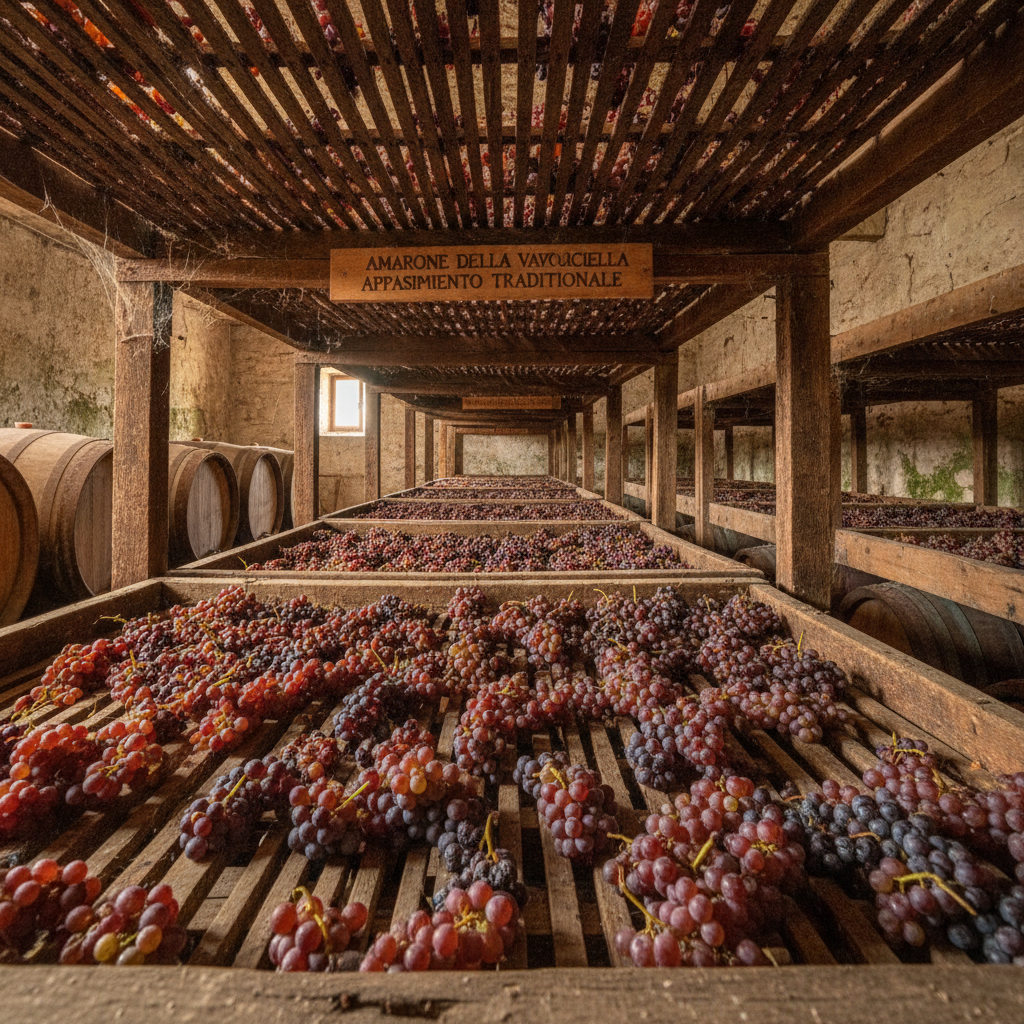
Valpolicella Ripasso Superiore DOC is distinguished by its unique production process: the base wine is refermented on the skins of Amarone or Recioto. This process imbues the wine with greater complexity, depth, color, aromas, and structure compared to a base Valpolicella.
What is the Typical Organoleptic Profile of this Wine?
Generally, it presents an intense ruby red color, with garnet hues as it ages. On the nose, notes of ripe red fruit (cherry, plum), spicy hints, floral notes (violet), and sometimes toasted or licorice notes emerge. On the palate, it offers a full body, good structure, elegant tannins, and a persistent finish.
What Grapes Are Traditionally Used?
The traditionally employed grapes are Corvina Veronese, Corvinone, Rondinella, and Molinara. Their combination, though with variable proportions, is fundamental in defining the aromatic and structural profile of the wine.
What Do Foreign Buyers Look for in Valpolicella Ripasso Superiore?
International buyers seek wines with an excellent quality-price ratio, a clear identity, and a compelling story. For Valpolicella Ripasso Superiore, they appreciate authenticity, the expression of the territory, and indigenous grapes.
Why are Authenticity and Terroir Important to Buyers?
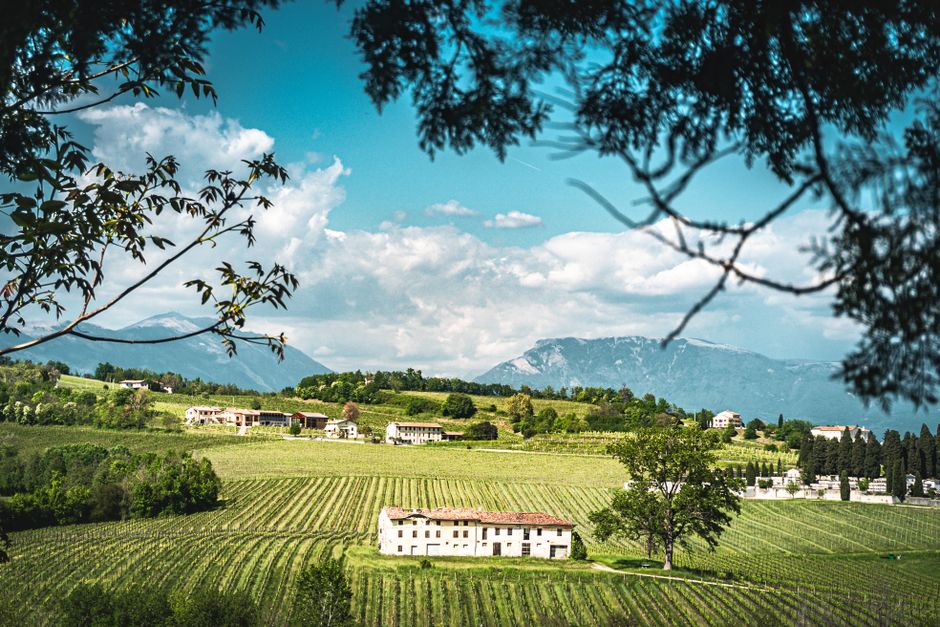
Foreign markets are increasingly interested in product authenticity and the expression of the territory. Valpolicella Ripasso Superiore, with its history tied to Valpolicella and the Ripasso technique, offers a strong and distinctive narrative that reflects its origin's terroir.
How Important are Consistent Quality and Adherence to Regulations?
Qualitative consistency is critical. Buyers rely on regulations as a guarantee of high standards. A winery's ability to consistently produce a wine that meets regulatory requirements is fundamental to building trust and long-term relationships.
What is the Role of Gastronomic Versatility and Aging Potential?
A versatile wine, which pairs easily with various dishes (red meats, game, aged cheeses), is an advantage. Valpolicella Ripasso Superiore, thanks to its structure, is appreciated for this. The higher quality versions, defined as "Superiore," also possess good aging potential, which is valued in markets with a developed wine culture.
Frequently Asked Questions
What is the main difference between Valpolicella Ripasso and Amarone?
Valpolicella Ripasso Superiore is produced by refermenting the base wine on the skins of Amarone or Recioto, giving it more structure and complexity. Amarone, on the other hand, is produced from dried grapes, resulting in a more concentrated, alcoholic wine with superior aging potential.
Which foreign markets are most interested in Valpolicella Ripasso Superiore?
The original text does not specify particular foreign markets but indicates that international buyers are looking for wines that offer authenticity, consistent quality, and good value for money, suggesting widespread interest in markets that value these characteristics.
What are the European regulations governing wine production regulations?
European regulations governing production regulations include Regulation (EC) No 479/2008 and Regulation (EU) No 1151/2012, which define the essential elements that a regulation must contain to ensure transparency and traceability.
To discover how Wines Export can support your winery in exporting your Valpolicella Ripasso Superiore, Request a personalized demo.