Travel retail: airport duty free, airlines and cruise ships as buyers of Italian wine
Wines Export Editorial · Last updated:
Selling Italian wine through the travel retail channel means dealing with a small number of multinational groups that run airport duty free shops, airline procurement and supplies for cruise fleets. Unlike traditional distribution, this segment operates under duty and excise suspension, requires formats suited to transport or onboard service, and selects suppliers through periodic tenders on a fixed calendar. To enter the range, your winery must guarantee continuous stock availability, a price structure that absorbs the promotional costs of airports and ports, and rigorous management of shipments to bonded warehouses and embarkation ports.
What travel retail is and who controls it
According to the definition of the European Travel Retail Confederation (ETRC), the travel retail and duty free channel is a market distinct from domestic trade, with access reserved exclusively for passengers in transit holding a boarding pass. In Europe, this segment reached total sales of 10.13 billion euros in 2025, a growth of 5.5% compared with the previous year according to the official ETRC index data.
The structural feature of the sector is the high concentration of purchasing. Commercial concessions at international airports, on ferries and in port terminals are not run by individual independent retailers, but by a few large global operators. These concessionaires centralise purchasing decisions in head offices often located in Switzerland, the United Kingdom, Germany or the United Arab Emirates. A single buyer for the wine and spirits category decides the range for dozens of locations across several continents.
Similarly, the maritime and air sectors rely on central purchasing offices or distributors specialised in onboard supplies (ship chandlers for vessels and international caterers for aviation). When you propose your wine to these counterparts, you are not negotiating distribution in a single city, but entry into a closed catalogue where every reference must justify, financially, the shelf space it occupies or the weight it adds in the hold.
| Sub-channel | Who buys (counterpart) | Selection method | Prevalent formats | Intended use |
|---|---|---|---|---|
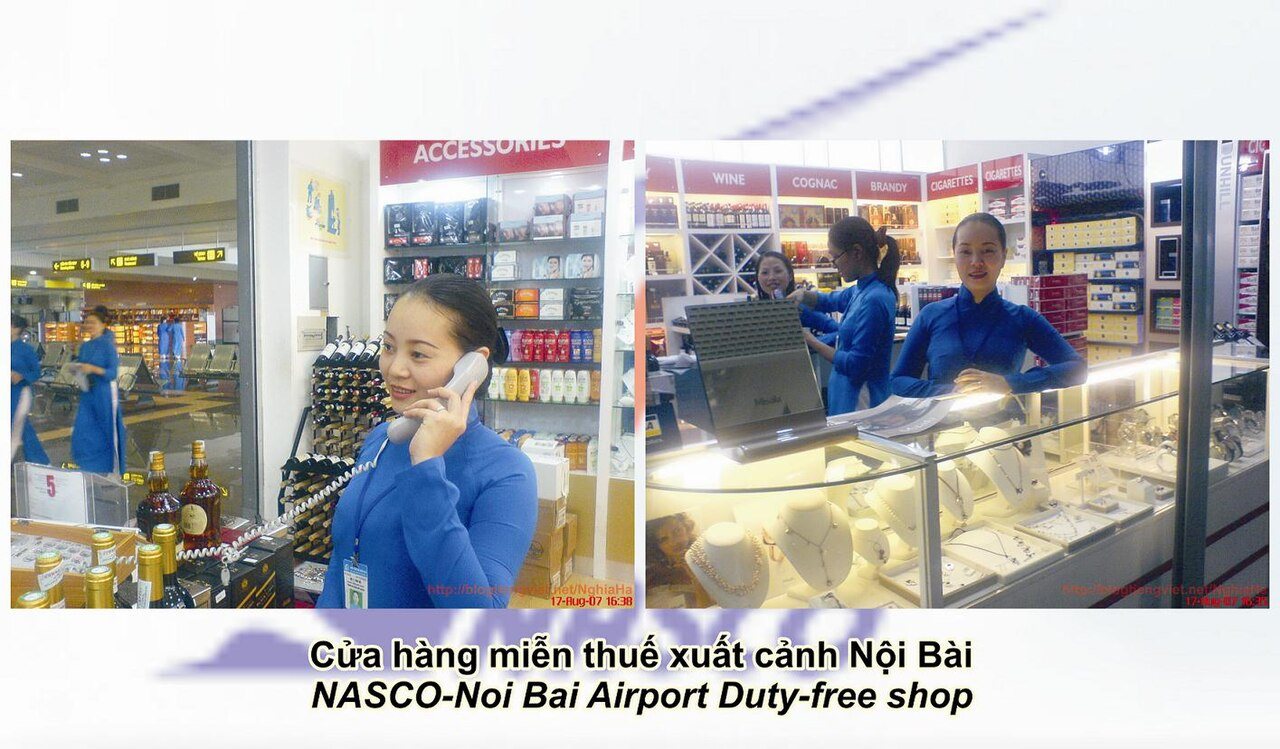
| Airport duty free | Category managers of global concession groups | Annual category reviews and promotional agreements | Standard bottle, gift boxes, large formats | Purchase as a gift, for collecting or for consumption at destination |
| Airlines (in-flight) | Airline purchasing offices or in-flight catering company | Tenders with fixed deadlines and blind tasting | Standard bottle (Business/First), smaller and lighter formats (Economy) | Served by the glass on board and in airport lounges |
| Cruise ships | Food & Beverage supply offices of the fleet | Multi-year tenders for by-the-glass wines; direct purchases for the wine lists | Standard bottle, draught kegs, large formats for events | Onboard dining, deck bars, beverage packages, onboard shops |
| Ferries and shipping lines | Purchasing managers of the shipping company | Seasonal or annual direct negotiation | Standard bottle, multi-bottle transport packs | Sale in onboard shops and consumption in the ship's restaurants |
Airport duty free: how they buy
In airport shops, wine shares display space with spirits, which have historically generated very high margins per square metre. For this reason, the category managers of concession groups do not look for vast catalogues, but for a restricted selection of Italian appellations immediately recognisable to international travellers: structured aged reds, sparkling wines for celebratory occasions, and wines associated with territories with strong tourist appeal.
The listing process follows logic very close to that explained in the guide on how to enter foreign supermarket chains (GDO) with Italian wine, but with even greater pressure on rotation per point of sale. Buyers require:
- Channel exclusivity (Travel Retail Exclusive): to prevent travellers from comparing on their smartphone the price of a bottle at the airport with that of the wine shop or supermarket at home, many operators ask for dedicated labels, reserve selections, specific vintages or gift packaging in metal or wood that is not available in the domestic market.
- Sales support and promotional space: getting onto the shelf is rarely enough. Supply contracts provide for contributions towards off-shelf displays (gondola ends), tasting campaigns run by trained staff (brand ambassadors in the secure area) and discounts linked to buying multiple bottles.
- Prices aligned to psychological price points: the price list is built backwards from the final retail price at the airport. When defining the price calculation for wine export, you must consider that airport concessionaires bear very high rental fees paid to airport management companies (Minimum Annual Guarantee) and therefore require gross margins higher than those of a traditional importer.
Airlines: wines on board
Airlines do not sell wine for take-away (except for rare on-board sales catalogues), but purchase it as an integral part of the service offered to passengers, both in flight and in ground lounges. Purchases are clearly divided by travel class.
For Economy class, the decisive parameters are cost per unit, the lightness of the container and the practicality of storage in service trolleys. Here, smaller formats, lightweight glass bottles or unbreakable alternative materials, and screw caps (stelvin) find their place, allowing flight attendants to serve quickly without using a corkscrew. Your company can compete in this segment only if it has dedicated bottling lines and production volumes typical of the B2B model of cooperative wineries and large bottlers.
For Business and First Class, the airline instead uses the wine list as a tool of prestige and marketing. Selections take place through formal tenders. The airline publishes the technical and price requirements for each category (for example, an Italian DOP red aged in wood within a specified ex-cellar price range); companies send samples, which are tasted blind by a panel of consultants and Masters of Wine appointed by the carrier.
At altitude, due to cabin pressurisation and low humidity, the perception of tannins and acidity is accentuated, while aromas are muted. Airline selectors reject wines with unripe tannins or marked harshness, favouring soft, fruity labels that are ready to drink straight away. If you win a Business Class tender, the airline will ask you to reserve the entire lot needed for the planned rotation (often three to six months), with deliveries split across the warehouses of its airline catering supplier.
Cruises: volumes and tenders
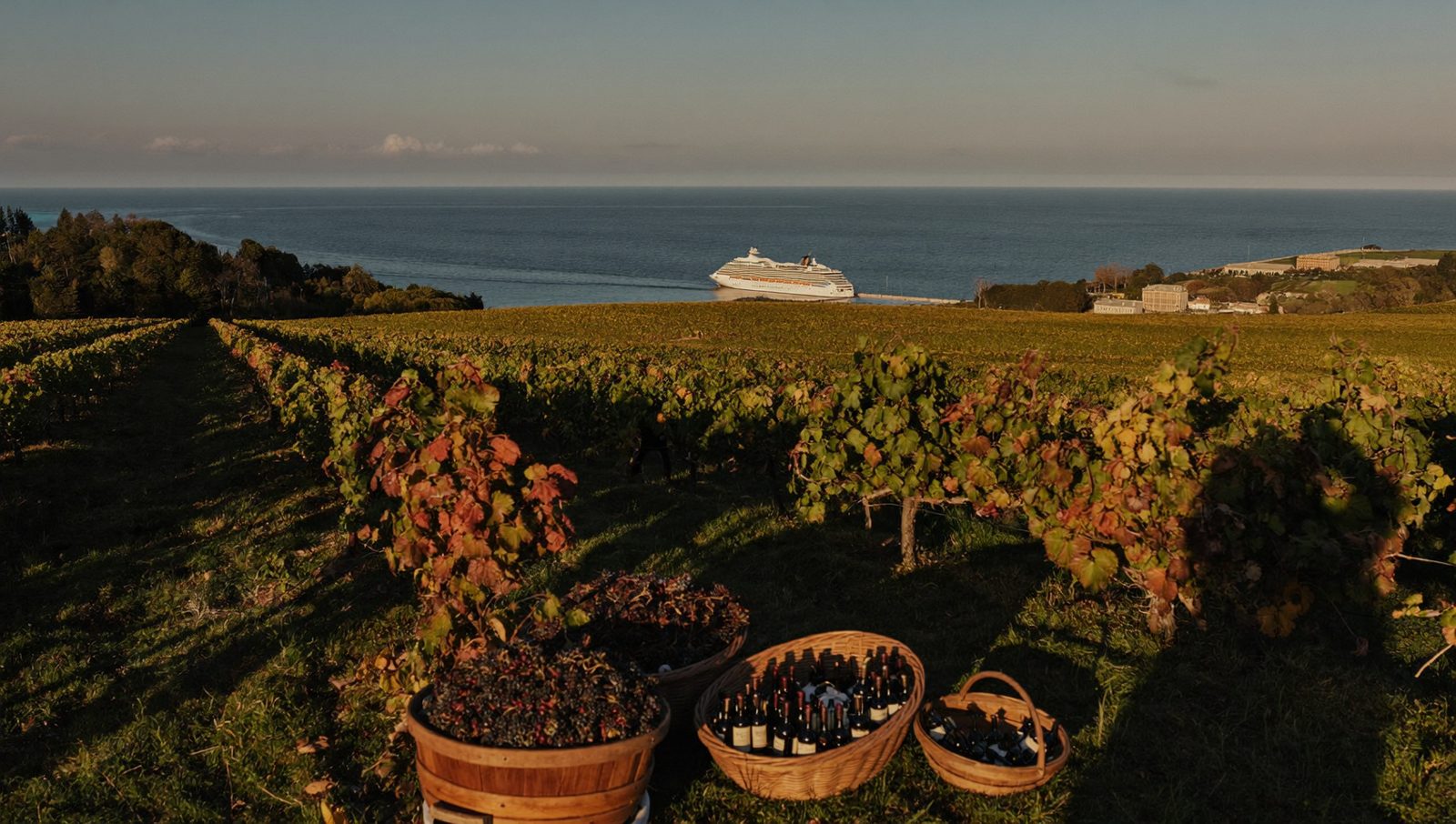
Cruise lines are among the major volume buyers of wine in the world. A single ship hosts thousands of passengers for one or more weeks, with dozens of points of consumption active at the same time: from the main restaurant included in the fare, to themed restaurants charged separately (often dedicated to Italian cuisine), up to the wine bars and the onboard duty free shops.
The fleet purchasing offices (often based in maritime hubs such as Miami, Genoa, Hamburg or Southampton) divide their requirements into three distinct tiers:
- Wines for beverage packages and by-the-glass service: these are the core of the volumes. The passenger buys an all-inclusive package and drinks wine by the glass throughout the voyage. Here the price per bottle must be highly competitive and supply cannot suffer interruptions: if a wine is printed on the menus across the whole fleet, it must be available at refuelling ports in Europe, the Caribbean and Asia.
- Wine lists for speciality restaurants: this is where medium-sized wineries with classic appellations come in (Barolo, Brunello di Montalcino, Amarone, Chianti Classico, Franciacorta, Prosecco Superiore, Etna, Bolgheri). Volumes per individual label are more contained, margins for the producer are higher and selection rewards territorial recognisability.
- Special formats and onboard events: during gala evenings or onboard auctions, ships offer Magnum and Double Magnum formats, which make a striking visual impact in the ship's restaurants.
To serve cruise fleets, having wine ready in the cellar is not enough: you must be able to deliver it to the maritime logistics intermediary (ship chandler) at the port, within the exact time window in which the ship docks for a few hours between one cruise and the next. A delay in delivery to the port means losing the ship and leaving the fleet without supply for the entire crossing.
Duty-free logistics and documents
From a customs and tax point of view, supplies destined for duty free shops (for travellers heading outside the European Union) and onboard supplies for aircraft and ships on international routes benefit from the regime of exemption or suspension of customs duties and excise.
The goods are not released for consumption in the country where the airport or port is located, but travel between authorised tax warehouses until they are embarked or sold to the departing passenger. As established by European directives and regulated in Italy by the Agenzia delle Dogane e dei Monopoli (ADM, Italian Customs and Monopolies Agency), the transfer of wine from your cellar to the bonded warehouse of the airport operator or the port ship chandler must take place under suspension regime through the electronic e-AD procedure. You can explore all operational steps in the dedicated page on the EMCS system, tax warehouses and accompanying documents.
In everyday practice, this entails three administrative and logistical requirements for your export office:
- Excise code and guarantee: your tax warehouse must be authorised to issue the electronic administrative document (e-AD) to the excise code of the consignee warehouse located in the airport hub or the port free zone.
- Closing of the documents: for onboard supplies destined for ships and aircraft, the tax operation is closed with the embarkation certificate recorded by the customs authorities of the port or airport. It is essential that the appointed freight forwarder carefully manages the return of the electronic receipt and export notifications, so as to release your excise guarantee.
- Palletisation and carton labelling: airport logistics hubs and port warehouses apply very strict security checks. Pallets must comply with mandatory maximum heights, be wrapped with intact shrink film, and carry on every carton the logistics barcodes, the purchase order number (Purchase Order) and, in the case of cruises, the exact name of the ship for which the lot is intended.
Which wineries it makes sense for
The travel retail channel is not suited to those looking for immediate cash on small, unplanned lots. The time between the first meeting (often during specialised trade fairs such as the TFWA events in Cannes and Singapore), sending samples for the tender, the award and the first actual order can exceed nine or twelve months.
However, for a structured Italian winery producing between 500,000 and 2 million bottles, this channel offers three concrete advantages that outweigh the bureaucratic complexity:
- Creditworthiness of buyers: you deal with multinationals listed on the stock exchange, flag carriers or large shipowners, often intermediated by specialised distributors with a solid credit profile.
- No cannibalisation of domestic markets: wine drunk at ten thousand metres of altitude, served in the middle of the ocean on a cruise ship or bought in an intercontinental duty free does not conflict with the territorial exclusivities you have granted to your traditional importers in individual countries.
- High-traffic international showcases: having your label served in a airline's Business Class or displayed in the shop of an international hub exposes your brand to tens of thousands of high-spending consumers, who often then look for that same wine once back in their country of residence.
The right approach for a medium-sized winery is not to aim at tenders based on the lowest price, but to offer its flagship appellations for the onboard restaurant wine lists of cruise ships, for airline Business classes and for the spaces dedicated to gift wines in duty free shops, relying on distributors and ship chandlers already accredited with central purchasing offices.
Frequently asked questions
How do I get in touch with buyers from cruise lines and duty free operators?
Contacts usually come through two main channels: taking part in trade fairs dedicated exclusively to the segment (such as the exhibitions organised by TFWA for duty free or the events of the Cruise Lines International Association for cruising), or through importers and specialised ship chandlers who already hold the logistics supply contracts with individual fleets and airport concessionaires.
If I sell my wine to a duty free shop or a ship, do I breach my national importer's exclusivity?
As a rule, no, provided that the contract with your national importer is drafted correctly. In international distribution agreements, it is good practice to include a clause that expressly excludes the Travel Retail, Duty Free, Airlines & Cruise Lines channel from the scope of the domestic territorial exclusivity, treating it as a separate commercial jurisdiction.
Do airlines buy wines directly from wineries or do they use intermediaries?
Airlines select wines directly through their own purchasing offices and oenological consultants during annual tenders, but they rarely manage the import and customs clearance themselves from dozens of different wineries. Once your wine is chosen, you will be asked to invoice and deliver the goods to their logistics partner or to the airline catering company appointed for that specific hub.
Which bottle formats are most requested in the travel retail channel?
In addition to the standard 0.75-litre bottle, airport duty free shops request single or double gift boxes and 1.5-litre Magnum formats for international customers. Airlines use the 0.75-litre bottle for by-the-glass service in Business and First Class, while they require 0.187-litre quarter bottles (often in lightweight materials) for Economy class.
Sources
- European Travel Retail Confederation (ETRC) — Market data and sales index in Europe
- Agenzia delle Dogane e dei Monopoli (ADM) — Customs regulations, bonded warehouses and onboard supplies
- Agenzia ICE — Promotion abroad and information on international markets
- Unione Italiana Vini (UIV) — Association of Italian wine companies
- Wine fairs USA 2026: Vinitaly.USA New York, how to use it
- Restaurant wine markups abroad: coefficients by country
- Vinitaly foreign buyers: how to prepare B2B meetings
- Private label wine export: how it works and what buyers ask
- Wine Agents and Brokers Abroad: How They Work and Are Paid
- Organic wine importers abroad: who buys and what they ask