Exporting Wine from Catania: Strategies and Opportunities for Wineries
Wines Export Editorial · Last updated:
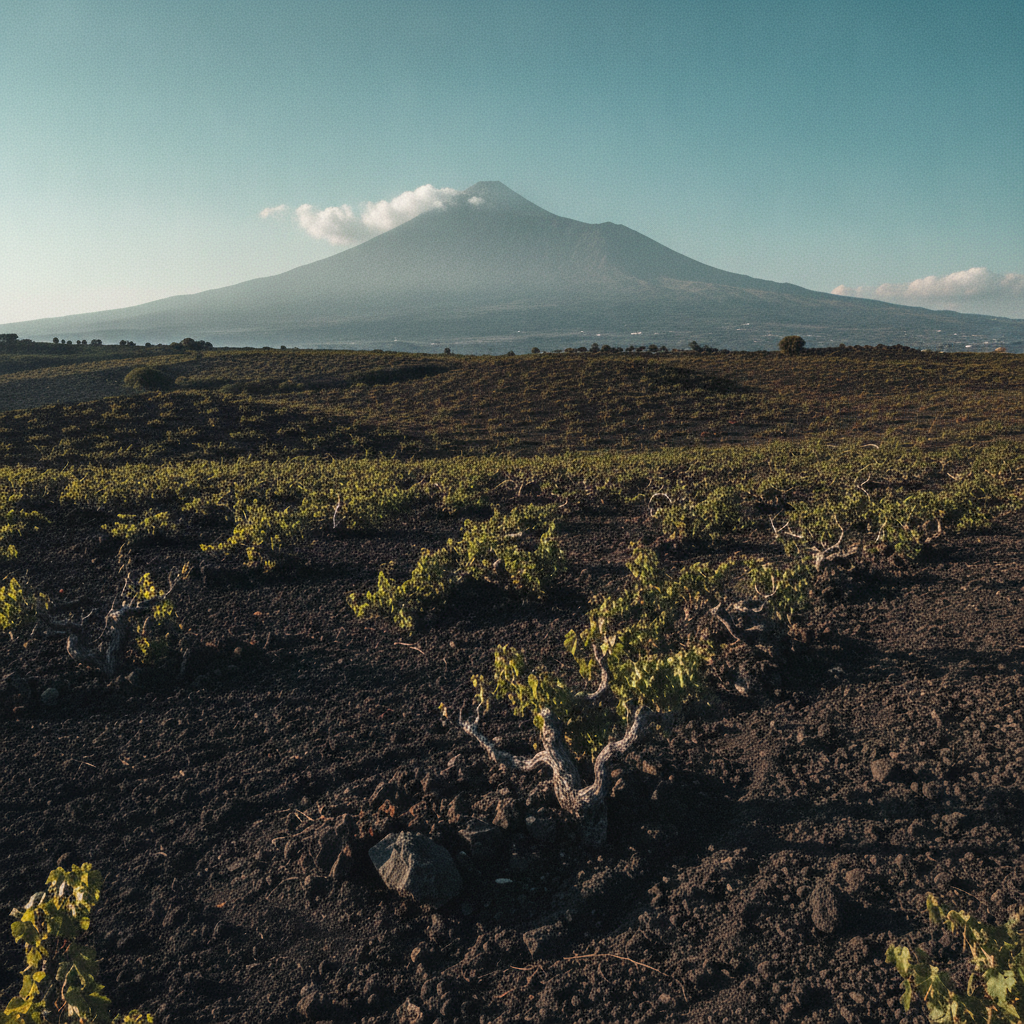
The province of Catania, with its rich winemaking tradition tied to unique terroirs like Etna, offers wineries an opportunity for international market expansion. Exporting wine demands a thorough understanding of global commercial, regulatory, and logistical dynamics. This strategic guide is designed for wineries in Catania, providing the necessary tools to successfully navigate the export market, enhancing the authenticity and territorial identity that make their wines unique and sought after worldwide. Learn more: Federdoc — National Confederation of Italian Wine Protection Consortia.
Why is Catanese Wine Attractive to Foreign Buyers?
The winemaking heritage of the province of Catania, ranging from the mineral wines of Etna DOC to full-bodied reds from inland areas and aromatic coastal whites, offers a globally appreciated diversity. Authenticity, a strong connection to the land, especially Mount Etna, and recognized quality are key elements that attract international importers and distributors seeking products with a compelling story and a distinctive identity.
What Characteristics Do International Buyers Look for in Italian Wine?
Foreign buyers seek products with excellent value for money, a strong territorial identity, and a convincing narrative. For wineries in Catania, these aspects are intrinsic: the uniqueness of Etna, quality certified by competitions and guides, the variety of indigenous and international grape varietals, and professionalism in logistical and documentary management are decisive factors in gaining the trust of global markets.
How Is the Wine Export Process Structured?
Embarking on the export journey requires a structured approach, from the initial negotiation to final delivery. Each phase, from buyer qualification to documentary and logistical management, presents operational and regulatory specificities that must be carefully considered to ensure the success of international commercial transactions.
How Do You Qualify a Potential Foreign Buyer?
Before negotiating, it is crucial to verify the commercial partner's reliability. This includes checking their business registration in the destination country, whether they possess licenses for importing alcoholic beverages, and obtaining bank or commercial references. A preliminary credit risk analysis, supported by credit check services or credit insurance, is essential for preventing insolvency issues.
What Information Does a Proforma Invoice Contain?
The proforma invoice, sent after qualifying the buyer, serves as the basis for negotiation. It details the accurate description of the products (appellation, vintage, format), the Minimum Order Quantity (MOQ), the agreed unit price and currency, and the delivery term according to Incoterms (e.g., FCA, FOB, CIF). This document is the starting point for defining the final contractual terms.
What Are the Essential Documents for International Wine Shipments?
Every international shipment requires documents to prove the transport contract, facilitate customs clearance, and certify product conformity. Among the most common are the Commercial Invoice (with description, value, Incoterm, and HS code), the Packing List (details on packaging), the Certificate of Origin (attests the country of production), and the Insurance Policy/Certificate (if foreseen or chosen).
What Payment Instruments Are Available for Wine Exports?
The choice of payment instrument balances the winery's security with convenience for the buyer. Options include Advance Payment, Bank Transfer, Documentary Letter of Credit (DLC), which offers high security but involves costs and requires meticulous documentary preparation, and Documentary Collection, with a lower degree of bank guarantee.
What Are the Specific Requirements for Exporting Wine?
Each country imposes specific regulations on labeling and wine importation. Ignoring these details can lead to delays, fines, or goods being held at customs, making prior verification indispensable.
What Must Wine Labeling for Export Include?
Labeling regulations vary significantly across markets. For instance, in the United States, the TTB requires specific information on alcohol content and volumes, as well as any health warnings. Other markets may require additional information in the local language, extended nutritional details, or specific health advisories. It is essential to verify these requirements before committing to product availability.
What Customs and Tax Regulations Apply to Wine Exports?
To operate within the EU and for import/export operations, obtaining an EORI number is often necessary. Each country will apply import duties and taxes based on the product's customs classification (HS code) and the declared value on the invoice. Knowledge of these regulations is crucial to avoid complications at customs.

What Strategies Can Catania Wineries Adopt for Export?
For wineries in the province of Catania, a targeted strategic approach can maximize their chances of success in international markets by leveraging their unique excellences.
How Do You Define the Ideal Target Market?
It is advisable to start with markets that present fewer barriers to entry, have a strong demand for Italian wines, or established distribution channels. Countries like Germany, the United States, Canada, and the United Kingdom are often interesting starting points, but specific research for each market is essential to identify the most promising opportunities.
What Marketing Materials Need to Be Prepared?
All promotional materials, from wine technical sheets to price lists and company presentations, should be available in English and, if possible, in other languages relevant to the target market. Clarity, professionalism, and consistency of the material are fundamental for making a good first impression on potential foreign buyers.
How Do You Build Solid Business Relationships in the Wine Sector?
Wine export is built on trust and relationships. Participating in international industry fairs, establishing direct contact with importers and distributors, and maintaining constant and transparent communication are essential steps for building lasting and successful long-term partnerships.
What Support Channels Can Assist Wineries in Exporting?
Numerous entities and services are available to support wineries. The Italian Trade Agency (ICE) offers detailed country-specific guides and specific assistance. Logistic and commercial platforms dedicated to Italian wine can act as aggregators, facilitating access to an initial importer, especially for smaller wineries.
Conclusion: Catania is Ready to Conquer the World
Wineries in the province of Catania possess the intrinsic qualities – unique terroir, indigenous grape varietals, passion, and tradition – to conquer international markets. Approaching export with a clear strategy, solid documentary and logistical preparation, and a deep understanding of the target markets will allow potential to be transformed into concrete success. Collaboration with expert partners and utilizing available support tools are valuable allies in this journey.
For wineries looking to explore export opportunities and receive personalized consulting on international markets, Wines Export offers a dedicated service.
Frequently Asked Questions
What are the main factors that make wines from Catania attractive to international buyers?
Wines from Catania are appreciated abroad for their diversity, ranging from the mineral wines of Etna DOC to full-bodied reds and aromatic whites. Authenticity, a strong connection to the land, particularly Mount Etna, and recognized quality are key elements that attract international importers and distributors.
What documents are indispensable to ensure a smooth international wine shipment?
Several essential documents are required for every international wine shipment. These include the Commercial Invoice, Packing List, Certificate of Origin, and Insurance Policy/Certificate, which serve to prove the transport contract, facilitate customs clearance, and certify product conformity.
What are the main considerations for defining the ideal target market for wine exports from Catania?
To define the ideal target market, it is advisable to start with markets that present fewer barriers to entry, have a strong demand for Italian wines, or established distribution channels. Countries like Germany, the United States, Canada, and the United Kingdom are often interesting starting points, but specific research for each market is essential.