Chieti Wines: How to Reach Foreign Markets for Your Wineries
Wines Export Editorial · Last updated:
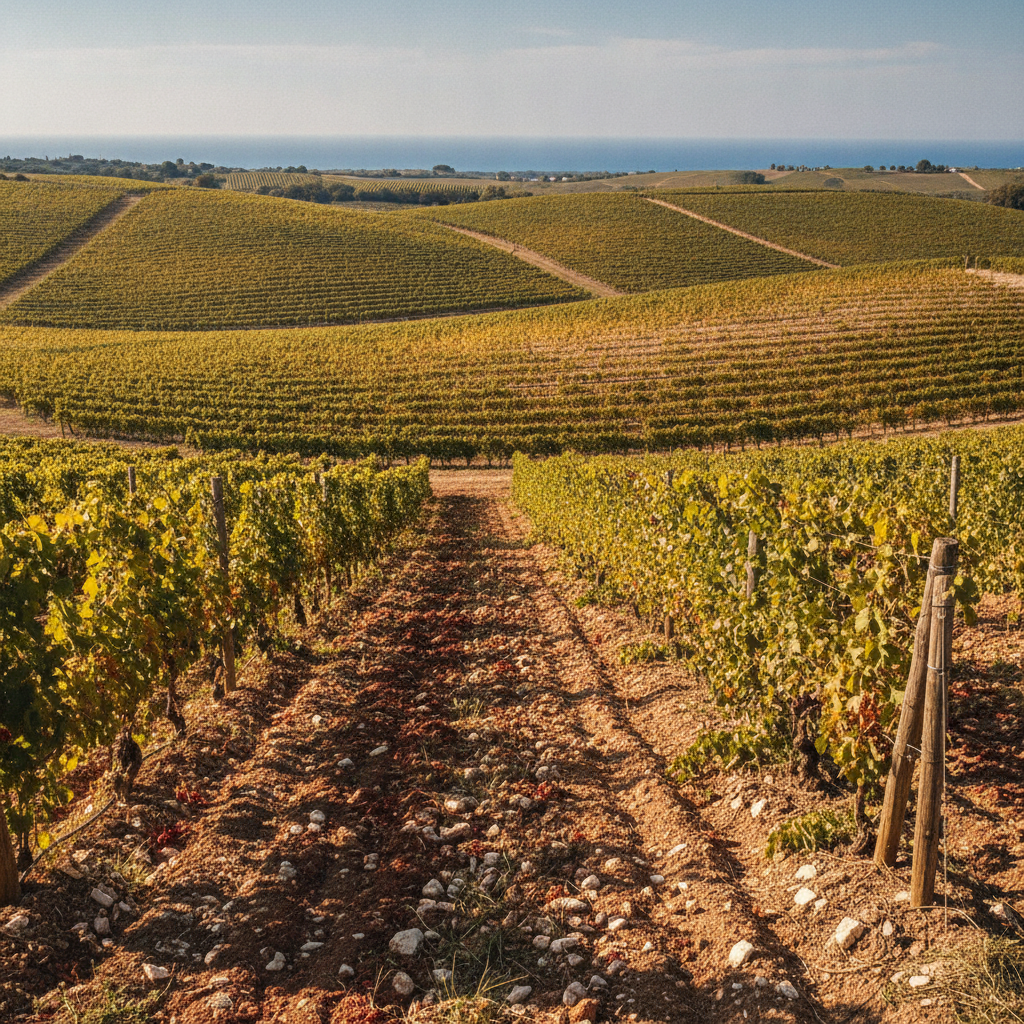
The province of Chieti offers an exceptional terroir for the production of high-quality wines, with significant export potential. Its sun-kissed hills, influenced by sea breezes, give rise to wines that embody Abruzzo's authenticity and tradition. For Chieti wineries aiming for international markets, understanding territorial specificities and export dynamics is crucial to capture the global demand for distinctive wines. This article guides wineries and importers through the unique characteristics of Chieti wines, operational strategies for export, and market opportunities. In-depth insight: Federdoc — National Confederation of Italian Wine Denomination Protection Consortia.
What Are the Indigenous and International Grape Varieties Characterizing Chieti Wines?
The province of Chieti boasts a rich ampelographic heritage, with indigenous grape varieties such as Montepulciano d'Abruzzo, Trebbiano Abruzzese, Passerina, and Cococciola, which best express the local terroir. Alongside these, international varieties like Sangiovese, Merlot, Cabernet Sauvignon, Chardonnay, and Pinot Bianco find their place, enriching the offering.
What Are the Main Designations and IGTs of the Province of Chieti?
The most representative designations include DOC Montepulciano d'Abruzzo and DOC Trebbiano d'Abruzzo. Furthermore, the IGT Colline Teatine and Valle Peligna encompass a wide range of territorial expressions, offering diverse facets of the wines produced in the province.
How Many Wineries from the Province of Chieti Are Currently in the Wines Export Pool?
Wines Export has selected several wineries from the province of Chieti for its pool, representing a significant sample of the local oenological diversity. These entities range from historic producers to emerging ones, all united by a strong territorial connection and an export-oriented vision, testifying to the readiness of Chieti's production fabric to face foreign markets.
How Does the Qualification Process for a Foreign Buyer for Wine Export Work?
Before initiating negotiations, it is essential to verify the reliability of potential importers. This includes checking their business registration, licenses for alcohol imports, bank or trade references, and import history. Careful qualification, including via credit check services, is essential to mitigate insolvency risk and ensure solid business relationships.
What Documents Are Necessary for International Wine Shipments?
Every international wine shipment requires essential documents for customs clearance. Among the most common are the Commercial Invoice (with product description, quantity, value, Incoterm, and HS code), Packing List (details on package contents), Insurance Policy/Certificate (if required by Incoterm), and Certificate of Origin (attests to Italian provenance). The exact list varies by market.
What Are the Labeling Requirements for Wine Exports?
Labeling must comply with the regulations of the importing country, including linguistic requirements, mandatory information (alcohol content, sulfites, allergens), and sometimes "health warnings" or conformity marks. For example, for Belgium, nutritional labeling and a statement on sulfites/allergens are required. For Hong Kong, label translation is not mandatory for wines with an alcohol content above 10%, but it is advisable for commercial reasons.
What Are the Main Market Opportunities for Chieti Wines?
Chieti wineries can expand their presence in various international markets. European markets (Germany, UK, Switzerland, Scandinavia) are well-established. North America (USA, Canada) offers opportunities for indigenous grape varieties. Asia (China, Hong Kong) and emerging markets like Brazil, Ecuador, Poland, and the Czech Republic show growing interest in quality Italian wines.
What Promotional Materials Are Recommended for Export?
To successfully enter foreign markets, Chieti wineries should have promotional materials in English. This includes technical data sheets for wines, company presentations, FCA/FOB price lists, and high-resolution images of labels. The preparation of these materials facilitates communication with international buyers.
Frequently Asked Questions
What are the main indigenous grape varieties to highlight for Chieti wine exports?
The main indigenous grape varieties to highlight for Chieti wine exports include Montepulciano d'Abruzzo for reds, and Trebbiano Abruzzese, Passerina, and Cococciola for whites. These grape varieties are symbols of the territory and offer a distinctive identity in international markets.
Is it mandatory to translate Italian wine labels for export?
Not always. For instance, in markets like Hong Kong, label translation is not mandatory for wines with an alcohol content above 10%. However, it is always advisable to check the specific regulations of each importing country and consider translation for commercial reasons and consumer clarity.
What are the most receptive European markets for Italian wines like those from Chieti?
The most receptive European markets for Italian wines, including those from the province of Chieti, are traditionally Germany, the United Kingdom, Switzerland, and Scandinavian markets. Geographical proximity and a consolidated wine culture make these destinations particularly favorable.
The province of Chieti possesses strong potential for breaking into international markets, thanks to its suitable territory, prized grape varieties, and a production fabric increasingly oriented towards export. Wines Export supports Chieti wineries in their internationalization journey, offering strategic consulting and access to qualified buyers.