Fiano di Avellino: Enhancing and Promoting Lapio's Wine in International Markets
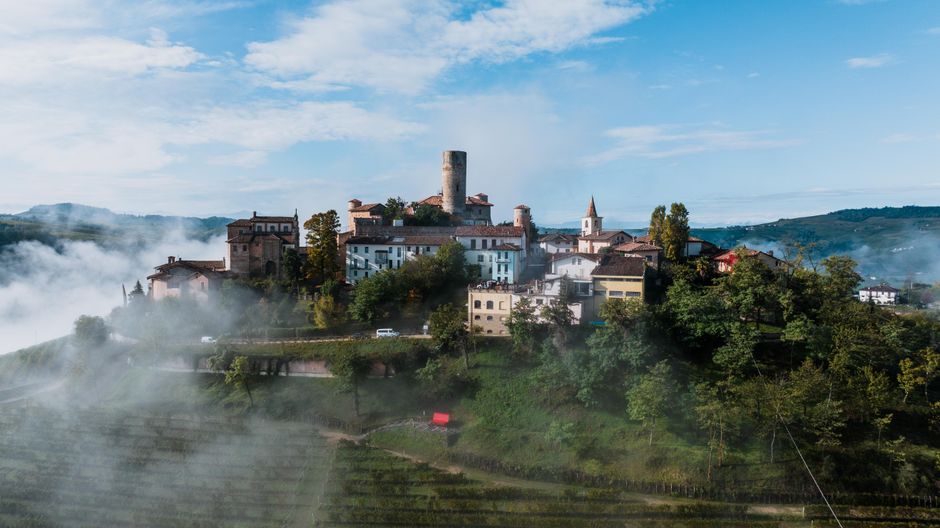
Lapio, nestled in the Irpine hills, is a historical and qualitative epicenter for Fiano di Avellino DOCG. Its unique pedoclimatic conditions foster the cultivation of Fiano grapes, yielding wines of great character, complexity, and export potential. Understanding this territory, its wineries, and its enological peculiarities is crucial for Italian wine companies aiming to expand their international presence by offering a distinctive, high-quality product. In-depth: Federdoc — Italian Denominations Wine Protection Consortiums National Confederation.
Why is Lapio a Cru for Fiano di Avellino?
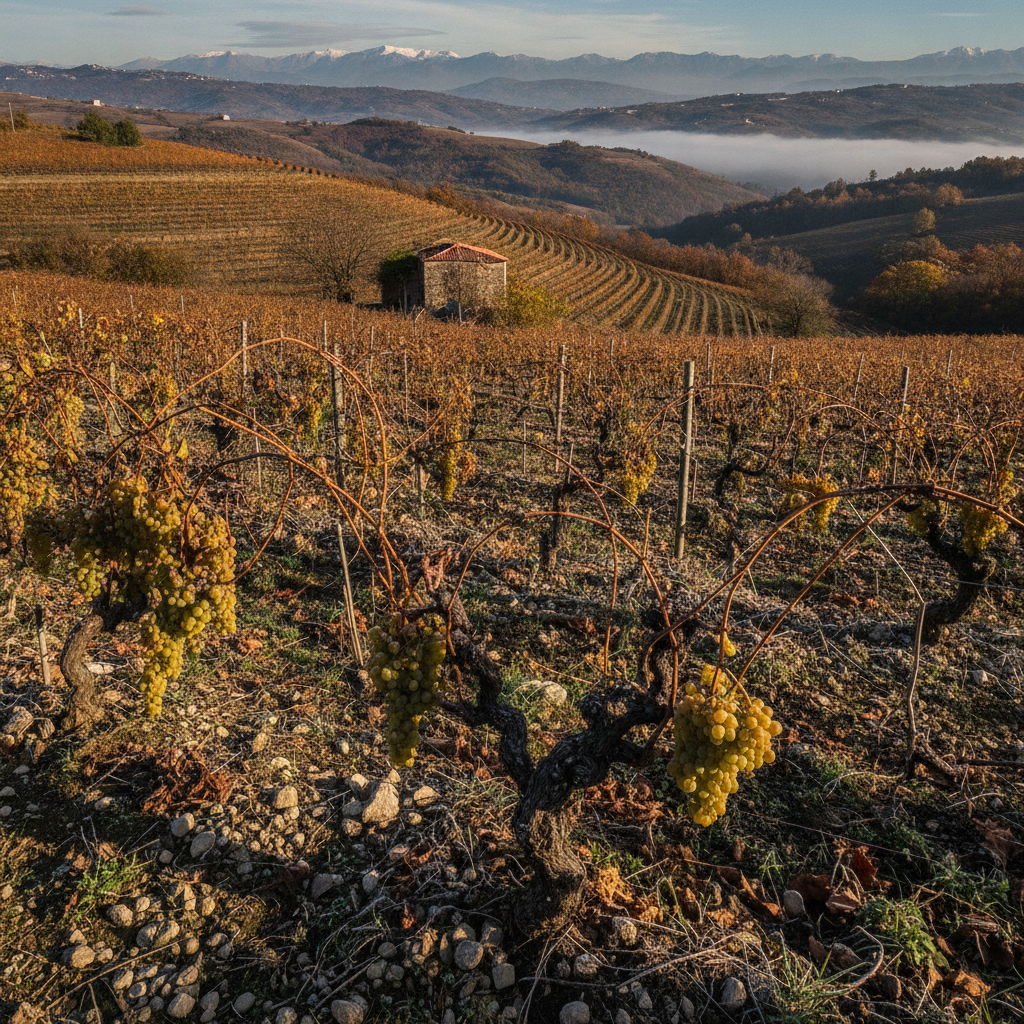
Lapio stands out as one of the most terroir-suited zones for viticulture within the Fiano di Avellino DOCG appellation. Significant altitudes and a cool climate with considerable thermal excursions promote a slow and complete ripening of the grapes, essential for developing complex aromas and pronounced acidity.
The volcanic soils, composed of pumice, lapilli, clay, and sand, impart a robust structure, distinctive minerality, and remarkable aging potential to the wines. Lapio emerges as a true "cru" for the purest expression of the Fiano grape.
What are the Characteristics of Fiano di Avellino from Lapio?
Fiano di Avellino wines produced in Lapio are rich in structure, boasting uncommon levels of acidity and minerality. Their pronounced aromatic profile makes them akin to true "mountain wines," with scents ranging from floral and fruity notes to more complex hints of toasted hazelnut, medicinal herbs, and minerals.
The freshness and expressive tension ensure a dynamic and persistent sip. Aging, whether in steel or wood, allows these wines to further develop their complexity and longevity, acquiring evolving notes that enhance their allure.
Which Historic Wineries and New Realities Operate in Lapio?
Lapio boasts an ancient winemaking history, with wineries that preserve tradition while interpreting Fiano with a modern approach. Colli di Lapio winery, situated at over 600 meters above sea level, offers taut, crystalline wines of great expressive purity, serving as a benchmark for the appellation.
Other significant realities in the surrounding area include Villa Raiano and I Favati in San Michele di Serino, known for the delicacy and finesse of their Fiano wines or for excellent Riserva bottlings. Wineries like Laura De Vito with its Arianiè, or Di Meo with its Alessandra Riserva, demonstrate the versatility and aging potential of Fiano di Avellino.
What is the Export Potential of Fiano di Avellino from Lapio?
Fiano di Avellino from prime terroirs like Lapio possesses intrinsic characteristics ideal for export. Its uniqueness, its history tied to the land, and its capacity for evolution over time align with the growing international consumer demand for authentic, quality wines.
What are the Key Factors for Exporting Fiano di Avellino?
- Typicity and Origin: Fiano di Avellino is an indigenous grape variety with a strong territorial identity. Lapio, as a historic "cru," offers a compelling narrative for international markets, where consumers seek wines with a story and a deep connection to their place of origin.
- Quality and Longevity: The structure, acidity, and minerality of Fiano di Avellino from Lapio guarantee high-quality wines capable of competing in the most demanding markets. Longevity is an additional strength, as many importers and consumers look for wines that can be cellared and appreciated over time.
- Accolades and Awards: The recognition received by wineries such as Colli di Lapio, I Favati, or Di Meo from national and international wine guides and critics confirms the excellence of these wines and enhances their reputation in foreign markets.
- Market Potential: Countries like the United States, Canada, the United Kingdom, and the Nordic markets are showing increasing interest in quality Italian wines, particularly those from less-known denominations with strong distinctive characters. Fiano di Avellino fits perfectly into this trend.
How Does Wines Export Support Lapio's Wineries in Export?
Wines Export actively collaborates with Italian wineries to facilitate their access to international markets. The presence of several Lapio wineries in our producer pool testifies to the potential of this region and the interest it garners among foreign buyers. These companies, with the support of Wines Export, can benefit from a network of qualified contacts and targeted export strategies, overcoming linguistic, logistical, and cultural barriers.
The goal is to bring Fiano di Avellino, with its history, uniqueness, and qualitative excellence, to tables worldwide, strengthening the reputation of Italian wine in global markets.
Frequently Asked Questions
What are the distinctive characteristics of Fiano di Avellino produced in Lapio?
Fiano di Avellino from Lapio is known for its robust structure, pronounced acidity, distinctive minerality, and significant aging potential. The wines exhibit complex aromas ranging from floral and fruity notes to more evolved hints of toasted hazelnut and medicinal herbs.
Which Lapio wineries are recognized for the quality of their Fiano di Avellino?
Among the benchmark wineries in Lapio and surrounding areas for the production of high-quality Fiano di Avellino are Colli di Lapio, Villa Raiano, I Favati, Laura De Vito, and Di Meo.
Which international markets are showing interest in Fiano di Avellino?
International markets showing growing interest in quality Italian wines like Fiano di Avellino include the United States, Canada, the United Kingdom, and the Nordic markets, attracted by the typicity and distinctive character of these wines.