Loreto Aprutino Wine: Market Opportunities and Wineries for International Markets
Wines Export Editorial · Last updated:
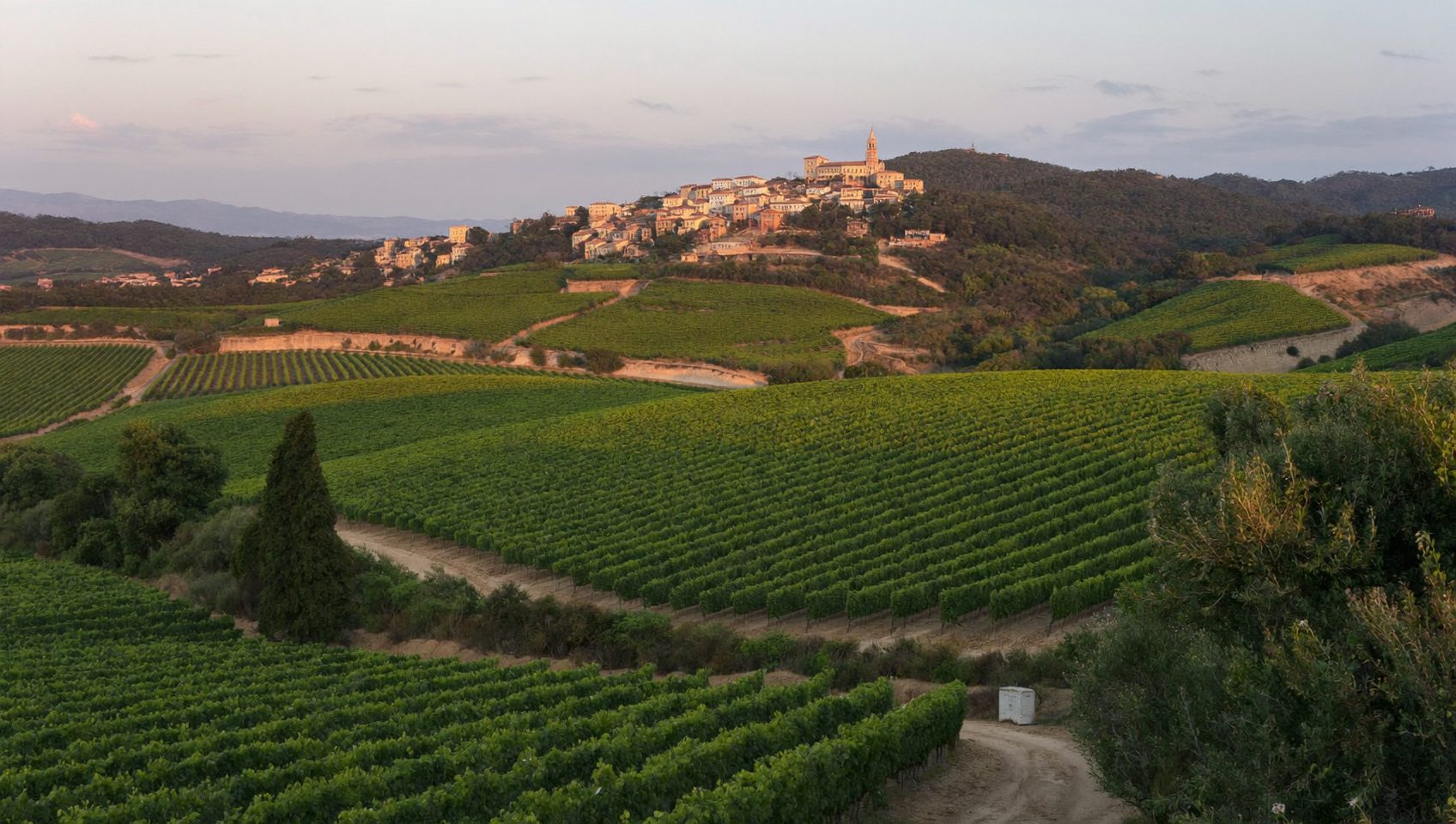
Loreto Aprutino, in the province of Pescara, is a region with a strong winemaking tradition that deserves attention for its export potential. This article explores how local wineries can successfully enter the global market by leveraging their unique terroir and a targeted export strategy. Learn more: Federdoc — National Confederation of Consortia for the Protection of Italian Wine Denominations.
What are the reference wine appellations for Loreto Aprutino wines?
Loreto Aprutino wines mainly fall under the Montepulciano d'Abruzzo DOC, with at least 85% Montepulciano (90% in the Terre dei Vestini subzone, which includes the municipality), the Trebbiano d'Abruzzo DOC and the Cerasuolo d'Abruzzo DOC, the rosé made from Montepulciano. The municipality is also part of the Abruzzo DOC, which covers a large area of the province of Pescara and allows for the production of white and red wines, with specific varietal compositions defined by production regulations.
The Abruzzo DOC is a flexible appellation permitting the production of both white and red wines. Under the current production rules, the white is based on at least 85% Trebbiano Abruzzese and/or Trebbiano Toscano, with up to 15% of other grapes allowed, ensuring a range of expressions.
The delimitation of wine production zones can extend to the entire territory of municipalities included, even partially, within the delimited area. This approach considers traditional practices and preserves long-established territorial specificities.
Municipalities such as Collecorvino, Corvara, Cugnoli, Elice, Farindola, Lettomanoppello, Manoppello, Montebello di Bertona, Montesilvano, Moscufo, Nocciano, Penne, Pianella, Pietranico, Picciano, Pescara, Pescosansonesco, Popoli, Rosciano, Salle, San Valentino in Abruzzo Citeriore, Scafa, Serramonacesca, Spoltore, Tocco da Casauria, Torre de’ Passeri, Turrivalignani, and Vicoli are included in the wine-producing area of the province of Pescara.
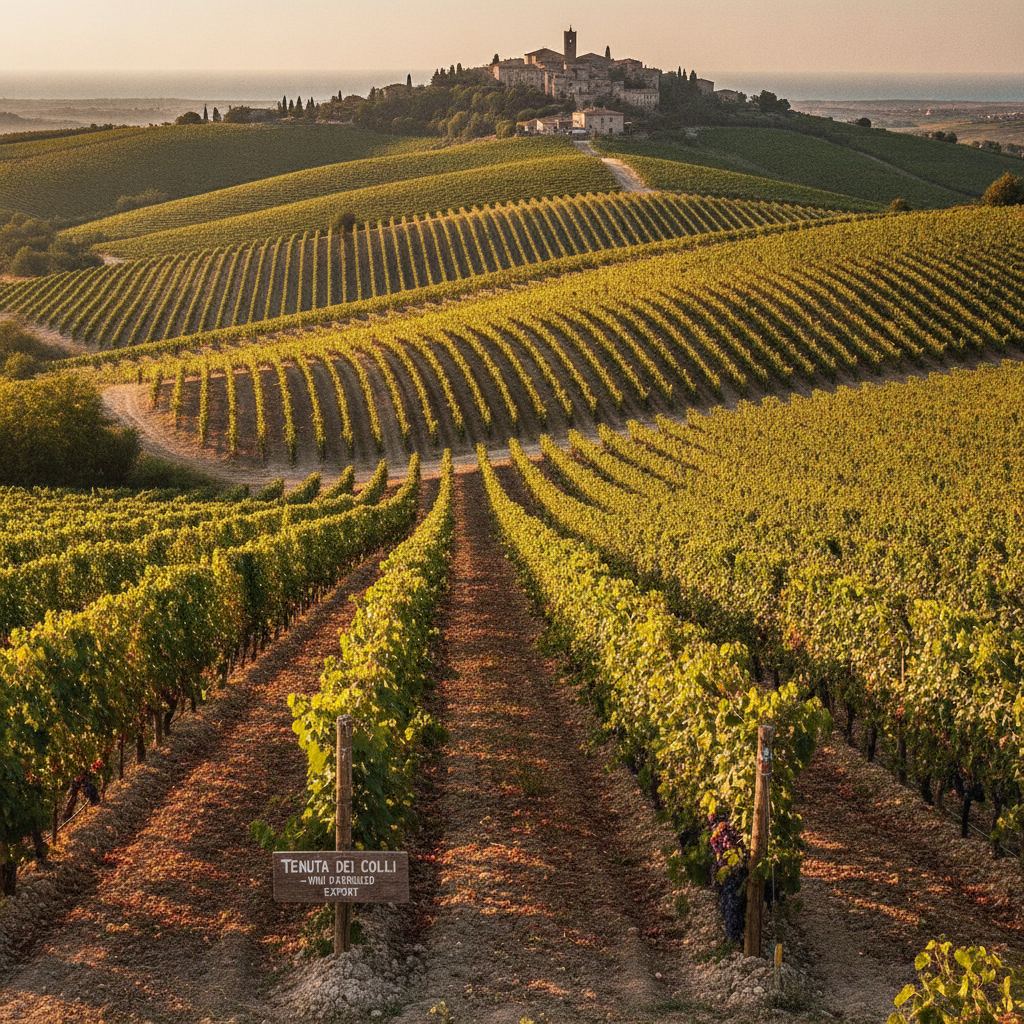
What are the characteristics of wines produced in areas with dry climates and clay soils like Loreto Aprutino?
Red grape varieties cultivated in dry, warm climates with infertile, clay soils tend to achieve slight overripening. This process enhances aromatic characteristics and the extraction of coloring matter, favoring wines with good alcohol content and a deep ruby red color.
These wines can display rich fruity aromas, such as small berries, ripe blackberries, and plum. On the palate, they may offer a characteristic flavor, sometimes with good tannicity, but potentially with moderate acidity, reflecting the specific soil and climate conditions.
This principle also applies to fortified wines, which naturally benefit from greater consistency in type due to prolonged aging. Overripening contributes to stabilizing the wine's characteristics over time.
What is the export potential for Italian "table wines," and how do wines like those from Loreto Aprutino position themselves?
Historically, "table wines" (vini da tavola) have been the most widely circulated abroad due to their moderate prices and hygienic conditions. However, Italy aspires to export its own wines directly, a move that would bring significant benefits to the national economy.
Wines like those from Loreto Aprutino, if produced and presented appropriately, have significant market potential. Consistent quality and the ability to tell a story linked to the territory are key factors for successful entry into the global market.
The international wine market is evolving, and Italy, with its vast array of indigenous grape varieties, plays a leading role. The trend towards quality wines with good value for money makes these productions particularly attractive to foreign buyers.
It is crucial to carefully manage the treatment and presentation of exported wines, making them known for their intrinsic qualities. This involves particular attention to labeling, packaging, and communicating the product's value, avoiding misrepresentation with foreign appellations or brands.
To fully capitalize on export potential, continuous investment in grape quality and winemaking processes is essential, alongside promotion and the establishment of a solid distribution network abroad. Seeking markets that appreciate authentic, territorial wines is a winning strategy.
Frequently Asked Questions
What are the main grape varieties used for red wines in Abruzzo?
The main red grape is Montepulciano: the Montepulciano d'Abruzzo DOC requires at least 85% of it (90% in the Terre dei Vestini subzone, which includes Loreto Aprutino), and the same grape is the basis of Cerasuolo d'Abruzzo, the rosé.
How can I assess the quality of a Loreto Aprutino wine for export?
Quality assessment for export is based on product consistency, the ability to convey a story linked to the territory, and polished presentation that highlights intrinsic qualities and value.
Sources
Which wineries are in Loreto Aprutino?
The wineries based in Loreto Aprutino (Abruzzo) that we know, with the wines they declare; the most common denominations here are Montepulciano and Trebbiano. The Wines Export database covers the whole trade: this section is rebuilt from the database at every publication (23 November 2026). No contacts here: the full profile is in the directory.
- Torre dei Beati — Giocheremo con i fiori Abruzzo Pecorino, Bianchi Grilli, Rosa-ae Cerasuolo d'Abruzzo (organic, since 1972)
- Marchesi De Cordano (organic)
- Tenuta de Melis — Bardasce Montepulciano d’Abruzzo, Caposaldo Montepulciano d’Abruzzo, Bardasce Cerasuolo d'Abruzzo
- Colle Corviano — Montepulciano d'Abruzzo, Pecorino, Pinot Grigio delle Venezie
- Cantina Mastrangelo - Tenimenti del Grifone — Pink Angel, AngeloRosa, AngeloBianco (since 2000)
- Amorotti — Montepulciano d'Abruzzo, Trebbiano d’Abruzzo, Cerasuolo d'Abruzzo
- Azienda Agricola Belfiore — Il Vino del Contadino, Pecorino, Passata del Contadino
- Loretana — Montepulciano d'Abruzzo, Passerina
- Azienda Vinicola I Lauri (iLauri)
- Torre Raone (organic, since 1997)
- Ettore Galasso
- Società Agricola Nicoletta de Fermo