Mamoiada: Excellent Sardinian Wines and Market Opportunities
Wines Export Editorial · Last updated:
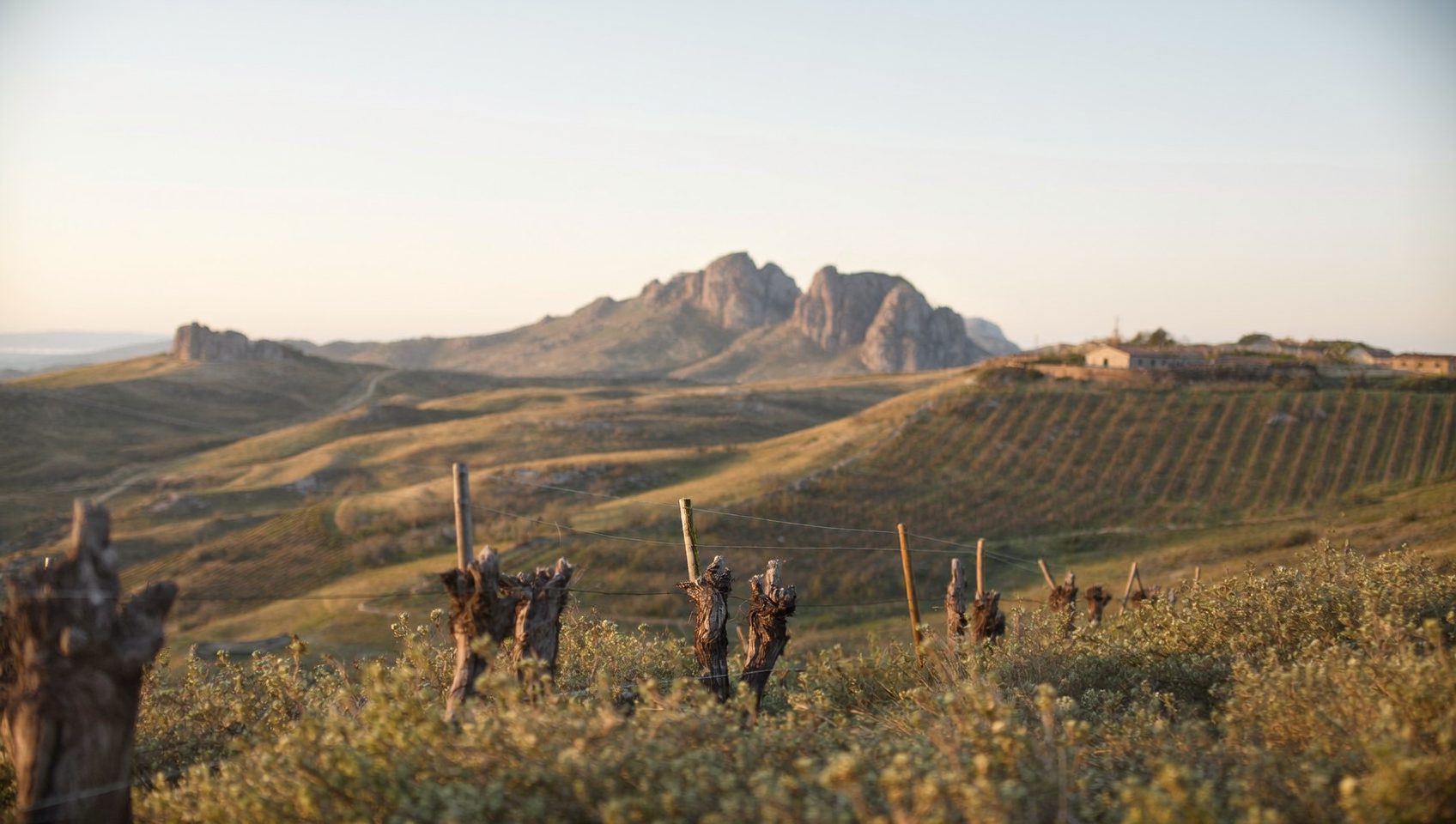
Mamoiada's Sardinian wines, in the province of Nuoro, come mainly from Cannonau, the area's leading grape, and can reach foreign markets through reliable local importers. Mamoiada has no denomination of its own: as Gambero Rosso's report on Mamoiada Cannonau points out, its wines fall under the Cannonau di Sardegna DOC or the IGT Barbagia, or are sold as wines without a designation. On this page you will see what characterises the local wines, what potential the wineries have and how to position yourselves on global markets, with a concrete perspective for Sardinian producers who want to sell abroad. In-depth: Federdoc — National Confederation of Italian Wine Denomination Protection Consortia.
To understand how the island's denominations affect sales abroad, read the guide on Sardinian wines, denominations and export.
What is the Wine Context of Mamoiada and Sardinia?
Sardinia boasts millennia of viticulture, with a unique terroir influenced by the Mediterranean climate and distinctive soils. Mamoiada fits into this context, benefiting from favorable environmental conditions above all for Cannonau, the area's leading grape, which gives the wines distinct organoleptic profiles capable of telling the island's story.
How Can Wineries Approach Wine Export?
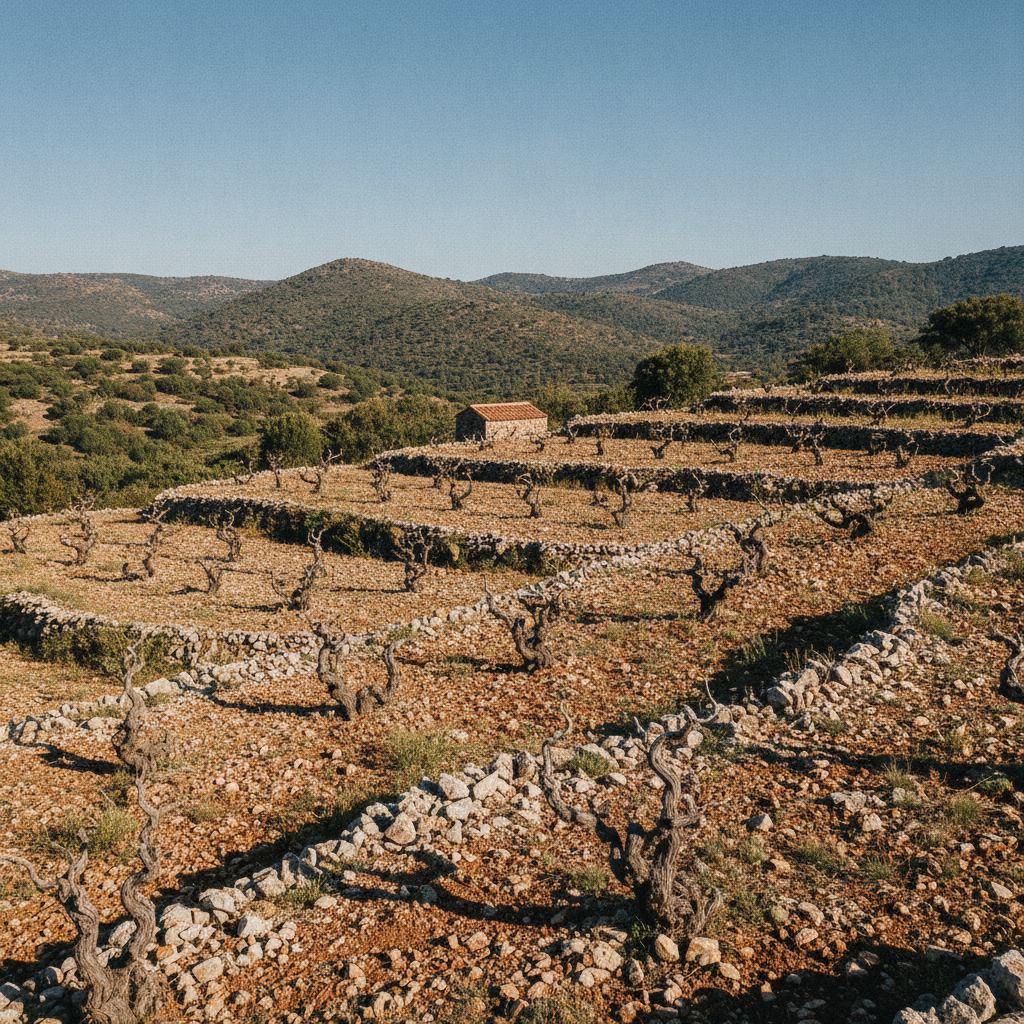
Exportation requires a defined strategy, especially for wineries venturing into global markets for the first time. Companies tend to favor markets with high attractiveness potential, low risk, and opportunities for competitive advantage. For Mamoiada's wineries, this means understanding which markets might be most receptive to their wines, based on consumer preferences, geographical distance, and import dynamics.
What is the Market Potential for Sardinian Wines Abroad?
The global wine market is evolving, with a growing demand for authentic, quality wines. Foreign markets, particularly emerging ones, offer growth margins. Building a strong relationship with reliable local importers is crucial.
How Do Appellations Influence Wine Export?
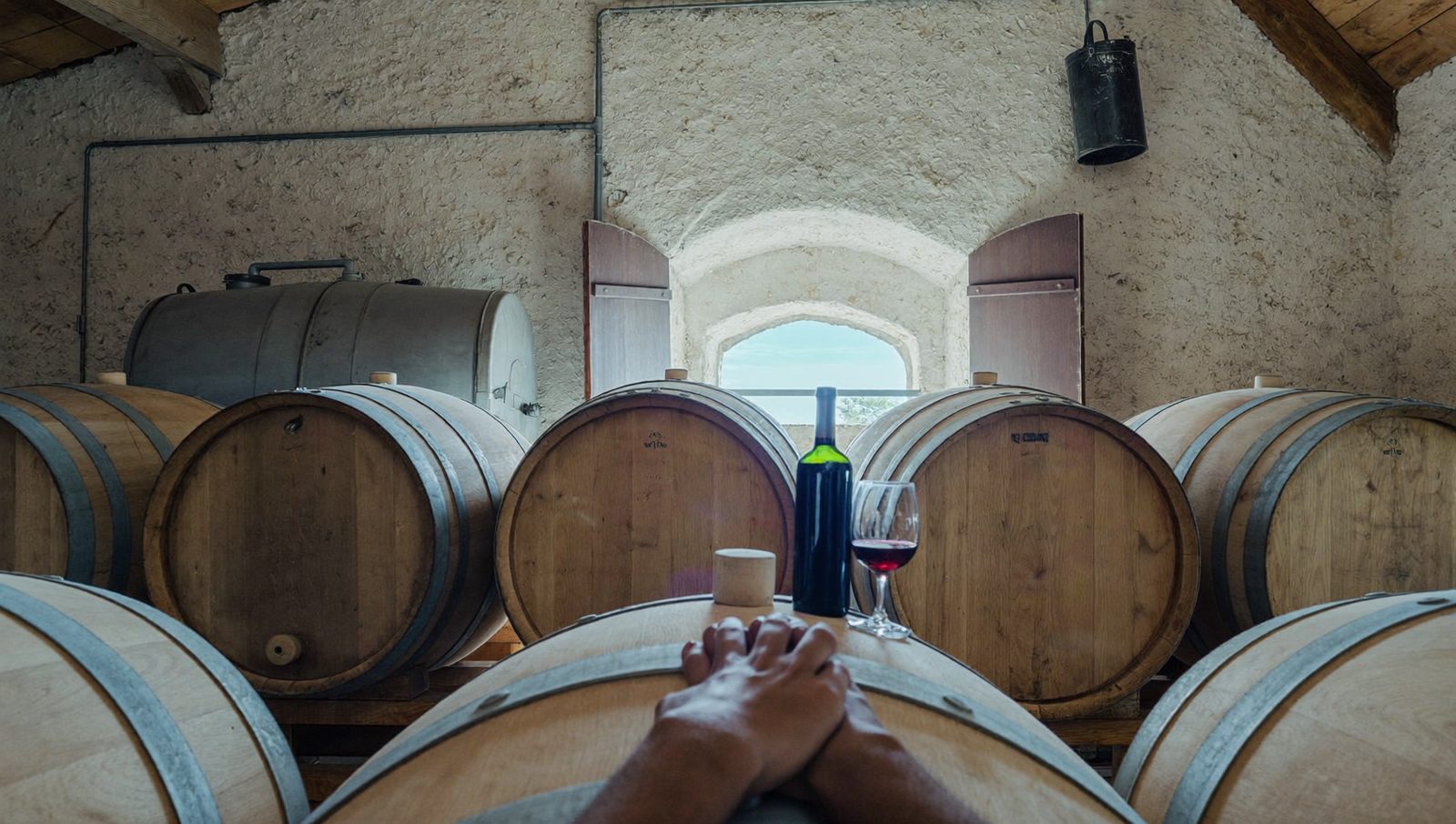
Protected Designations of Origin (DOP) define quality and origin, providing a regulatory framework. European legislation links DOP wines to the territory, grape varieties, and winemaking practices. Even though Mamoiada does not have its own DOP, its wines fall under the Cannonau di Sardegna DOC or can be marketed as IGT (for example IGT Barbagia) or as wines without a designation, depending on production and regulatory choices, as Gambero Rosso's report on Mamoiada Cannonau explains. The old table wine category no longer exists: since 2009 it has been replaced by the plain wine category.
Frequently Asked Questions
Which grape variety is relevant for export from Mamoiada?
Cannonau, the area's leading grape, is fundamental in giving Mamoiada wines distinctive organoleptic profiles and narrating the island's identity – elements sought after by international consumers.
What are the key factors for success in wine export for wineries like those in Mamoiada?
Success in export for wineries like those in Mamoiada lies in leveraging territorial specificities, adopting targeted strategies, and building solid commercial partnerships with reliable local importers.
How do Sardinian wines position themselves in the global market compared to more renowned appellations?
Although Mamoiada doesn't boast an internationally recognized appellation like Cava or Rioja, highlighting indigenous Sardinian grape varietals and the intrinsic quality of the wines produced can be a strong point for differentiation in global markets, focusing on authenticity.
Mamoiada has the opportunity to stand out by offering authentic wines that express the Sardinian terroir. Understanding the dynamics of foreign markets and building a compelling narrative around their products will be fundamental steps for transforming local potential into lasting export success.
Sources
Which wineries are in Mamoiada?
The wineries based in Mamoiada (Sardegna) that we know, with the wines they declare; the most common denominations here are Cannonau. The Wines Export database covers the whole trade: this section is rebuilt from the database at every publication (23 November 2026). No contacts here: the full profile is in the directory.
- Cantina vikevike — Ghirada Fittiloghe, Ghirada Gurguruò, Ghirada Istevene (organic)
- 'Esole — Ghirada Garaunele A, Ghirada Garaunele Sa Panada Bianco, Ghirada Garaunele Sa Panada Bianco
- Cantina Mussennore — Ghirada Palagorrai Cannonau di Sardegna, Riserva Cannonau di Sardegna, Granazza Barbagia
- Cantina Mertzeoro — Mertzeoro Barbagia rosato, Mertzeoro Barbagia bianco, Mertzeoro Barbagia rosso (organic)
- La tappa del vignaiolo - Enoturismo a Mamoiada — Berteru Rosso Vigna Nuraghe Sas de melas, Berteru Riserva, Il Cannonau Bianco
- Cantina Canneddu — Zibbo Cannonau di Sardegna, Delissia, Zimò Barbagia Rosso (organic)
- Cantina Giampietro Puggioni — Mamuthone, Isula, Lakana
- Cantina Dessolis — Dòvaru Barbagia Rosso, Dòvaru Blanc, Dòvaru Passito Barbagia Rosso
- Cantina Eminas — Cannonau di Sardegna, Izza Cannonau di Sardegna Rosato, Eminas Cannonau di Sardegna (organic)
- Cantina Francesco Cadinu — tziu Simone Barbagia, Mattio Barbagia, Perdas longas Cannonau di Sardegna
- Cantina Giuseppe Sedilesu — Mamuthone Cannonau di Sardegna, Sartiu Cannonau di Sardegna, Ballu Tundu Cannonau di Sardegna Riserva
- Cantina Su Mendularju di Pino Paddeu - Vini Naturali — Izzos, Blend 'Micheli', Canonau "Izzos"
- Cantina Muggittu — Boeli, Rosè, Bisconte
- Teularju — Ghirada Ocruarana Barbagia Rosso, Ghirada Cara Gonare Barbagia Rosso, Barbagia Rosso
- Cantina Antonio Mele — Vinera Cannonau di Sardegna, Ghirada Cuculia Barbagia Bianco, Cuculia Bianco
- Societa' Agricola Vinzas Artas S.s. — Nigheddu Barbagia Rosso, Ghirada Sa Lahana Barbagia Rosso, Ghirada Garaunele Barbagia Rosso
- Cantina Montisci Vitzizzai — Istimau Cannonau di Sardegna, Ghirada Foddigheddu Cannonau di Sardegna, Istimau Cannonau di Sardegna Rosato
- Cantina Vigne Muzanu