Piglio Wine: Designations and Market Opportunities for Wineries
Wines Export Editorial · Last updated:

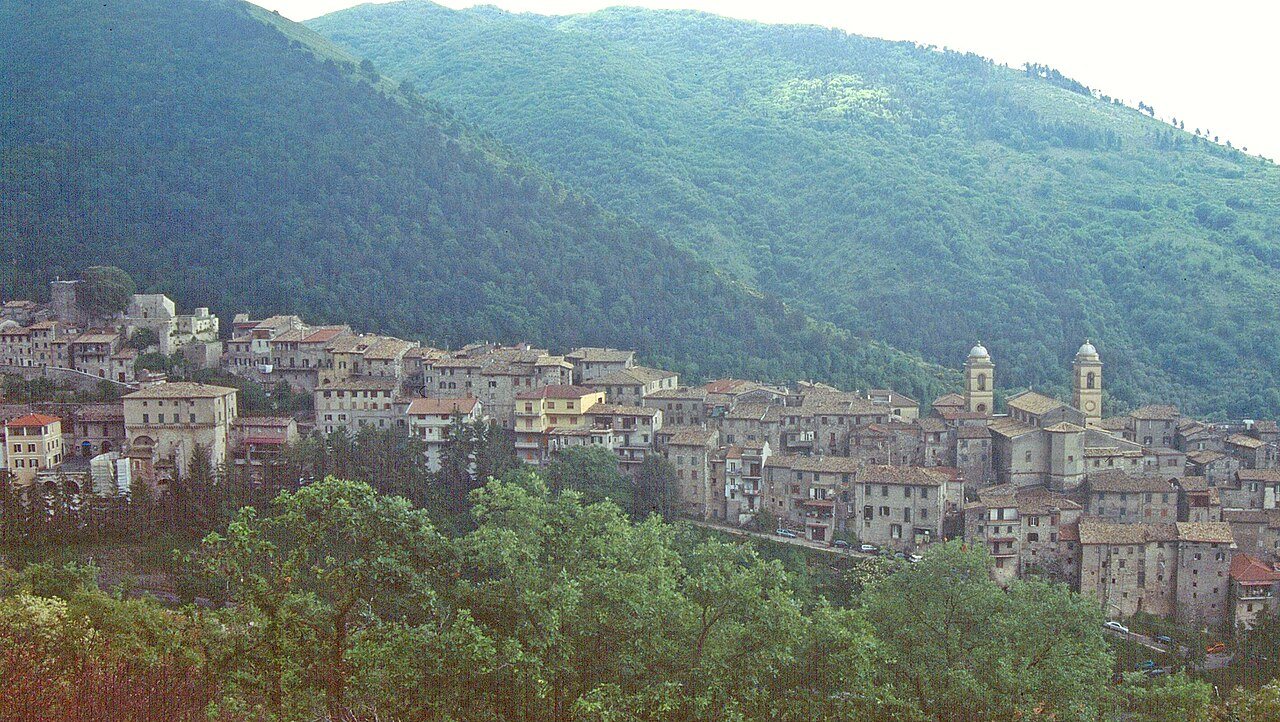
Wine from Piglio, in the province of Frosinone, is above all the red Cesanese del Piglio (or Piglio) DOCG, made with at least 90% Cesanese and limited to five municipalities. The municipality's other wines, whites included, are labelled IGT Frusinate or IGT Lazio. This article explains these designations, what makes the wines appealing to foreign buyers and which export strategies wineries can adopt. Further information: Federdoc — National Confederation of Consortia for the Protection of Italian Wine Designations.
To meet importers and distributors in person, see whether a Wine Paris Vinexpo stand is worth it for your winery.
What are the designations associated with Piglio wines?
The municipality's designation is the DOCG "Cesanese del Piglio" or "Piglio" (DOC since 1973, DOCG by Ministerial Decree of 1 August 2008). It is reserved for red wines, in the base and Superiore types; a Superiore aged at least 20 months may carry the Riserva mention. The production rules of the Cesanese del Piglio or Piglio DOCG require at least 90% Cesanese di Affile and/or Cesanese comune and define the zone in the province of Frosinone: the whole of Piglio and Serrone and part of Acuto, Anagni and Paliano. The municipality's other wines, whites included, can be labelled as IGT "Frusinate" or "del Frusinate", which covers the whole province of Frosinone, or as IGT Lazio. Cesanese di Affile and Cesanese di Olevano Romano, by contrast, are DOCs in the province of Rome.
What characteristics make Piglio wines appealing abroad?
The key strength is a red wine from a native grape, Cesanese, protected by a DOCG whose zone is limited to five municipalities. International buyers seek wines with good value for money, a strong territorial identity, and a compelling story.
What do foreign buyers look for in Italian wines?
International buyers seek authenticity, quality, and a strong connection to the territory. Highlighting the Lazio origin, local winemaking traditions, and indigenous grape varietals creates an emotional link. Emphasizing the wines' peculiarities, such as aging potential, distinctive aromas, and flavors, is fundamental.
How to enhance the territorial identity and story of Piglio wines?
Narrating the history of the wineries, the families who manage them, and their connection to the land adds value to the product. The presence of controlled designations of origin (DOC, DOCG, IGT) and any awards strengthen credibility and attractiveness in the international market.
What are the export opportunities for Piglio wines?
The global wine market is evolving, with a growing demand for authentic, high-quality products. Wineries in Piglio are well-positioned to seize these opportunities thanks to their heritage of traditions and the potential of distinctive wines.
What strategies can wineries adopt for export?
- Target Market Identification: Analyze which foreign markets show a greater propensity to purchase quality Italian wines, with a focus on those that appreciate lesser-known designations with strong territorial character.
- Effective Communication: Develop marketing materials that tell the story of Piglio, its wines, and its wineries, emphasizing unique and authentic aspects.
- Participation in Industry Events: Attending international wine fairs and dedicated B2B events can facilitate contact with foreign importers and distributors.
Frequently Asked Questions
Which designations apply to wines produced in Piglio?
The DOCG "Cesanese del Piglio" or "Piglio", reserved for red wines from Cesanese di Affile and/or Cesanese comune (at least 90%), produced in Piglio, Serrone and part of Acuto, Anagni and Paliano. Other wines can use the IGTs "Frusinate" (or "del Frusinate") and Lazio.
What are the main factors that attract foreign buyers to Italian wines?
International buyers are drawn to wines that offer good value for money, a strong territorial identity, and a compelling story to tell. Authenticity, quality, and the unique characteristics of the wines are key elements.
Wine from Piglio, Frosinone, represents an enological excellence with significant export potential. The combination of deep-rooted traditions and unique wine characteristics opens doors to new opportunities in international markets. Wineries looking to expand their presence abroad will find in Piglio a territory rich in history and wines capable of captivating discerning palates.
Sources
Which wineries are in Piglio?
The wineries based in Piglio (Lazio) that we know, with the wines they declare; the most common denominations here are Cesanese del Piglio Docg and Passerina del Frusinate Igt. The Wines Export database covers the whole trade: this section is rebuilt from the database at every publication (23 November 2026). No contacts here: the full profile is in the directory.
- Maria Ernesta Berucci - Azienda agricola, vitivinicola e agrituristica — L'Onda Cesanese del Piglio, Mola da Piedi Cesanese del Piglio superiore, Raphael Cesanese del Piglio (organic, since 2008)
- Azienda Agricola Marletta Teresa — Afilani Cesanese del Piglio, Innaro Cesanese del Piglio Superiore, Silente Passerina del Frusinate
- Cantina Sociale Cesanese del Piglio — Cerciole, De Antiochia, Elcini Cesanese del Piglio Superiore
- L'Avventura — Picchiatello Superiore, Campanino Rosso, Amor Cesanese del Piglio Superiore (organic)
- Costa Graia — Ribera Del Duero (organic, sold in Sweden)
- Azienda Vitivinicola Petrucca e Vela — Agape Cesanese del Piglio Superiore, Tellures Cesanese del Piglio Superiore Riserva, Nerva Cesanese del Piglio (organic, since 2000)
- Az.agr.macciocca — Monocromo #1 Passerina del Frusinate, Monocromo #3 Rosato del Frusinate, Terra Cesanese del Piglio
- Cantina Luca Sbardella — Piglio Superiore, KRY Lazio, Nocino
- Cantine Massimi — Herna Cesanese del Piglio Superiore, Buttuti Cesanese del Piglio, Castrum Pileum Cesanese del Piglio Superiore
- Calu Vigneti — Hoedus Cesanese del Piglio Superiore, Ankaa Cesanese del Piglio, 452 Cesanese del Piglio
- Casale Verde Luna — Civitella Cru, Ophelia Lazio, Cesanese del Piglio
- Azienda Agricola Cantina Martini