Comprehensive Guide to Exporting Brunello di Montalcino for Wineries
Montalcino, in the province of Siena, is a territory renowned for producing wines of excellence, first and foremost among them Brunello di Montalcino DOCG. This article explores the unique characteristics of this denomination, the requirements of its iconic wine, historical and emerging wineries, and analyzes the concrete export opportunities for wine companies wishing to expand their international market presence. The objective is to provide a clear guide to enhance the potential of this prestigious Tuscan wine. Read more: Federdoc — National Confederation of Italian Wine Denomination Protection Consortia.
What are the Requirements for Producing Brunello di Montalcino DOCG?
Brunello di Montalcino is a Denomination of Controlled and Guaranteed Origin (DOCG) wine produced exclusively from Sangiovese grapes, locally known as "Brunello," cultivated within the municipality of Montalcino. Grape varietal purity is a fundamental requirement, ensuring the wine's authenticity and distinctive characteristics.
The grapes must originate from specifically registered vineyards, compliant with current regulations. These same vineyards can also be used for the production of Rosso di Montalcino DOC, following the provisions of its respective production regulations.
What are the Organoleptic Characteristics of Brunello di Montalcino?
Brunello di Montalcino is distinguished by an intense ruby red color, which tends towards garnet with age. On the nose, it offers a characteristic and intense aroma, while on the palate, it is dry, warm, with pleasant tannins, robust, harmonious, and persistent.
What are the Minimum Chemical-Physical Parameters for Brunello di Montalcino?
The minimum total volumetric alcohol content is 12.5% vol. for the base wine. The minimum total acidity required is 5.0 g/l, and the minimum net dry extract is 24.0 g/l.
What is the Maximum Yield Allowed for Brunello di Montalcino Production?
The maximum grape yield in finished wine is set at 68%. Should the yield exceed this limit but not 75%, the excess will not be entitled to the DOCG denomination. If the yield exceeds 75%, the entire product forfeits its right to the denomination.
How Long Must Brunello di Montalcino Age Before Being Released for Consumption?
Brunello di Montalcino must age for at least two years in oak containers of any size. It cannot be released for consumption before January 1st of the year following the completion of five years from the harvest. For the "Riserva" qualification, the aging period extends to six years.
Where Must Brunello di Montalcino Be Bottled?
The bottling of Brunello di Montalcino must take place within the production area defined by the production regulations. Bottles must be of the "Bordolese" type, made of dark glass, closed with a cork stopper, and have standard capacities. The use of fanciful or inappropriate characterizations that do not befit the wine's prestige is prohibited.
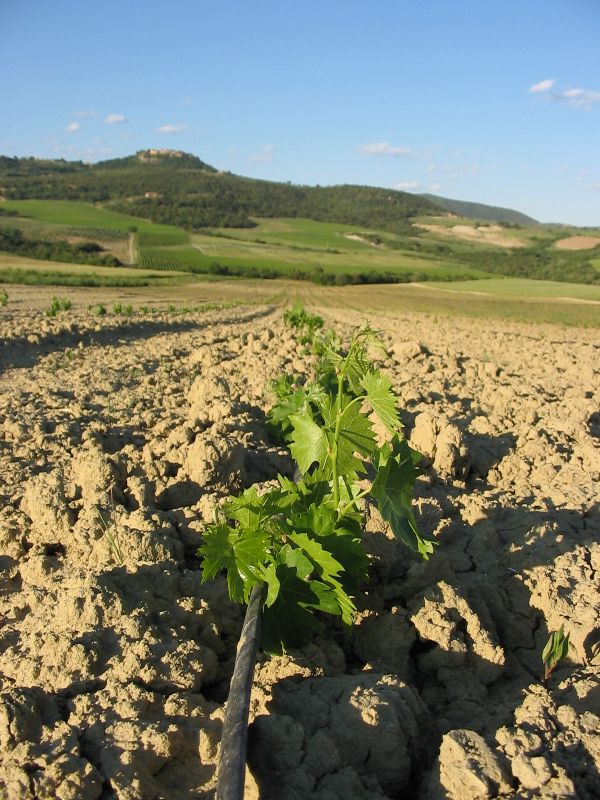
What are the Historical and Emerging Wineries in Montalcino?
The Montalcino territory is home to numerous wineries renowned for producing high-quality Brunello. Among the historical and influential producers are companies like Tenuta Col d’Orcia and Az. Agr. Val di Suga, active since the 1980s. Banfi S.r.l. also has a significant presence in Montalcino.
The more recent production landscape includes realities such as Attesino, Carpineto, Poggio Landi – Podere Brizio, and SassodiSole, which offer recent vintages, demonstrating the continuity and evolution of production.
What is the Role of the Brunello di Montalcino Consortium?
The Brunello di Montalcino Wine Consortium plays a crucial role in protecting and promoting the denomination. Acquisitions in the sector, such as that of Tenuta Cerbaia, confirm the strong attractiveness of Brunello di Montalcino, a success built over time by local winemakers, Italian entrepreneurs, and foreign investors.
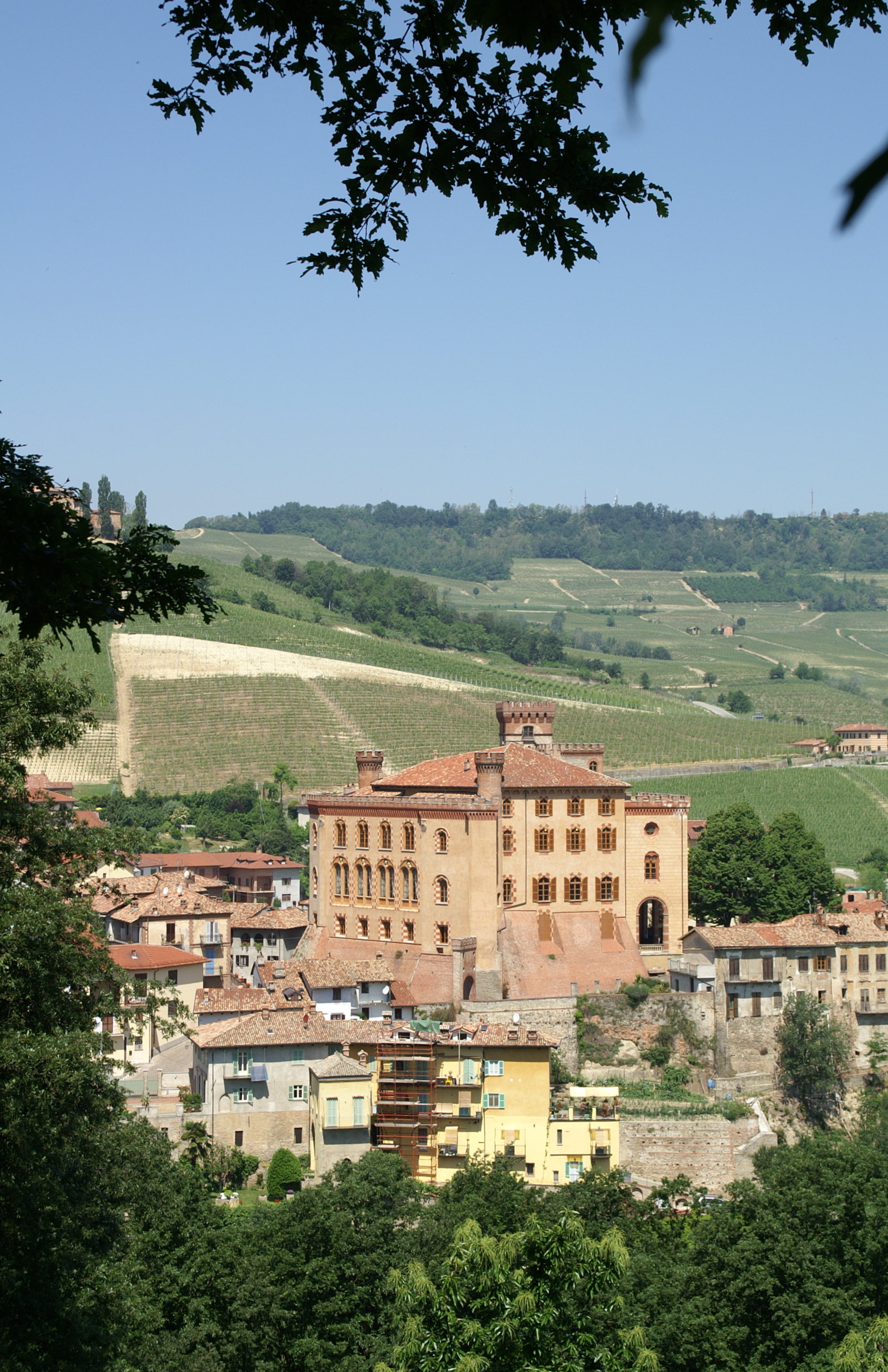
What are the Most Promising Foreign Markets for Brunello di Montalcino?
Brunello di Montalcino enjoys an excellent international reputation, representing a significant export opportunity. Key markets for high-end Italian wines include the United States, Canada, Germany, Switzerland, the United Kingdom, and Scandinavian countries. Growing curiosity towards quality Italian wines in emerging markets offers further growth prospects.
How Does Wines Export Support Wineries in Exporting Brunello di Montalcino?
Wines Export supports Montalcino wineries in tackling export challenges, helping to identify promising target markets, find reliable importers and distributors, navigate import regulations, and develop effective marketing strategies to tell the unique story of Brunello di Montalcino to foreign consumers.
Frequently Asked Questions
What are the main differences between Brunello di Montalcino and Rosso di Montalcino?
Brunello di Montalcino is a DOCG wine produced exclusively from Sangiovese grapes, with a minimum aging of five years. Rosso di Montalcino is a DOC wine, also produced in the Montalcino territory, but with less stringent aging requirements and grape types, allowing for greater production flexibility.
What are the most important destination markets for high-end Italian wine?
The most important destination markets for high-end Italian wine include the United States, Canada, Germany, Switzerland, the United Kingdom, and Scandinavian countries. Demand is also growing in emerging markets.
What are the requirements to define a Brunello di Montalcino as "Riserva"?
A Brunello di Montalcino is defined as "Riserva" if it has undergone an aging period of at least six years, compared to the five years required for the standard version.
Brunello di Montalcino represents an Italian enological excellence with strong export potential. Its intrinsic quality, history, and the rigor of its production regulations make it a sought-after product globally. Wines Export is the ideal partner for wineries wishing to expand their international presence, offering strategic and operational support.