Vino Nobile di Montepulciano: Complete Guide to the Denomination, Wineries, and International Markets
Vino Nobile di Montepulciano, with its prestigious DOCG denomination, represents an Italian enological excellence with strong export potential. Located in the province of Siena, this historic wine has its roots in a terroir suited for viticulture and a rigorous production code that guarantees its quality and identity. Italian wineries targeting foreign markets find in Nobile di Montepulciano a product capable of meeting the demands of an increasingly discerning international consumer who values history, quality, and sustainability. Read more: Federdoc — National Confederation of Italian Wine Denomination Protection Consortia.
What are the Rules for Producing Vino Nobile di Montepulciano?
The production regulations for Vino Nobile di Montepulciano, one of the first to obtain DOCG status in 1980, define the standards to ensure its authenticity and quality. These rules cover the production area, permitted grape varieties, and winemaking and aging processes.
Where are the Grapes for Vino Nobile di Montepulciano Grown?
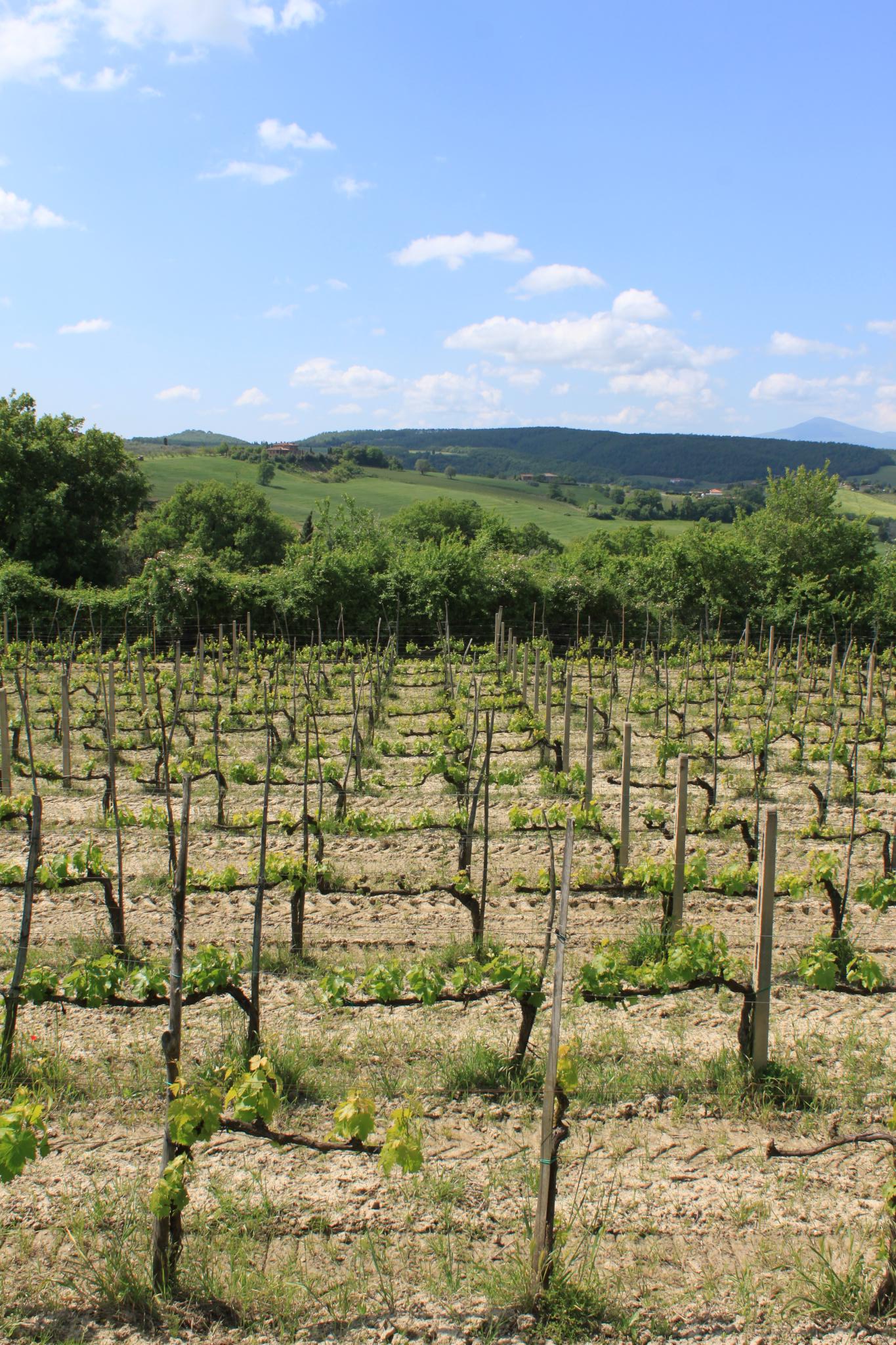
The grapes intended for Vino Nobile di Montepulciano are grown exclusively within the municipality of Montepulciano, in the province of Siena. The vineyards are situated at altitudes ranging from 250 to 600 meters above sea level, with favorable exposures for optimal maturation.
Which Grape Varieties Make Up Vino Nobile di Montepulciano?
Prugnolo Gentile, a local clone of Sangiovese, is the principal grape variety and must constitute at least 70% of the blend. Other indigenous varieties are permitted, with the exception of aromatic ones, with the sole exception of Malvasia del Chianti, which can contribute up to 30%.
What are the Organoleptic Characteristics of Vino Nobile di Montepulciano?
Vino Nobile di Montepulciano presents an intense ruby color, which evolves towards garnet with aging. On the nose, it is ethereal and characteristic, while on the palate, it is dry, balanced, and persistent, with potential notes linked to wood aging.
What are the Minimum Quality Requirements for Vino Nobile di Montepulciano?
The production code establishes minimum requirements for the total potential alcohol by volume (12.50% vol, 13.00% vol for Riserva), a minimum total acidity of 4.5 g/l, and a minimum net dry extract of 23 g/l.
Where Must Winemaking and Aging Take Place?
Winemaking operations and mandatory aging must occur within the municipal territory of Montepulciano. The wine requires a maturation period of at least two years from January 1st following the harvest, with the possibility of aging in wood and in bottles.
What are the Rules for the "Riserva" Typology?
For the "Riserva" designation, the maturation period extends to at least three years, with specific aging in the bottle, ensuring greater complexity and longevity for the wine.
How Does the Territory of Montepulciano Contribute to the Wine's Identity?
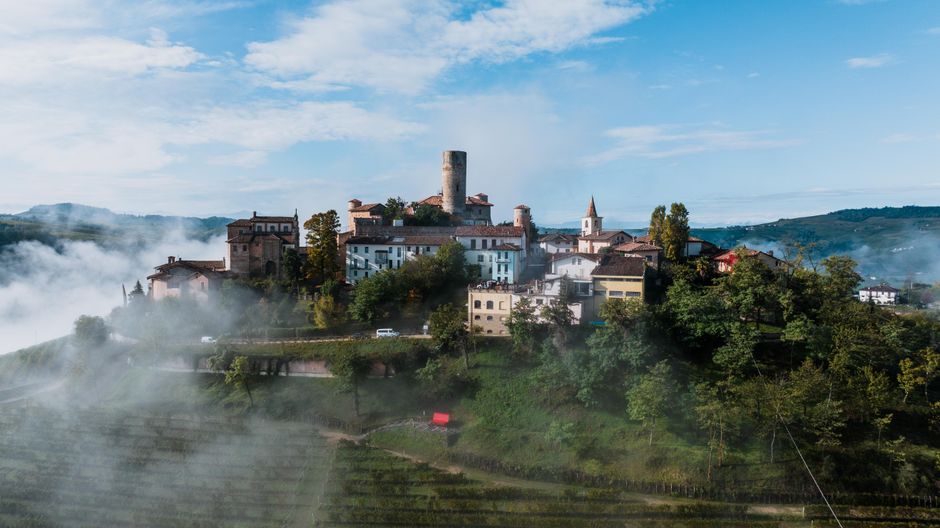
Montepulciano, in addition to lending its name to the wine, is a land rich in history, art, and unique landscapes. The denomination is intrinsically linked to the identity of this place, and its valorization also involves promoting the territory itself. The recent introduction of sub-zones, known as "Pievi," is contributing to a greater understanding and appreciation of the diverse expressions of Nobile, closely tying the wine to its terroir.
What is the Export Potential of Vino Nobile di Montepulciano?
Vino Nobile di Montepulciano is enjoying growing success in international markets, with a strong export propensity. In 2025, exports accounted for 64.5% of total sales, highlighting an expanding market.
What are the Main Foreign Markets for Vino Nobile di Montepulciano?
Germany remains the primary destination, followed by the United States, which is showing interest in organic versions and the new Docg Pievi. Other important markets include the United Kingdom and Switzerland.
How is Production and Participation in Preview Events Evolving?
The increase in the number of wineries participating in the Vino Nobile di Montepulciano Preview, from 37 to 57 (+35%), testifies to the sector's vitality and expansion, with a growing number of producers focusing on exports.
What is the Role of Sustainability for Vino Nobile di Montepulciano?
The denomination was the first in Italy to obtain the "Equalitas" sustainability certification in 2022, measuring its carbon and water footprint and verifying compliance with equal opportunities. This commitment responds to market demands and strengthens the wine's global image.
What Opportunities Does the Export of Vino Nobile di Montepulciano Offer to Wineries?
The territory of Montepulciano hosts several wineries, some of which are part of the Wines Export producers' pool, a sign of growing interest in this wine. Wineries looking to expand their presence in international markets find in Vino Nobile di Montepulciano a product with strong growth potential, thanks to its history, quality, connection to the territory, and commitment to sustainability.
What Do International Buyers Look for in Vino Nobile di Montepulciano?
International buyers seek wines that offer quality, uniqueness, a compelling story, and an authentic link to the territory. Vino Nobile di Montepulciano meets these needs thanks to its long tradition and its growing commitment to sustainability. The interest in sub-zones (Pievi) and organic versions indicates a search for products with greater depth and specificity.
Frequently Asked Questions
Is Vino Nobile di Montepulciano Suitable for Export?
Yes, Vino Nobile di Montepulciano has demonstrated strong export potential, with 64.5% of total sales destined for foreign markets in 2025.
What are the Main Foreign Markets for Vino Nobile di Montepulciano?
The main foreign markets include Germany, the United States, the United Kingdom, and Switzerland.
What are the Main Grape Varieties Used for Vino Nobile di Montepulciano?
The main grape variety is Prugnolo Gentile (a Sangiovese clone), which must constitute at least 70% of the blend.
Vino Nobile di Montepulciano represents an excellence of Italian oenology with constantly growing export potential. The combination of a rigorous production code, a suitable terroir, a growing commitment to sustainability, and an increasingly receptive international market creates a favorable environment for wineries aiming to establish themselves abroad.