Aglianico: Bringing Your Italian Wine to International Markets
Aglianico, often referred to as the "Barolo of the South," is one of Italy's most ancient and prestigious red grape varietals. With a millennia-long history and a distinctive character, this indigenous grape represents a significant opportunity for Italian wineries aiming to expand their presence in international markets. Its ability to adapt to sunny climates and produce powerful, long-lived wines makes it particularly appealing to foreign buyers seeking authenticity and quality. Learn more: MASAF — National Register of Vine Varieties.
What are the Historical Origins of Aglianico?
The origins of Aglianico are ancient, with the vine introduced to Southern Italy by Greek colonists around the 7th-6th century BC. The name itself may derive from the Greek "aglaos" (splendor) or "vitis hellenica" (Greek vine), suggesting a link to ancient Mediterranean civilizations.
Its long history is evidenced by the discovery of Roman torch remains in its production areas. Aglianico is considered one of the three major Italian grape varieties due to its capacity to produce high-quality, complex wines, on par with Sangiovese and Nebbiolo.
What are the Ampelographic Characteristics of Aglianico?
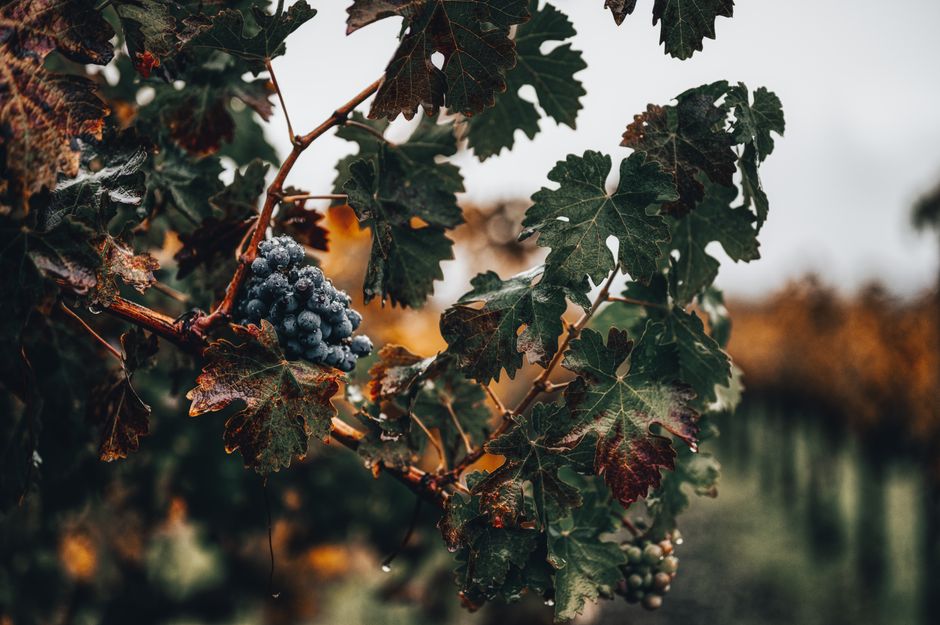
Aglianico is a robust, vigorous, and adaptable grape varietal that thrives in various soils, preferring hilly, clay, calcareous, and volcanic terrains. Its characteristics include an open, cottony shoot tip, medium-small leaves, and small, compact bunches with blue-black berries and a pruinose skin.
It is a late-ripening variety, with harvests typically occurring between early October and mid-November. Its tolerance to heat and moderate water stress makes it resilient to hot and dry climatic conditions, especially in Southern Italy. It is susceptible to some fungal diseases but resistant to powdery mildew.
What Type of Wine Does Aglianico Produce?
Wines produced from Aglianico are renowned for their imposing structure, full body, and spicy character. They exhibit high levels of tannins and acidity, which contribute to excellent aging potential.
After maturation, they develop aromatic complexity with notes of plums, dark berries, spices, chocolate, leather, and violet. The color is a deep ruby red tending towards violet. Aglianico is often compared to Barolo for its elegance, complexity, and longevity.
Where is Aglianico Primarily Grown, and What are the Main Designations of Origin?
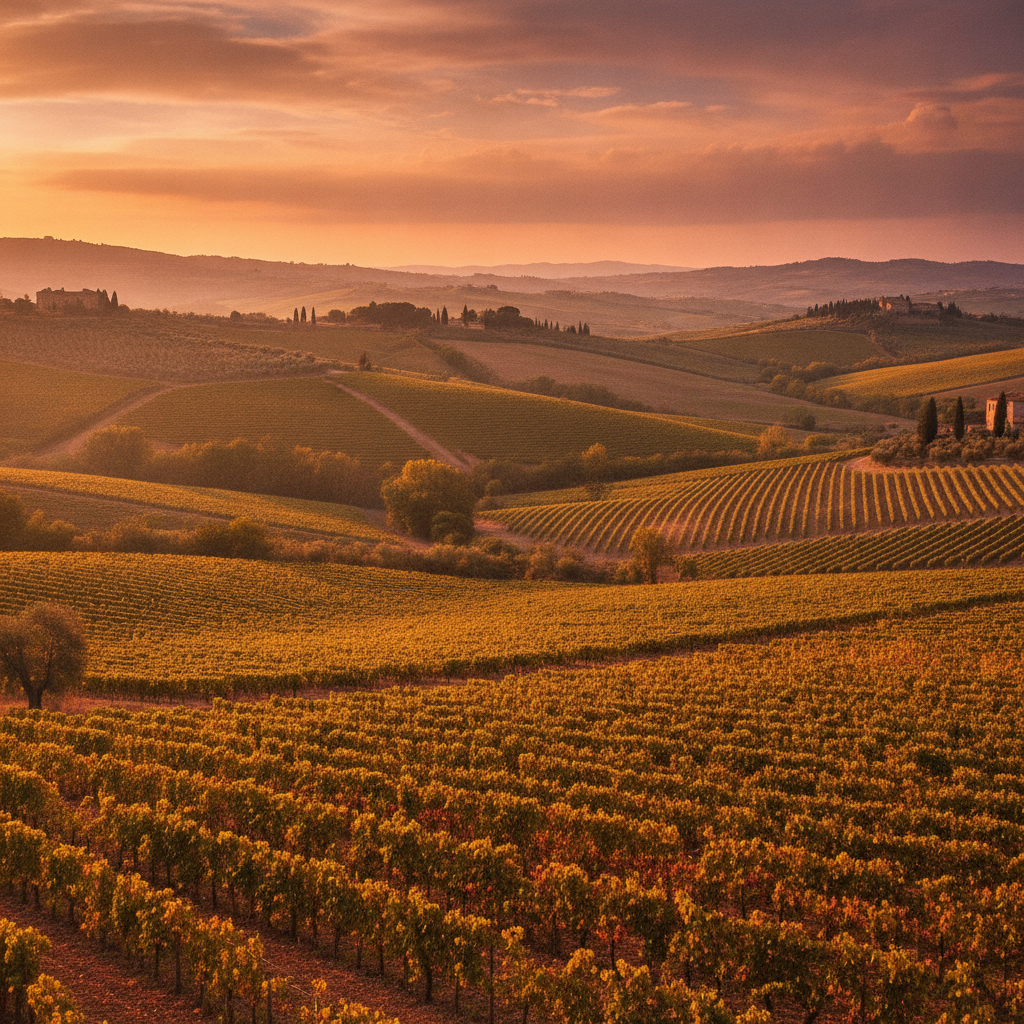
Aglianico is predominantly cultivated in Southern Italy, with Basilicata and Campania being the main regions. Other areas include Puglia and Molise.
Among the most prestigious designations are:
- Aglianico del Vulture DOC: Produced in Basilicata on the slopes of Mount Vulture.
- Aglianico del Taburno DOCG: Located in Campania, known for its powerfully structured wines.
- Taurasi DOCG: Considered the "Barolo of the South," this Campanian wine is primarily made from Aglianico and is celebrated for its complexity and longevity.
The varietal is also found in other areas, such as Cilento in Campania.
What is the Export Potential of Aglianico for Italian Wineries?
Aglianico holds significant export potential due to its authenticity, territorial identity, and long history. Its ability to produce powerful, complex, and long-lived wines appeals to international consumers seeking collectible wines and those for sophisticated food pairings.
The comparison to Barolo facilitates understanding and appreciation of Aglianico abroad. Its climatic adaptability also makes it interesting in contexts of climate change, with potential for new cultivation areas. Wineries that focus on Aglianico can differentiate themselves by offering wines that tell a story and represent Italian tradition of excellence.
What Do International Buyers Look for in Aglianico?
International buyers seek structured and complex wines capable of standing up to robust food pairings. They appreciate the aging potential, the Italian authenticity tied to the territory, and the unique stories of the varietal and its production zones.
For Italian wineries, investing in the promotion of Aglianico in foreign markets means enhancing a unique enological heritage capable of conquering discerning palates and establishing itself as an ambassador of quality Italian wine worldwide.
Frequently Asked Questions
Is Aglianico a grape varietal suitable for hot and dry climates?
Yes, Aglianico is a late-ripening variety with a high tolerance to heat and good adaptation to moderate water stress, making it resilient to hot and dry climatic conditions.
What are the main Italian regions where Aglianico is cultivated?
The main Italian regions where Aglianico is cultivated are Basilicata and Campania, with significant plantings also in Puglia and Molise.
What are the most renowned designations for Aglianico?
The most renowned designations for Aglianico include Aglianico del Vulture DOC, Aglianico del Taburno DOCG, and Taurasi DOCG.
To explore how Wines Export can support your winery in exporting wines like Aglianico, discover our solutions.