Tuscan Wine Abroad: How to Successfully Sell and Import
Tuscany, a cradle of art, culture, and breathtaking landscapes, is universally recognized as one of Italy's and the world's most prestigious wine regions. Its wines, an expression of a unique terroir and centuries-old tradition, represent an excellence of Made in Italy, highly sought after by international buyers and importers. This article aims to be a comprehensive guide for those looking to navigate the Tuscan wine market, offering an overview of its unique characteristics, export regulations, market opportunities, and strategies for building successful commercial relationships. Deep dive: Federdoc — National Confederation of Italian Wine Consortia for Protection.
How Does the Tuscan Terroir Create Unique Wines?
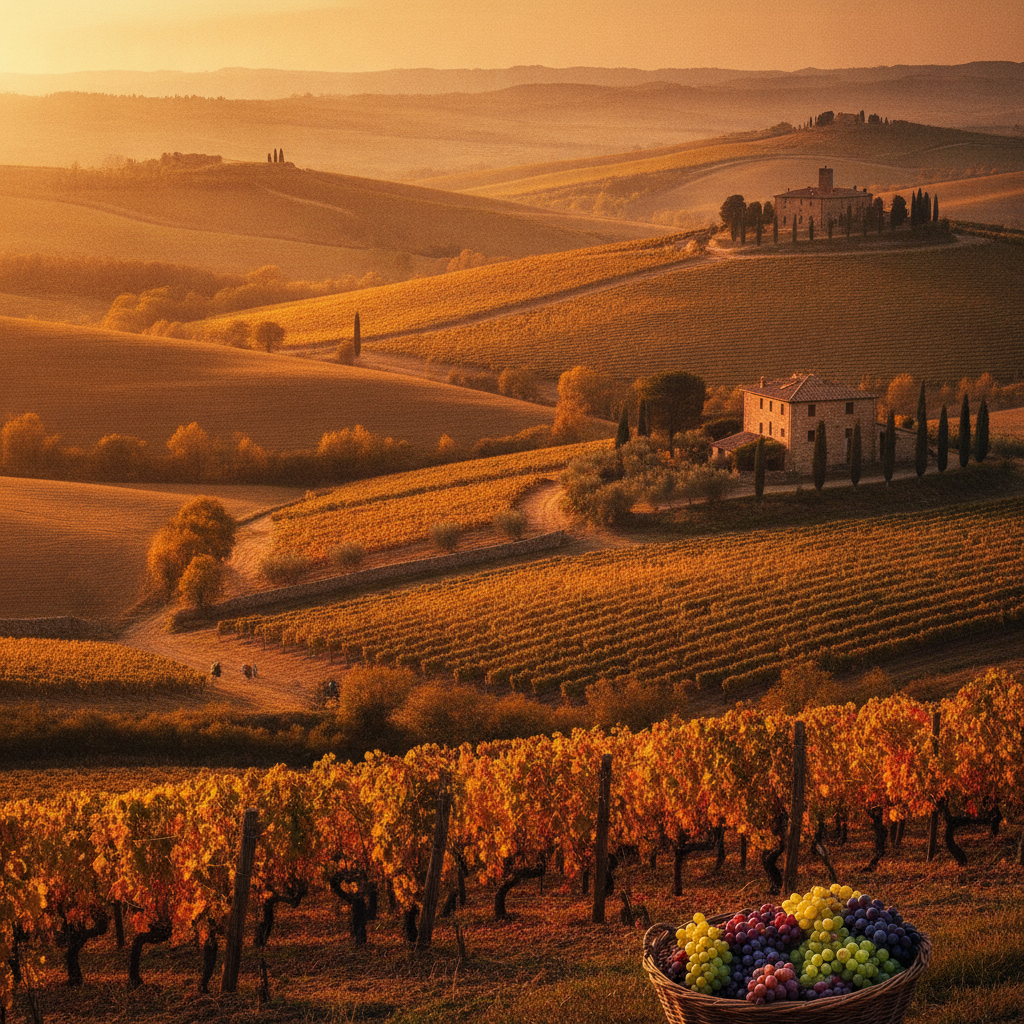
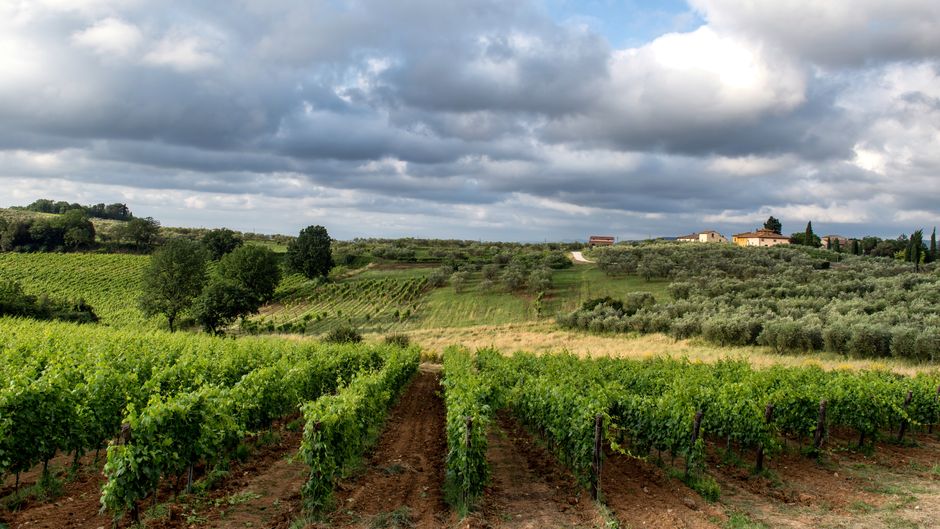
The success of Tuscan wine is rooted in a territory exceptionally suited for viticulture. The rolling hills, the Mediterranean climate tempered by the influence of the Apennines, and the diversity of soils create ideal conditions for cultivating indigenous and international grape varietals. Sangiovese, in particular, is the undisputed king of the region, giving rise to wines of great structure, complexity, and longevity such as Chianti Classico, Brunello di Montalcino, and Vino Nobile di Montepulciano.
In addition to these pillars, Tuscany boasts a rich range of other appellations and wine types that deserve attention:
- Vernaccia di San Gimignano: The only Tuscan white wine with a Controlled and Guaranteed Designation of Origin (DOCG), known for its freshness and mineral character.
- Sweet and Passito Wines: Such as Vin Santo, a meditation wine with a unique flavor, made from dried grapes.
The diversity of the Tuscan wine landscape, ranging from the Tyrrhenian coast to the inland hilly areas, is reflected in the variety and richness of its wines, offering a spectrum of choices to satisfy every palate and market demand.
What Are the Key Steps to Exporting Tuscan Wine?
Exporting wine from Italy to international markets requires a thorough understanding of the customs, health, and labeling regulations specific to each destination country. While each market has its peculiarities, there are general principles and common documents that facilitate the process.
Phase 1: Buyer Contact and Qualification is crucial. Before initiating any negotiation, it is essential to verify the solidity of the potential commercial partner. This includes requesting information on their business registration, import licenses for alcoholic beverages (mandatory in many non-EU markets), bank or trade references, and their import history of other Italian producers. A preliminary credit risk analysis, potentially supported by credit check services or credit insurance (such as those offered by SACE), can prevent unpleasant surprises related to buyer insolvency.
Phase 2: Commercial Offer and Negotiation involves the winery sending a proforma invoice. This non-fiscal but essential document for negotiations must detail:
- Product descriptions (appellation, vintage, bottle size).
- Minimum Order Quantity (MOQ).
- Unit price and currency.
- Proposed Incoterm (as defined by the International Chamber of Commerce - ICC).
- Requested payment terms.
The proforma serves as the basis for negotiation, which may lead to agreed-upon amendments between the parties.
Subsequently, Phase 3: Arrival, Customs Clearance, and Delivery requires the importer (or their customs broker) to submit the necessary documents to the import customs office. Duties, VAT, and local excise taxes will be paid here. Health inspections or additional labeling might be required, depending on the country's regulations (e.g., COLA registration in the USA, harmonised certificate in China). Only after completing these procedures can the goods be distributed in the market.
Documents such as the wine analysis certificate and certificate of origin are often required by customs along with import documents. Label compliance is a critical point, which must adhere to EU regulations and those specific to the destination country, including the potential addition of local sticker labels with additional information or translations.
For specific markets, such as Estonia, it is necessary to verify language requirements for labels, any health warnings, and extended nutritional information, filling in information gaps not covered by ICE guides. In Norway, it is essential for the buyer to be a registered "wholesaler-importer" with the Norwegian Directorate of Customs and Duties and to hold an framework agreement with Vinmonopolet (if operating through the monopoly channel). It is also necessary to indicate the customs code (HS code 22.04 for wines) on the invoice for correct CN classification.
Phase 4: Post-Shipment Communication and Traceability involves sending copies of transport documents to the buyer and, if stipulated by a Letter of Credit (LC), presenting them to the bank for collection. Promptly communicating the tracking number, ETA (estimated time of arrival), and scanned documents facilitates the importer's customs clearance preparation.
What Opportunities Does the Tuscan Wine Market Offer?
Tuscan wine enjoys an excellent reputation in international markets, facilitating entry for new importers and consolidating the position of existing partners. Global demand for quality, authentic wines with a strong territorial identity, like those from Tuscany, is constantly growing.
What Foreign Buyers Seek in Tuscan Wine:
- Authenticity and Appellation: Wines with recognized appellations (DOCG, DOC) and those that tell a story tied to the territory and indigenous grape varieties are particularly appreciated.
- Consistent Quality: The ability to maintain high quality standards over time is fundamental to building buyer trust.
- Growth Potential: Buyers are interested in partners who offer good value for money and have growth potential in their market.
- Marketing and Commercial Support: The availability of promotional materials, participation in industry trade shows, and support in defining local marketing strategies are elements that make a difference.
- Innovation While Respecting Tradition: Wines that, while respecting tradition, present elements of innovation (e.g., Super Tuscans, new interpretations of indigenous varietals) can attract a more discerning consumer segment seeking novelty.
For Tuscan wineries that are part of our producer pool, the region represents a strategic reference market. Wineries within our network have already established solid relationships with importers and distributors worldwide, offering a strong foundation for international expansion. This pool of diverse Tuscan wineries benefits from in-depth knowledge of export dynamics and privileged access to qualified contacts, facilitating the meeting of supply and demand.
How Can an Export Manager Succeed with Tuscan Wine?
For an export manager working with Tuscan wine, adopting a strategic and proactive approach is essential:
- Research and Select the Ideal Partner: Not all markets are the same, nor do all importers have the same needs. It is crucial to identify partners who understand and value Tuscan wine, who have an adequate distribution network, and who share the winery's long-term vision. For example, in the Austrian market, it is important to clarify whether the target positioning is premium HORECA or retail/discount, assess the partner's ability to handle small volumes and specific appellations, and verify their references for Italian wines.
- Understand Local Dynamics: Each market has its nuances. Delving into the importer's licensing requirements, specific rules on alcohol e-commerce (as suggested for Spain through the ICE office in Madrid), or customs and tax regulations (such as verifying who bears VAT and customs excise duty at customs) is an indispensable step.
- Build Solid Relationships: Wine export is a business based on trust and relationships. Clear, transparent, and constant communication with the importer, coupled with careful monitoring of operational KPIs (sell-in/sell-out, payment times, returns/damages), is the key to a lasting and profitable partnership.
- Adapt and Be Flexible: Being ready to adapt one's strategies and offers based on market and partner needs is crucial. This may include customizing labels, defining specific commercial agreements, or offering targeted marketing support.
- Leverage ICE Resources and Other Sources: ICE guides (such as those for Estonia, Austria, Spain) are valuable resources for understanding the regulations and specificities of each market. Sources like the Federación Española del Vino (FEV), the Observatorio Español del Mercado del Vino (OEMV), or entities like Vinaty and BestWineImporters for Austria, offer useful statistical and market data.
Tuscan wine represents a prime business opportunity for foreign buyers and importers. Knowing the product, understanding the regulations, selecting the right partners, and building solid relationships are the cornerstones for success in exporting these Italian enological excellences.
Contact us to discover how our network of diverse Tuscan wineries can meet your import needs.
Frequently Asked Questions
What are the most requested Tuscan wines abroad?
Foreign buyers seek wines with recognized appellations (DOCG, DOC) and those that tell a story tied to the territory and indigenous grape varieties, such as Sangiovese. Wines like Chianti Classico, Brunello di Montalcino, and Vino Nobile di Montepulciano are particularly appreciated.
What documents are essential for exporting Tuscan wine?
Documents such as the wine analysis certificate and certificate of origin are often required by customs. Label compliance with EU regulations and those of the destination country is a critical point.
How can I verify the solvency of a potential foreign buyer?
It is essential to request information on their business registration, import licenses for alcoholic beverages, bank or trade references, and their import history of other Italian producers.