Umbrian wine: the 2 DOCGs, 13 DOCs and 6 IGTs, the grapes, the zones and what to check before importing
Wines Export Editorial · Last updated:
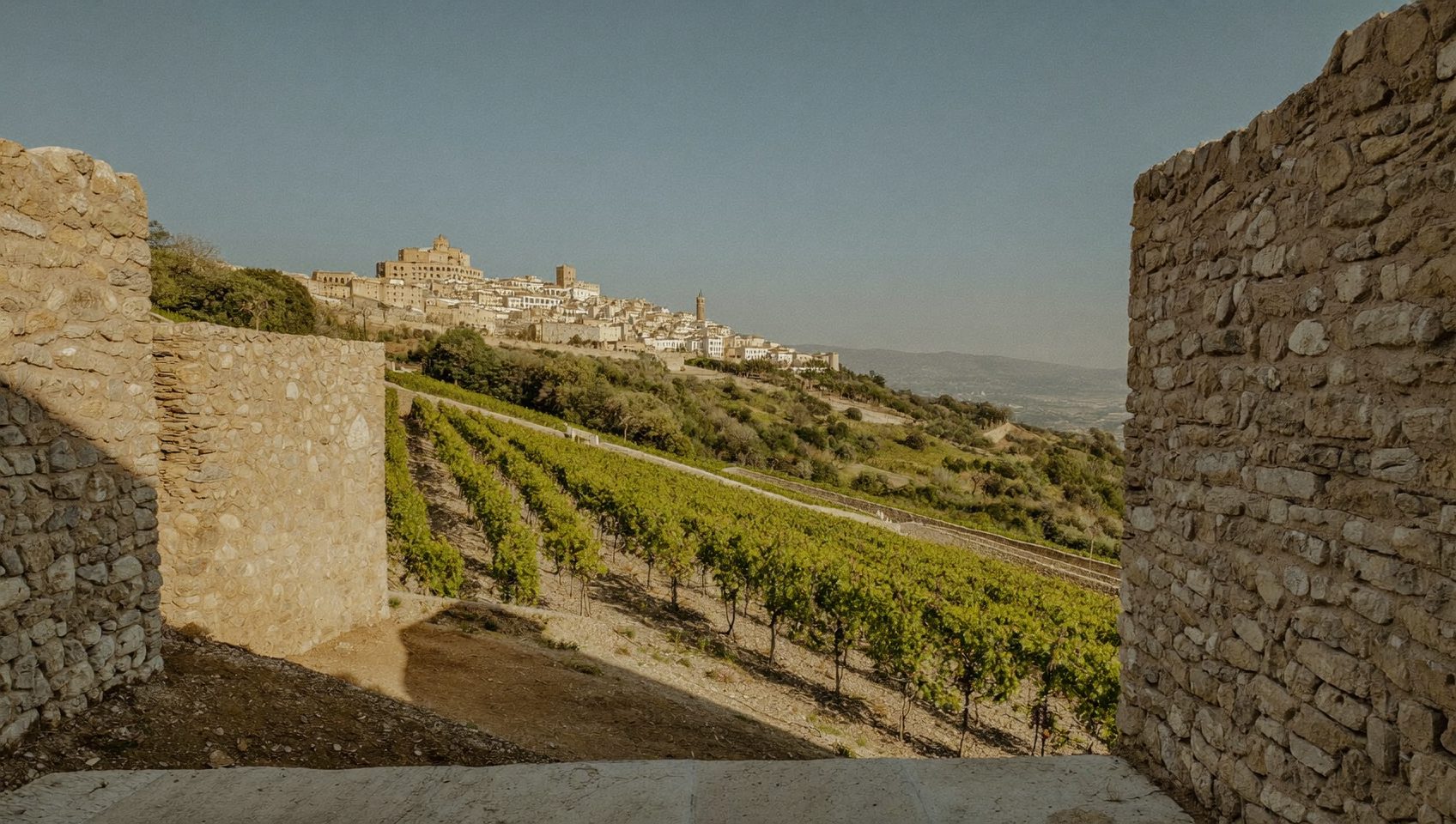
Umbria has 21 wine designations: 2 DOCG, Montefalco Sagrantino and Torgiano Rosso Riserva, 13 DOC, including Orvieto, Montefalco and Spoleto, and 6 IGT, the broadest of which is IGT Umbria (Federdoc sheet on Umbria; Masaf production rules). Wine vineyards covered 12,708 hectares in 2025, slightly down from 12,761 in 2024, and the 2024 harvest gave about 390,000 hectolitres; the most planted varieties are Trebbiano Toscano, Grechetto and Chardonnay among the whites, Sangiovese, Merlot and Sagrantino among the reds (Regione Umbria, vine plant-health review 2024-2025, 13 November 2025). The two provinces split the zones: both DOCG and nine of the thirteen DOC draw their grapes from the province of Perugia, while Orvieto, Rosso Orvietano, Lago di Corbara and Amelia lie in the province of Terni; Orvieto also crosses into the province of Viterbo, in Lazio (Orvieto DOC rules, art. 3).
This page is the map of the region and points to the guides that cover each wine in depth. The best-known red is in Sagrantino: Montefalco DOCG and Montefalco Rosso; the two white grapes behind Orvieto are in Grechetto: Orvieto, Todi and the rules and Trebbiano Toscano: synonyms, Orvieto and Vin Santo; the red of the Amelia area in Ciliegiolo: the grape, Amelia and other DOCs, and the grape behind Torgiano and Montefalco Rosso in Sangiovese: biotypes and designations. The province pages are Perugia wineries and export and Terni wineries and export.
How many designations does Umbria have, and where are they?
Two DOCG, thirteen DOC and six IGT. The DOCGs are two red wines from small zones; the DOCs range from the single municipality of Torgiano to zones of more than fifteen municipalities, such as Orvieto; the IGTs cover one municipality (Bettona, Spello), a group of municipalities or the whole region.
| Designation | Type | Grape zone | Base grapes (art. 2) | First recognised |
|---|---|---|---|---|
| Montefalco Sagrantino | DOCG | Montefalco and parts of Bevagna, Gualdo Cattaneo, Castel Ritaldi, Giano dell'Umbria (PG) | Sagrantino 100% | DOC 1979, DOCG 1992 |
| Torgiano Rosso Riserva | DOCG | municipality of Torgiano (PG) | Sangiovese 70 to 100% | DOC 1978, DOCG 1990 |
| Torgiano | DOC | municipality of Torgiano (PG) | Red: Sangiovese from 50%; White: Trebbiano Toscano 20 to 70% | 1968 |
| Orvieto | DOC | 13 municipalities in the province of Terni and 5 in the province of Viterbo | Trebbiano Toscano (Procanico) and Grechetto at least 60% | 1971 |
| Colli del Trasimeno or Trasimeno | DOC | 10 municipalities around the lake (PG) | Red: Sangiovese at least 40%; White: Trebbiano at least 40% | 1972 |
| Montefalco | DOC | same zone as Sagrantino (PG) | Red: Sangiovese 60 to 80%, Sagrantino 10 to 25%; White: Trebbiano Spoletino at least 50% | 1979 |
| Colli Altotiberini | DOC | upper Tiber valley, from San Giustino to Gubbio and Perugia (PG) | Sangiovese at least 50%; Trebbiano Toscano at least 50% | 1980 |
| Colli Perugini | DOC | parts of 6 municipalities in the province of Perugia and San Venanzo (TR) | Sangiovese at least 50%; Trebbiano Toscano at least 50% | 1981 |
| Colli Martani | DOC | Gualdo Cattaneo, Giano dell'Umbria and parts of 11 other municipalities (PG) | Sangiovese at least 50%; Trebbiano Toscano at least 50% | 1988 |
| Amelia | DOC | 14 municipalities around Amelia, including Terni (TR) | Sangiovese at least 50%; Trebbiano Toscano at least 50% | 1989 |
| Assisi | DOC | parts of Assisi, Perugia and Spello (PG) | Sangiovese 50 to 70% and Merlot 10 to 30%; Trebbiano 50 to 70% and Grechetto at least 10% | 1997 |
| Lago di Corbara | DOC | Baschi and some hamlets of Orvieto (TR) | Cabernet Sauvignon, Merlot, Pinot Noir, Sangiovese at least 70%; Grechetto and Sauvignon at least 60% | 1998 |
| Rosso Orvietano or Orvietano Rosso | DOC | 14 municipalities around Orvieto (TR) | nine red grapes, including Sangiovese, Ciliegiolo, Aleatico and Merlot, at least 70% | 1998 |
| Todi | DOC | Todi, Massa Martana, Monte Castello di Vibio, Collazzone (PG) | White: Grechetto at least 50%; Red: Sangiovese at least 50% | 2010 |
| Spoleto | DOC | Montefalco and parts of Campello sul Clitunno, Castel Ritaldi, Foligno, Spoleto, Trevi (PG) | Trebbiano Spoletino at least 85% | 2011 |
| Umbria | IGT | provinces of Perugia and Terni | grapes approved in Umbria | 1995 |
| Allerona | IGT | Allerona, Castel Viscardo, Castel Giorgio (TR) | grapes approved in Umbria | 1995 |
| Bettona | IGT | municipality of Bettona (PG) | grapes approved in Umbria | 1995 |
| Cannara | IGT | Cannara, Bettona, Bevagna (PG) | reds only, also passito | 1995 |
| Narni | IGT | Amelia and Narni area (TR) | grapes approved in Umbria | 1995 |
| Spello | IGT | municipality of Spello (PG) | grapes approved in Umbria | 1995 |
Sources: production rules of each designation, art. 1-3 and the header listing the approval decrees (Masaf); regional list in the Federdoc sheet on Umbria. For some DOCs the Federdoc sheet gives older percentages: for Torgiano Bianco and Spoleto the rules in force apply.
Torgiano is the Umbrian DOC with the oldest decree, dated 20 March 1968; Todi and Spoleto are the newest, from 2010 and 2011. All six IGTs were recognised by the same decree of 18 November 1995 (headers of the production rules).
The two DOCGs: Montefalco Sagrantino and Torgiano Rosso Riserva
Both are reds for ageing, with low yields and rules on the release date: the first is a single grape, the second is a Sangiovese.
| Rule | Montefalco Sagrantino DOCG | Torgiano Rosso Riserva DOCG | Source |
|---|---|---|---|
| Grapes | Sagrantino 100% | Sangiovese 70 to 100%, other non-aromatic reds up to 30% | art. 2 |
| Types | Secco and Passito | one only, Riserva | art. 1 |
| Grape yield per hectare | 8 tonnes | 8 tonnes | art. 4 |
| Grape-to-wine yield | 65% for Secco (52 hl/ha), 35% for Passito (28 hl/ha) | 65% | art. 5 |
| Ageing | 33 months from 1 December of the harvest year, 12 of them in oak for Secco, plus 4 months in bottle | 36 months from 1 November of the harvest year, 12 in wood and 6 in bottle | art. 5 |
| Minimum alcohol at release | Secco 13% (13.5% with "Vigna"); Passito 18%, with residual sugar between 80 and 180 g/l | 12.5% | art. 6 |
| Where it is made | in the municipalities of the zone; exemptions for long-standing cellars in Foligno and Spoleto | Torgiano and neighbouring municipalities | art. 5 |
A 2022 Montefalco Sagrantino therefore cannot be sold before 1 January 2026 (33 months from 1 December 2022, then 4 months in bottle); a 2022 Torgiano Rosso Riserva completes its 36 months on 1 November 2025. Grape, zone, Passito and the Montefalco Consortium's figures are in the Sagrantino guide; the Sangiovese of Torgiano is compared with Chianti, Brunello and Nobile in the Sangiovese guide.
Orvieto: the white that sits between Umbria and Lazio
Orvieto is a white from Trebbiano Toscano (Procanico) and Grechetto, together at least 60 per cent, with other white grapes approved in Umbria and in the province of Viterbo up to 40 per cent (Orvieto DOC rules, art. 2). The grapes come from 13 municipalities in the province of Terni, including Orvieto, Allerona, Baschi and Ficulle, and from 5 in the province of Viterbo: Castiglione in Teverina, Civitella d'Agliano, Graffignano, Lubriano and Bagnoregio (art. 3).
| Rule | What it says | Source |
|---|---|---|
| Classico | grapes from the oldest zone, delimited by decree of 23 October 1931; the word may not be larger than "Orvieto" | art. 3 and 7 |
| Types | secco, abboccato, amabile, dolce, superiore, vendemmia tardiva (only with superiore) and muffa nobile | art. 1 |
| Grape yield per hectare | 11 tonnes; 8 for superiore; 7 for vendemmia tardiva | art. 4 |
| Superiore | grapes with the minimum natural alcohol set in art. 4, wine released after 1 March of the year after the harvest | art. 5 |
| Label | vintage compulsory; "riserva", "extra", "fine", "scelto", "selezionato" forbidden | art. 7 |
| The name UMBRIA | optional, below the words Denominazione di Origine Controllata or Protetta, in characters no taller than those of ORVIETO and in the same style | art. 7 |
The UMBRIA indication rests on article 29, paragraph 6, of Italian Law 238/2016 and is in the text in force, last amended by decree of 24 June 2025 (Gazzetta Ufficiale no. 155 of 7 July 2025) (Orvieto DOC rules, header and art. 7). An Orvieto "Riserva" does not exist: if a spec sheet shows one, the sheet is wrong.
The role of the two grapes in Orvieto is explained in the guides to Grechetto and Trebbiano Toscano. The red DOC Rosso Orvietano comes from the same area, while the Lazio shore of Lake Bolsena is covered in Lazio wine and in Est! Est!! Est!!! di Montefiascone.
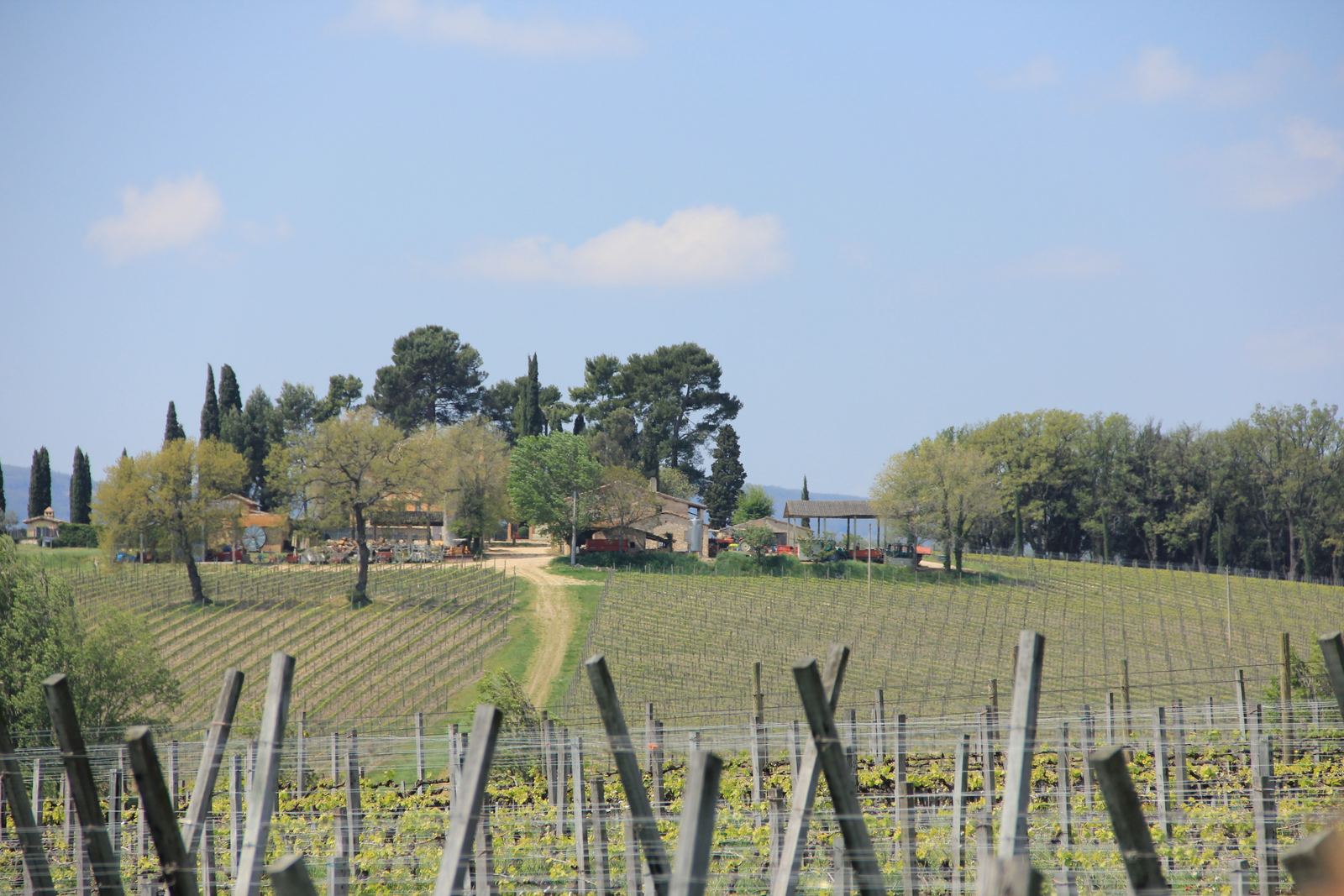
Montefalco and Spoleto: Sagrantino, Sangiovese and Trebbiano Spoletino
The DOCG and two DOCs share the land around Montefalco. The Montefalco DOC has four wines: Bianco, at least 50 per cent Trebbiano Spoletino; Grechetto, at least 85 per cent Grechetto; Rosso and Rosso Riserva, with Sangiovese 60 to 80 per cent and Sagrantino 10 to 25 (Montefalco DOC rules, art. 1 and 2). The Rosso is released from 1 May of the second year after the harvest, after at least 18 months of ageing; the Riserva from 1 May of the third year, after 30 months, 12 of them in wooden casks (art. 5).
The Spoleto DOC, created in 2011, is devoted to a single grape, Trebbiano Spoletino, at least 85 per cent, in four types: Trebbiano Spoletino, Riserva, Passito and Spumante (Spoleto DOC rules, art. 1 and 2). The rules allow skin maceration and maturation in wood; the Riserva is released from 1 May of the second year after the harvest after at least 18 months of ageing, 3 of them in bottle (art. 5). Trebbiano Spoletino is a different variety from Trebbiano Toscano: the differences between the Trebbianos are set out in the Trebbiano Toscano guide.
The other DOCs: from Lake Trasimeno to Amelia
Each Umbrian DOC has a base wine and a set of types named after a grape, which as a rule require at least 85 per cent of that grape (art. 2 of the production rules).
| DOC | What sets it apart | Source |
|---|---|---|
| Torgiano | thirteen types, including Rosso, Bianco, Rosato, Spumante, Spumante Rosé, Vendemmia Tardiva, Vin Santo and six varietals (Merlot, Chardonnay, Pinot Grigio, Riesling Italico, Cabernet Sauvignon, Pinot Nero) | art. 1 |
| Colli del Trasimeno | the only Umbrian DOC with Gamay on the label, also Riserva; the rules call it Gamay del Trasimeno; white and rosé traditional-method sparkling | art. 1, 2 and 9 |
| Colli Martani | Grechetto di Todi and Vernaccia Nera among the types, plus Sangiovese, Cabernet Sauvignon and Merlot, also Riserva | art. 1 |
| Todi | Grechetto and Sangiovese, also Superiore; Grechetto also Passito | art. 1 |
| Amelia | Ciliegiolo and Ciliegiolo Riserva, Malvasia, Vin Santo and Vin Santo Occhio di Pernice | art. 1 |
| Lago di Corbara | almost every type also as Riserva, plus Vendemmia Tardiva and Passito | art. 1 |
| Rosso Orvietano | reds only, with nine grapes allowed on the label, Aleatico included | art. 1 |
| Assisi | Grechetto and international varietals, Cabernet Sauvignon, Merlot and Pinot Nero also Riserva | art. 1 |
| Colli Perugini | white, red, novello, spumante, Vin Santo and seven varietals | art. 1 |
| Colli Altotiberini | Bianco also Superiore and Spumante, Rosso also Riserva, Trebbiano, Grechetto and three red varietals | art. 1 |
Vin Santo can be made in four Umbrian DOCs: Amelia, Colli del Trasimeno, Colli Perugini and Torgiano (art. 1); the rules on the term are in the Vin Santo guide. International grapes have room in many DOCs: the Merlot rules are in the Merlot guide, Chardonnay in the Chardonnay guide, Aleatico in Aleatico: grape and designations and Vernaccia Nera in the four Vernaccias.
The six IGTs: Umbria and five local ones
IGT Umbria covers the whole territory of the provinces of Perugia and Terni and allows whites, reds and rosés, also frizzante, passito and novello (IGT Umbria rules, art. 2 and 3). To name a grape on the label the wine needs at least 85 per cent of it; with two grapes the wine must come only from those two (art. 2). The same rules apply to Allerona, Bettona, Narni and Spello; Cannara is reserved for reds, including passito (IGT Allerona, Bettona, Cannara, Narni and Spello rules, art. 2).
For a buyer, IGT is the regional wine outside the DOC blend rules: a Sagrantino or a Grechetto from outside the zone, a blend of international grapes, a red that does not follow a DOC's ageing times. On a spec sheet the acronym tells you where the grapes may come from, not the level of the wine.
Umbria's grape varieties
Among the varieties most planted in the region, Regione Umbria lists Trebbiano Toscano, Grechetto, Chardonnay, Sangiovese, Merlot and Sagrantino (vine plant-health review 2024-2025). Alongside these, a few local grapes give their name to one designation only.
| Grape | Where it matters | Guide |
|---|---|---|
| Sagrantino | Montefalco Sagrantino DOCG (100%), Montefalco Rosso (10-25%) | Sagrantino |
| Sangiovese | Torgiano Rosso Riserva (70-100%), Montefalco Rosso (60-80%), base of almost every DOC red | Sangiovese |
| Grechetto | Orvieto (with Trebbiano at least 60%), Todi Bianco (at least 50%), varietals in nine DOCs | Grechetto |
| Trebbiano Toscano (Procanico) | Orvieto and the base whites of Amelia, Colli Martani, Colli Perugini, Colli Altotiberini and Torgiano | Trebbiano Toscano |
| Trebbiano Spoletino | Spoleto DOC (at least 85%), Montefalco Bianco (at least 50%) | the Trebbianos compared |
| Ciliegiolo | Amelia Ciliegiolo, Rosso Orvietano, Trasimeno Rosso | Ciliegiolo |
| Gamay del Trasimeno | Colli del Trasimeno Gamay and Rosso Scelto | Colli del Trasimeno rules |
| Vernaccia Nera | Colli Martani Vernaccia | Vernaccia |
| Merlot, Cabernet Sauvignon, Chardonnay, Pinot Noir | varietals in many DOCs and in the IGTs | Merlot, Chardonnay |
Sources: art. 2 of the production rules cited.
Selling Umbrian wine abroad: what to know
The official sources read for this guide give no recent figure for regional wine exports. The latest public regional figure read dates from 2014: in the regional council, the agriculture councillor reported that Umbrian wine exports had grown 48 per cent over 2009-2011, against 25 per cent for the national average, that they accounted for 0.6 per cent of Italian wine exports, and that the leading markets were the United States and Germany (Legislative Assembly of Umbria, 30 January 2014). For the Montefalco area, the Consortium reported 380 hectares claimed as Montefalco Sagrantino DOCG, with 1.3 million bottles produced in 2025, 510 hectares as Montefalco DOC with 3.2 million bottles, and 12.5 per cent of wines going abroad (WineNews, 4 May 2026).
A useful figure for organic buyers: in 2024 Umbria had 1,952 hectares of organic vineyards, with 677 producers, and 5,155 hectares were enrolled in SQNPI, the national quality scheme for integrated production (Regione Umbria, vine plant-health review 2024-2025).
The routes for an Umbrian winery are those of ageable reds and Grechetto-based whites: wine importers in the United States, wine importers in Germany and exporting wine to Germany; the weight of the acronyms in negotiations is in selling DOCG wine B2B and the market list in wine importers by country. The neighbouring regions are in Tuscan wine, Lazio wine and Marche wine.
Before you send an Umbrian spec sheet to an importer, check five points:
- Release dates. Montefalco Sagrantino: 33 months from 1 December plus 4 in bottle; Torgiano Rosso Riserva: 36 months from 1 November; Montefalco Rosso: from 1 May of the second year.
- Orvieto Classico. Grapes only from the historic 1931 zone; "Classico" no larger than "Orvieto"; vintage compulsory; no "Riserva".
- The name UMBRIA. On Orvieto it is allowed only in the position and size set by art. 7.
- The percentages. Montefalco Rosso with Sagrantino between 10 and 25 per cent; Spoleto with at least 85 per cent Trebbiano Spoletino; an IGT varietal with at least 85 per cent of the grape.
- The right acronym. Montefalco Sagrantino is DOCG, Montefalco Rosso is DOC: mixing them up on a sheet is the easiest mistake.
Frequently asked questions
How many DOCGs does Umbria have?
Two: Montefalco Sagrantino, from Sagrantino grapes only in the Secco and Passito versions, and Torgiano Rosso Riserva, with at least 70 per cent Sangiovese (production rules, art. 1 and 2).
What are the DOCs of Umbria?
Thirteen: Amelia, Assisi, Colli Altotiberini, Colli del Trasimeno or Trasimeno, Colli Martani, Colli Perugini, Lago di Corbara, Montefalco, Orvieto, Rosso Orvietano or Orvietano Rosso, Spoleto, Todi and Torgiano. Orvieto also includes five municipalities in the province of Viterbo (Federdoc sheet; Orvieto DOC rules, art. 3).
Is Orvieto an Umbrian or a Lazio wine?
It is an interregional DOC: the grapes come from 13 municipalities in the province of Terni and 5 in the province of Viterbo. The rules in force, last amended in 2025, allow the optional addition of the name UMBRIA below the DOC or PDO wording (Orvieto DOC rules, art. 3 and 7).
What is the difference between Montefalco Sagrantino and Montefalco Rosso?
Montefalco Sagrantino is a DOCG of Sagrantino only, with 33 months of ageing plus 4 in bottle; Montefalco Rosso is a DOC with Sangiovese 60 to 80 per cent and Sagrantino 10 to 25, on sale from 1 May of the second year after the harvest (Montefalco Sagrantino DOCG and Montefalco DOC rules, art. 2 and 5).
Which grapes are typical of Umbria?
Among the most planted are Trebbiano Toscano, Grechetto, Chardonnay, Sangiovese, Merlot and Sagrantino (Regione Umbria, 2025). Trebbiano Spoletino (Spoleto DOC), Ciliegiolo (Amelia), Gamay del Trasimeno and the Vernaccia Nera of Colli Martani also have their own designation.
How much wine does Umbria produce?
The 2024 harvest gave about 390,000 hectolitres from 12,761 hectares of wine vineyards, down to 12,708 in 2025 (Regione Umbria, vine plant-health review 2024-2025).
Sources
- Lists and production rules of PDO and PGI wines, Italian Ministry of Agriculture, Food Sovereignty and Forests (Masaf): rules for Montefalco Sagrantino DOCG (DM 3 July 2023), Torgiano Rosso Riserva DOCG (DM 3 July 2023), Orvieto DOC (DM 24 June 2025), Montefalco DOC (DM 3 July 2023), Torgiano DOC (DM 3 July 2023), Spoleto DOC, Todi DOC, Amelia DOC, Assisi DOC, Colli Altotiberini DOC, Colli del Trasimeno DOC, Colli Martani DOC, Colli Perugini DOC, Lago di Corbara DOC, Rosso Orvietano DOC; IGT Umbria, Allerona, Bettona, Cannara, Narni and Spello
- Federdoc, sheet of Umbria's DOCGs and DOCs with their grapes
- Regione Umbria, vine plant-health review 2024-2025, 13 November 2025: area, production, varieties, organic
- Legislative Assembly of Umbria, 30 January 2014, wine sector: Umbrian wine exports 2009-2011
- WineNews, 4 May 2026, Sagrantino di Montefalco and the Consortium's figures
Answer four questions about your winery: we will write back.
- Aosta Valley Wine: The DOC, Its Subzones and Grapes
- Trentino-Alto Adige Wine: DOCs, Grapes, Rules, Export
- Veneto Wine: DOCG, DOC, IGT, Grapes and Export
- Tuscan Wine: DOCG, DOC, IGT, Grapes and Export Guide
- Abruzzo Wine: DOCG, DOC, IGT and Grapes for Export
- Sicilian wine: DOCG, DOC, IGT, grapes, areas and export