Wines from Trentino-Alto Adige: Opportunities for the International Market
Trentino-Alto Adige, a bilingual region located in the heart of the Italian Alps, represents a territory of extraordinary viticultural vocation. With a history rooted in tradition and a constant eye on innovation, this region offers foreign buyers and importers a panorama of high-quality wines, characterized by a strong link to the land and excellent aging potential. From the fresh, aromatic notes of its whites to the intense nuances of its reds, Trentino-Alto Adige wine stands out for its elegance and versatility, making it an increasingly interesting market opportunity for those seeking Italian excellence.
This guide is designed to provide international operators with a comprehensive overview of the Trentino-Alto Adige wine sector, analyzing its appellations, main grape varietals, unique wine characteristics, and market prospects, with a focus on the specific needs of buyers and importers. In-depth information: Federdoc — National Confederation of Italian Wine Protection Consortia.
Appellations and Sub-zones: A Mosaic of Excellence
The Trentino-Alto Adige wine region is characterized by a system of appellations that guarantees its origin and quality. The main appellation is DOC Alto Adige/Südtirol, which encompasses a vast territory and includes several sub-zones, each with distinctive peculiarities.
Among the most renowned sub-zones are:
- Colli di Bolzano (Bozner Leiten): This area, including parts of the municipalities of Laives, Terlano, San Genesio, Bolzano, Renon, Fiè, and Cornedo, is known for producing elegant and structured wines.
- Meranese (Meraner): Concentrated in the municipalities of Merano, Caines, Cermes, Gargazzone, Lagundo, Lana, Marlengo, Postal, and Rifiano, this sub-zone produces wines that reflect the alpine terroir.
- Santa Maddalena (St. Magdalener): Famous for its red wines, this appellation extends across municipalities like Bolzano and its surroundings.
- Terlano: Recognized for its high-quality white wines, particularly those based on Pinot Bianco and Chardonnay.
- Caldaro (Kalterer): Historically linked to the production of red wines based on Schiava, Pinot Noir, and Lagrein.
- Casteller: Another appellation that values grape varietals such as Schiava, Merlot, and Lambrusco.
- Sorni: Known for a variety of wines, both white and red, produced from grape varietals like Schiava, Teroldego, Lagrein, Nosiola, Müller-Thurgau, Sylvaner, and Pinot Bianco.
In addition to the DOC Alto Adige/Südtirol, Trentino boasts its own DOC, which currently covers 52 wines, approximately 80% of the total production, while the remaining 20% falls under the Indicazione Geografica Tipica (IGT) designation. This richness of appellations and sub-zones offers buyers a wide range of choices, allowing them to meet diverse market needs and taste profiles.
Indigenous and International Varietals: A Perfect Balance
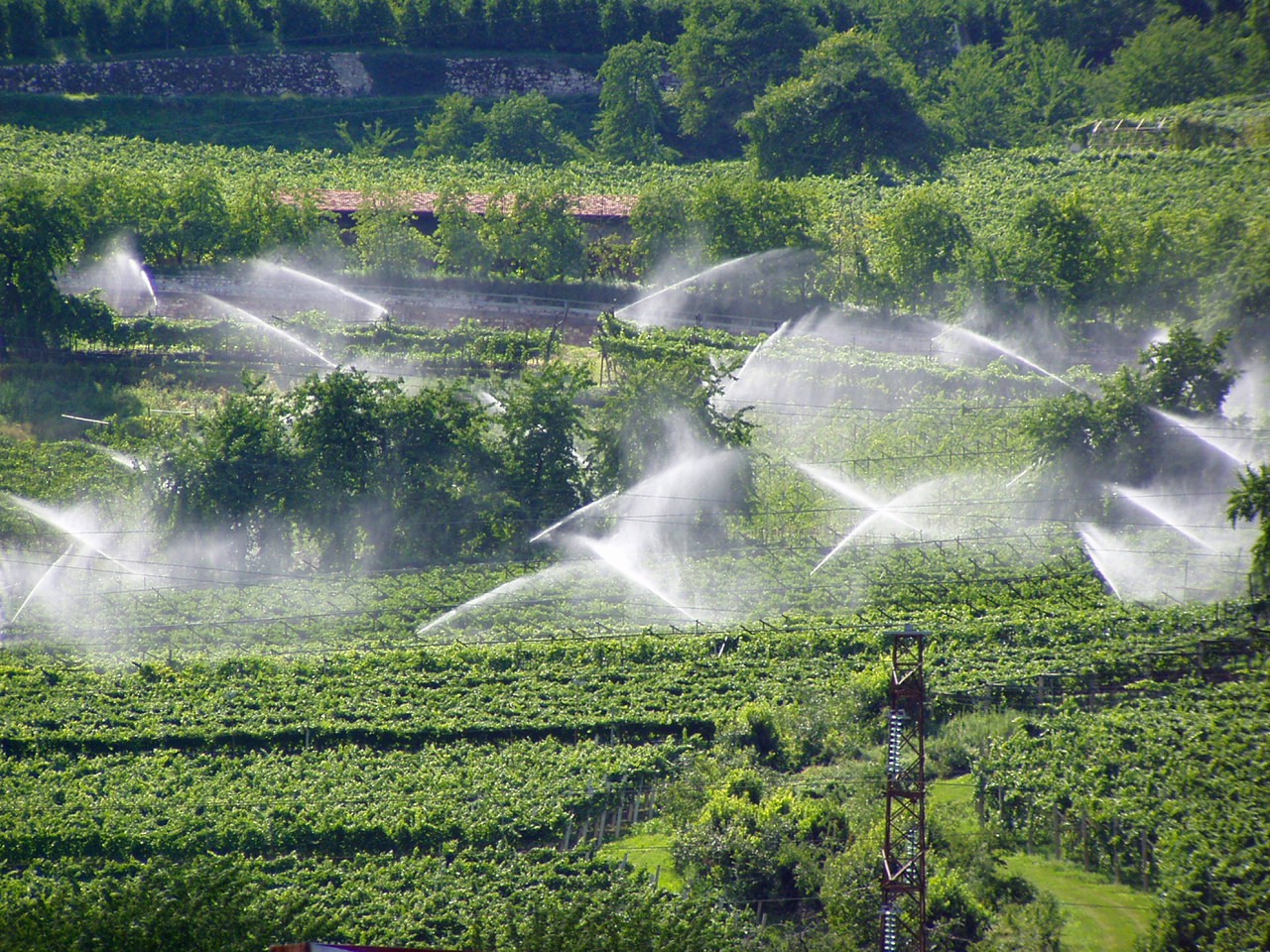
The Trentino-Alto Adige wine landscape is a fascinating blend of indigenous grape varietals, with deep roots in the region's history, and international varieties that have found an ideal terroir here to express themselves at their best.
Among the most representative indigenous grape varietals are:
- Teroldego: Considered the "sovereign of Trentino wines," this red grape, likely of Asian origin, thrives particularly in the Rotaliana Plain. It yields wines of intense color, with fruity notes and good structure.
- Lagrein: Another indigenous red grape, highly appreciated for its full-bodied and aromatic wines, with hints of berries and spices. It is present in both Trentino and Alto Adige.
- Marzemino: A red-fruited grape varietal with a long tradition, known for its elegant and fragrant wines.
- Enantio: Another red-fruited indigenous variety, less widespread but of great historical interest.
- Nosiola: The only indigenous white grape varietal, used to produce fresh and aromatic wines, and also for the prized Vino Santo, a traditional passito wine.
Alongside these indigenous treasures, the region has seen the rise of numerous international grape varietals, which have adapted magnificently to the alpine climate and soils:
- Pinot Grigio: Among the most widespread whites, it accounts for a significant portion of production, offering fresh, crisp wines highly appreciated in international markets.
- Chardonnay: Another highly successful white, known for its versatility and ability to produce elegant and complex wines.
- Pinot Bianco: Appreciated for its finesse and aromatic qualities.
- Merlot: Among the most widely cultivated international reds, it contributes to the production of smooth and fruity wines.
- Cabernet Sauvignon and Cabernet Franc: Used both as varietal wines and in blends, they lend structure and aging potential to the wines.
- Sauvignon Blanc: Appreciated for its intense aromas and freshness.
- Traminer Aromatico: Yields intensely fragrant wines with floral and spicy notes.
- Riesling (Italico and Renano): Contributes to the production of aromatic white wines with good acidity.
This varietal diversity, combined with specific pedoclimatic conditions, allows the region to offer a range of wines from light and easy-drinking to complex and age-worthy, thus meeting the demands of an increasingly sophisticated global market.
Regional Characteristics and Climate: Determining Factors
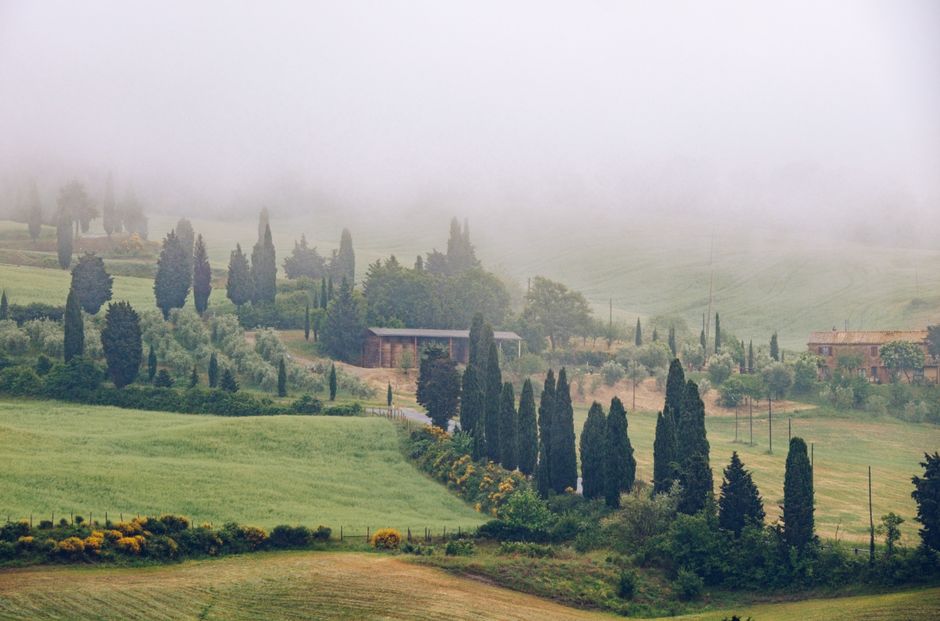
Trentino-Alto Adige enjoys a unique geographical position, nestled among the Alps, which translates into a mosaic of microclimates and terroirs ideal for viticulture. Viticulture in this region extends to remarkable altitudes, reaching 700-900 meters in Trentino and up to 900 meters in the Val Venosta, and 800 meters near Bressanone and Fortezza.
Climatic characteristics vary significantly within the territory:
- Continental-Alpine Climate: In the more inland and higher areas, starting from 1,000 meters, conditions typical of the alpine climate are found.
- Temperate Oceanic Climate: Present in the Adige Valley and the lower stretches of the side valleys, offering milder conditions.
- Sub-Mediterranean Climate: This manifests in the southernmost areas, such as the Lake Garda region and the Adige valley floor, thanks to the mitigating influence of the waters and the favorable southern exposure of the slopes.
The soils are equally varied, composed of loose, aerated soils rich in silt and clay, sometimes with loess deposits. This combination of altitude, sun exposure, and soil type creates optimal environments for cultivating a wide range of grape varietals.
The presence of approximately 5,300 hectares of vineyards in Alto Adige, with an annual production of about 350,000 hectoliters of high-quality wines, testifies to the region's vocation. Total wine production in Trentino, in 2002, reached almost one million quintals of grapes, yielding between 750,000 and 800,000 hectoliters of wine annually (around 70 hl/ha), with a split of 54% white wines and 46% red wines.
These unique environmental conditions impart a strong minerality, vibrant acidity, and a complex aromatic profile to Trentino-Alto Adige wines, making them particularly suitable for export and appreciated by international consumers seeking authentic wines with character.
What Foreign Buyers Look for in Trentino-Alto Adige Wines
Foreign buyers and importers looking to enter the Trentino-Alto Adige wine market seek products that offer a blend of quality, authenticity, aging potential, and a strong link to the territory.
Here are some of the key aspects guiding their decisions:
- Recognized Appellations and Distinctive Sub-zones: Clarity of appellations (DOC, DOCG) and the specificity of sub-zones are fundamental. Buyers appreciate the opportunity to offer their clients wines that tell a story tied to a precise terroir, as is the case with the sub-zones of DOC Alto Adige/Südtirol.
- Quality Indigenous and International Varietals: There is growing interest in indigenous Italian grape varietals, which offer uniqueness and an alternative to more common wines. However, well-interpreted international varietals, such as Pinot Grigio, Chardonnay, and Merlot, remain market pillars due to their recognizability and versatility. The ability to produce high-quality wines from both indigenous and international varieties is a major strength.
- Aging Potential: Trentino-Alto Adige wines, thanks to their structure, acidity, and minerality, often possess excellent aging potential. This is a crucial factor for buyers aiming to build a portfolio of fine wines and cater to a discerning clientele.
- Style and Aromatic Profile: Buyers look for wines that stand out for their freshness, elegance, and aromatic complexity. The region's white wines are often appreciated for their liveliness and fruity/floral notes, while the reds distinguish themselves with their intensity, well-integrated tannins, and spicy or berry nuances.
- Producer Consistency and Reliability: A winery's ability to guarantee consistent production in terms of quality and volume is essential. The producer's reputation, history, and operational transparency are determining factors.
- Labeling and Regulatory Compliance: Compliance with EU regulations and the specific requirements of destination markets is an indispensable prerequisite. This includes correctly preparing the production label, managing any local peel-off labels required by the importer, and providing certificates of analysis and origin.
- Market Opportunities and Segmentation: Buyers are interested in understanding market segmentation (HORECA, retail, duty-free) and potential market niches for Trentino-Alto Adige wines.
In summary, foreign buyers see Trentino-Alto Adige wines as an opportunity to offer high-end products with a strong territorial identity and excellent value for money, capable of satisfying an international clientele seeking authenticity and refinement.
Conclusions and Next Steps for Export
Trentino-Alto Adige confirms itself as a wine region of primary importance for the international market. Its unique combination of alpine terroir, indigenous and international grape varietals, prestigious appellations, and a constant commitment to quality makes it a preferred destination for foreign buyers and importers.
From the fresh notes of Pinot Grigio and Chardonnay to the robust and complex Teroldego and Lagrein, through to the traditional Vino Santo, the offering is vast and diverse, capable of meeting the most demanding requirements. The clarity of appellations and the specificity of sub-zones add a further layer of appeal, allowing for the narration of unique territorial stories.
For wineries wishing to expand their presence in foreign markets, Trentino-Alto Adige represents an excellent starting point. Understanding the needs of international buyers, carefully preparing the necessary documentation, and being able to communicate the uniqueness of one's wines are fundamental steps for success.
If you are a foreign buyer or importer interested in exploring the potential of Trentino-Alto Adige wines, Wines Export is at your disposal to facilitate contact with selected producers and guide you through the complex import process.
Frequently Asked Questions
What are the main wine appellations in Trentino-Alto Adige, and which sub-zones are particularly renowned for specific wines?
The main appellation is DOC Alto Adige/Südtirol, which includes sub-zones such as Colli di Bolzano for elegant wines, Meranese for wines reflecting the alpine terroir, Santa Maddalena for reds, Terlano for high-quality whites, and Caldaro historically for reds based on Schiava, Pinot Noir, and Lagrein. Trentino also has its own DOC for many of its wines.
What are the key indigenous grape varietals from Trentino-Alto Adige, and what characteristics do they impart to the wines?
Key indigenous red varietals include Teroldego, known for its intense color and fruity structure, and Lagrein, producing full-bodied and aromatic wines. The sole indigenous white varietal is Nosiola, used for fresh, aromatic wines and the traditional Vino Santo passito. These varietals contribute unique flavors and regional identity to the wines.
How do the unique climatic and geographical conditions of Trentino-Alto Adige influence the style of its wines?
The alpine environment, with its high altitudes, significant diurnal temperature variations, and diverse soils, leads to wines with distinct characteristics. White wines often exhibit vibrant acidity, minerality, and aromatic complexity. Red wines tend to have good structure, elegant tannins, and nuanced fruit and spice notes. The diverse microclimates allow for the successful cultivation of both indigenous and international varietals, resulting in wines that are fresh, balanced, and possess excellent aging potential.
What are the primary expectations of international buyers when sourcing wines from Trentino-Alto Adige?
International buyers are looking for a combination of quality, authenticity, and a clear link to the territory. They value recognized appellations, the specific character of sub-zones, and wines with good aging potential. Both unique indigenous varietals and well-executed international ones are of interest. Consistency in quality, reliable production, and clear, compliant labeling are also crucial factors.