Puglia Wines: the 4 DOCGs, 28 DOCs, 6 IGTs, the Grapes and the Zones
Wines Export Editorial · Last updated:
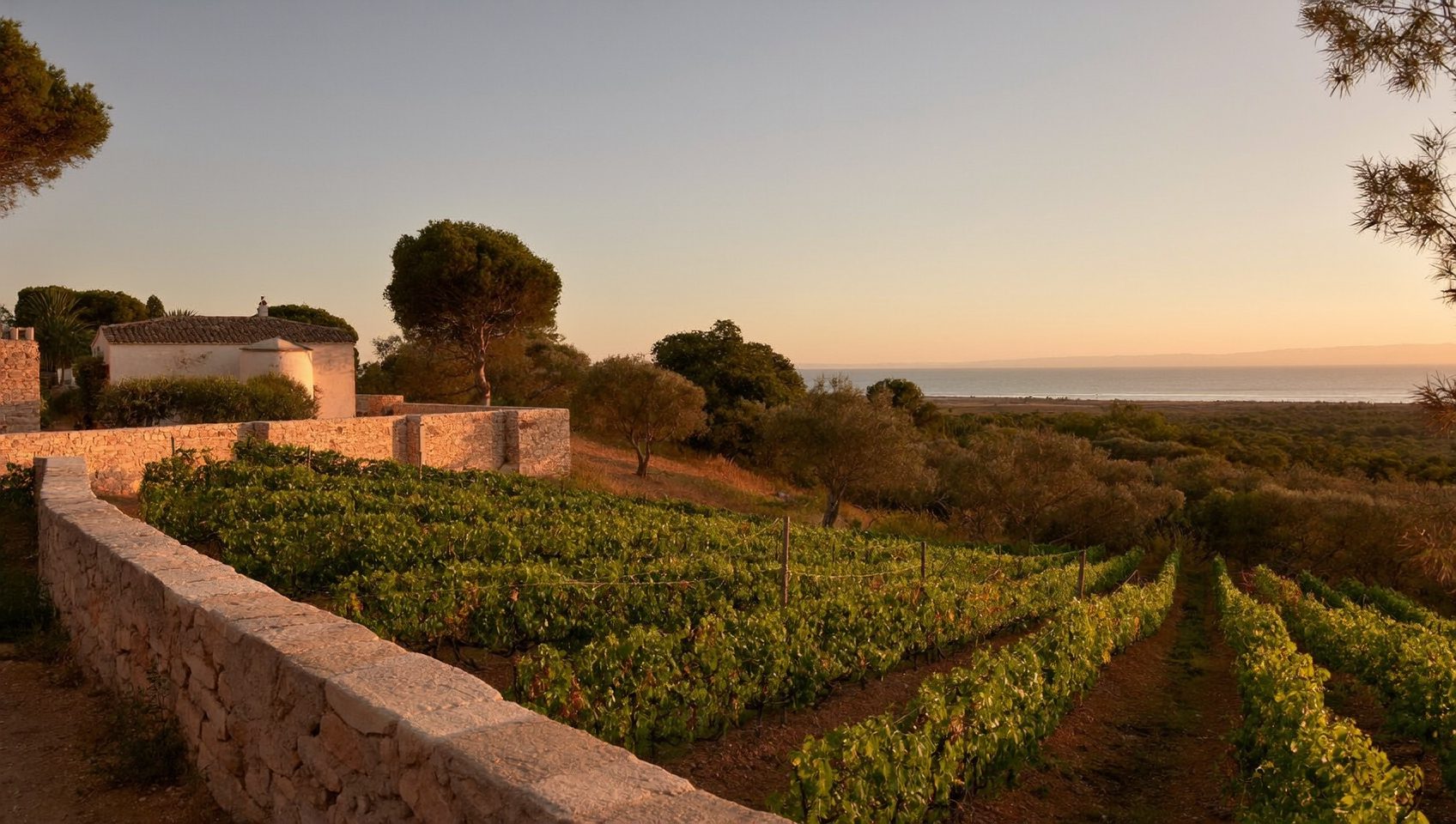
Puglia has 4 DOCGs, 28 DOCs and 6 IGTs in the list of production rules (disciplinari) published by the Italian Ministry of Agriculture: the four DOCGs are the three Castel del Monte wines, created in 2011 from types of the DOC of the same name, and Primitivo di Manduria Dolce Naturale; the six IGTs cover the whole region (Puglia) and five areas (Salento, Tarantino, Daunia, Murgia, Valle d'Itria). The reds rest on three grapes: Primitivo on the Ionian arc and in the Murgia, Negroamaro in Salento, Nero di Troia (Uva di Troia in many rules) in northern Bari province and Capitanata; among the whites, Verdeca and Bianco d'Alessano lead in the Valle d'Itria, Bombino bianco around Foggia, Malvasia bianca and Chardonnay in Salento. In 2025 the region produced 8.4 million hectolitres, 9.7 per cent more than in 2024 and about 19 per cent of Italian wine, on about 93,000 hectares (ISMEA sector report of April 2026, as reported by Teleborsa); wine exports were worth 242.1 million euros, up 5.9 per cent (Istat regional index, as reported by WineNews on 11 March 2026).
This page is the guide to the region and points to the guides on individual wines without repeating them. The grapes have their own guides: Primitivo, Negroamaro, Verdeca, Malvasia bianca, Aleatico and Primitivo rosato; the two DOCs best known abroad are covered in Primitivo di Manduria DOC and DOCG and Salice Salentino DOC.
How many designations does Puglia have, and how are they organised?
Thirty-eight in all: 4 DOCGs, 28 DOCs and 6 IGTs. The DOCs cluster in five areas, which the rules themselves call "homogeneous production zones" when they list the permitted grapes: Capitanata, Murgia Centrale, Salento-Arco Ionico, plus the Valle d'Itria and the Taranto belt.
The dates say a lot about the structure. The oldest DOC is San Severo, approved by presidential decree (DPR) on 19 April 1968; Locorotondo and Martina Franca followed in 1969, Castel del Monte and Matino in 1971, Primitivo di Manduria in 1974. All six IGTs were created by the ministerial decree (DM) of 12 September 1995. In 2011 came the four DOCGs and three new wide-area DOCs: Tavoliere delle Puglie, Negroamaro di Terra d'Otranto and Terra d'Otranto (rules, headers with approval references). The difference between the three categories is explained in DOCG, DOC and IGT: the Italian designation pyramid.
The four DOCGs
Three of the four DOCGs come from the same zone, Castel del Monte, across the provinces of Barletta-Andria-Trani (BAT) and Bari: the whole municipality of Minervino Murge, parts of Andria, Corato, Trani, Ruvo, Terlizzi, Bitonto, Palo del Colle and Toritto, and the D'Ameli enclave of the municipality of Binetto (Castel del Monte DOCG rules, art. 3).
| DOCG | Grape | Wine | Key requirements | Approval |
|---|---|---|---|---|
| Castel del Monte Rosso Riserva | Nero di Troia at least 65 per cent | red | two years of ageing, one in wood, from 1 November of the harvest year; minimum alcohol 13 per cent | DM 4 October 2011 |
| Castel del Monte Nero di Troia Riserva | Nero di Troia at least 90 per cent | red | two years, one in wood, from 1 November; minimum alcohol 13 per cent | DM 4 October 2011 |
| Castel del Monte Bombino Nero | Bombino nero at least 90 per cent | dry rosé | minimum alcohol 12 per cent, residual sugar up to 10 g/l | DM 4 October 2011 |
| Primitivo di Manduria Dolce Naturale | Primitivo 100 per cent | sweet red | grapes with at least 16 per cent natural alcohol, which may be dried on the vine or on racks; at least 13 per cent actual alcohol and 50 g/l residual sugar | DM 23 February 2011 |
Sources: rules of the four DOCGs, art. 2, 4, 5 and 6.
Castel del Monte Bombino Nero is a DOCG reserved for a single wine, a rosé. Dolce Naturale comes from the same zone as the Primitivo di Manduria DOC, in the provinces of Taranto and Brindisi; the differences between the two wines are in Primitivo di Manduria DOC and DOCG and in is Primitivo sweet or dry?.
The northern DOCs: Capitanata, northern Bari and the Murgia
Around Foggia and in northern Bari province, reds are made from Nero di Troia, Montepulciano and Sangiovese, whites from Bombino bianco, Trebbiano and Malvasia bianca.
| DOC | Area | Base of the main wine | Approval |
|---|---|---|---|
| San Severo | Foggia: San Severo, Torremaggiore and nearby municipalities | white: Bombino bianco and Trebbiano, 40 to 60 per cent each; red and rosé: Montepulciano at least 70 per cent, Sangiovese up to 30 | DPR 19 April 1968 |
| Cacc'e mmitte di Lucera | Foggia: Lucera, Troia, Biccari | red from Uva di Troia (locally Sumarello) 35 to 60 per cent, with 15 to 30 per cent white grapes | DPR 13 December 1975 |
| Orta Nova | Foggia: Orta Nova, Ordona and parts of four municipalities | red and rosé from Sangiovese, with other grapes up to 40 per cent | DPR 26 April 1984 |
| Rosso di Cerignola | Foggia: Cerignola, Stornara, Stornarella | Uva di Troia at least 55 per cent, Negroamaro 15 to 30 | DPR 26 June 1974 |
| Tavoliere delle Puglie | 16 municipalities in Foggia province and municipalities in BAT | Nero di Troia at least 65 per cent; 90 for the Nero di Troia type | DM 7 October 2011 |
| Castel del Monte | BAT and Bari, the DOCG zone plus Canosa | white from Pampanuto, Chardonnay or Bombino bianco; red from Nero di Troia, Aglianico or Montepulciano, each up to 100 per cent | DPR 19 May 1971 |
| Barletta | BAT: Barletta, parts of Andria and Trani, San Ferdinando di Puglia, Trinitapoli | red and rosé: Uva di Troia at least 70 per cent; white: Malvasia bianca at least 60 | DPR 1 June 1977 |
| Moscato di Trani | BAT and Bari: Trani, Bisceglie, Corato, Andria and other municipalities | Moscato bianco at least 85 per cent, Dolce Naturale and Liquoroso | DPR 11 September 1974 |
| Gioia del Colle | Bari: 16 Murgia municipalities and part of Altamura | red: Primitivo 50 to 60 per cent; varietal Primitivo at 100; Aleatico at least 85 | DPR 11 May 1987 |
| Gravina | Bari: Gravina in Puglia, Poggiorsini, parts of Altamura and Spinazzola | white: Greco at least 50 per cent and Malvasia bianca at least 20; red: Montepulciano at least 40 and Primitivo at least 20 | DPR 4 June 1983 |
Sources: rules of the ten DOCs, art. 2 and 3, and headers.
Castel del Monte DOC is the broadest designation in the north: besides white, red and rosé it provides varietal types, including Bombino bianco, Chardonnay, Sauvignon, Nero di Troia, Cabernet and Aglianico, also as Riserva (rules, art. 1). Gioia del Colle is the second historic Primitivo zone after Manduria; the two areas are compared in Bari wines: Castel del Monte and Gioia del Colle. Moscato bianco has its own guide in Moscato bianco, Aglianico in Aglianico.
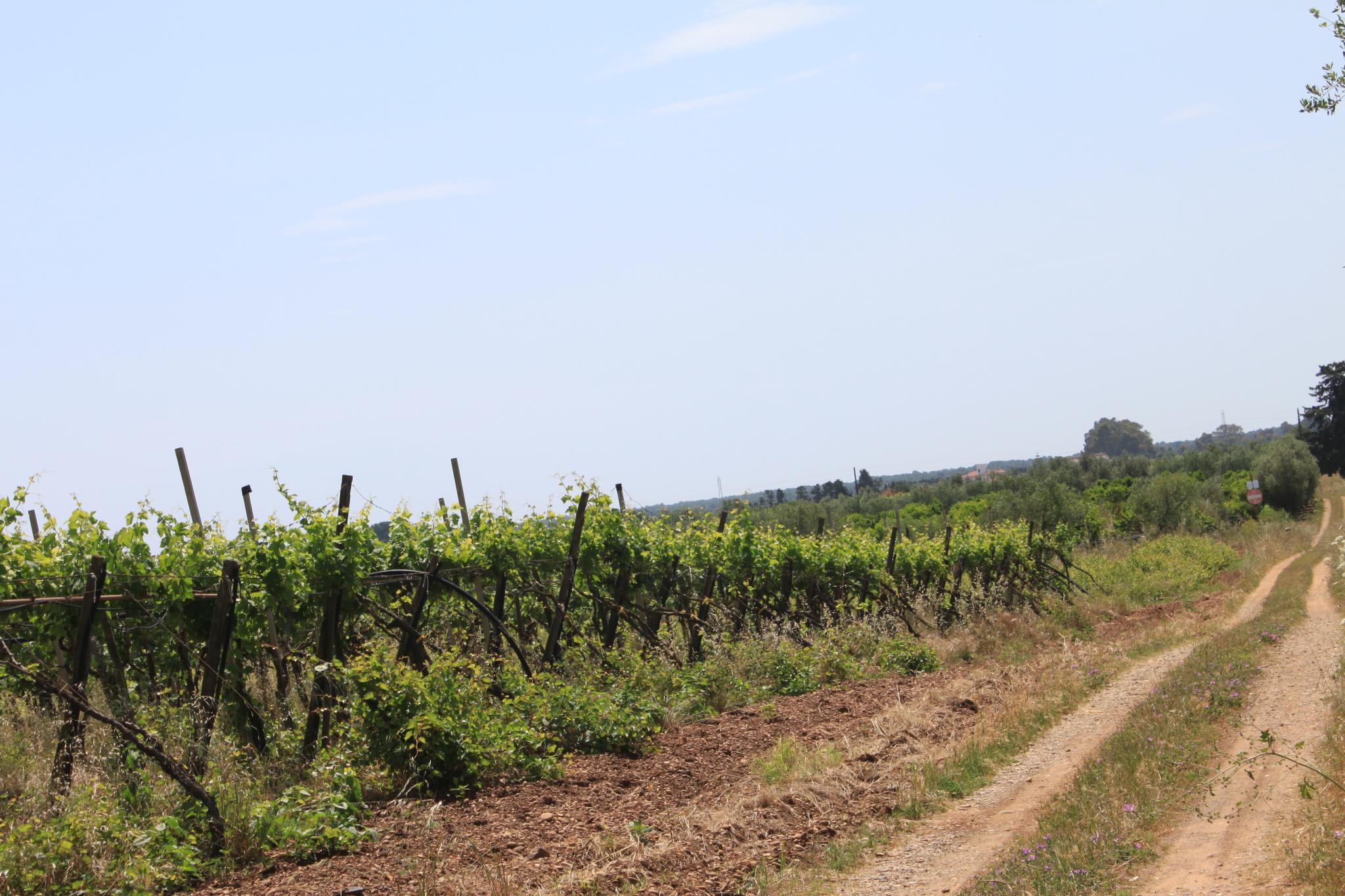
The DOCs of the Valle d'Itria and the Ionian arc
Between Bari, Brindisi and Taranto the hills of the trulli make whites, while the Ionian coast makes reds from Primitivo and Negroamaro.
| DOC | Area | Base of the main wine | Approval |
|---|---|---|---|
| Locorotondo | Locorotondo, Cisternino, part of Fasano | Verdeca at least 50 per cent and Bianco d'Alessano at least 35; also Superiore, Riserva, Spumante, Passito | DPR 10 June 1969 |
| Martina or Martina Franca | Martina Franca, Crispiano, Alberobello, parts of Ceglie Messapico and Ostuni | Verdeca 50 to 65 per cent, Bianco d'Alessano 35 to 50 | DPR 10 June 1969 |
| Ostuni | Brindisi: Ostuni, Carovigno, San Vito dei Normanni, San Michele Salentino and parts of three other municipalities | white: Impigno 50 to 85 per cent and Francavilla 15 to 50; Ottavianello at least 85 | DPR 13 January 1972 |
| Primitivo di Manduria | Taranto and Brindisi | Primitivo at least 85 per cent, red and Riserva | DPR 30 October 1974 |
| Lizzano | Taranto: Lizzano, Faggiano and two enclaves of Taranto | red and rosé: Negroamaro 60 to 80 per cent; Negroamaro and Malvasia nera types at least 85 | DPR 21 December 1988 |
| Colline Joniche Tarantine | Taranto: Laterza, Mottola, Crispiano, Martina Franca and parts of six other municipalities | white: Chardonnay at least 50 per cent; red and rosé: Cabernet Sauvignon at least 50; Verdeca at least 85 | DM 1 August 2008 |
Sources: rules of the six DOCs, art. 1, 2 and 3, and headers.
Among Puglia's rules, Impigno, Francavilla and Ottavianello appear only in the Ostuni one. Verdeca and its whites are covered in Verdeca: Locorotondo, Martina Franca, DOCs and export.
The DOCs of Salento
In the provinces of Brindisi and Lecce, Negroamaro is the base of almost every DOC, with minimum shares from 50 to 90 per cent.
| DOC | Area | Base of the main wine | Approval |
|---|---|---|---|
| Brindisi | Brindisi and Mesagne | Negroamaro at least 70 per cent; Negroamaro and Susumaniello types at least 85 | DPR 22 November 1979 |
| Squinzano | Squinzano, San Pietro Vernotico, Torchiarolo, Novoli and parts of five municipalities | Negroamaro at least 70 per cent; Negroamaro and Susumaniello types at least 85 | DPR 6 July 1976 |
| Salice Salentino | Lecce and Brindisi: Salice Salentino, Veglie, Guagnano, San Pancrazio Salentino, San Donaci and parts of two municipalities | red and rosé: Negroamaro at least 85 per cent; also whites and sweet Aleatico | DPR 8 April 1976, last amended by decree of 19 May 2026 |
| Copertino | Lecce: Copertino, Carmiano, Arnesano, Monteroni and parts of Galatina and Lequile | Negroamaro, with other grapes up to 30 per cent | DPR 2 November 1976 |
| Leverano | Lecce: municipality of Leverano | red: Negroamaro at least 50 per cent; white: Malvasia bianca at least 50 | DPR 15 September 1979 |
| Nardò | Lecce: Nardò and Porto Cesareo | Negroamaro at least 80 per cent | DPR 6 April 1987 |
| Galatina | Lecce: Galatina and six nearby municipalities | white: Chardonnay at least 55 per cent; red and rosé: Negroamaro at least 65 | DM 22 April 1997 |
| Matino | Lecce: Matino and parts of seven municipalities | Negroamaro, with Malvasia nera and Sangiovese up to 30 per cent | DPR 19 May 1971 |
| Alezio | Lecce: Alezio, Sannicola and parts of Gallipoli and Tuglie | Negroamaro, with other grapes up to 20 per cent | DPR 9 February 1983 |
| Negroamaro di Terra d'Otranto | provinces of Brindisi, Lecce and Taranto | Negroamaro at least 90 per cent: red, also Riserva, and rosé, also sparkling and semi-sparkling | DM 4 October 2011 |
| Terra d'Otranto | provinces of Brindisi, Lecce and Taranto | white: Chardonnay at least 75 per cent; red: Negroamaro, Primitivo and black Malvasias at least 75 | decree of 4 October 2011 |
Sources: rules of the eleven DOCs, art. 2 and 3, and headers.
Only one DOC covers all the historic provinces: Aleatico di Puglia, approved by DPR on 29 May 1973, with Aleatico at least 85 per cent in the provinces of Bari, Foggia, Brindisi, Lecce and Taranto (rules, art. 2 and 3); the grape is explained in Aleatico. Negroamaro, its DOCs and Salento rosé are in the Negroamaro guide; the best-known DOC in Salice Salentino DOC.
The six IGTs: what they cover
Puglia's IGTs admit almost every grape suited to their area and allow the grape name on the label. They are the route for a Primitivo or a Negroamaro from outside the DOC zones, and for a rosé labelled Primitivo, which the DOCs do not provide.
| IGT | Territory | Approval |
|---|---|---|
| Puglia | the region's six provinces: Bari, BAT, Brindisi, Foggia, Lecce, Taranto | DM 12 September 1995 |
| Salento | provinces of Brindisi, Lecce and Taranto | DM 12 September 1995 |
| Tarantino | province of Taranto | DM 12 September 1995 |
| Daunia | province of Foggia and three BAT municipalities (Margherita di Savoia, San Ferdinando di Puglia, Trinitapoli) | DM 12 September 1995 |
| Murgia | province of Bari and six BAT municipalities (Barletta, Andria, Trani, Bisceglie, Canosa di Puglia, Minervino Murge) | DM 12 September 1995 |
| Valle d'Itria | Alberobello and Locorotondo (Bari), Ceglie Messapico, Cisternino, Fasano and Ostuni (Brindisi), Crispiano and Martina Franca (Taranto) | DM 12 September 1995 |
Sources: rules of the six IGTs, art. 2 and 3, and headers.
The IGTs weigh heavily: according to the same ISMEA report, IGT output in Puglia grew by about 50 per cent in 2024, to 40 per cent of the region's wine, at the expense of generic wine (Teleborsa, 6 August 2026). The rules for rosé from Primitivo are in Primitivo rosato: DOC, IGT and production rules.
What are Puglia's main grape varieties?
Primitivo, Negroamaro and Nero di Troia for reds; Verdeca, Bianco d'Alessano, Bombino bianco and Malvasia bianca for whites. Alongside them, many rules admit Montepulciano, Sangiovese, Chardonnay and Cabernet Sauvignon.
| Grape | Colour | Where it matters most | Guide |
|---|---|---|---|
| Primitivo | red | Primitivo di Manduria, Gioia del Colle, IGT Salento and Puglia | Primitivo |
| Negroamaro | red | the Salento DOCs, Lizzano, Rosso di Cerignola | Negroamaro |
| Nero di Troia (Uva di Troia) | red | Castel del Monte, Tavoliere, Barletta, Rosso di Cerignola, Cacc'e mmitte di Lucera | this page |
| Bombino nero | rosé | Castel del Monte Bombino Nero DOCG, Lizzano | this page |
| Malvasia nera di Brindisi and di Lecce | red | blended in the Salento DOCs; varietal in Lizzano Malvasia Nera | Malvasia |
| Susumaniello | red | Brindisi and Squinzano, at least 85 per cent | this page |
| Ottavianello | red | Ostuni, at least 85 per cent | this page |
| Aleatico | red, sweet | Aleatico di Puglia, Gioia del Colle, Salice Salentino | Aleatico |
| Verdeca | white | Locorotondo, Martina Franca, Colline Joniche Tarantine | Verdeca |
| Bianco d'Alessano | white | Locorotondo and Martina Franca, alongside Verdeca | this page |
| Bombino bianco | white | San Severo, Castel del Monte | this page |
| Malvasia bianca | white | Leverano, Barletta, Gravina | Malvasia bianca |
| Moscato bianco | white, sweet | Moscato di Trani | Moscato bianco |
| Impigno and Francavilla | white | Ostuni | this page |
| Chardonnay | white | Galatina, Terra d'Otranto, Colline Joniche Tarantine, Castel del Monte | Chardonnay |
Sources: rules cited in the tables above, art. 2.
Primitivo is the same grape as California's Zinfandel, and that matters on US labels: see Primitivo vs Zinfandel: US label rules for importers. The Montepulciano found in San Severo, Gravina and Castel del Monte is the Abruzzo grape, not the Tuscan wine: the difference is in Montepulciano, the grape and Vino Nobile. Among the minor whites, the Valle d'Itria IGT also lists Minutolo among the grapes that may be named on the label (Valle d'Itria IGT rules, art. 2).
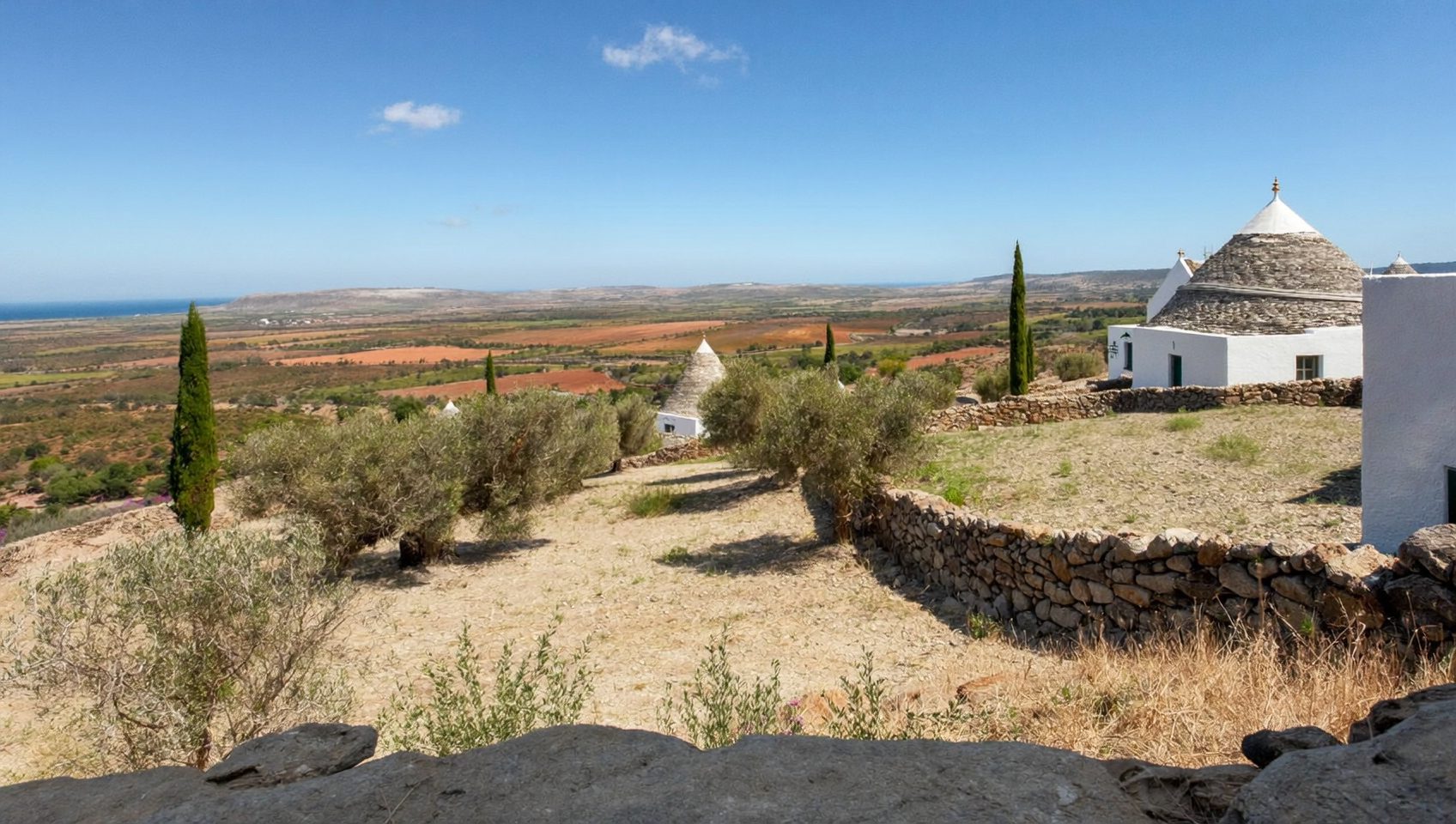
Reds, rosés, whites and sweet wines: what the region offers
The wine types tell you where to look for each request.
- Full-bodied reds: Primitivo di Manduria and Gioia del Colle Primitivo, Salice Salentino, Brindisi, Squinzano and the other Negroamaro DOCs, Castel del Monte Rosso Riserva and Nero di Troia Riserva.
- Rosés: Castel del Monte Bombino Nero DOCG, Negroamaro di Terra d'Otranto rosato, also sparkling and semi-sparkling, and the rosés of almost every Salento DOC; Primitivo rosé goes through the IGTs.
- Whites: Locorotondo and Martina Franca from Verdeca and Bianco d'Alessano, San Severo from Bombino bianco, Ostuni from Impigno, the Chardonnay whites of Salento and Castel del Monte.
- Sweet wines: Primitivo di Manduria Dolce Naturale DOCG, Moscato di Trani Dolce Naturale and Liquoroso, Aleatico di Puglia and the Aleatico types of Gioia del Colle and Salice Salentino. Wines from dried grapes in general are covered in passito.
How much does Puglia produce and export?
Puglia is Italy's second region by volume after Veneto: 8.4 million hectolitres in 2025, about 19 per cent of national output, on about 93,000 hectares (ISMEA sector report of April 2026, as reported by Teleborsa on 6 August 2026). Wine exports in 2025 came to 242.1 million euros, up 5.9 per cent, in a year when Italian wine exports as a whole fell 3.7 per cent in value (Istat regional index, WineNews, 11 March 2026; Teleborsa, 6 August 2026).
In the same interview, oenologist Teodosio D'Apolito notes that Puglia holds 11.1 per cent of Italy's wine stocks (Teleborsa, 6 August 2026).
What to check before buying or selling a Puglia wine
Before sending a price list or a technical sheet to an importer, check five points.
- DOC or IGT. A Primitivo from outside the Manduria and Gioia del Colle zones is almost always IGT Salento, Puglia or Tarantino: say so clearly.
- Grape share. Primitivo di Manduria requires at least 85 per cent Primitivo, Gioia del Colle Primitivo 100; Salice Salentino at least 85 per cent Negroamaro, Negroamaro di Terra d'Otranto at least 90.
- Riserva. In the Castel del Monte DOCGs, Riserva means two years of ageing, one in wood, from 1 November of the harvest year: a 2023 vintage does not qualify before 1 November 2025.
- Sweet or dry. Dolce Naturale is a separate DOCG, not a type of the DOC: the technical sheet must state the residual sugar.
- Bottling zone. The Castel del Monte DOCGs require vinification, ageing and bottling inside the zone (rules, art. 5).
What goes into a technical sheet for importers is in the wine technical sheet and the paperwork in wine export documents. Wineries and wines province by province are in Bari wine, Barletta-Andria-Trani wine, Foggia wine, Taranto wine, Brindisi wine and Salento wines from Lecce; the general picture in how to export wine.
Frequently asked questions
How many DOCGs does Puglia have?
Four: Castel del Monte Rosso Riserva, Castel del Monte Nero di Troia Riserva, Castel del Monte Bombino Nero and Primitivo di Manduria Dolce Naturale. The first three date from 4 October 2011, the fourth from 23 February 2011 (rules, headers).
How many DOCs and IGTs are there in Puglia?
Twenty-eight DOCs and six IGTs. The IGTs are Puglia, Salento, Tarantino, Daunia, Murgia and Valle d'Itria, all approved by the DM of 12 September 1995.
What is Puglia's most important grape?
For the designations there are two: Primitivo, the base of Primitivo di Manduria and Gioia del Colle Primitivo, and Negroamaro, the base of almost every Salento DOC. The third red is Nero di Troia, the base of the Castel del Monte DOCGs.
What is the difference between Primitivo di Manduria DOC and Dolce Naturale DOCG?
The DOC is a red with at least 85 per cent Primitivo, also as Riserva. The DOCG is a sweet wine from Primitivo alone, made from grapes with at least 16 per cent natural alcohol and with at least 50 g/l of residual sugar (rules, art. 2, 4 and 6).
Which is the oldest DOC in Puglia?
San Severo, in Foggia province, approved by DPR on 19 April 1968. Locorotondo and Martina Franca followed with the DPR of 10 June 1969.
How much wine does Puglia produce?
About 8.4 million hectolitres in 2025, 19 per cent of Italian wine, on about 93,000 hectares, according to the ISMEA report of April 2026. Wine exports in 2025 came to 242.1 million euros (Istat, via WineNews).
Sources
- Italian Ministry of Agriculture, list and production rules of DOP and IGP wines: rules of the 4 DOCGs, 28 DOCs and 6 IGTs of Puglia cited in the text, consulted in the Ministry's collection
- Castel del Monte Bombino Nero DOCG rules (copy hosted by AIS)
- Matino DOC rules (copy hosted by AIS) and Alezio DOC rules (copy hosted by AIS)
- Teleborsa, 6 August 2026, Puglia wine rises to 8.4 million hectolitres but consumption falls, with data from the ISMEA sector report of April 2026
- WineNews, 11 March 2026, Italian wine exports in 2025 by region (Istat regional index)
Answer four questions about your winery: we will write back.
- Sardinian Wine: DOCG, DOC, IGT, Grapes and Export
- Piedmont Wine: 19 DOCG, 41 DOC, Grapes and Export
- Sicilian wine: DOCG, DOC, IGT, grapes, areas and export
- Molise Wine: Tintilia, DOCs, Grapes, Rules, Export
- Tuscan Wine: DOCG, DOC, IGT, Grapes and Export Guide
- Marche wine: DOCG, DOC, IGT, grapes and export guide