Wineries of the Trieste Karst: Explore the Wine Market and International Sales Opportunities
Wines Export Editorial · Last updated:
The province of Trieste, although geographically small, has a winemaking tradition that deserves attention in the context of export. This guide offers an overview of the area's wineries, their distinctive features and the potential opportunities for operators in the international wine sector. The aim is to provide a compass for foreign importers and local producers interested in exploring or consolidating their presence on the global market, addressing the challenges and opportunities of the international wine trade. Further reading: Federdoc — National Confederation of Consortia for the Protection of Italian Wine Denominations.
What are the characteristics of Trieste's territory and wineries for export?
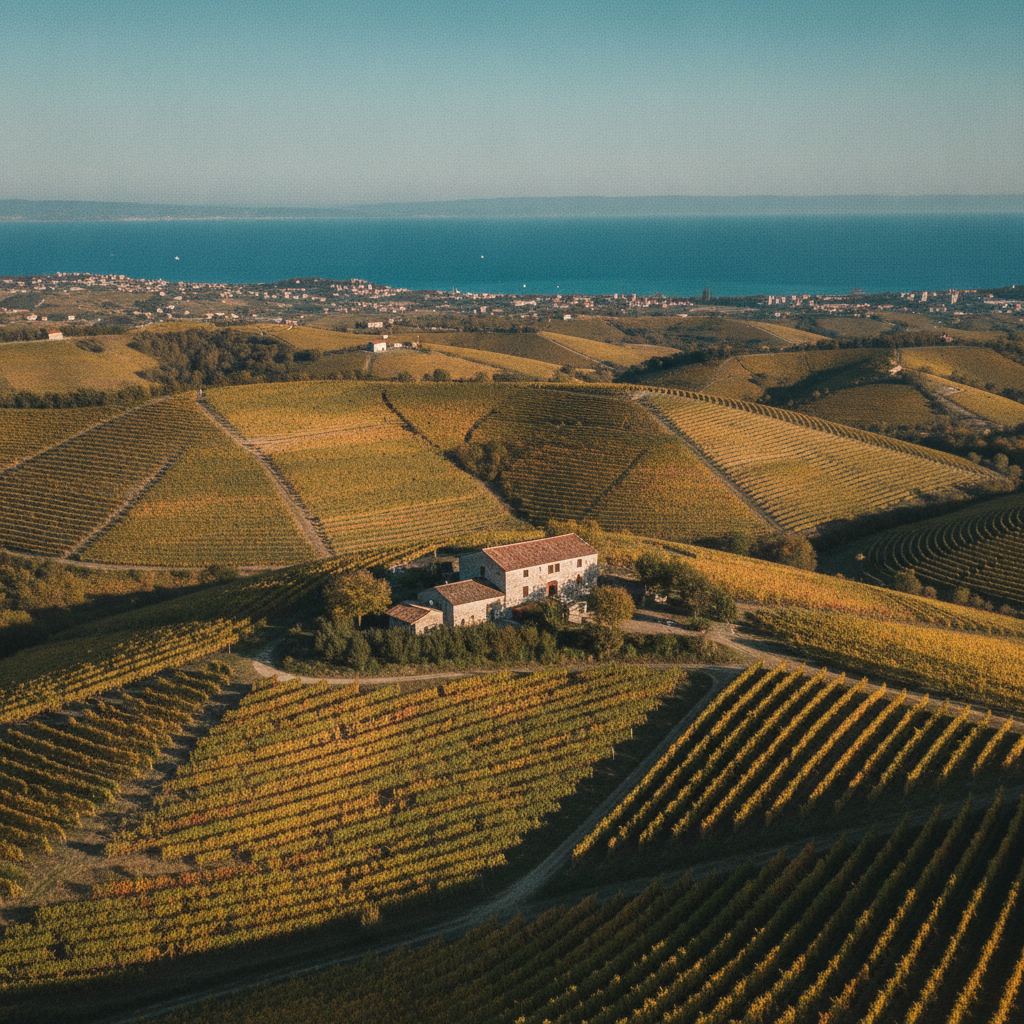
The province of Trieste, located in Friuli-Venezia Giulia, has a hilly and coastal territory that shapes its viticulture. Although it is not an extensive wine-producing area, it has niches of excellence and wineries with an export vocation. Its proximity to the markets of Central and Eastern Europe, together with a history of trade, makes Trieste a point of potential interest for wine exports.
The wine market is global and competitive. Trieste wineries looking abroad face challenges and opportunities, from regulatory compliance to brand promotion. Knowledge of the destination market, adapting the offer to international demand and logistics management are crucial to success.
What documents are needed to export wines from Trieste?
To export wines from the province of Trieste, it is essential to understand the documentary requirements. Every export requires a set of specific documents: proof of the transport contract, the basis for customs clearance and evidence of regulatory compliance. The guide to wine transport documents (CMR, bill of lading, AWB) provides a frame of reference.
The essential documents include the Commercial Invoice, which describes product, quantity, value, Incoterm and HS code; the Proforma Invoice, useful for preliminary negotiations and sometimes requested by the buyer; and the Packing List, which describes the physical contents of each package, its weight and volume, and must match the invoice.
Depending on the market, specific certificates may be required. The chemical and commodity-testing laboratories of the Chamber of Commerce can issue certificates of analysis. It is essential that these certificates are attached to the commercial documents. Compliance of the label with the requirements of the importing country is another critical aspect.
The exact combination of documents varies from market to market. It is always advisable to check the updated list of documents with the freight forwarder or through the country-specific guides of ICE (Italian Trade Agency) before making the first shipment to a new market.
What are the market opportunities for Trieste wineries?
The province of Trieste, although not a wine-growing area of primary importance in terms of volume, has quality wineries that can find a place on international markets. Its geographical proximity to countries such as Slovenia and Croatia, and its position as a historic port, make it a potential hub for exports.
Trieste wineries wishing to expand their exports should consider a few key aspects:
- Buyer qualification: Verify the soundness and reliability of the foreign buyer by checking its business registration, import licences, bank references and history of importing similar products.
- Commercial offer: Preparing a detailed proforma invoice, including product description, quantities, prices, proposed Incoterms and payment terms, is the basis for negotiation.
- Market coverage: Clarify the coverage of the target market (e.g. HORECA vs. retail) and check whether state monopolies exist, by consulting the distributor or the relevant ICE office.
- Promotional material: Having material in English, such as technical sheets, company presentations, price lists and high-resolution images of the labels, is essential, especially for markets such as the United States.
- Positioning and differentiation: Italy's leadership positioning is an advantage to be defended with a rigorously selected distributor. Wineries must focus on the quality and uniqueness of their products to stand out.
Frequently asked questions
What are the essential documents for exporting wine from Italy?
The essential documents include the Commercial Invoice, the Proforma Invoice and the Packing List. Depending on the market, certificates of analysis and other specific documents may be required.
How can I check the reliability of a foreign buyer for wine exports?
It is essential to verify the buyer's business registration, import licences, bank references and history of importing similar products.
Is it necessary to have promotional material in English to export wine?
Yes, having promotional material in English, such as technical sheets, company presentations and price lists, is essential, especially for markets such as the United States.
The province of Trieste, with its wineries and its strategic position, is a territory with interesting potential for wine exports. Careful preparation, an understanding of documentary procedures and a well-defined market strategy are the key elements for success.