Wine importers in Malaysia: sales channels, customs and who buys Italian wine
Wines Export Editorial · Last updated:
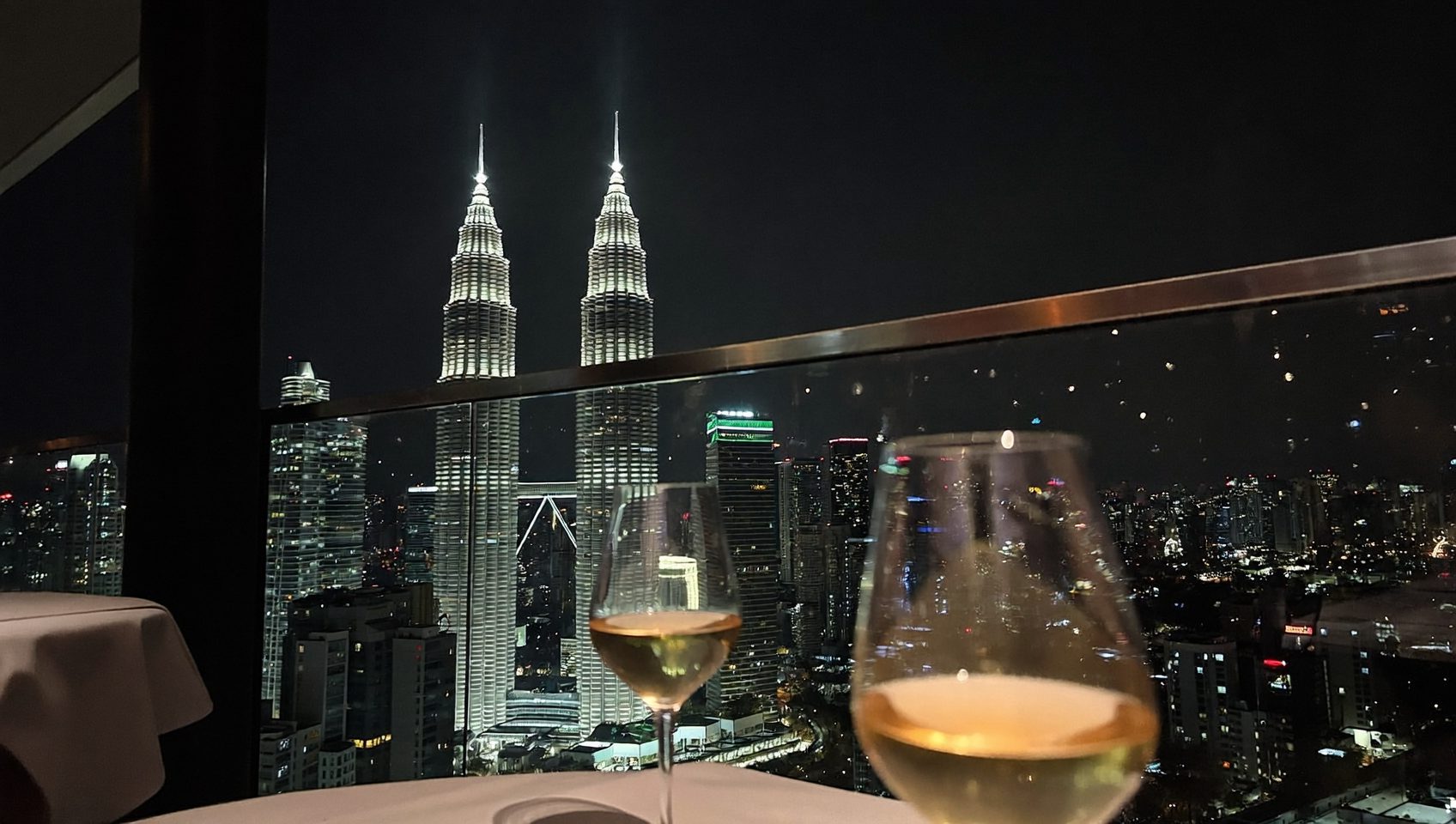
To sell Italian wine in Malaysia, you first need an importer who knows how to handle alcoholic beverages and who works through the channels where alcohol is actually sold. The market is not open to everyone in the same way. The starting point is to understand where, to whom and under which licence alcohol can be supplied, before choosing a partner. This page explains how to read the market, what types of importer exist and how to approach them, indicating for each data point the official source to check. Excise rates and detailed procedures are not reported here, because the official sources listed at the end do not publish them. For the rest, please refer to the guide to channels and importers in Southeast Asia.
How much wine Malaysia imports and what share Italy holds
The figure that matters for a producer is the value of wine imported into Malaysia by country of origin. The official sources listed at the end do not publish this number for the current year. To find it, search the United Nations statistical database for the customs heading for wine, select Malaysia as the importing country and Italy as the origin, and compare at least two or three years. If the series shows growth, ask your prospective importer which volumes they are already handling and through which channels.
One figure to keep separate is consumption. In a country where the non-Muslim share of the population is only part of demand, the number of bottles sold does not coincide with the number of people who drink wine. For this reason, it is worth reading import statistics together with information on sales channels, which determine where your wine ends up.
A market for non-Muslim consumers: where alcohol is sold
The sale of alcoholic beverages is regulated by federal rules and, in part, by local ones. The text of these rules is not published in the sources listed at the end. For this reason, check with the importer that holds the licence for the channel you want to serve (restaurants, mass retail, specialist shops, hotels), because authorisations can vary from one channel to another.
Before preparing a price list, ask your potential partner: which licences do you hold, for which channels, and in which states or areas do you sell? An importer who cannot answer precisely is a signal to investigate further, not a detail to ignore. A concrete risk for a winery is shipping a lot that cannot enter the channel the buyer had promised. For the framework of duties and documents, please refer to customs duties and export costs for wine.
Excise and final price: how to read the structure
The shelf or menu price of wine does not match the ex-cellar price. Between the two lie transport and insurance costs, duty and excise where applicable, the importer's margin, the distributor's margin and the venue's margin. The level of excise on wine in Malaysia is not reported here: the official sources listed at the end do not publish it, and a wrong number on this point would do more damage than a missing figure.
| Price component | Who manages it | Where to verify |
|---|---|---|
| Import duty and excise | Importer, with customs | Royal Malaysian Customs Department website |
| Transport and insurance | Winery or freight forwarder | Sales contract with Incoterm |
| Importer's margin | Importer | Negotiation and agreed price list |
| Distributor and venue margin | Distributor and restaurateur | Retail price of the chosen channel |
To build your price, start from the ex-cellar value, ask the importer for a full breakdown of all components, and compare it with the selling price of the channel you intend to serve. A price list built in reverse, starting from the shelf price you want to reach, helps you judge whether the wine is sustainable. For travel retail and onboard sales, which have different rules and prices, read the guide to travel retail, duty free and cruise ships.
Kuala Lumpur, Penang and the islands: where distribution is decided
Kuala Lumpur is a centre where importers, distributors and buyers operate. The ICE Agency has its own office in Kuala Lumpur, which on its country page announces initiatives for Italian companies: among the most recent initiatives there is a business mission Italy-Malaysia with the embassy and Confindustria, and promotion projects for Italian food brands in mass retail. Those seeking a first institutional contact can start there.
The islands often cited for onboard sales and duty-free points, such as Langkawi, Labuan and Tioman, have their own regime, which the official sources listed at the end do not describe. If your plan includes hotels, marine operators or sales points on these islands, ask your importer which customs regime applies and in what form the wine arrives, because the route may differ from that of the peninsula.
Penang, another commercial centre of the country, should be treated in the same way: the market is there, but alcohol sales rules must be verified locally with your partner and with the competent authorities, not inferred from the fact that a city is large.
General importers, specialist importers and the hotel channel
There are three main families of importers with whom an Italian winery can negotiate. General importers handle many categories of food and beverage products; wine is one line among others, so the risk is that they give it limited space. Importers specialised in wine and spirits have a more targeted client network and know the licences of the sector, but they often work with portfolios that are already full.
The hotel channel is another route. Hotels, especially international ones, buy wine for their restaurants and wine lists, and often go through an importer or distributor that also supplies other categories. The advantage is steady volume; the drawback is that pricing is negotiated with the hotel operator, not with the consumer. Always ask whether your wine is included in an existing list or whether it must be proposed for a new season.
To decide which type of importer you need, consider which channel you want to serve first. Before choosing, how to find wine importers abroad explains how to build a list of candidates. A general importer suits a quick entry into mass retail. A specialist is better for building a reputation in restaurants and wine shops. The hotel channel takes longer but can deliver regular volumes. These three options are not mutually exclusive: you can start with one and add the others later.
How to contact a Malaysian importer
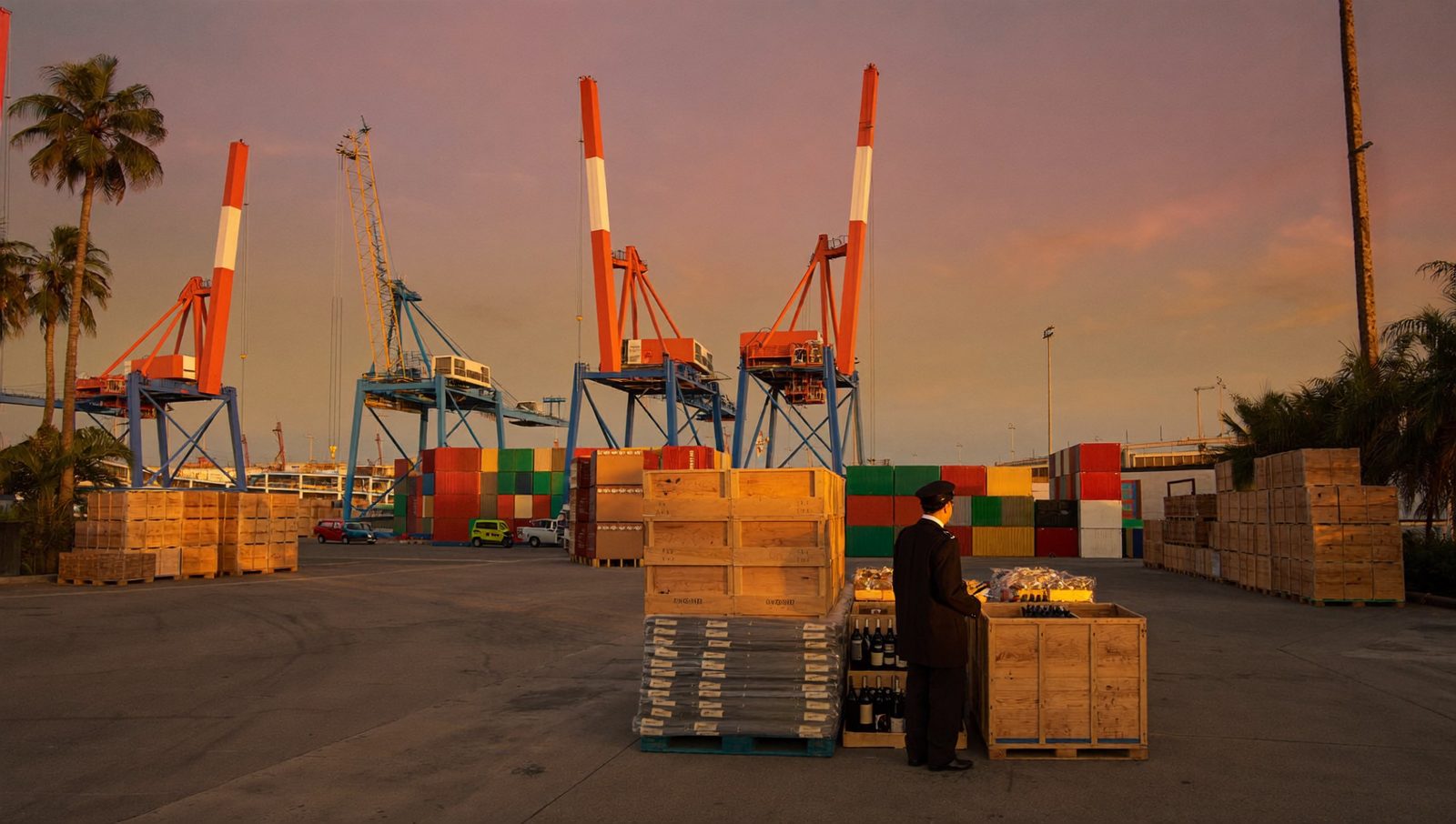
The first contact must be in English and must state three things: what you produce, which volumes you can guarantee and which documents you can provide. Prepare a technical sheet for the wine, a price list in an agreed currency, a description of the winery and a list of the export documents you can supply. A short letter with a single attachment is more effective than a long presentation.
Before writing, check the conditions for market access. The Access2Markets portal of the European Commission offers a tool called My Trade Assistant, which allows you to search the conditions for trading a product. It is designed for exporters from the European Union to third countries and should be read as a starting point, not as a rule applicable to your shipment. The conditions valid for your shipment remain those indicated by Malaysian customs.
The portal of the Malaysian external trade agency, MATRADE, is aimed mainly at Malaysian companies that export. It helps you understand the context and the network of offices and promotion programmes, but it is not a list of wine importers. To find partners, a practical method is direct research, with verification of licences and trade references, before sending samples.
The data to look for and where to find it
The value of Malaysia's wine imports, Italy's share, excise rates and the text of the sales licences are not published in the sources listed at the end. These are four data points that an export manager needs before setting a price. To find them, you can start with Malaysian customs for rates and procedures, with the United Nations statistical database for volumes, and with the ICE office in Kuala Lumpur for local context and trade fairs.
A good way to close the work is to keep an internal table with four columns: data point, source, date read, owner. Each row should be filled only with a value read in the source. What remains empty signals what is still needed before shipping the first sample.
Frequently asked questions
Do I need a licence to import wine into Malaysia?
The answer depends on your role in the supply chain and on the sales channel, and the rule is not published in the sources listed at the end. Ask the potential importer which licence they hold and check the procedures on the Royal Malaysian Customs Department website before signing a contract.
Which sales channels accept Italian wine in Malaysia?
Wine is sold through general importers, specialist importers and the hotel channel, each with its own rules and licences. A comparison with neighbouring markets is available on the page on wine importers in Thailand. Ask each partner which channels they are authorised for and in which areas they operate. The channel should be chosen before the price list, because it changes the margin and the final price.
How do I find a wine importer in Malaysia?
Start from institutional sources such as the ICE office in Kuala Lumpur, then look for specialist importers and verify licences and references before sending samples. The first contact should be made in English, with a technical sheet, a price list and a list of the documents you can provide.
Do duty-free islands have different rules from the peninsula?
They may, but the island regime is not described in the official sources listed at the end. If your plan includes hotels or operators on those islands, ask the importer which customs regime applies and in what form the wine arrives.
Sources
Who buys wine in Malaysia? A few names
The Wines Export database covers the whole wine trade in Malaysia: importers, distributors, wholesalers, wine shops and online stores, city by city, updated continuously (23 November 2026). The Italian denominations most carried by buyers in Malaysia, in order: Moscato, Chianti, Pinot Grigio, Prosecco and Lambrusco.
Kuala Lumpur
With Love From Italy Sdn. Bhd. · Wine Kaki Malaysia · The Wine Poetry
Petaling Jaya
Asiaeuro Wines & Spirits Sdn. Bhd. · MC Classic Malaysia · VIANAU Malaysia
Johor Bahru
Dan Kaffe · S L Ng Group of Companies · Flowever Bottle boutique
- Wine importers New York: distributors and price posting
- Wine Importers Germany: Wholesalers, Fachhandel and Buyers
- Wine importers Nigeria: Lagos, NAFDAC and Italian sparkling
- Wine importers France: cavistes, HORECA wholesalers and GDO
- Wine importers Philippines: Manila and who buys
- Wine importers in Denmark: who buys Italian and how