Wine importers in Thailand: high duties and excise, the Bangkok and Phuket hotel trade, and who buys Italian wine
Wines Export Editorial · Last updated:

Exporting wine to Thailand means entering a market driven by international tourism and hotel dining, where since 23 February 2024 the government has eliminated the 54% customs duty on European wines. Despite the duty cut and the reduction of the ad valorem excise from 10% to 5%, the overall tax burden remains high because of the specific excise on alcohol, local taxes and distributor mark-ups. For an Italian winery, selling in Bangkok or Phuket requires an importer licensed by the Excise Department, able to supply five-star hotel chains and the dense network of Italian restaurants in the country.
How much wine Thailand imports and how much of it is Italian
The Thai wine market depends almost entirely on foreign supply. According to USDA Foreign Agricultural Service data and international customs statistics, in 2023 Thailand imported wine worth a total of 132 million US dollars, while in the first half of 2026 volumes reached 9.92 million litres for a value of 2.46 billion baht (about 75.7 million US dollars), up 13.71% in value compared with the same period of the previous year. Value growing faster than volume indicates a steady shift of purchases toward medium-high and high-end bottles.
For many years, wines from Australia, Chile and New Zealand enjoyed a decisive competitive advantage thanks to bilateral free trade agreements, which kept duties at zero, while European Union products faced a customs tariff of 54% (or 60% for wines above 23% alcohol by volume). With the 2024 tax reform, which extended the duty exemption to all origins for customs headings HS 2204 and HS 2205, Italian wine quickly regained ground.
According to IWSR estimates, during 2024 consumption of Italian wine in Thailand grew by 9%, outpacing the growth of New Zealand (+7%), Australia (+3%) and Chile (+1%). Nomisma Wine Monitor analyses list Thailand among the emerging markets with the strongest expansion for Italy: between 2019 and 2025 the value of Thai wine imports more than doubled, and the country became the third emerging outlet for Tuscan DOP red wines, while also recording steady increases in sparkling wines. The UIV-Vinitaly Observatory also places Thailand in its ranking of destinations with high potential for premium Italian wines (bottles leaving the winery at 8 euros and above). Producers evaluating a regional expansion plan can compare these trends with those described in the guide on wine importers in Singapore and Southeast Asia and in the analysis of wine importers in Vietnam and the effects of the EVFTA.
Duties and excise: why the shelf price triples
Even after the customs duty was eliminated, the final price of a bottle in restaurants or wine shops in Bangkok can easily triple or quadruple compared with the ex-cellar value. The reason lies in the cascading structure of Thai taxes, administered by the Customs Department and the Excise Department of the Ministry of Finance.
When a container or pallet of wine arrives at the port of Laem Chabang or Bangkok, the tax calculation does not stop at the CIF value (cost, insurance and freight). Four distinct tax layers apply to wine:
- Import duty: for HS codes 2204 (wines of fresh grapes, including sparkling wines) and 2205 (vermouth and flavoured wines), the rate is 0%.
- Excise tax: it consists of two cumulative elements. The first is a specific charge calculated on the volume of pure alcohol, at 1,000 baht per litre of 100-degree alcohol. For a standard 0.75-litre bottle with an alcohol content of 13.5%, the formula (0.75 × 0.135 × 1,000) generates a specific excise of 101.25 baht. The second element is an ad valorem rate of 5%, calculated on the suggested or declared retail selling price set by the importer.
- Local taxes and funds: five surcharges are applied on the total excise paid, allocated to the Ministry of Interior and to public funds (health, sport, the elderly, public broadcasting), amounting in total to a further 17.5% calculated on the value of the excise itself (10% + 2% + 1.5% + 2% + 2%).
- Value added tax (VAT): 7%, applied to the sum of CIF value, duty, excise and local taxes.
To this tax structure are added customs clearance costs, the advance registration of labels (which takes about 20 to 30 working days for approval), the manual application of the tax stamp on the carton of every bottle, storage in temperature-controlled warehouses, and the commercial margins of the importer and the restaurant.
What changed with the 2024 reform
On 2 January 2024 the Thai government approved a package of tax measures to revive international tourism and high-end domestic consumption. It was published in the Royal Gazette on 22 February and entered into force on 23 February 2024. The reform changed both the customs tariff and the method of calculating excise on wine.
| Tax item (Grape wine HS 2204) | Previous regime (until 22/02/2024) | Current regime (from 23/02/2024) |
|---|---|---|
| Import duty (up to 23% vol.) | 54% on CIF value (without FTA agreements) | 0% (exemption for all origins) |
| Import duty (above 23% vol.) | 60% on CIF value | 0% (exemption for all origins) |
| Specific excise on alcohol | 1,500 baht per litre of pure alcohol | 1,000 baht per litre of pure alcohol |
| Ad valorem excise (retail price ≤ 1,000 baht) | 0% | 5% (price tiers abolished) |
| Ad valorem excise (retail price > 1,000 baht) | 10% | 5% (single rate on all wines) |
| VAT | 7% on cumulative value | 7% on cumulative value |
As data from the Thai Ministry of Finance and USDA reports show, the abolition of the tiered system (price tiers) had an uneven impact on the market. Previously, wines with a declared retail price below 1,000 baht were exempt from ad valorem excise, while those above 1,000 baht paid 10%. With the introduction of a single 5% rate and the cut in duty from 54% to zero, the largest tax benefit went to mid-range, premium and fine wines. A study carried out at the Faculty of Economics of Kasetsart University in Bangkok confirmed that the reform generated strong growth in purchases of high-end wines, while for cheaper bottles the fixed charge on alcohol remains a significant price barrier.
Alongside the tax cuts, the government has gradually relaxed restrictions on alcohol sales hours to support the hospitality sector. After the first openings in 2025 for hotels and international airports, at the end of May 2026 the general sales window was extended continuously from 11:00 to midnight. To place these reforms in a global perspective, you can consult the page on emerging wine markets across Asia, Latin America and Africa, or compare them with the tariff barriers still in force for those looking to export wine to India.
Importers linked to hotels and restaurants
In Thailand the structure of wine imports is closely tied to the on-trade channel (hotels, resorts, restaurants, rooftop bars and beach clubs). With about 71 million inhabitants and a tourist flow that in 2025 reached 32.97 million international visitors (followed by 14.52 million arrivals in the first five months of 2026), hospitality is the main driver of cellar turnover.
Importers active on the market fall into three main categories:
- Large multi-category national distributors: long-established companies based in Bangkok with logistics branches in the main tourist provinces. They manage broad portfolios that include mineral water, coffee, food products, spirits and wines from around the world. They have the financial strength to take part in the annual tenders of major international hotel chains for pouring wines and banqueting.
- Importers specialised in the Italian HoReCa channel: operators created to supply the very large network of Italian restaurants, gourmet pizzerias and high-end hotels. These buyers have in-depth knowledge of Italian regional appellations, look for family wineries with a medium-high positioning, run training for local sommeliers and regularly organise wine dinners with producers.
- Boutique merchants and distributors with direct sales: operators that combine importing for high-end restaurants with running their own wine shops, wine bars or collectors' clubs in central Bangkok neighbourhoods. They work with more limited volumes but with a very high average price per bottle, focusing on Barolo, Brunello di Montalcino, Bolgheri, Amarone and metodo classico sparkling wines.
To work with the large hotel chains, importers ask wineries not only for stable price lists, but also for ongoing promotional support: free samples for beverage managers' tastings, incentives for floor staff, and periodic visits from the export manager or the winemaker to Thailand to support the sales force.
Bangkok, Phuket, Chiang Mai: where wine is sold
The geography of wine consumption in Thailand is concentrated in well-defined urban and tourist hubs, each with its own portfolio needs and seasonality.
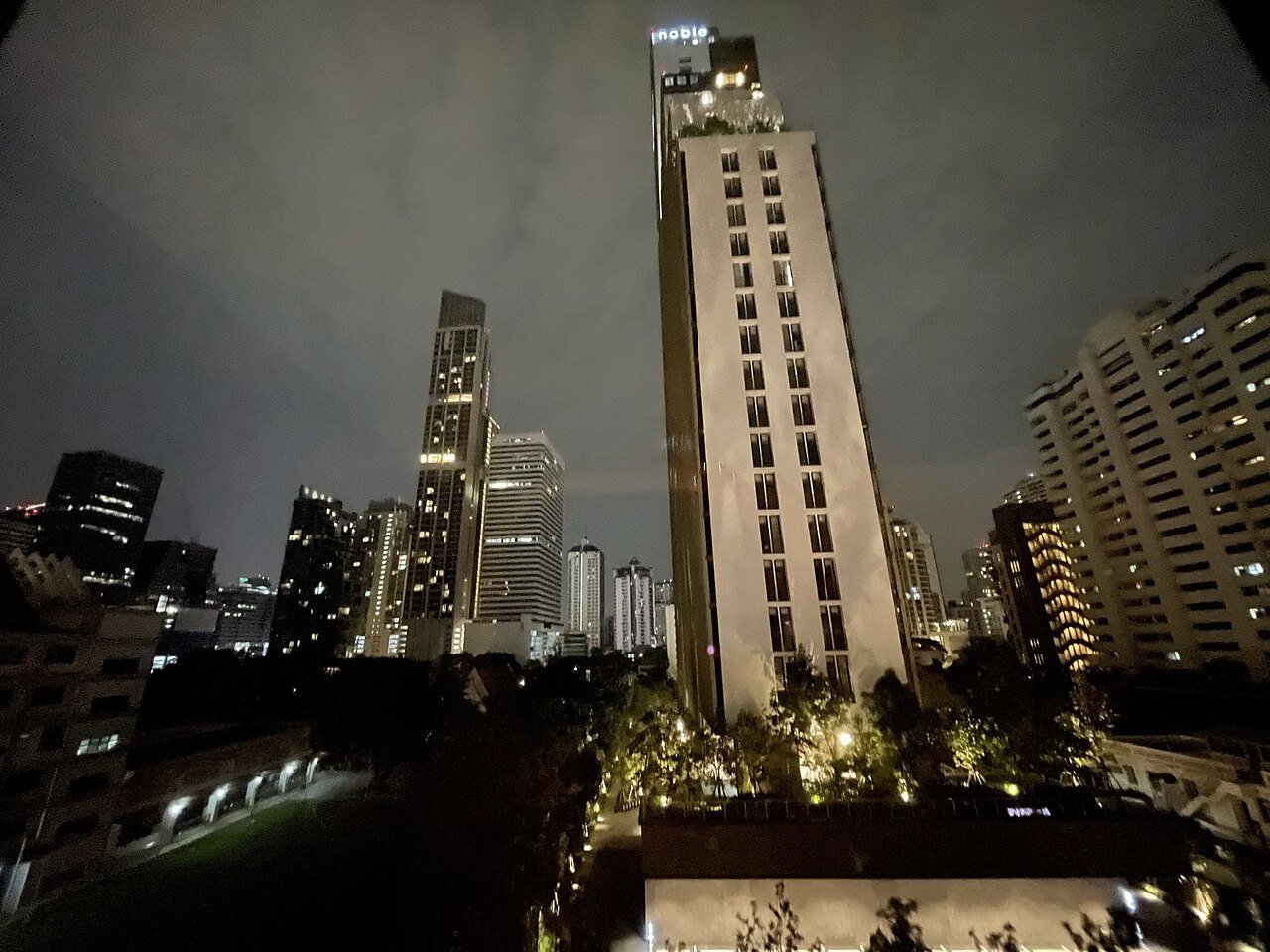
Bangkok absorbs the majority of volumes and almost all collectible wines. In central districts such as Sukhumvit, Silom, Sathorn and along the Chao Phraya river, there is a high density of five-star hotels, Michelin-starred restaurants and panoramic venues. In Bangkok Italian cuisine enjoys a well-established prestige, from fine-dining restaurants run by Italian chefs to contemporary trattorias frequented by local professionals and expats. Here all categories sell: Prosecco DOC and Franciacorta for aperitifs and Sunday brunches, mineral whites from Northern and Central Italy, great Tuscan and Piedmontese reds, as well as organic and biodynamic labels requested by neighbourhood wine bars.
Phuket and Koh Samui are island markets driven by luxury beach tourism, international resorts and beach clubs. Demand has a strong seasonal component linked to tourist flows (peaking between November and April for Phuket). In these locations volumes are driven by sparkling wines, rosés, fresh whites (Pinot Grigio, Vermentino, Sauvignon, Gavi) and soft, ready-to-drink reds. Almost all the main Bangkok importers have refrigerated warehouses in Phuket or work with local sub-distributors to guarantee fast deliveries to resorts.
Chiang Mai, Pattaya and Hua Hin are the secondary markets. Chiang Mai, in the north of the country, attracts cultural tourism, long-term foreign residents and a affluent local clientele that appreciates structured red wines during the cooler winter months. Hua Hin and Pattaya, easily reached by car from the capital, also depend on weekend domestic tourism from Bangkok, offering steady outlets for wine lines destined for hotel restaurants.
How to contact a Thai importer
Starting negotiations with an importer in Bangkok requires technical preparation and awareness of local bureaucratic procedures. Thai legislation prohibits direct advertising of alcoholic beverages aimed at consumers: packaging and promotional materials may not claim health benefits or show images that encourage consumption, and labels must carry specific health warnings approved by the authorities before shipment.
Furthermore, never send samples by express courier without first agreeing the procedure with the consignee. Thai customs systematically blocks shipments of alcohol that lack a prior import licence and label registration. Clearing a few samples sent by air involves disproportionate costs and delays, and parcels are often confiscated or destroyed.
To select and contact the right buyers, you can follow the method described in the guide on how to find wine importers abroad, adapting it to Asian specifics:
- Check the buyer's current portfolio: before writing to a Bangkok distributor, verify which Italian regions it already lists. If an importer already covers Veneto, Tuscany and Piedmont with three long-established wineries, it is unlikely to add a direct overlap in the same price range, while it will be receptive to complementary appellations (for example Sicily, Puglia, Abruzzo, Alto Adige or Friuli).
- Present a clear ex-cellar (EXW) or FOB price list: state prices per case, palletisation, international critics' scores (widely used by Asian hotels to justify the menu price) and your willingness to support the launch with a percentage of stock at a discount or samples included in the first commercial order.
- Meet buyers at key trade fairs: Thai importers regularly travel to Verona for Vinitaly and to Düsseldorf for ProWein, and every year they attend ProWine Singapore and Vinexpo Asia (which alternates between Singapore and Hong Kong), as well as THAIFEX – Anuga Asia in Bangkok. You will find the calendar and practical advice on the page dedicated to international wine fairs.
Further reading: UAE wine importers: Dubai licenses and who buys Italian.
Further reading: Wine importers Romania: who buys Italian wine, how to ship.
Further reading: Wine importers in Colombia: channels, duties and buyers.
Frequently asked questions
How much customs duty does Italian wine pay in Thailand?
Since 23 February 2024, the import duty on still, sparkling and fortified grape wines (customs code HS 2204) and flavoured wines (HS 2205) has been reduced to zero (0%) for all countries of origin, including Italy, eliminating the previous rate of 54% or 60%.
How is excise on wine calculated in Thailand?
Excise tax is calculated by adding two components: a specific tax based on alcohol content of 1,000 baht per litre of pure alcohol, and an ad valorem tax of 5% on the declared retail selling price. Local taxes (17.5% of the excise) are then applied to the excise, and finally VAT at 7% on the cumulative total.
Can I send wine samples to an importer in Bangkok by courier?
Sending samples without prior agreements is strongly discouraged. Even a few bottles require an import licence and prior approval of the labels by the Thai authorities. Unauthorised courier shipments are blocked at customs, with very high release costs or seizure of the goods.
Which Italian wines are most in demand in the Thai market?
Restaurants and hotels primarily request sparkling wines (with Prosecco DOC at the top) for consumption in resorts and bars, followed by fresh whites (Pinot Grigio, Chardonnay, Vermentino) suited to the tropical climate and local cuisine, and by the great Tuscan, Piedmontese and Veneto reds for fine-dining restaurants in Bangkok.
Sources
- The Excise Department – Ministry of Finance, Thailand
- USDA Foreign Agricultural Service – Report TH2024-0014: Thailand Eliminates Tariffs and Reduces Excise Taxes for Wine
- European Commission – Access2Markets Trade Portal
- UN Comtrade – International Trade Statistics Database
- Agenzia ICE – Ufficio di Bangkok e statistiche mercati esteri
Who buys wine in Thailand? A few names
The Wines Export database covers the whole wine trade in Thailand: importers, distributors, wholesalers, wine shops and online stores, city by city, updated continuously (23 November 2026). The Italian denominations most carried by buyers in Thailand, in order: Prosecco, Moscato, Pinot Grigio, Dolcetto and Primitivo.
Bangkok
GARAGE WINE LTD · Gulpbkk Bottle Shop · Sest Beverage Limited
Thailand
Bangkok Liquor Company Limited (บริษัท บางกอก ลิกเกอร์ จำกัด) · Black Forest Distribution Co.,Ltd. · italthaigroup.com
- Vietnam Wine Importers: EVFTA Tariffs and Who Buys
- Wine importers Texas and Florida: TABC licenses and Miami
- Wine importers Western Europe: 8 countries compared
- Wine importers Singapore: Southeast Asia hub
- Wine shelf price in Australia: how it is built
- Wine importers Romania: who buys Italian wine, how to ship