World Bulk Wine Exhibition Amsterdam: how the bulk wine trade fair works
Wines Export Editorial · Last updated:
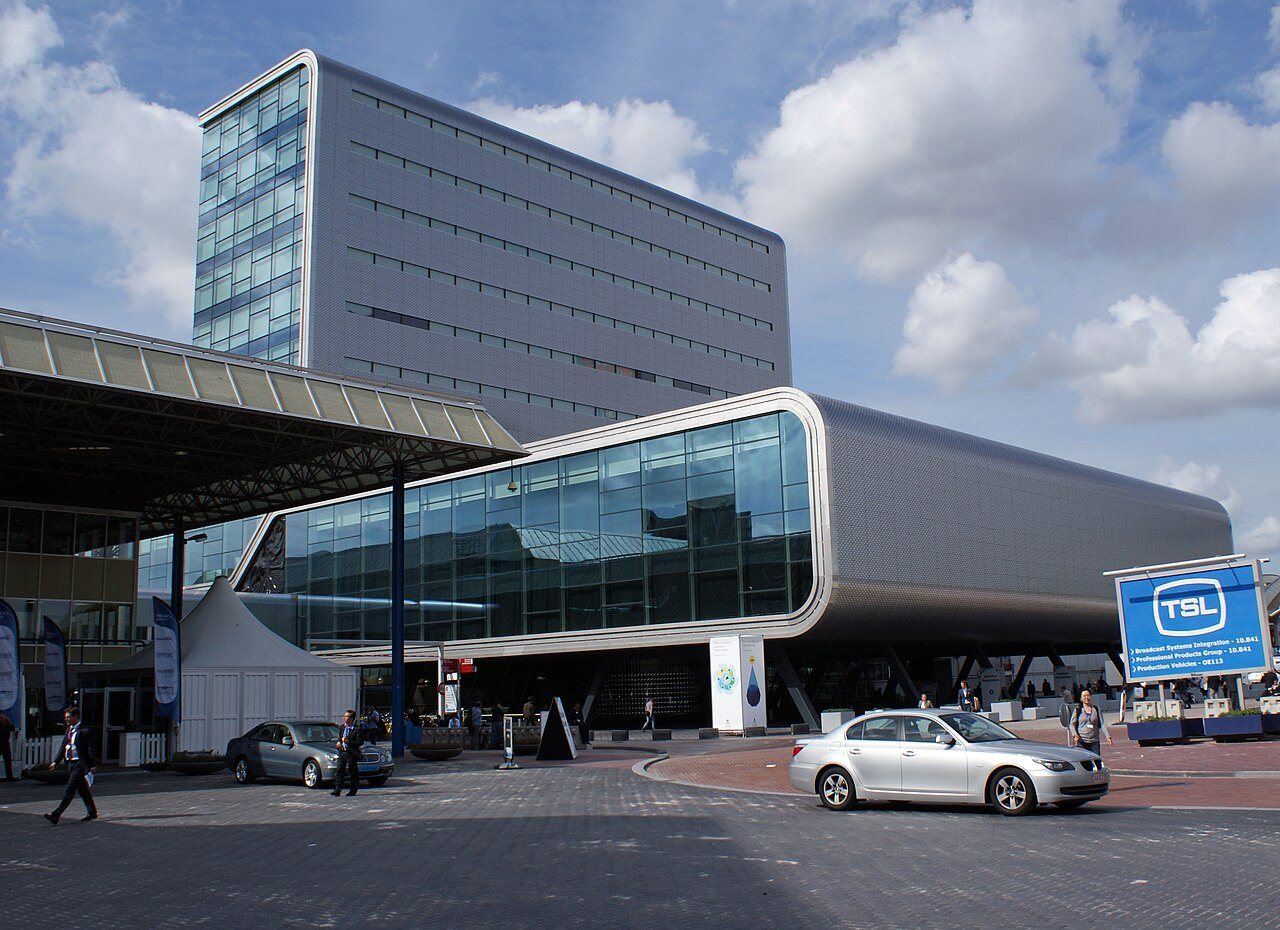
The World Bulk Wine Exhibition, abbreviated WBWE, is the annual trade fair dedicated to bulk wine and spirits, held at the RAI in Amsterdam. The next edition is scheduled for 30 November and 1 December 2026. The organisers present it as the meeting point for producers, buyers and brokers in the sector, and they report more than 240 producers from over 25 countries and buyers from over 60 countries. For an average Italian winery, the fair is a way to find buyers who purchase wine in volume, to have samples tasted and to compare reference prices before signing anything. If you are not yet familiar with the format, start with bulk wine for export: flexitank and buyers and bulk wine price for export: where to read it.
What the World Bulk Wine Exhibition is and who attends
The WBWE brings together bulk wine and spirits companies from around the world every year, over two days in Amsterdam. The official website describes it as a fixed date in the sales calendar for those who produce and for those who buy bulk wine. The declared audience is made up of producers, buyers and brokers who work in bulk at international level.
The 2025 edition took place on 24 and 25 November at the RAI and was presented as the seventeenth. According to the trade press, more than 240 producers attended the 2025 edition, and the exhibition covers almost 80% of world bulk wine trade. A trade fair calendar site indicated about 6,500 expected visitors for the same edition, but this is a third-party estimate and not a figure from the organiser: if you use it in a presentation, cite it as such.
The fair is easier to understand as a place where three different professions meet. The producer brings the wine and its specifications. The buyer looks for volumes, consistency and stable quality. The broker connects the two sides and often knows the prices circulating in a given country. For an Italian winery, this means the useful contact is not always the final buyer: it may be an intermediary working on behalf of a bottler.
The format: tastings, blind competition and samples
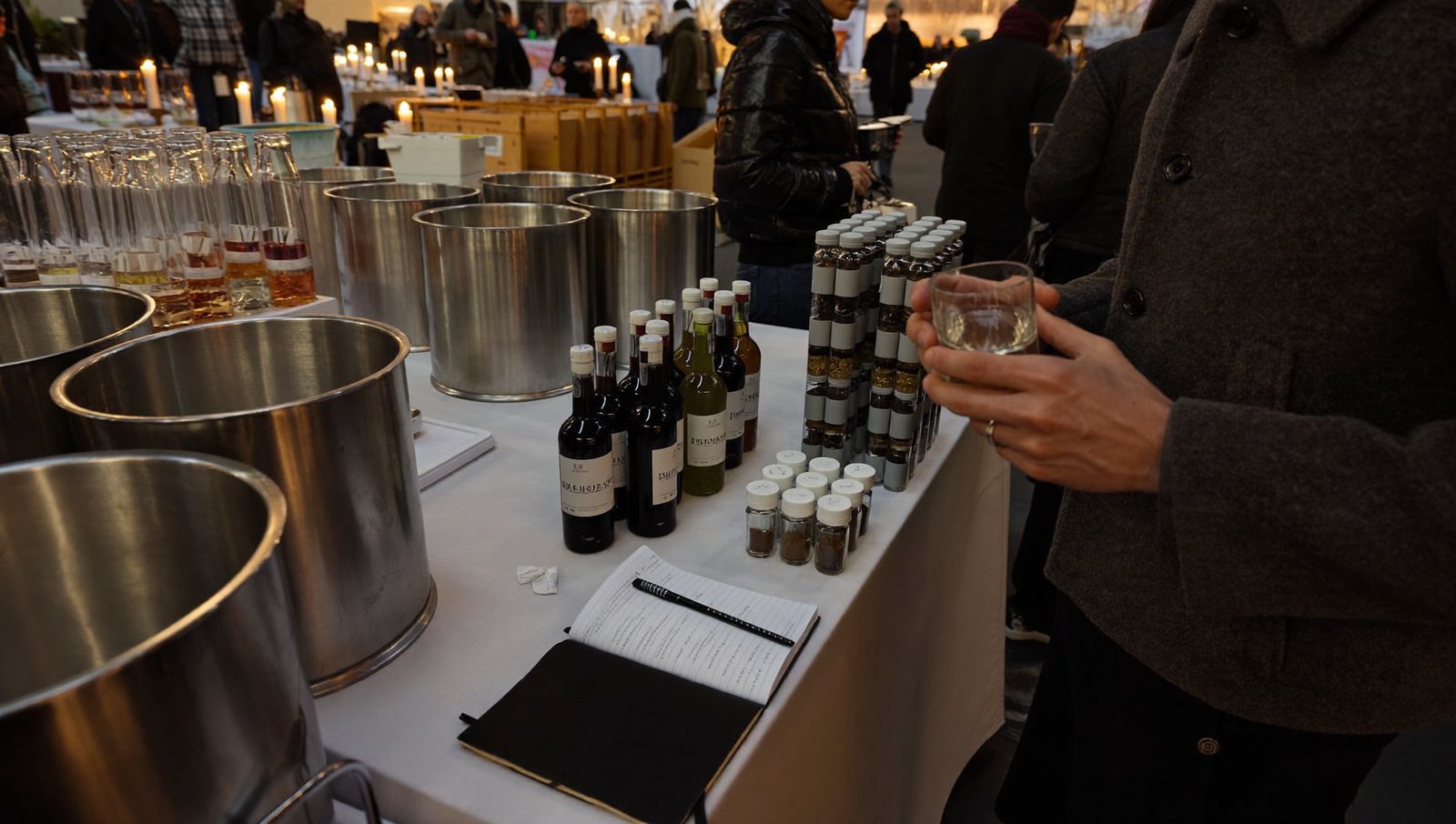
The fair programme revolves around three activities: tastings, company meetings and competitions. The organiser's website refers to tasting opportunities and meetings with international buyers and distributors. Not everything happens at the stand: the format also includes a silent tasting area, where visitors taste on their own and at their own pace. In the 2025 edition, that area allowed visitors to taste more than 350 different bulk wines and spirits.
The competition is called the International Bulk Wine Competition (IBWC) and takes place the day before the opening. In the 2025 edition, the jury tasted blind and was made up of buyers and trade journalists. For the 2026 edition, the organiser announces twenty international judges and the evaluation on 29 November, that is, the day before the opening. For a winery, this matters: in the competition the sample is assessed without the judge knowing the producer's name, so the verdict depends on the wine and the consistency of the lot.
At the stand, by contrast, the sample is tasted with the winery's name in plain view. The sources listed below do not describe a system of anonymous samples or price lists per litre displayed at the fair. Before bringing samples or preparing a price list, check with the organiser how tastings are handled and in which unit prices are discussed.
How much Italian bulk wine costs: reference prices
The price of Italian bulk wine is not expressed in euro per litre. ISMEA, which publishes wine quotations, uses euro per hectodegree (the measure linked to volume and alcoholic strength) for common wines, and euro per hectolitre for DOC and DOCG wines. ISMEA quotations are stated on an ex-cellar basis (franco azienda), meaning the price at the winery gate, before transport. Below are some lines from the survey published on the ISMEA website as of the date of this article.
| Product | Price survey location | Price | Condition |
|---|---|---|---|
| White common wines 9/11° | Modena, 2 November 2026 | 4.05 euro/hectodegree | Ex-cellar (franco azienda) |
| Common red and rosé wines 9/11° | Modena, 2 November 2026 | 3.60 euro/hectodegree | Ex-cellar (franco azienda) |
| Common red and rosé wines 9/11° | Reggio Emilia, 2 November 2026 | 3.40 euro/hectodegree | Ex-cellar (franco azienda) |
| Pinot grigio delle Venezie DOC-DOCG | Trento, 29 October 2026 | 110.00 euro/hectolitre | Ex-cellar (franco azienda) |
| Barbera d'Asti DOCG | Asti, 26 October 2026 | 140.00 euro/hectolitre | Ex-cellar (franco azienda) |
These lines are a snapshot of one day and one location, not an annual average price. They help you grasp the order of magnitude and see how much the difference between a common wine and a designated wine matters. Before setting a price for a negotiation at the fair, compare several locations and dates, and check whether your lot falls into the same category.
Who buys bulk wine: bottlers, mass retail, traders and private label
The WBWE website does not list buyers by type. It describes the audience in general terms, as producers, buyers and brokers. The division into bottlers, mass retail, traders and private label (own-brand wine) is ours, made to help you prepare, and is not data from the organiser.
Bottlers look for wine ready to bottle, with a precise specification and consistent lot quality. For the Netherlands, the ICE page dedicated to this market lists among its activities an initiative with Dutch mass retail, a signal that Dutch supermarket chains are a channel worth following.
Traders buy and resell lots, often with one or more counterparties in between. Private label, meaning wine sold under a distributor's or retailer's own brand, is the area where bulk wine becomes a finished product. If this is your goal, read private label wine export: how it works before you arrive at the fair.
How to prepare samples and documents for the WBWE
Sample preparation is the part that most often wastes time. Prepare a technical data sheet for the lot with grape variety, vintage, alcohol content, acidity, residual sugar and declared stability, and keep it consistent with what you later load or ship. A sample that does not match the data sheet weighs more than any sales pitch at the stand.
For analyses, use a laboratory that issues a signed report, with the sampling date and a reference to the lot. The sample should be labelled with an internal code that refers to the data sheet, not with the winery's name handwritten on the bottle. This way the sample stays comparable with what you would bring to a possible second stage of negotiations.
If your wine enters the competition, the rules and entry deadlines are on the organiser's website: check them in time, because the competition closes before the fair. If the lot format is a smaller container, the discussion changes and it is worth also looking at B2B market and bag-in-box. For an overview of Italian and international trade fair calendars, see international wine trade fairs.
From bulk to private label: what to expect afterwards
A meeting at the fair does not close a sale. It usually opens a series of exchanges: requests for more precise samples, verification of analyses, price comparison with other suppliers and, if the contract moves forward, the definition of the shipping format. For bulk wine, the choice of container and transport affects the final cost, so it is worth clarifying it early.
When moving into private label, the requests change. The buyer wants a label to approve, a name that is not yours, consistent quality over time and documents accompanying every shipment. For this reason the fair is most useful for understanding who asks for what, rather than for closing a deal within a single day.
If the contact starts in Amsterdam, prepare the follow-up immediately: an updated data sheet, the calendar of available lots and a single point of contact for analyses. The negotiations that survive the fair are those in which the data arrives before the question.
Frequently asked questions
When is the World Bulk Wine Exhibition 2026?
The next edition is scheduled in Amsterdam for 30 November and 1 December 2026, at the RAI. The International Bulk Wine Competition takes place the day before the opening. Check the dates on the official website before organising your trip.
Who takes part in the WBWE?
The organiser's website describes the audience as producers, buyers and brokers of bulk wine and spirits from around the world. Exhibitors are companies in the sector, not the general public. For an Italian winery, the first step is to determine which of the three roles interests it most.
Is bulk wine sold at the fair by the litre?
Reference quotations in Italy are expressed in euro per hectodegree or per hectolitre, on an ex-cellar (franco azienda) basis. The sources listed below do not describe a per-litre price list displayed at the fair. The price is negotiated with the buyer based on the lot, the ex-cellar price and transport.
Do I need a sample to enter the competition?
The competition assesses wines blind, so the verdict does not depend on the winery's name. You need a sample consistent with the lot's technical data sheet. Entry methods and deadlines should be checked on the organiser's website.
Sources
- Chianti Classico Export Price: Ex-Cellar and Shelf Bands
- Winery export marketing plan: 6 steps for importers
- Collio Wineries in Cormons and San Floriano: Export
- Wine Marketplace Guide: Retail, B2B and Direct Sourcing
- Dealcoholized wine export price: duties and buyers
- Wine Exporters: Wineries, Traders and Export Consortia