Collio Wineries in Cormons and San Floriano: Whites, Merlot and Sales to Importers
Wines Export Editorial · Last updated:
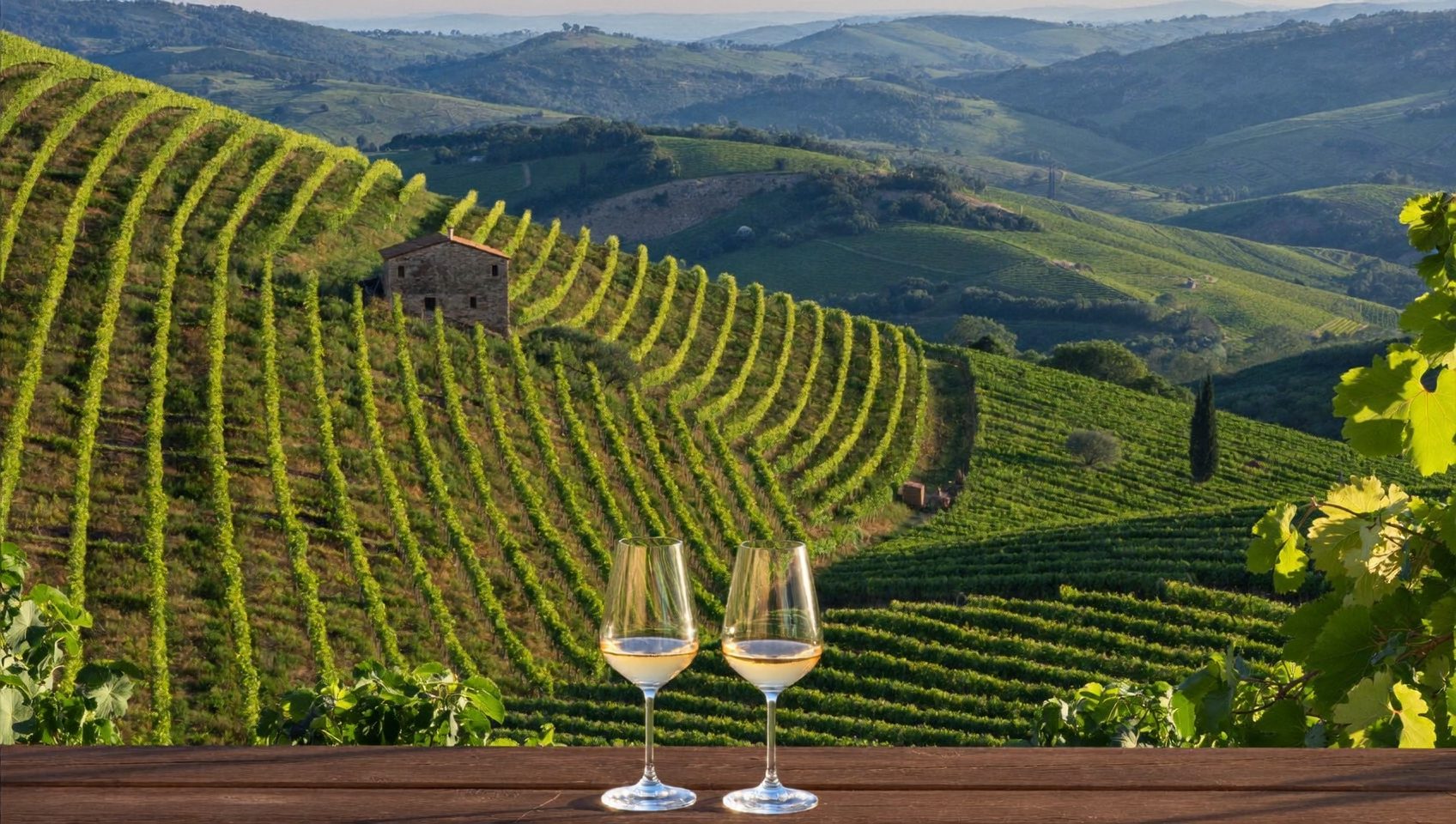
If you are searching for Collio wineries in Cormons or San Floriano, you will find a hill denomination on the border where white wines are at the centre of the offer. The most frequently cited whites are Friulano, Ribolla Gialla and Pinot Grigio, but Merlot is also grown among the reds in the same area. For an Italian winery that wants to sell abroad, it is worth reading the zones one by one, because San Floriano del Collio, Cormons and Dolegna del Collio have their own histories and landscapes. The profiles of the individual localities are San Floriano del Collio, Cormons and Dolegna del Collio; the rules of the denomination are in the complete guide to Collio DOC.
Collio: hills, border and a single denomination
The Consorzio Collio describes the territory as a set of hills where vineyards climb the slopes and rural traditions still shape the work. The Consortium's website lists the localities of the territory, including the San Floriano viewpoint, Cormòns, Dolegna del Collio, Capriva del Friuli and Oslavia. For importers, the useful point is that vineyards in these localities inside the zone mapped by the disciplinare all carry the same DOC, even when they are in different municipalities; some municipalities, such as Cormons and Capriva del Friuli, are however only partly in Collio and partly in the Friuli Isonzo DOC, so what counts is where the vineyard is.
The Consortium is also working on promotion. The website announces a collaboration called Collio Evolution 2026 and an agreement for joint promotion among the hill consortia of Friuli Venezia Giulia. In the same period, a temporary association was formed between the Collio and the Colli Orientali. For your winery, this means the denomination increasingly presents itself as a system, and a foreign buyer may find the Collio alongside other Friulian zones in the same initiatives.
The whites: Friulano, Ribolla, Pinot Grigio, Collio Bianco
Friulano is the grape variety that most identifies the area, so it makes sense to open your description of the Collio with it. The guide to this variety is Friulano for export, useful for understanding how to present it to people who do not know it.
Ribolla Gialla is the traditional white of the Gorizia hills. The Collio DOC provides for it only as a still wine, which the disciplinare describes as dry and fresh, with at least 11 percent alcohol (disciplinare, art. 1 and 6). Those who sell abroad should know that the name of the variety is not equally familiar in every market: importers often ask for a sheet that explains the style, the colour and food pairings.
Pinot Grigio is the white that many importers already know, even when they know little about Friulano. For this reason the technical sheet must state precisely how the wine is made, that is, whether it had skin contact or was fermented in wood.
Collio Bianco is a blended wine, meaning a mix of several white varieties. It is the entry that helps describe the denomination as a whole, because an importer buying a single wine can order the white of the Collio without having to choose a variety. In the sheets sent abroad, it is worth stating the grapes as percentages, so the importer can see the composition at once.
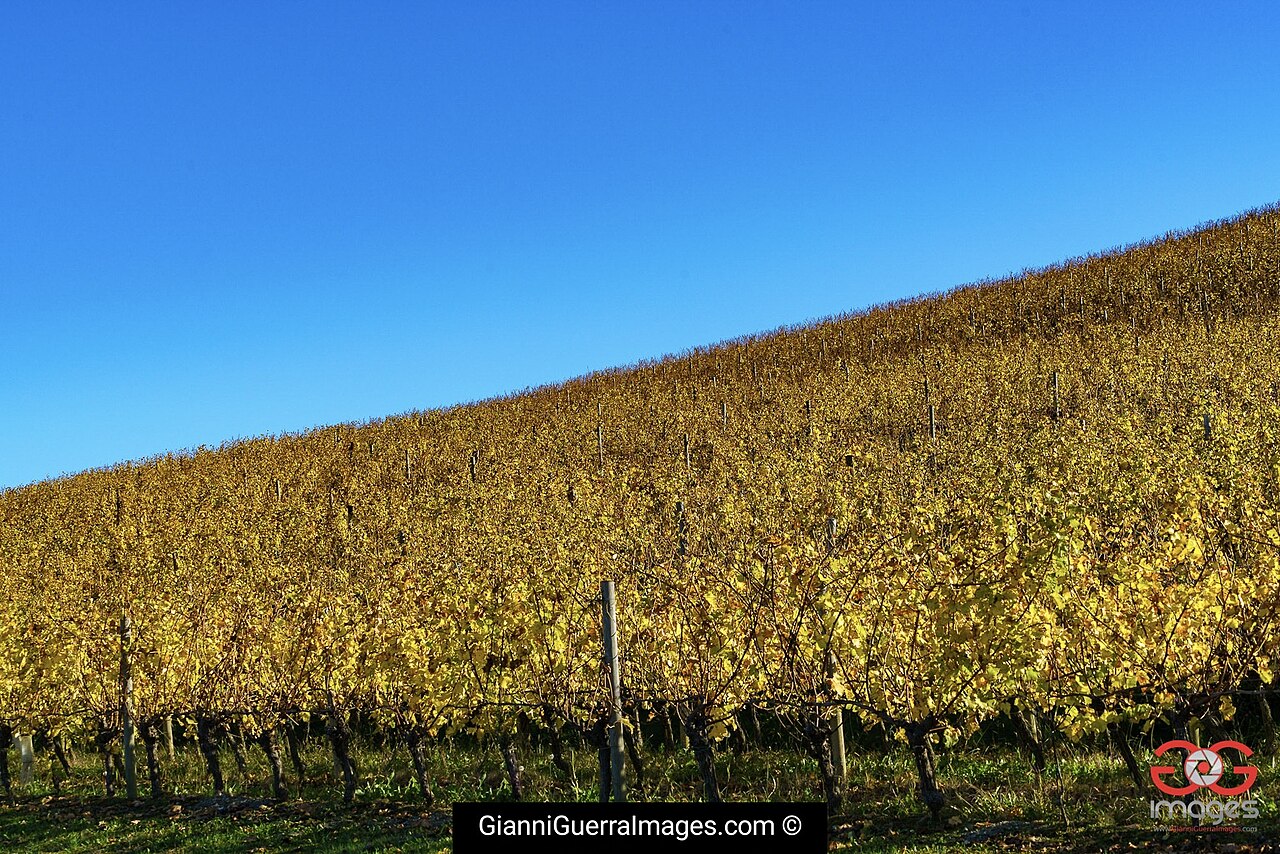
Merlot and the reds of the Collio
Merlot is a red that buyers can compare with Merlots from other Italian zones. The wine usually has medium structure and a red-fruit profile, and it lends itself both to bottle consumption and to pairing in restaurants. For the importer, the decisive point is consistency between vintage, sheet and DOC certification.
The denomination also covers other red wines, but Merlot is the one that most often requires a technical explanation: barrique or steel, length of ageing, serving temperature. A sheet that answers these questions before they are asked can reduce the number of email exchanges with the importer.
To verify declared production, the reference is the V.Q.P.R.D. d'Italia, the data overview on production of Denomination of Origin wines that Federdoc presents on the basis of surveys from the control bodies. A serious importer asks for the vintage data: having the official source at hand avoids unnecessary discussions.
San Floriano, Cormons, Dolegna: the zones
San Floriano del Collio has, within its territory, viewpoints and churches that the Consortium highlights as points of interest, which makes the locality suitable for telling the story of the wine together with the landscape. For foreign markets, describing the zone helps the buyer understand where the wine comes from, with a description of the vineyards on the hills.
Cormons has a reference role in the area. The ERSA website reports that releases of natural predators against Aleurocanthus spiniferus, an insect harmful to plants, are planned in the municipality of Cormons, with a notice to residents. For a winery in Cormons this is a field matter, but it is also a fact a buyer may ask about during a technical visit.
Dolegna del Collio is a more compact municipality, with vineyards spread across the slopes. Wineries in this zone can focus their communication on the single vineyard or the single slope, a story the buyer can verify during the visit. The municipal profiles therefore serve as a starting point, and then the work on the individual winery brings the wine into the denomination.
Where the Collio sells: the national picture and channels
The Collio exports within a national framework that official data describes with precise figures. Istat, in its extra-EU foreign trade release for September 2026, estimates a monthly decline of 1.3% in Italian exports and a positive trade balance with non-EU countries. Wine enters this framework as an export agri-food product, but Istat data does not distinguish Friulian wine: for that detail, the trade-sector source is needed.
The three institutions that those selling from Friuli Venezia Giulia meet most often have different roles. The table summarises what they do and where to find the information.
| Body | What it does for those selling abroad | Where to read it |
|---|---|---|
| Consorzio Collio | Territory promotion, joint promotion agreement, projects such as Collio Evolution 2026 | Consortium website, territory and wineries section |
| Federdoc | Production data for DOC wines (V.Q.P.R.D.), participation in international fairs, DocMagazine journal | Federdoc website, data and initiatives section |
| ERSA FVG | Promotion of products at fairs in a business-to-business format, management of origin brands for foreign marketing | ERSA website, wine fairs section |
The table shows a practical limit: none of the three sources alone gives a complete picture of export sales channels. The Consortium tells the story of the denomination, Federdoc provides production data, ERSA follows brands and fairs. Those who sell need to use them together.
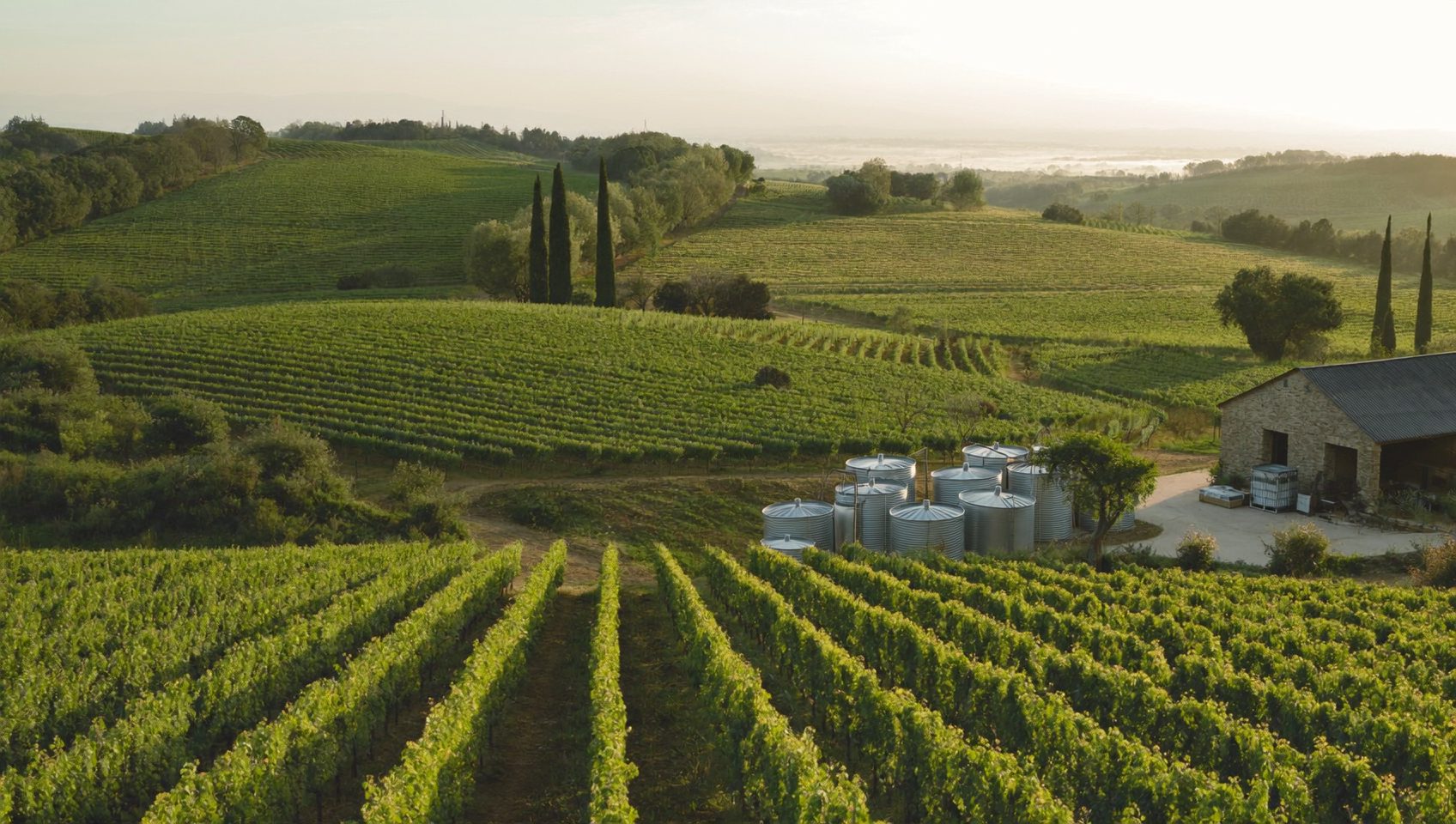
How wineries work with foreign markets
A foreign importer usually asks four things before opening negotiations: a technical sheet consistent with the label, confirmation of the denomination, the ex-cellar price in its currency and the availability of the vintage. A producer who replies with orderly documents shortens the timeline, and the first step is to prepare the document set before the meeting.
The regional promotion system works in stages. ERSA organises the participation of wineries in fairs with business-to-business meetings, and for Collio wineries this is a channel for meeting foreign operators.
Health matters also need attention. ERSA has redefined the delimited area for flavescence dorée in the vine in Friuli Venezia Giulia with Decree No. 733/2026. For a winery that exports this is not a sheet issue, but an update that affects vineyards and that an attentive buyer may ask about during the visit.
Finally, a winery selling abroad should keep two routes separate: direct sales to an importer, which requires a sheet in the buyer's language and a commercial negotiation, and participation in collective initiatives, such as those of the denomination or the region, which bring more visibility at shared costs. The Collio has both routes open, and the choice depends on volume and the markets the winery wants to reach. For the regional picture, the page Friuli Venezia Giulia wine for export summarises the levers available.
Frequently asked questions
Which white wines does the Collio produce?
Among the whites of the Collio, the most cited are Friulano, Ribolla Gialla and Pinot Grigio. The denomination also includes Collio Bianco, a blended wine that brings together several varieties. For export, it is always advisable to state the variety or the percentage on the sheet.
Where are the Collio wineries in Cormons and San Floriano?
The wineries are spread across the localities of the territory, and the Consorzio Collio lists the places, including San Floriano del Collio and Cormòns. For a specific winery, you need the profile of that individual company. Those looking for the area can start from the municipal profiles.
Where can I check the production data for DOC wines?
Federdoc publishes the V.Q.P.R.D., the overview of production data for Denomination of Origin wines in Italy, based on surveys provided by certain appointed control bodies. It is a useful reference for verifying production declared by a winery.
Does the Collio also produce red wines?
Yes, the denomination includes red wines, and Merlot is the red variety covered in this article. For the importer, the profile of the red should be described in terms of structure, ageing and serving temperature, so that the sheet answers the most frequent questions.
Sources
- Dealcoholized wine export price: duties and buyers
- Chianti Classico Export Price: Ex-Cellar and Shelf Bands
- Italian wine DOC, DOCG and IGT: the designation pyramid
- World Bulk Wine Exhibition: Amsterdam Bulk Wine Trade Fair
- Franciacorta export: ex-cellar bands and importer margins
- Winery export marketing plan: 6 steps for importers