At what Babo (or Brix) degree to harvest grapes for sparkling wine base: sugars, acidity and target pH, differences between Chardonnay, Pinot Noir and Glera, classic method and Charmat
Wines Export Editorial · Last updated:
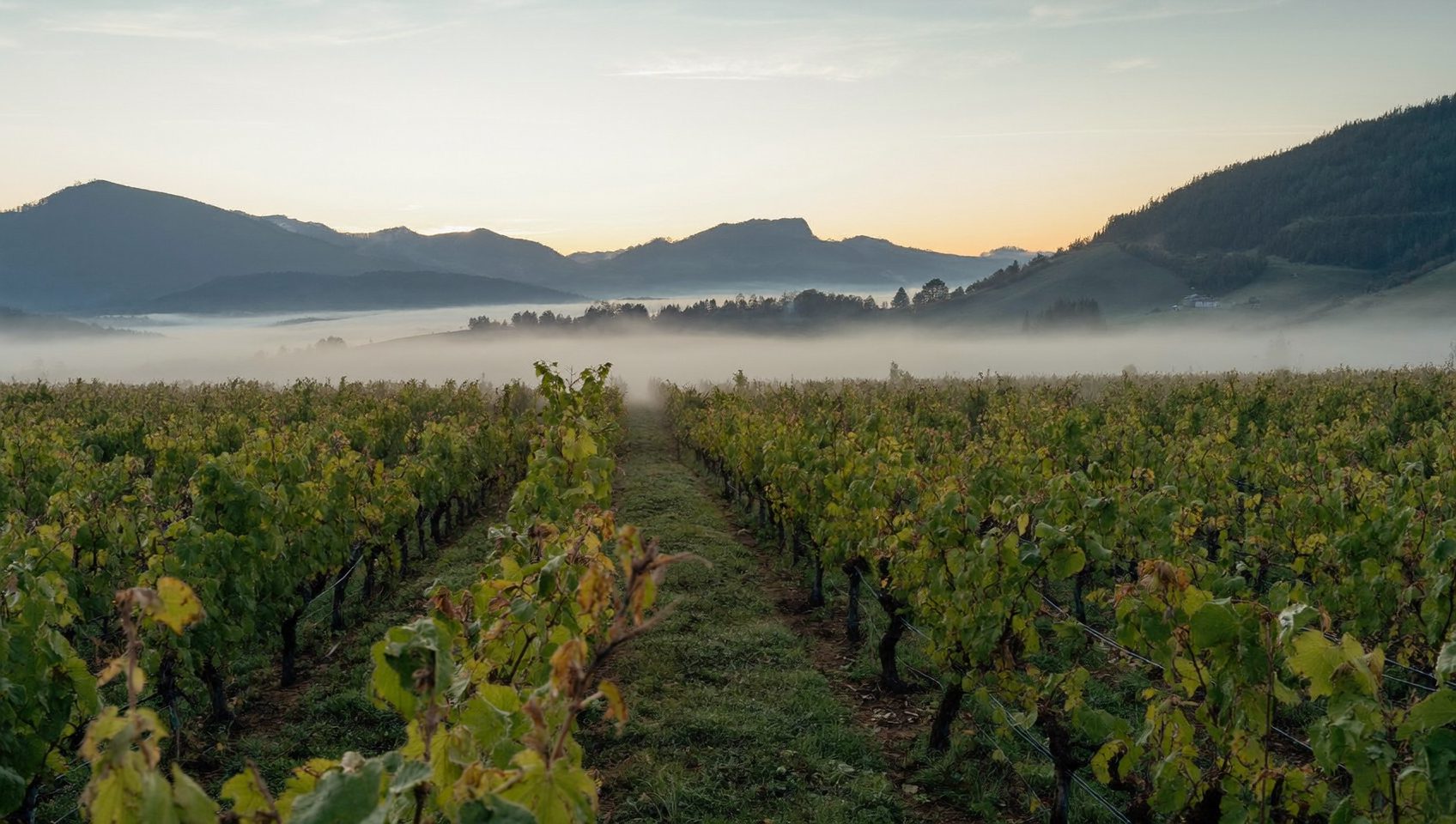
To obtain a balanced sparkling wine base, the grapes are harvested earlier than for still wines, when the Babo degree falls between 14.5 and 17.5 °Babo (equal to approximately 17-20.5 °Brix). This sugar range produces a base wine with a potential alcohol content of between 9.5% and 11.5% vol, leaving the margin needed for the alcohol increase caused by the second fermentation, which Delegated Regulation (EU) 2019/934 sets at a maximum of 1.5% vol for the addition of tirage liqueur. Besides sugar content, the decision on the harvest day depends on the strength of the acid profile, with a total acidity of the musts that, in classic method bases, aims at 8-10 g/l and pH values that must remain low to ensure microbiological stability and longevity.
At what Babo degree should grapes for sparkling wine base be harvested?
The harvest window for grapes destined for sparkling winemaking is narrow and often opens in the second half of August in Italian hill and foothill areas. The oenological goal is not full phenolic ripeness or maximum sugar concentration, but acid freshness combined with a moderate alcohol content in the base wine.
During the second fermentation (in bottle for the classic method or in autoclave for the Martinotti-Charmat method), yeasts convert the sugars added with the tirage liqueur or present in the must into alcohol and carbon dioxide. To reach the 5-6 bar of overpressure typical of a sparkling wine, about 22-24 g/l of sucrose or rectified concentrated grape must is added, which develops roughly 1.3% to 1.5% vol of additional alcohol. If you harvested a Chardonnay at 19 °Babo (about 12.5% vol potential), after refermentation you would obtain a finished sparkling wine of around 14% vol: an excessive strength that would mask aromatic finesse, hinder the activity of the yeasts during the second fermentation and make the wine heavy to drink.
Production regulations set minimum ripeness thresholds by expressing them as minimum natural alcoholic strength by volume. In the Franciacorta DOCG regulations, Chardonnay, Pinot Noir and Pinot Bianco grapes must reach a minimum natural alcoholic strength of 9.5% vol (while for the indigenous variety Erbamat the threshold drops to 9.0% vol). In Prosecco DOC and Conegliano Valdobbiadene Prosecco Superiore DOCG, the minimum natural alcoholic strength for grapes destined for sparkling and frizzante types is set at 9.0% vol (with a regional derogation possible down to 8.5% vol in years when high summer temperatures force early harvests to preserve the acid profile). In the Garda DOC, amendments to the regulations for low-strength sparkling and frizzante bases allow harvesting with a minimum of 8.0% vol (about 13.6 °Babo) to preserve the primary floral and fruity notes.
In winery practice, for structured classic method wines made from Chardonnay and Pinot Noir, producers rarely stop at the legal minimum of 9.5% vol, but wait until 16-17.5 °Babo is reached (10.5-11.5% vol potential), in order to avoid overly marked herbaceous or vegetal notes in the base wine.
How to convert Babo, Brix, Baumé and Oechsle degrees into potential alcohol
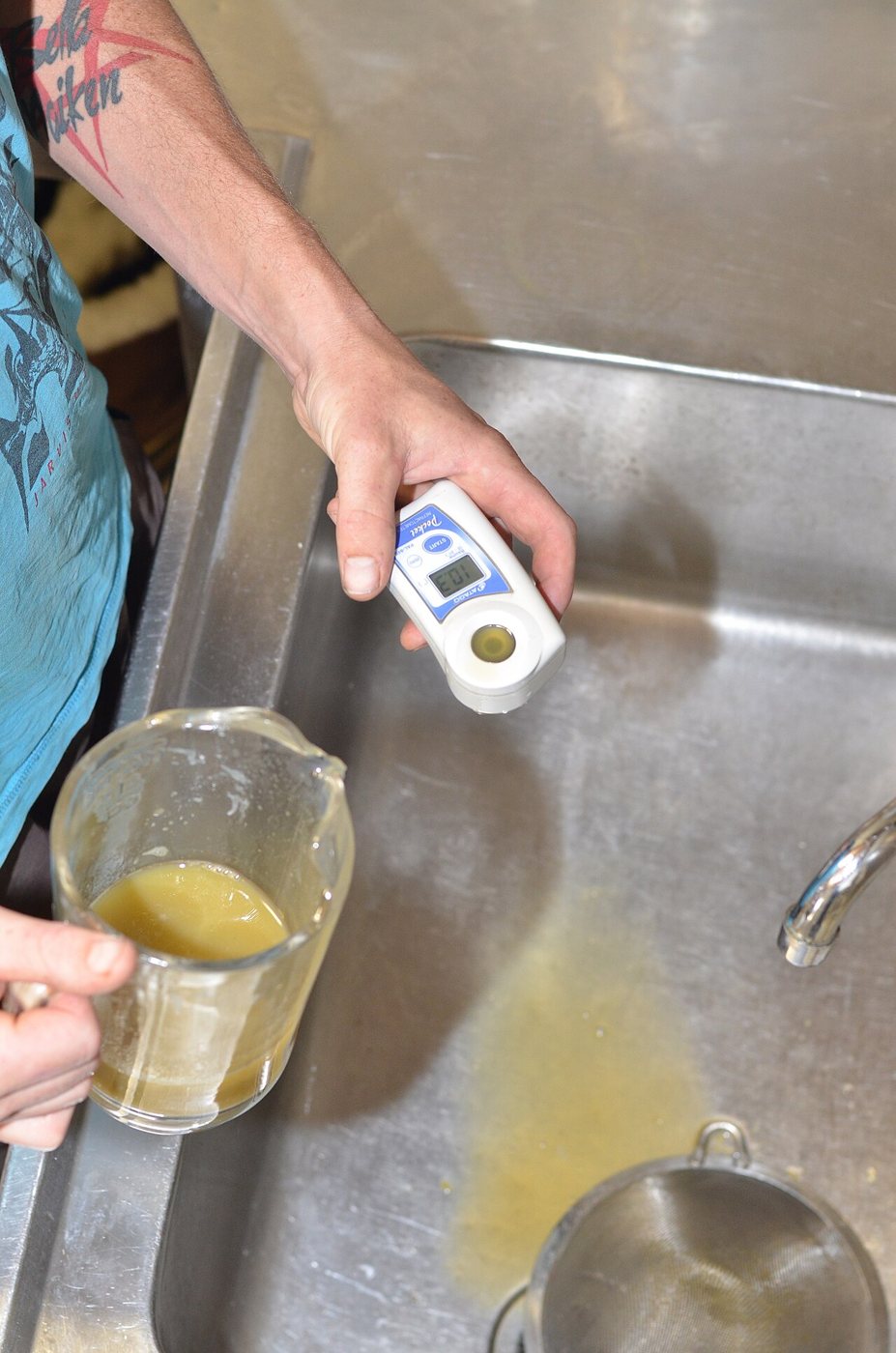
In the vineyard and when grapes are received at the winery, several scales for measuring the density and refractive index of the must coexist. The Babo must hydrometer, historically widespread throughout Italy, indicates the grams of fermentable sugars present in 100 grams of must. The optical or digital refractometer, the standard instrument for rapid sampling in the field between the rows, instead gives a reading in degrees Brix (or Balling), which measures total soluble solids (composed almost entirely of sugars, but also of organic acids, mineral salts and pectic substances).
Because the Brix scale also includes non-sugar solids, the value in degrees Brix is always higher than the corresponding value in degrees Babo by about 15-18%. To move from the reading taken on the hydrometer or refractometer to the potential alcoholic strength of the base wine, the yeast conversion yield coefficient is applied (on average, 16.83 grams of sugar per litre of must produce 1% vol of ethyl alcohol in white wines vinified without skins).
The following table compares reference values for the maturity range typical of sparkling wine bases, relating the Babo, Brix and Oechsle scales (used in Germany, Switzerland and South Tyrol) and the potential alcohol resulting at the end of the first fermentation.
| Babo degree (°Babo) | Brix degree (°Bx) | Oechsle degree (°Oe) | Approx. reducing sugars (g/l) | Base potential alcohol (% vol) | Typical oenological use |
|---|---|---|---|---|---|
| 13.6 °Babo | 15.8 °Bx | 64 °Oe | 135 g/l | 8.0% vol | Low-strength sparkling and frizzante bases (e.g. Garda DOC) |
| 15.0 °Babo | 17.4 °Bx | 71 °Oe | 151 g/l | 9.0% vol | Minimum regulation for Prosecco DOC sparkling and Erbamat |
| 15.8 °Babo | 18.3 °Bx | 75 °Oe | 160 g/l | 9.5% vol | Minimum regulation for Franciacorta DOCG (Chardonnay/Pinot) |
| 16.6 °Babo | 19.3 °Bx | 80 °Oe | 168 g/l | 10.0% vol | Fresh Charmat bases (Glera) and vintage classic method |
| 17.5 °Babo | 20.3 °Bx | 84 °Oe | 185 g/l | 11.0 - 11.5% vol | Classic method bases for long ageing on lees |
For a rigorous check before cutting the bunches, the refractometer reading in the field should be combined with basic analyses of must and wine in the laboratory, determining sugars by chemical or densimetric methods on a representative sample of at least 200-300 berries taken from both sides of the row and from different positions in the bunch (shoulder, middle and tip).
Sugar, total acidity and pH: the three parameters to cross-check
Looking only at the Babo degree exposes the winery to serious errors of judgement, especially in vintages marked by heatwaves in August. Sugar accumulation (linked to photosynthetic activity and to concentration through transpiration of the berry) and the degradation of organic acids (linked to cellular respiration of malic acid at temperatures above 30 °C) proceed independently of each other.
In a hot vintage, the must may read only 15.5 °Babo yet have already lost much of its malic acid, showing a high pH and insufficient total acidity. For this reason, the ripening curve for sparkling wine bases tracks three variables at the same time:
- Titratable total acidity: expressed in grams of tartaric acid per litre. For a classic method base intended for long ageing on lees, the must at pressing shows values between 8.0 and 10.5 g/l (which will drop in the finished wine after cold tartaric precipitation and any malolactic fermentation, while remaining above the 5.0 g/l minimum required, for example, by the Franciacorta regulations at consumption). For bases destined for Martinotti-method sparkling wines to be drunk young, must acidity is usually between 6.5 and 8.0 g/l.
- pH value: represents the real acid strength of the must. In sparkling wine bases, the ideal pH at harvest lies between 2.95 and 3.15. A low pH protects the must from enzymatic oxidation during the pressing of whole grapes, makes the free fraction of sulphur dioxide more active (allowing sulphite doses to be reduced), favours the fermentation flora and gives the finished wine taste tension and foam stability.
- Tartaric acid / malic acid ratio and potassium content: during veraison and ripening the vine transports potassium ions from the leaves to the berries. Potassium binds to tartaric acid, forming potassium bitartrate, which precipitates during vinification and cold stabilisation, causing the pH to rise. Harvesting before potassium accumulation in the pulp becomes excessive preserves free tartaric acid, which is the true pillar of the wine's acid stability.
Chardonnay, Pinot Noir and Glera: how the harvest curve changes
Each variety responds to the seasonal pattern with its own ripening kinetics. Managing a harvest for sparkling wine bases requires staggering the arrivals at the winery according to the physiology of the different sparkling wine grape varieties and the exposure of individual plots.
Chardonnay
An early and versatile variety, it forms the backbone of most Italian and international classic method wines. Chardonnay accumulates sugars regularly but, in warm-temperate climates or on light soils in the plains, tends to lose malic acid quickly during the second ten days of August. For the sparkling base it is usually harvested between 16.0 and 17.5 °Babo, when the aromatic profile shifts from herbaceous notes towards citrus and green apple, avoiding strictly the notes of ripe tropical fruit or butter that appear above 18.5 °Babo.
Pinot Noir
An equally early variety but much more delicate in the vineyard because of its thin skin and compact bunches, which make it sensitive to rot and heat damage. Vinified as white (or as rosé with very brief maceration), Pinot Noir brings structure, body and longevity to the cuvée. Harvest takes place around 16.5-17.5 °Babo. Besides the sugar/acid balance, with Pinot Noir it is essential to monitor the health status of the berry and the release of anthocyanins and tannins: grapes that are too ripe or have fragile skins would release colour and bitter polyphenolic fractions even in the first fractions of gentle pressing.
Glera
A medium-late ripening variety, the base of Prosecco (where it makes up at least 85% of the blend, possibly accompanied by up to 15% of historic varieties such as Verdiso, Bianchetta Trevigiana, Perera, Glera lunga or international ones such as Chardonnay and Pinot). Glera is harvested between late August and September at a lower Babo degree than the classic method varieties, typically between 14.5 and 16.0 °Babo (9.0-10.0% vol potential). This choice preserves the terpenic and norisoprenoid precursors responsible for the aromas of pear, apple and white flowers, keeping the finished wine light (around 10.5-11.5% vol overall after the second fermentation in autoclave).
Other indigenous sparkling varieties (Erbamat, Verdicchio, Durella)
In recent years many consortia have introduced or enhanced late-ripening indigenous varieties with high natural acidity to counter the effects of climate warming. Erbamat in Franciacorta, for example, ripens weeks after Chardonnay and keeps high total acidity and pH below 3.0 even in late September, while reaching lower sugar levels (the regulations set the minimum at 9.0% vol, about 15 °Babo).
Classic method and Martinotti-Charmat method: what changes in the vineyard and at the press
The technological destination of the grapes guides both the timing of cutting the bunches and the first operations in the winery.
In the classic method (Franciacorta, Trento DOC, Oltrepò Pavese, Alta Langa), the base wine must undergo a second fermentation in bottle followed by ageing on lees lasting from a minimum of 18 months up to more than 30 months for vintage wines and 60 months for reserves. Yeast autolysis enriches the wine with mannoproteins, amino acids and complex aromatic compounds, softening the perceived acidity on the palate. Consequently, the starting grapes must have a very pronounced acid backbone (often 8.5-10 g/l of total acidity) and a sufficient sugar level (16.5-17.5 °Babo) to give body to the structure. Harvesting is mandatorily manual, in small perforated crates to keep the berry intact; at the winery the whole, non-destemmed grapes undergo gentle fractional pressing, separating the flower must (the first fraction, the most acidic, low in polyphenols and potassium) from the later pressings.
In the Martinotti-Charmat method (Prosecco, Asti, aromatic and varietal sparkling wines), the goal is to highlight the primary freshness of the fruit and its floral fragrance through a second fermentation in large airtight vessels (autoclaves) of shorter duration. Here the aim is not structure for long ageing, but immediate drinkability and aromatic clarity. Grapes are picked at lower Babo degrees (14.5-16.5 °Babo), taking care not to exceed the ripeness threshold at which fresh aromas give way to notes of cooked fruit. The choice of yeasts for sparkling wine base and second fermentation also follows this distinction: neutral and cryophilic strains with high tolerance to alcohol and pressure for the classic method; strains capable of releasing thiols and fruity esters during primary fermentation for Charmat bases.
Common errors in harvest management and permitted corrections
A recurring mistake in wineries approaching sparkling winemaking is waiting for the seeds to be completely brown or for the skin to be soft, as for a still white wine. In sparkling wine bases, technological ripeness (the balance between sugars and acids) comes two or three weeks before phenolic ripeness. Delaying the harvest by just four or five days during an August heatwave can raise the degree by 1.5 °Babo and cause total acidity to collapse by 2 g/l, forcing the winemaker to take corrective action in the winery.
A second error concerns the temperature of the harvested grapes. If bunches of Pinot Noir or Chardonnay are cut during the central hours of the day at 28-30 °C and wait on the yard before entering the press, unwanted skin macerations, extraction of oxidisable polyphenols, colour release and acid losses through salt formation with skin potassium are triggered. Harvesting in the early morning hours or cooling the crates in a cold room before pressing are now essential precautions.
When seasonal conditions penalise the acid stability of the musts, European legislation offers precise correction tools within the authorised oenological practices. According to Delegated Regulation (EU) 2019/934 and the OIV International Code of Oenological Practices:
- Chemical acidification: the blend (cuvée) destined to become sparkling wine may be acidified up to a maximum limit of 1.50 g/l expressed as tartaric acid (equal to 20 milliequivalents/l), in addition to any acidification already carried out on the individual components upstream (must or young wine still fermenting). In years with exceptional climatic conditions, the limit for the cuvée may be raised to 2.50 g/l (34 milliequivalents/l), provided that the initial natural acidity is not below 3 g/l. The acids that may be used (L-tartaric, L-malic, DL-malic, lactic) are classified as acidity regulating additives, must be recorded in the winery's electronic register and be declared in the ingredients list on the label.
- Physical and electromembrane treatments: the OIV code and EU regulations also authorise acidification by cation exchangers or electrodialysis with bipolar membranes (which remove potassium ions, lowering the pH without adding exogenous acids), as well as microbiological acidification through selected yeasts during fermentation.
Frequently asked questions
How many Babo degrees correspond to the legal minimum for Franciacorta and Prosecco?
The Franciacorta DOCG regulations require a minimum natural alcoholic strength by volume of 9.5% vol for Chardonnay, Pinot Noir and Pinot Bianco, which corresponds to about 15.8 °Babo (18.3 °Brix), while for Erbamat the minimum is 9.0% vol (about 15.0 °Babo). For Prosecco DOC sparkling and frizzante, the minimum is set at 9.0% vol (about 15.0 °Babo), reducible to 8.5% vol with a regional derogation in very hot years.
How much alcohol does the second fermentation add to the base wine?
The refermentation in bottle or in autoclave needed to produce a sparkling wine (about 5-6 bar of pressure) requires the addition of 22-24 g/l of sugars, which generate an alcohol increase of between 1.3% and 1.5% vol. Delegated Regulation (EU) 2019/934 establishes that the addition of tirage syrup may not raise the total alcoholic strength of the cuvée by more than 1.5% vol, while the final dosage syrup may not increase the actual strength by more than 0.5% vol.
How do you convert a refractometer reading in Brix into Babo degrees?
The Brix degree measures all the soluble solids of the must (sugars plus acids, salts and pectins), while the Babo degree indicates only the fermentable sugars in 100 grams of must. To obtain a quick estimate of the Babo degree from the refractometer reading in the vineyard, you can divide the value in Brix degrees by a coefficient of about 1.16 (for example, 19.5 °Brix correspond to about 16.8 °Babo).
What is the ideal must pH for a classic method sparkling wine base?
At pressing, a must destined for a classic method sparkling wine base should have a pH between 2.95 and 3.15, combined with a total acidity between 8.0 and 10.5 g/l. Such low pH values protect the flower must from oxidation without having to use excessive sulphur dioxide, favour fermentative cleanliness and guarantee freshness and longevity during the long months of ageing on lees.
Sources
- International Organisation of Vine and Wine (OIV) – International Code of Oenological Practices
- EUR-Lex – Delegated Regulation (EU) 2019/934 on authorised oenological practices and the restrictions applicable to sparkling wines
- Consorzio per la tutela del Franciacorta – Production regulations and territory
- Consorzio di Tutela della DOC Prosecco – Regulations, grape varieties and production method
- CREA – Council for Agricultural Research and Economics
- Barolo MGA: geographical mentions and villages for buyers
- Prosecco Alcohol Content: DOC and DOCG Minimum ABV
- Bolgheri DOC production, wineries and prices for importers
- Albeisa bottle: history and who can use it for export
- Bonarda wine: three different wines under one name
- Aglianico del Vulture DOC and Superiore DOCG: Rules and Zone