Bonarda grape: Oltrepò (Croatina), Piedmont and Argentina, three different wines
Wines Export Editorial · Last updated:
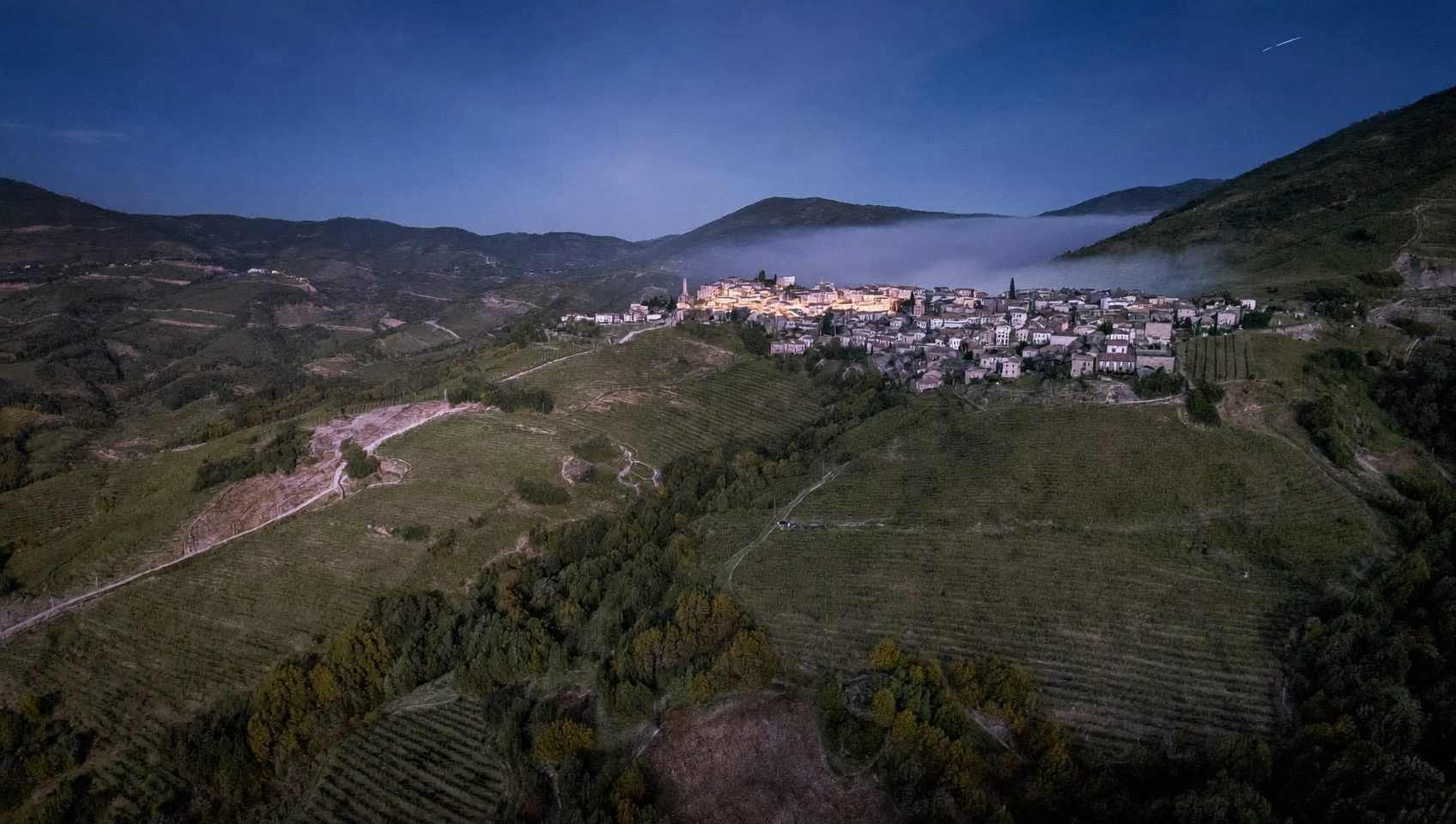
In the market, the name Bonarda can refer to at least three different things. In Oltrepò Pavese, the name Bonarda mostly designates wine made from Croatina, the grape variety that the Consortium lists among the most representative of the area. In Piedmont, there is a Piedmontese Bonarda with its own history and documentation. In Argentina, Bonarda is a variety that the country counts among its main red grapes, and its wine is not to be confused with the wine from the Po Valley. A buyer who orders «Bonarda» without specifying country and designation may therefore receive a different wine from the one intended. Before ordering, you should know which variety, which designation and which country stand behind the name. For the grape itself, see the export guide on the Bonarda grape and the profile of Croatina.
Three grape varieties and one name: how the confusion arises
The name Bonarda is the same, but the technical records describe different things. The National Register of Grape Varieties of the Ministry of Agriculture is a documentation catalogue: its own heading states that official acts are the authoritative source. Anyone working on exports should therefore use it as a starting point and then confirm the details in the official designation documents.
For genetic identity, the international reference is the VIVC, the Vitis International Variety Catalogue, founded in 1984 at the Geilweilerhof Institute for Grapevine Breeding. The database describes around 23,000 cultivars, crossing lines and Vitis species, and holds passport data, SSR molecular profiles, bibliography and photographs. It is the right tool for checking whether two local names refer to the same variety before you write the name on the export label.
The confusion comes from three factors. The first is synonymy between local names. The second is that the same word appears in the designations of different areas. The third is that the buyer often thinks in terms of commercial names, while the register thinks in terms of varieties. When these three levels do not coincide, the practical risk is an order that arrives with a wine that was not requested.
Bonarda dell'Oltrepò Pavese: Croatina, sparkling and still
Oltrepò is a large area for Italian wine. The Consorzio Tutela Vini Oltrepò Pavese reports around 13,500 hectares of vineyards and 1,700 wine companies, mostly small to medium-sized and family-run. The hills of Oltrepò produce 62% of the wine of Lombardy. The Consortium lists Croatina among the most representative grape varieties of the area, together with Barbera, Pinot Noir, Riesling and Moscato.
The Consortium describes Bonarda as the traditional wine of the territory, with production reaching 20 million bottles. The designations of the area are grouped under one geographical indication: one DOCG, seven DOCs and one IGT. Among the DOCs is Bonarda dell'Oltrepò Pavese. The specification of this DOC sets out the permitted types, including the distinction between sparkling (frizzante) and still (fermo), and states which grapes are allowed. Do not assume the type of wine from the name alone.
| Designation | Category | What to check before ordering |
|---|---|---|
| Bonarda dell'Oltrepò Pavese | DOC | Permitted grapes, types (sparkling or still), yield and winemaking as set out in the specification |
| Oltrepò Pavese Metodo Classico | DOCG | Production method and grape varieties for the sparkling base |
| Provincia di Pavia | IGT | Grapes and type, as this is a more general designation |
For Oltrepò, our page for foreign buyers explains how to read the designation. If your importer also asks about other wines from the province of Pavia, such as the Rovescala wine, the check is the same: designation name, grapes and type.
Piedmontese Bonarda: the historic variety and its designations
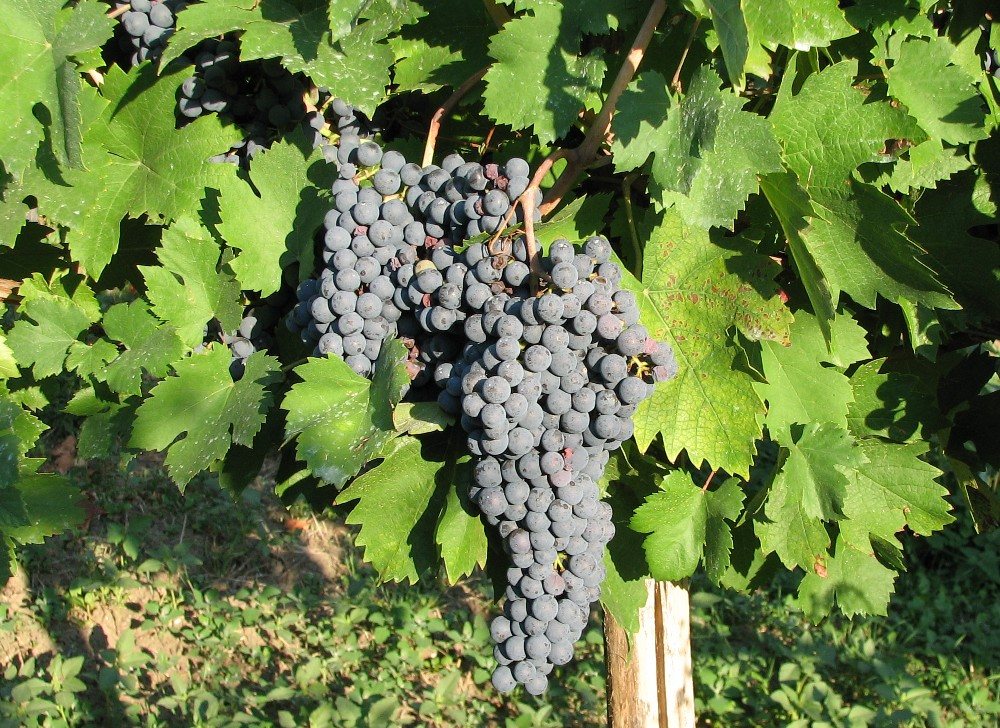
Piedmont has a Piedmontese Bonarda that should not be confused with the Croatina of Oltrepò. The difference is not only geographical: the wine that results depends on the variety entered in the register and on the specification of the designation under which it is placed on the market. For this reason, when a label shows only «Bonarda» and the country of origin is Piedmont, the first check must be made against the Piedmontese specification, not the Lombard one.
To find the specifications, the reference is the section of the Ministry of Agriculture dedicated to lists and specifications of PDO and PGI wines. The site publishes the alphabetical list of PDO wines and the specifications divided by initial letters, from A to D, E to N and O to Z. Ask your importer to also state the exact designation shown on the label, so that you do not search for the wrong name.
The next step is the Single Document, the technical summary of each PDO or PGI. The Ministry describes the route: in the Schedario viticolo section of the European e-Ambrosia database, you select the Italian language, search for the name of the designation, open the file and from there reach the Single Document. The Single Document is the text the buyer can attach to the technical sheet received from the winery.
Argentine Bonarda: what it has to do with Italy
The Instituto Nacional de Vitivinicultura (INV) publishes a profile of Bonarda in which it describes it as the second red variety by planted area in Argentina, after Malbec. This figure places Argentine Bonarda among the country's most important grapes, and explains why an importer dealing with Argentine wine often encounters it.
The area figure alone does not say whether Argentine Bonarda is the same grape as Italian Bonarda, and in fact it is not: with Resolución C.5/2008 of the Instituto Nacional de Vitivinicultura, Argentina established that the variety called Bonarda in the country is the French Corbeau, also known as Douce Noire. An Argentine label and an Italian label with the same name are therefore not the same product.
The INV keeps its export data for wine and must up to date. For Bonarda alone, the INV counts 16,744 hectolitres exported in 2024, varietal and blends together, with Brazil as the leading destination (INV, Bonarda variety report, July 2025). The site provides INVEX, the foreign trade consultation system with charts and downloads, and information on export requirements by destination, with VUCE and export procedures.
Volumes and prices: what foreign markets buy and through which channel
The published data describe the scale of volumes, not a price. The Oltrepò reports Bonarda production of around 20 million bottles, while Argentina measures its flows in hectolitres of varietal wine. The two figures are not added together and should not be compared as if they were the same thing.
For the channel, the most common route goes through an importer who distributes to restaurants, wine shops and chains. A buyer for large-scale retail asks for a technical sheet with variety, designation, type and format. A specialist distributor also asks for the Single Document and a description of the production method. In both cases the first question is the same: which Bonarda are you selling?
The sources listed below do not publish price data for Bonarda on foreign markets. Ask your importer for the ex-cellar price and the shelf price in their market, and compare the two with transport and customs costs.
What to check on the label and technical sheet
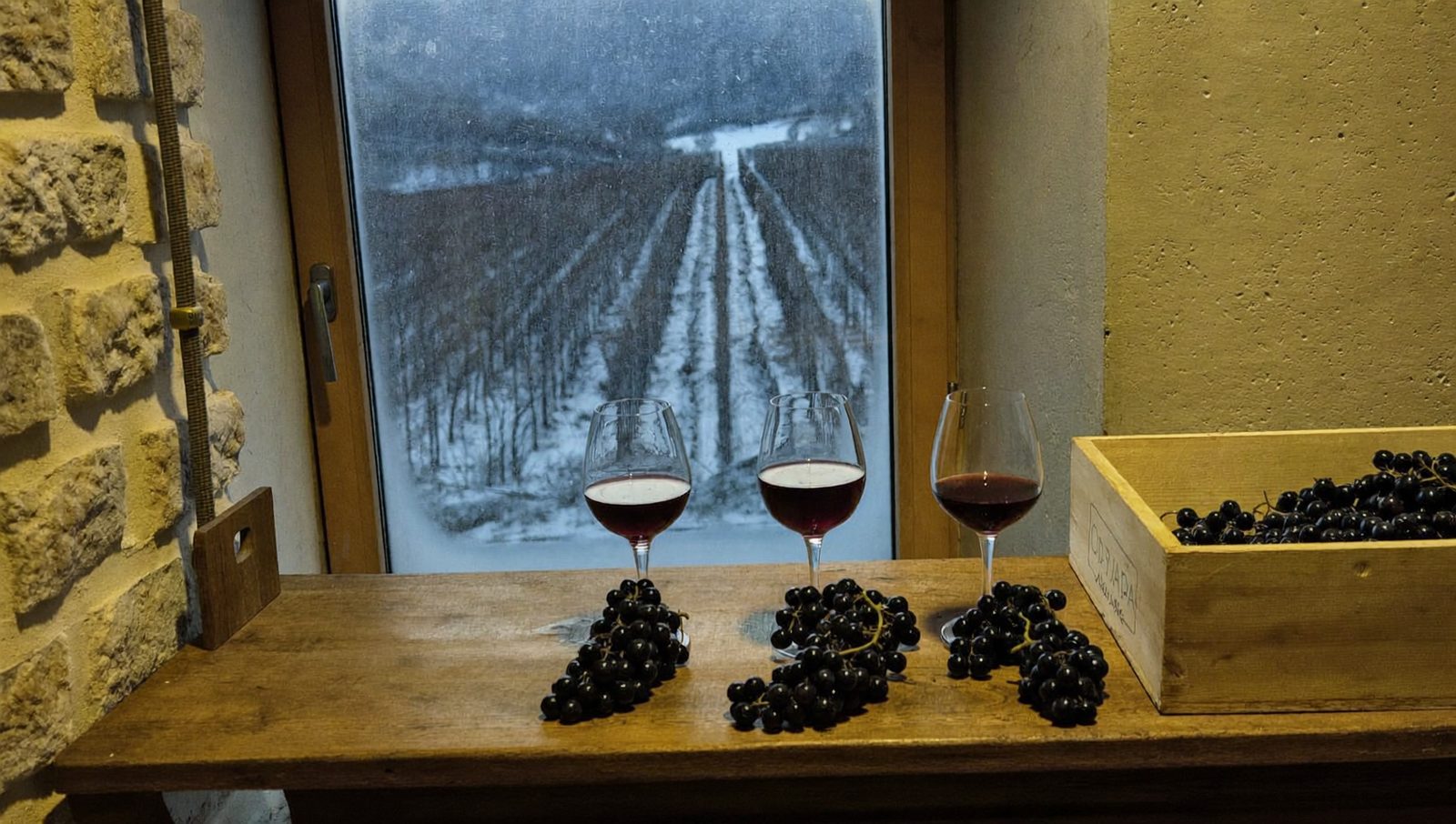
The technical sheet you send to the buyer must state four things explicitly. The first is the variety the wine is made from, with the name written as it appears in the register and not as a fancy name. The second is the exact designation, with its category DOC, DOCG or IGT. The third is the type, sparkling or still, as provided for in the specification. The fourth is the country of origin.
These same four items must match the label. If the sheet says Bonarda dell'Oltrepò Pavese DOC and the label says only Bonarda, the buyer has a legitimate reason to ask for clarification, and your importer will do so at customs or during registration. Also make sure that Argentine Bonarda does not appear on an Italian sheet, and vice versa.
For Argentina, check the export requirements by destination on the INV website before shipping, because the VUCE and INVEX procedures change with the country of arrival. For Italy, the specification and the Single Document are the documentary basis. Keep both on file for every lot, so that answering the buyer does not take weeks.
Frequently asked questions
Are Bonarda and Croatina the same grape variety?
In Oltrepò Pavese the name Bonarda mostly designates wine made from Croatina, and the Consortium lists Croatina among the most representative grape varieties of the area. The name alone does not tell you the variety: check the passport data and the molecular profile in the VIVC. Then write on the sheet the name of the variety as it appears in the register.
Is Argentine Bonarda the same grape as Italian Bonarda?
No. According to Argentina's Instituto Nacional de Vitivinicultura (Resolución C.5/2008), the Bonarda grown in Argentina is the French Corbeau, also known as Douce Noire, a different variety from the Italian Bonardas. Treat the two as distinct products, with separate sheets and documents.
Where can I verify a Bonarda designation before ordering?
Start with the list of PDO and PGI wines from the Ministry of Agriculture, then open the specification of the designation. In the e-Ambrosia database you will find the Single Document with the official technical information. Ask your importer to confirm the exact designation in writing.
What data does an importer ask for on Bonarda?
They ask for variety, designation, type, country of origin and documents such as the Single Document. They often also ask for the ex-cellar price and the availability of the lot. Prepare these items in a single sheet, so that the reply arrives on the same day as the request.
Sources
- Cannonau di Mamoiada wineries: sales and export markets
- Bolgheri DOC production, wineries and prices for importers
- Charmat-Martinotti method: autoclave, yeasts and timing
- Barolo MGA: geographical mentions and villages for buyers
- Chianti Classico DOCG: Zone, Sangiovese, Gran Selezione, UGA
- Sparkling wine base Babo degrees: when to harvest Chardonnay