Bolgheri DOC and Bolgheri Sassicaia: production volumes, production rules, Castagneto Carducci wineries, average prices and what importers look for
Wines Export Editorial · Last updated:
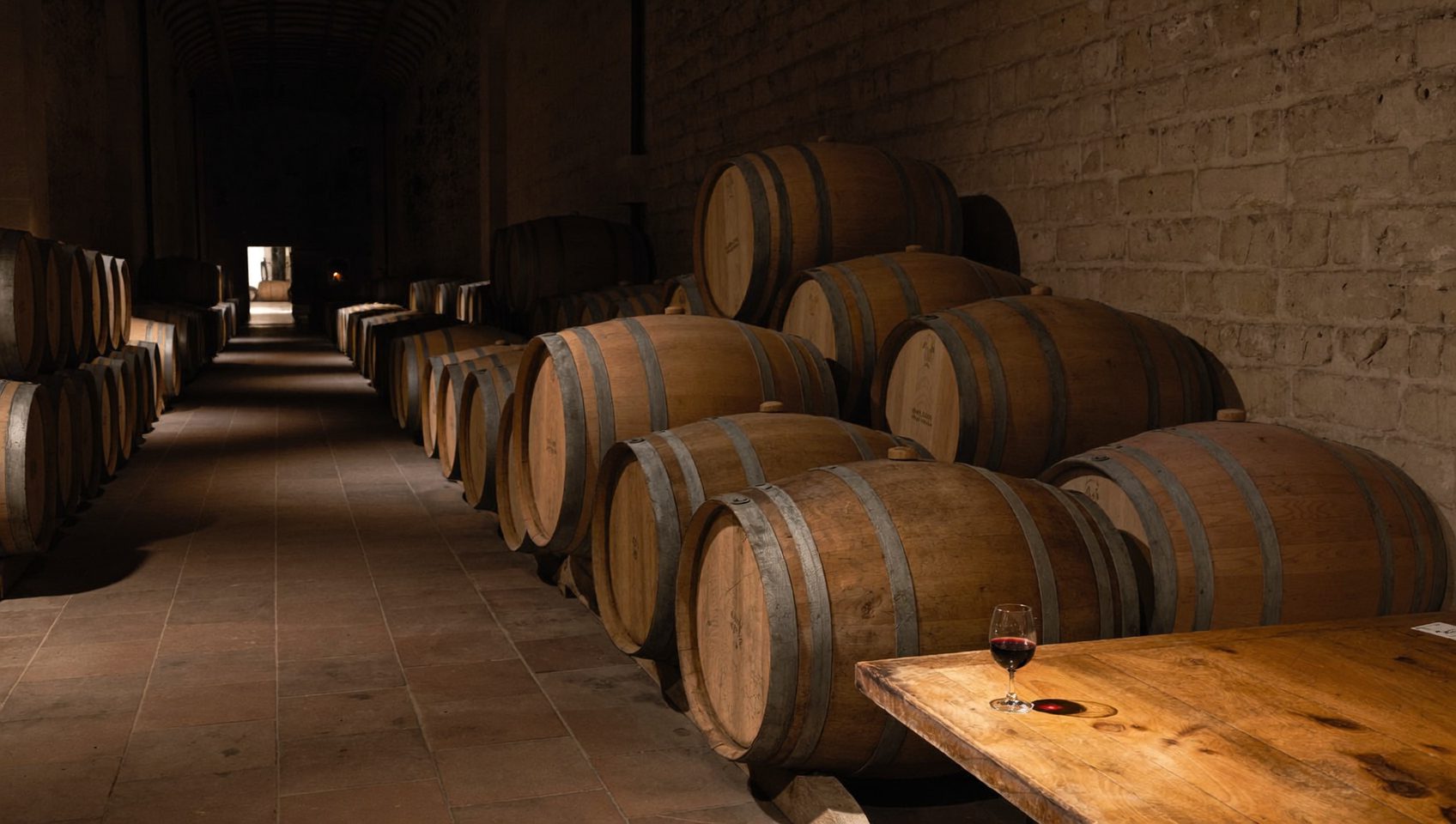
The Bolgheri DOC designation covers 1,376 hectares of registered vineyards in the municipality of Castagneto Carducci (Livorno), with 7,345,000 bottles filled in 2025 and 78 member wineries (Consorzio data, read on 12 November 2026). If you produce wine in this area of the Livorno coast or manage a portfolio of Tuscan wines for export, you are working with one of the designations with the highest added value per hectare in Italy, where Bolgheri Rosso accounts for 62% of volumes and the qualitative top tier (Bolgheri Superiore and Bolgheri Sassicaia DOC) accounts for 19%. Unlike the historic designations of the inland areas, which are built around Sangiovese, here the production rules revolve around Cabernet Sauvignon, Merlot and Cabernet Franc for the reds and Vermentino for the whites, and they require bottling to take place within the production area. Knowing the exact grape variety breakdown, the ageing requirements and the allocation dynamics of local wineries allows you to build coherent price lists and respond to the requests of international buyers.
Bolgheri in numbers: data from the Consortium
To position your wines on export markets, you need to start from the real size of the supply. The Consorzio per la Tutela dei Vini DOC Bolgheri e DOC Bolgheri Sassicaia brings together 78 member producers, based in Località San Guido. The DOC area under claim is divided into 1,181 hectares dedicated to red grape types and 195 hectares dedicated to white wines.
Despite international visibility comparable to much larger wine regions, the production base remains confined to a fraction of a single coastal municipality. This imbalance between the reputation of the territorial brand and the number of bottles available (7,345,000 in total across the whole designation) shapes much of the commercial and pricing dynamics with importers.
| Indicator / Variety / Type | Official Consortium data | Technical detail and breakdown |
|---|---|---|
| Total bottles produced | 7,345,000 | Bottled production in 2025, all types |
| DOC vineyard area | 1,376 hectares | 1,181 hectares DOC Red and 195 hectares DOC White |
| Member wineries | 78 members | Companies with an integrated supply chain within the municipal territory |
| Cabernet Sauvignon | 31.98% | The most planted variety overall |
| Merlot | 21.85% | Second black grape variety by area |
| Cabernet Franc | 19.45% | Third red variety, growing in blends and as a varietal wine |
| Vermentino | 10.60% | Main white grape variety of the designation |
| Other registered varieties | 16.12% | Syrah (4.47%), Petit Verdot (3.94%), Viognier (1.69%), Sangiovese (1.30%), Sauvignon Blanc (0.93%), others (3.79%) |
| Share by type | 100% | Bolgheri Rosso (62%), Superiore and Sassicaia (19%), Whites (16%), Rosato (3%) |
The age of the vineyards also affects the consistency of quality that buyers expect: almost half of the vineyard stock (49.6%) was planted between 2000 and 2009, while historic plantings dating from 1960-1989 account for 1.2% and those from the 1990s (1990-1999) for 14.5%. More recent vineyards are distributed across the period 2010-2017 (18.3%), the four-year span 2018-2021 (15.1%) and plantings made between 2022 and 2024 (15.3%). For a geographic and pedoclimatic overview of the area, you can consult the page on the wine territory of Castagneto Carducci in the province of Livorno, which is also available for your foreign contacts in English on vineyards and wine production in Castagneto Carducci.
The production rules: grape varieties, yields and permitted types
The production regulations of the Bolgheri DOC (originally approved by Presidential Decree of 1 August 1983 for whites and rosés only, later extended to reds in 1994 and revised in 2011 and 2021) define a precise area: the entire administrative territory of Castagneto Carducci, but excluding the flat strip located west of the former route of the Strada Statale Aurelia. Anyone buying or producing Bolgheri DOC must also comply with the requirement to bottle within the area, established by law to protect the origin and ensure the effectiveness of controls.
For the Bolgheri Rosso, Bolgheri Rosso Superiore and Bolgheri Rosato types, the company's grape variety base allows the use of Cabernet Sauvignon, Merlot and Cabernet Franc from 0% up to 100% each. Since the 2011 amendment, you therefore have the option to produce both Bordeaux-style blends and single-variety wines made with each of these three grapes. Syrah and Sangiovese may also be used, up to a maximum of 50% each, along with other red grape varieties suitable for cultivation in Tuscany (such as Petit Verdot), up to a total limit of 30%.
The winemaking and release rules clearly distinguish the two red tiers:
- Bolgheri Rosso: requires a minimum natural alcoholic strength by volume of 11.50% and may be released on the market from 1 September of the year following the harvest.
- Bolgheri Rosso Superiore (also with the Vigna designation): sets a maximum vineyard yield of 8 tonnes per hectare and an average production per vine of no more than 1.8 kg. The minimum natural alcoholic strength of the grapes rises to 12.00% (with a minimum of 12.50% vol at consumption), and mandatory ageing is at least two years counted from 1 January following the harvest, of which at least one year in oak barrels. Sales may begin from 1 January following the completion of the two-year period.
On the white side, the amendment to the production rules published in the Gazzetta Ufficiale (Official Gazette) on 1 December 2021 updated the composition of Bolgheri Bianco, allowing the use of Vermentino, Sauvignon Blanc and Viognier either alone or together in any proportion (0-100%), with the option of adding other white grape varieties authorised in Tuscany up to a maximum of 40%. The single-variety types Bolgheri Vermentino and Bolgheri Sauvignon remain in place, requiring at least 85% of the corresponding variety declared on the label and a maximum of 15% of other suitable white grapes. For all whites, the minimum natural alcoholic strength of the grapes is set at 10.50%, with a maximum grape-to-wine yield of 70%. To learn more about the technical aspects relevant to contract negotiations, you can read the analysis on what a foreign buyer should know about the Bolgheri designation.
Bolgheri Sassicaia: the DOC within the DOC
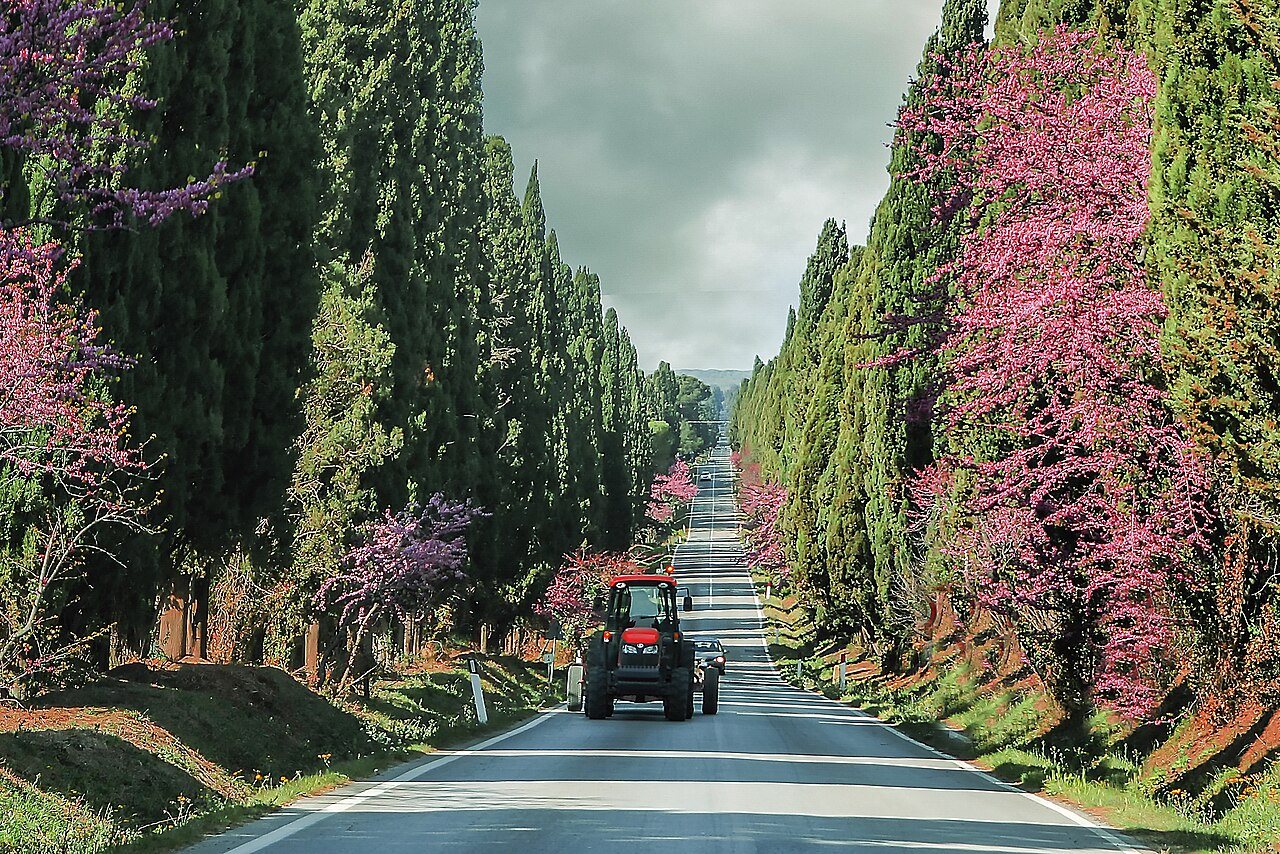
A separate regulatory chapter concerns the Bolgheri Sassicaia DOC. Historically born from the first experimental plantings of Cabernet Sauvignon grafted in 1944 at Castiglioncello di Bolgheri, and first marketed with the 1968 vintage (released in 1972, according to the Consorzio), it was initially recognised as a sub-area of the Bolgheri DOC in 1994. In 2013 the Ministry separated the sub-area from the general production rules, turning Bolgheri Sassicaia into an autonomous Denominazione di Origine Controllata, whose vineyards lie entirely within a single company property (Tenuta San Guido).
The autonomous production rules of Bolgheri Sassicaia set even stricter parameters than Bolgheri Superiore:
- Grape variety base: Cabernet Sauvignon minimum 80%, with a maximum of 20% of other red grape varieties suitable for the Tuscany Region (in historic production practice, the balance is made up of Cabernet Franc).
- Yields and plantings: the maximum yield is limited to 7 tonnes of grapes per hectare; for vineyards planted after the decree of 21 March 2011, a minimum density of 4,000 vines per hectare is mandatory, with an average production per vine of no more than 1.8 kg.
- Ageing: the wine must mature for at least 2 years counted from 1 January following the harvest, of which at least 18 months in oak barrels with a capacity of no more than 225 litres (barrique), with the obligation to indicate the vintage on the label; permitted sizes run from 0.375 to 12 litres, in a dark Bordeaux bottle with a flush cork stopper.
The wineries of Castagneto Carducci: how they work with foreign markets
The production structure of Castagneto Carducci has a characteristic that is rare in the Italian wine landscape: almost all of the 78 member wineries operate on a closed-cycle basis, managing the entire supply chain internally, from working their own vineyards through to vinification and bottling on site. The Consorzio puts it this way: almost every estate in the area handles every stage itself, from vineyard to bottling; the requirement to bottle in the zone reinforces this estate model (estate winery).
If you are a winery in the area or are building a distribution network, you will notice that the export sales strategy follows a very clear portfolio architecture:
- The top label (Bolgheri Superiore or single-plot selection): produced in limited runs, it is often handled through allocation or distributed through fine dining and collector channels (in some cases working alongside national importers for distribution on the Place de Bordeaux).
- The second wine (Bolgheri Rosso DOC): accounts for 62% of the designation's total production and is the real commercial engine for importers. It is released on the market one year earlier than the Superiore, requires less capital tied up in the cellar, and ensures turnover in restaurants and specialised wine shops.
- The white and rosé line (Vermentino, Bianco and Rosato): together covers 19% of volumes (16% whites and 3% rosés) and is used by wineries to offer foreign distributors a summer or by-the-glass food-friendly reference, keeping the estate's name on the list all year round.
To place this company structure within the wider context of regional oenology, you can consult the encyclopaedia entry on Bolgheri and the designations of the Tuscan coast.
Prices and positioning on international markets
The interplay between a vineyard area capped at 1,376 hectares and sustained global demand places Bolgheri wines in the highest tiers of export price lists. In market surveys of alcoholic beverage trends (such as the reports published by IWSR / Wine Intelligence), wines with a strong certified territorial identity show a marked polarisation: consumers reduce overall volumes but concentrate their spending on designations of recognised prestige.
Within the Bolgheri DOC, the ex-cellar (ex-works) price positioning is layered into four distinct tiers, which determine the final export channel:
| DOC type | Share of volumes | Role in the importer's portfolio | Main destination channel |
|---|---|---|---|
| Bolgheri Vermentino / Bianco / Rosato | 19% (16% whites, 3% rosés) | Entry range, fast turnover, opening Ho.Re.Ca. accounts | By-the-glass service, bistros, independent wine shops |
| Bolgheri Rosso DOC | 62% | Volume and margin for the distributor, steady presence | Mid to high-end restaurants, specialised retail, premium chains |
| Bolgheri Rosso Superiore DOC | Part of the 19% | Company image, allocation-based sales, international critics | Starred restaurants, fine wine merchants, auctions and collectors |
| Bolgheri Sassicaia DOC / historic Crus | Part of the 19% | Iconic positioning, image driver for the whole area | Global collecting, fine dining, diplomatic channels and luxury travel retail |
When preparing export price lists, you need to take into account that production costs in Castagneto Carducci are influenced by low yields (maximum 8 tonnes/hectare for the Superiore) and the extended use of oak barriques. As a result, even the basic Bolgheri Rosso never competes on the lowest price in foreign mass retail, and instead sits in the super-premium segment of the Tuscan category. To compare these dynamics with those of the other DOC and DOCG designations in the region, you can find an operational overview in the export guide to Tuscan wine.
What importers look for in Bolgheri wines
When a foreign buyer, from the United States to Switzerland and on to the Scandinavian and Asian markets, considers adding a new Castagneto Carducci winery to their catalogue, they are not looking for a substitute for the major brands already distributed on the Place de Bordeaux, but for a medium-sized winery capable of guaranteeing continuity of supply and sustainable margins.
The most frequent requests you will receive during B2B negotiations concern four operational aspects:
- Real availability of Bolgheri Rosso and Vermentino: importers know that Bolgheri Superiore has limited volumes; they therefore ask for written guarantees on the annual quantities available of Bolgheri Rosso DOC and Bolgheri Vermentino DOC, on which they build the daily turnover of their sales force.
- Varietal identity and use of Cabernet Franc: with Cabernet Franc now at 19.45% of the designation's total vineyard area, many buyers look for labels that showcase this variety (as a varietal wine or as the majority component of a blend) to stand out from the classic assemblages based mainly on Cabernet Sauvignon and Merlot.
- Extraction style and alcohol balance: the coastal area enjoys strong luminosity and high summer temperatures; buyers in the Ho.Re.Ca. channel reward wineries that manage the harvest and the use of wood in a way that avoids excessive tannic extraction or over-ripening, while preserving acid freshness and drinkability.
- Environmental certifications and vineyard traceability: state monopolies (such as the Nordic ones) and European distribution groups increasingly require recognised sustainability certifications (such as the standards cited by Federdoc, including Equalitas or organic certification) and detailed technical sheets with a mapping of the company's soils.
Frequently asked questions
What is the difference between Bolgheri Rosso and Bolgheri Superiore?
Beyond the maximum vineyard yield (set at 8 tonnes per hectare and 1.8 kg per vine for the Superiore) and the minimum natural alcoholic strength of the grapes (12.00% versus 11.50% for the Rosso), the main difference lies in ageing. Bolgheri Rosso may be released on the market from 1 September of the year following the harvest without any requirement for oak ageing, whereas Bolgheri Superiore must mature for at least 2 years from 1 January following the harvest, of which at least 12 months in oak barrels.
How many bottles of Bolgheri DOC are produced each year?
According to official data published by the Consorzio per la Tutela dei Vini DOC Bolgheri e DOC Bolgheri Sassicaia, bottled production in 2025 was 7,345,000 bottles, from 1,376 hectares of vineyards registered under the designation. 62% of production is Bolgheri Rosso, 19% Bolgheri Superiore and Bolgheri Sassicaia, 16% Bolgheri Vermentino and Bianco, and the remaining 3% Bolgheri Rosato.
Can Bolgheri DOC wine be bottled outside the municipality of Castagneto Carducci?
No. The production rules establish that vinification, ageing and bottling must take place within the production area delimited in the municipality of Castagneto Carducci (province of Livorno), in order to preserve quality, guarantee the product's origin and ensure the effectiveness of checks by the competent bodies. The only exception is individual authorisations for producers who traditionally bottled outside the municipality (disciplinare, art. 5).
Which grape varieties are permitted for producing Bolgheri Bianco DOC?
Following the amendment to the production rules published in December 2021, Bolgheri Bianco DOC may be produced using Vermentino, Sauvignon Blanc and Viognier, either alone or together, in any percentage from 0 to 100%. Other white grape varieties suitable for cultivation in the Tuscany Region may also be used, up to a maximum of 40%.
Sources
- Consorzio per la Tutela dei Vini DOC Bolgheri e DOC Bolgheri Sassicaia — Official data, territory and production rules
- Ministero dell'agricoltura, della sovranità alimentare e delle foreste (MASAF) — Production rules for Italian DOP and IGP wines
- Federdoc — National Confederation of Voluntary Consortia for the protection of Italian wine designations
- IWSR / Wine Intelligence — Analysis of global wine market trends and premium positioning
- Bonarda wine: three different wines under one name
- Barolo MGA: geographical mentions and villages for buyers
- Cannonau di Mamoiada wineries: sales and export markets
- Sparkling wine base Babo degrees: when to harvest Chardonnay
- Charmat-Martinotti method: autoclave, yeasts and timing
- Prosecco Alcohol Content: DOC and DOCG Minimum ABV