Tannins in Wine: The Key to Successful Italian Export
Wines Export Editorial · Last updated:
Understanding tannins is crucial for Italian wineries targeting export markets. These natural compounds profoundly influence a wine's structure, longevity, and sensory perception, all key elements for communicating value to international buyers. In-depth knowledge of tannins allows for the effective presentation of products, highlighting the distinctive characteristics that make an Italian wine unique. This article provides the tools to leverage tannins, transforming them into a strength in global trade negotiations. Read more: OIV — International Organisation of Vine and Wine.
Where Are Tannins Found in Wine?
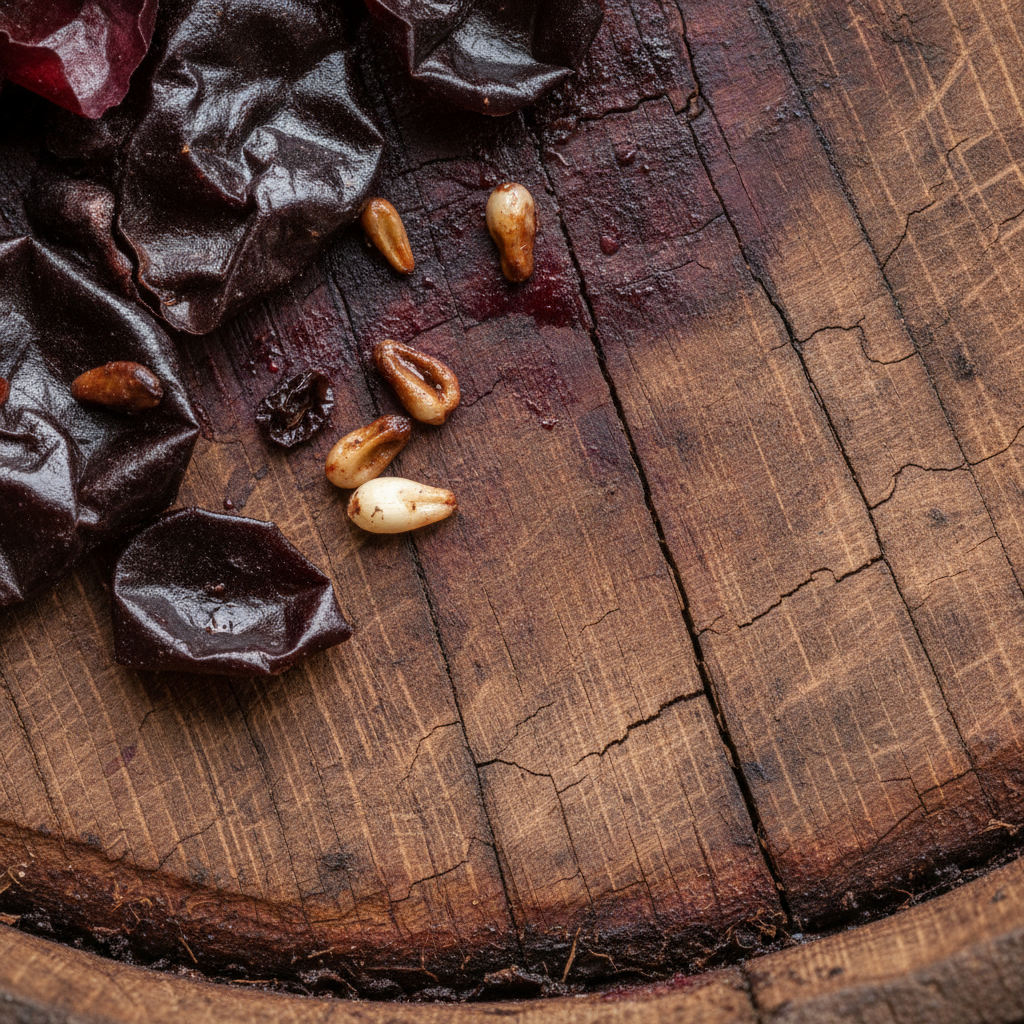
Tannins are natural polyphenolic compounds that primarily originate from two sources in wine: the solid parts of the grape and the wood used for aging.
Tannins extracted from grape skins, seeds, and stems are chiefly responsible for a wine's structure and astringency. Their extraction occurs during maceration and fermentation, and their quantity varies based on the grape varietal and winemaking techniques employed.
Tannins derived from wood aging, such as oak barrels, tend to be softer and contribute to the wine's aromatic complexity and longevity. The type of wood, its toast level, and the age of the barrel influence the final tannic profile.
How Do Tannins Influence Wine Structure and Aging?
Tannins play a fundamental role in defining a wine's body, structure, and aging potential.
They lend the wine a sensation of fullness and robustness on the palate, determining its "structure." Astringency, a feeling of dryness or "tightness" in the mouth, is a direct consequence of tannins interacting with saliva proteins.
Furthermore, tannins act as powerful natural antioxidants. This property slows down oxidative processes, protecting the wine and allowing it to evolve positively over time. During aging, tannins polymerize, becoming softer and contributing to the complexity of the bouquet and taste.
How to Present Tannins to International Buyers?
Effectively communicating a wine's tannic characteristics to international buyers requires a strategic approach tailored to the target market.
It is essential to use clear and understandable language, avoiding excessive technical jargon, especially in emerging markets. Terms like "tannic structure," "ripe tannins," "silky tannins," or "velvety tannins" can be useful for describing the mouthfeel.
Technical data sheets should include qualitative descriptions of the tannic structure, using adjectives such as "elegant," "robust," or "persistent." Linking tannic presence to aging potential or food pairing recommendations can strengthen the value proposition.
What Are the Sources of Tannins in Wine?
The tannins present in wine primarily come from two natural sources: the solid parts of the grape and the wood used for aging.
Grape tannins are found in the skins, seeds, and stems. During winemaking, these are extracted into the must and wine through processes like maceration.
Wood tannins are extracted when wine ages in barrels, particularly oak barrels. These tannins contribute to the wine's complexity and smoothness.
How Do Tannins Influence Mouthfeel?
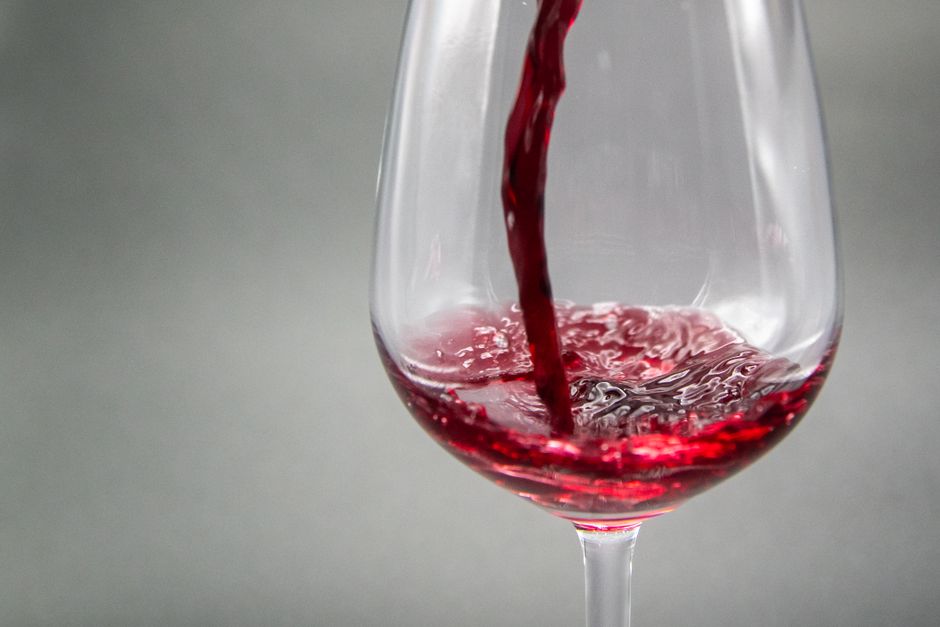
Tannins influence mouthfeel by giving the wine greater structure and noticeable astringency.
They interact with proteins in saliva, causing a sensation of dryness or "tightening" of the mucous membranes. This characteristic contributes to the wine's "body" and "fullness."
The maturity and type of tannins determine whether this sensation will be perceived as rough and astringent or soft and silky.
How Do Tannins Contribute to Wine Longevity?
Tannins are essential for a wine's longevity due to their antioxidant properties.
Acting as a protective shield against oxidation, tannins slow down the wine's deterioration, allowing it to age harmoniously over long periods.
During aging, tannins undergo chemical transformations that soften their perception, improving the wine's texture and complexity.
Frequently Asked Questions
What are the main sources of tannins in wine?
Tannins primarily come from grape skins, seeds, and stems, as well as from the wood used for aging, such as oak barrels.
How do tannins influence the perception of wine in the mouth?
Tannins provide structure and body to the wine, and can cause a sensation of astringency or dryness by interacting with saliva proteins.
Why are tannins important for a wine's aging potential?
Tannins are powerful natural antioxidants that protect the wine from oxidation, allowing it to evolve positively over time and age for many years.
Tannins are a distinctive element of Italian wine, capable of imparting structure, longevity, and complexity. For wineries exporting their products, understanding and effectively communicating the role of tannins is crucial for enhancing their value in international markets. Knowing how to describe their origin, sensory impact, and contribution to aging allows for the construction of a compelling narrative that meets the expectations of foreign buyers.