How to Sell Italian Semi-Sweet Wines in the United States: A Path for Businesses
Wines Export Editorial · Last updated:
The U.S. market offers significant opportunities for Italian wineries, especially for semi-sweet wines. To successfully navigate this complex landscape, meticulous preparation is essential, including understanding regulations, proper documentation, and adopting targeted market strategies. This article provides a practical guide for Italian exporters, focusing on the critical aspects of introducing their semi-sweet wines into the dynamic American market, ensuring compliance and effective positioning. Further insight: OIV — International Organization of Vine and Wine.
Why is the U.S. Market Important for Italian Wines?
The U.S. market represents one of the largest and most receptive to Italian wines globally. Its complexity, due to geographical and consumer diversity, requires a segmented approach. For semi-sweet wines, understanding local preferences and how these products fit into the existing enological landscape is crucial to fully leverage this potential.
What are the TTB Requirements for Semi-Sweet Wine Labeling?
Before commencing any commercial operation, it is imperative to ensure wines comply with U.S. regulations. The Alcohol and Tobacco Tax and Trade Bureau (TTB) is the federal agency responsible. Labeling is one of the most critical preliminary checks: it must be compatible with TTB requirements before promising market availability.
This includes the correct indication of alcohol content, origin, and compliance with any specific restrictions for terms used, such as "semi-sweet," which must be supported by a specific sugar level. Non-compliance can cause significant delays or product rejection.
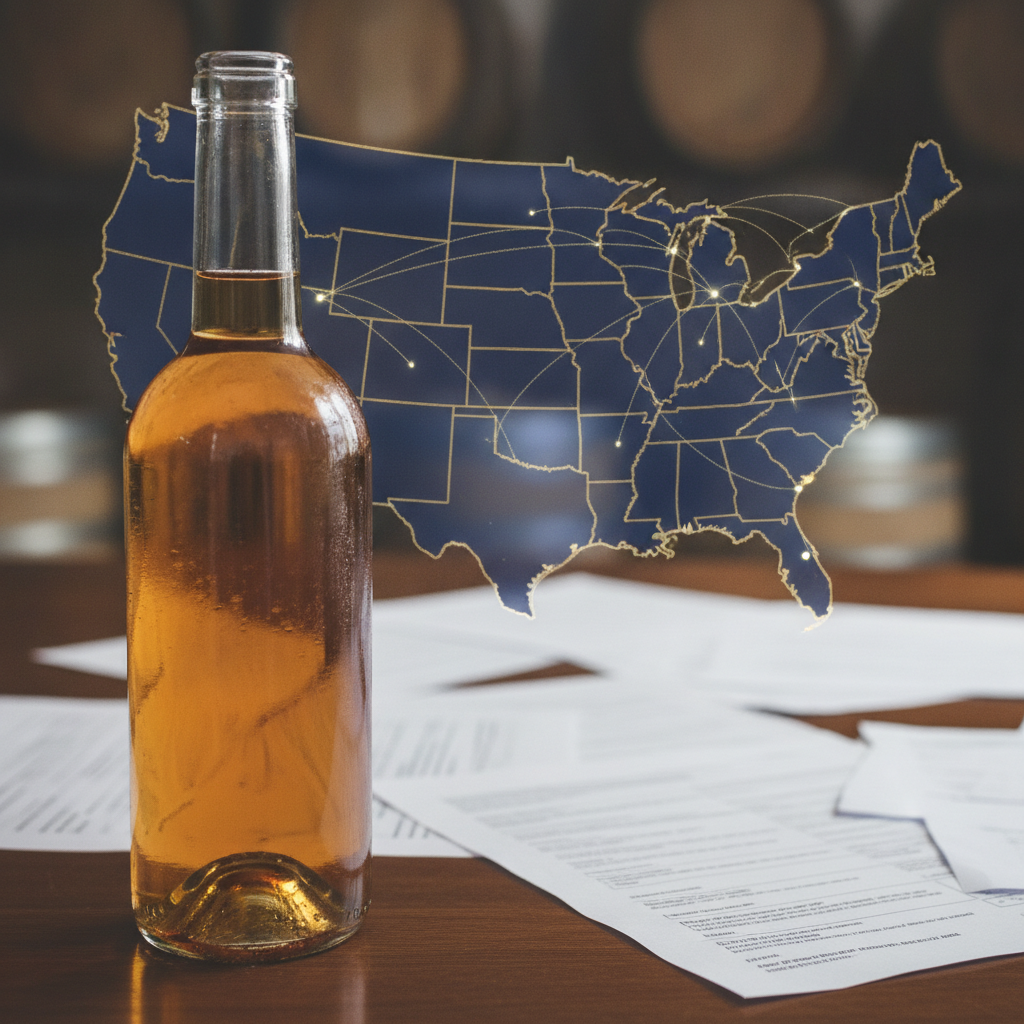
What is the Essential Documentation for Exporting Wine to the USA?
Exporting wine to the United States requires accurate and complete documentation for transport, customs clearance, and proof of regulatory compliance.
-
Commercial Invoice: A mandatory document issued by the exporter, it details the product, quantity, value, Incoterm, and HS code (chapter 2204 for wine). Customs authorities use it to calculate duties and taxes. Errors can cause delays or disputes.
-
Proforma Invoice: While it has no fiscal value, it anticipates order terms and is useful for buyers for import licenses or credit lines before shipment.
-
Packing List: Describes the physical contents of each package, including the number, type, weight, and volume. It must precisely match the commercial invoice.
-
EORI Registration: For EU exporters, an EORI (Economic Operators Registration and Identification) number is mandatory for any customs transaction, uniquely identifying the economic operator. The application is free through the Italian Customs Agency.
Which Distribution Channels are Effective in the USA for Italian Wines?
Identifying the right distribution channels is crucial for success. In the United States, the main options include licensed wholesale importers and logistics-commercial platforms.
-
Wholesale Licensed Importers: The most common route is to collaborate with importers who hold active licenses and a proven presence in the Horeca (Hotel, Restaurant, Catering) or retail sector. These partners are fundamental for navigating the complex state and federal distribution system.
-
Logistics-Commercial Platforms and Hubs: Recently, platforms dedicated to Italian wine in the USA have emerged, acting as aggregators and simplifying market access, especially for smaller wineries seeking their first importer.
How to Position Semi-Sweet Wines in the USA Market?
For semi-sweet wines, a mid-to-high-end positioning can be strategic, given the structurally growing demand in this segment. Italian wine already enjoys a strong reputation, and semi-sweet wines can capitalize on this by offering an interesting alternative for consumers seeking less dry but always elegant flavors.

What Operational Steps are Fundamental for Exporting Semi-Sweet Wines?
Before initiating the export process, it is advisable to follow an operational checklist to ensure all fundamental aspects have been covered.
- Materials in English: Prepare a detailed technical data sheet, a winery presentation, a price list in FCA (Free Carrier) or FOB (Free On Board) terms, and high-resolution images of the labels.
- TTB Label Compliance Verification: Ensure the label meets TTB requirements before any commercial commitment.
- Define MOQ and Production Times: Clarify Minimum Order Quantities (MOQ), available formats, and production and bottling times for recurring orders.
- References and Recognitions: If available, mention presence in other export markets or recognitions (guides, awards) that can strengthen the product's credibility in the U.S. market.
- Importer Selection: Identify an importer with an active wholesale license and a solid network in the Horeca or retail channel.
- Clear Contractual Terms: Define contractual aspects such as market coverage (Horeca vs. retail), online sales activities (if applicable and legally permitted), and payment terms.
Where to Find Further Resources for Wine Export to the USA?
To deepen your understanding of the American market and export procedures, we recommend consulting the following resources:
- ExportUSA — 2025 Guide for Exporting and Selling Wine in the American Market: Offers a comprehensive overview of regulations and strategies for accessing the U.S. market.
- Veronafiere — Vinitaly.USA 2026: Participation in industry events like Vinitaly.USA can be an excellent opportunity to meet potential business partners and buyers.
- TTB (Alcohol and Tobacco Tax and Trade Bureau): The official TTB website provides detailed information on labeling and registration requirements.
Exporting Italian semi-sweet wines to the United States requires a strategic approach and solid preparation. Understanding regulatory requirements, preparing correct documentation, and selecting the right partners are fundamental steps to ensure success. With the right planning, Italian wineries can fully leverage the potential of this important market.
Frequently Asked Questions About Exporting Semi-Sweet Wines to the USA
What are the main regulatory bodies for wine importation into the USA?
The primary federal agency responsible for regulating alcoholic products in the United States is the Alcohol and Tobacco Tax and Trade Bureau (TTB).
Is an EORI number required to export wine from Italy to the USA?
Yes, for EU-based exporters, an EORI (Economic Operators Registration and Identification) number is mandatory for any customs transaction, including extra-EU shipments.
What are the most common distribution channels for Italian wines in the USA?
The most common channels include collaboration with importers holding active wholesale licenses and a strong presence in the Horeca or retail sector, or the utilization of dedicated logistics-commercial platforms and hubs.
Ready to expand your winery into the U.S. market? Request a personalized demo