Wines of Veneto: Discover Appellations and Strategies for the International Market
The Veneto region, with its rich winemaking tradition, offers a vast array of globally appreciated wines. For wineries aiming to expand their international presence, understanding the specificities of appellations, the requirements of production regulations, and the expectations of foreign buyers is crucial. This article guides you through the key elements that make Veneto wines a product of excellence for export, focusing on authenticity, quality, and territorial narrative. Learn more: Federdoc — National Confederation of Italian Wine Protection Consortia.
What Defines a Wine Appellation of Origin?
An Appellation of Origin (DO) or Protected Geographical Indication (PGI) is a guarantee system that links a wine to its territory. According to European regulations, each protection request includes a technical file with the appellation's name, applicant details, and a detailed production regulation. This document specifies the appellation's name, a description of the wine (analytical and organoleptic), winemaking practices, the delimited geographical area, maximum yields per hectare, and ampelographic composition.
These elements define a wine's unique identity, protecting it from improper use and assuring consumers of its origin and quality.
What is the Role of the Production Regulation?
The production regulation is fundamental for protecting an appellation, ensuring that the wine retains the distinctive characteristics linked to its territory. For instance, for wines like "Soave," the regulation dictates how the appellation must be indicated on the label. It can also stipulate additional mentions, such as "Superiore" or "Riserva," which imply more stringent requirements. European legislation, such as Regulation (EU) No 1308/2013, establishes procedures for protecting appellations and guarantees against usurpation.
What Do Foreign Buyers Look for in Veneto Wines?
International buyers seek wines that offer authenticity, history, and a connection to the land. For Veneto wines, key factors include:
- Authenticity and Recognizability of the Appellation: Established appellations such as Prosecco, Amarone, Ripasso, Soave, and Valpolicella are highly sought after. Buyers want wines that embody the typical characteristics of these appellations.
- Consistent Quality and Reliability: A winery's ability to offer consistent quality is crucial. Production regulations provide a basis for this reliability, defining analytical and organoleptic requirements.
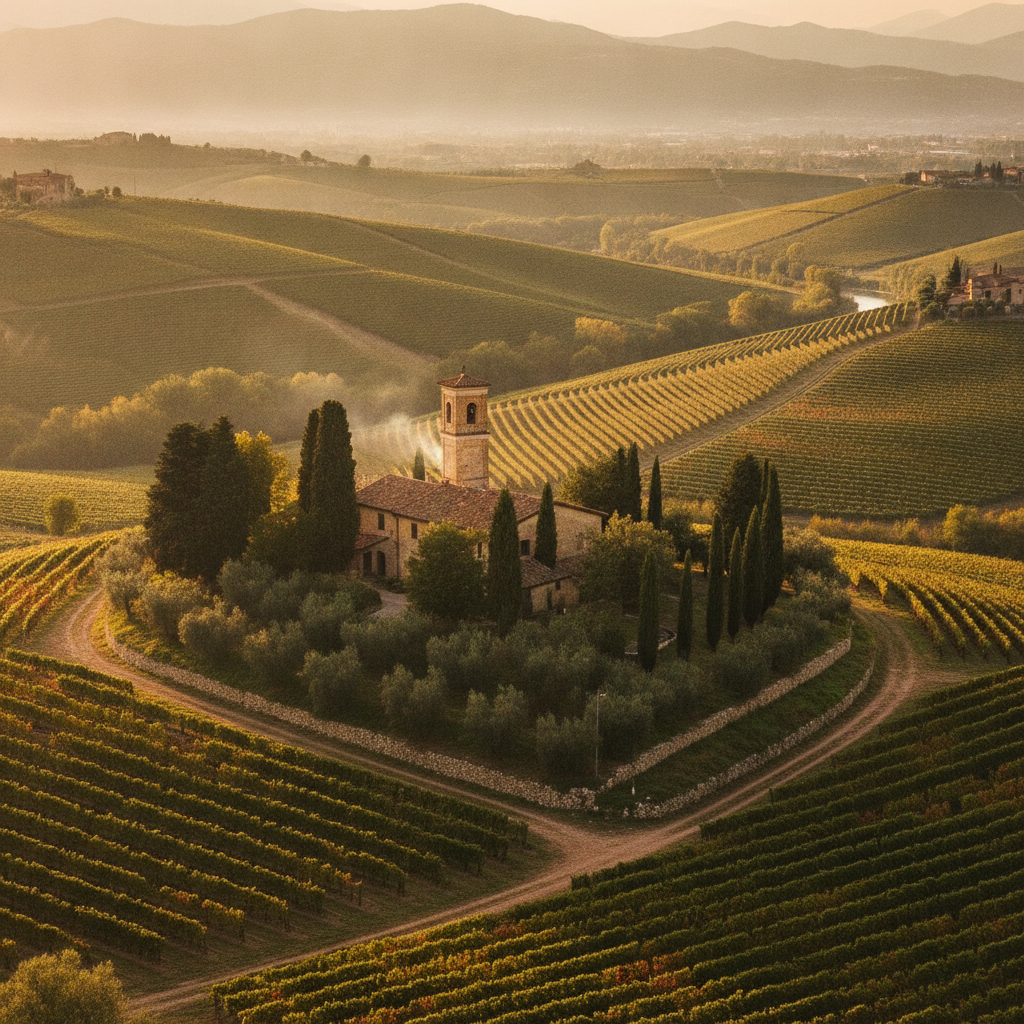
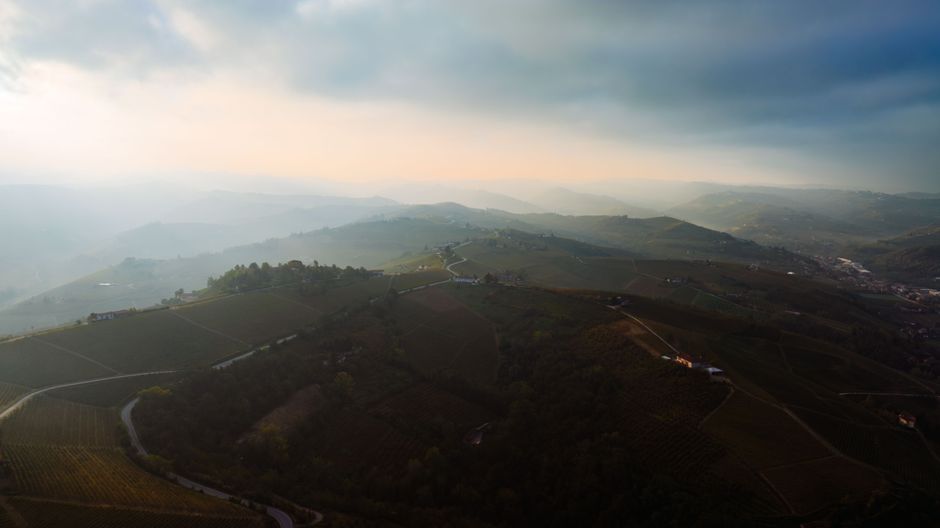
- Stories and Territory: The narrative of the Veneto territory, its unique geoclimatic peculiarities, and winemaking traditions add value. Appellations, with their delimited geographical areas, support these narratives.
- Aging Potential and "Riserva" Mention: Wines with aging potential or those eligible for mentions like "Riserva" are in demand for the high-end segment.
- Innovation within Tradition: Buyers appreciate wineries that innovate in winemaking practices or marketing, provided it is done in compliance with regulations.
- Sustainability and Viticultural Practices: Interest is growing in wines produced using sustainable, organic, or biodynamic practices.
How Wines Export Supports Veneto Wineries
Frequently Asked Questions
What are the most sought-after Veneto appellations by foreign buyers?
International buyers look for established and recognized appellations such as Prosecco, Amarone, Ripasso, Soave, and Valpolicella, as they embody the typical characteristics of the Veneto territory.
How does the production regulation ensure the quality and authenticity of Veneto wines for export?
The production regulation defines specific requirements for the wine, including winemaking practices, yields per hectare, and ampelographic composition, thereby ensuring consistent quality and territorial authenticity.
Besides quality and origin, what else do foreign buyers seek in Veneto wines?
Foreign buyers also value the narrative of the Veneto territory, its geoclimatic peculiarities, and winemaking traditions, as well as wines with aging potential, "Riserva" mentions, and sustainable viticultural practices.