DOCG, DOC, IGT and wine without designation: the Italian wine pyramid for importers
Wines Export Editorial · Last updated:
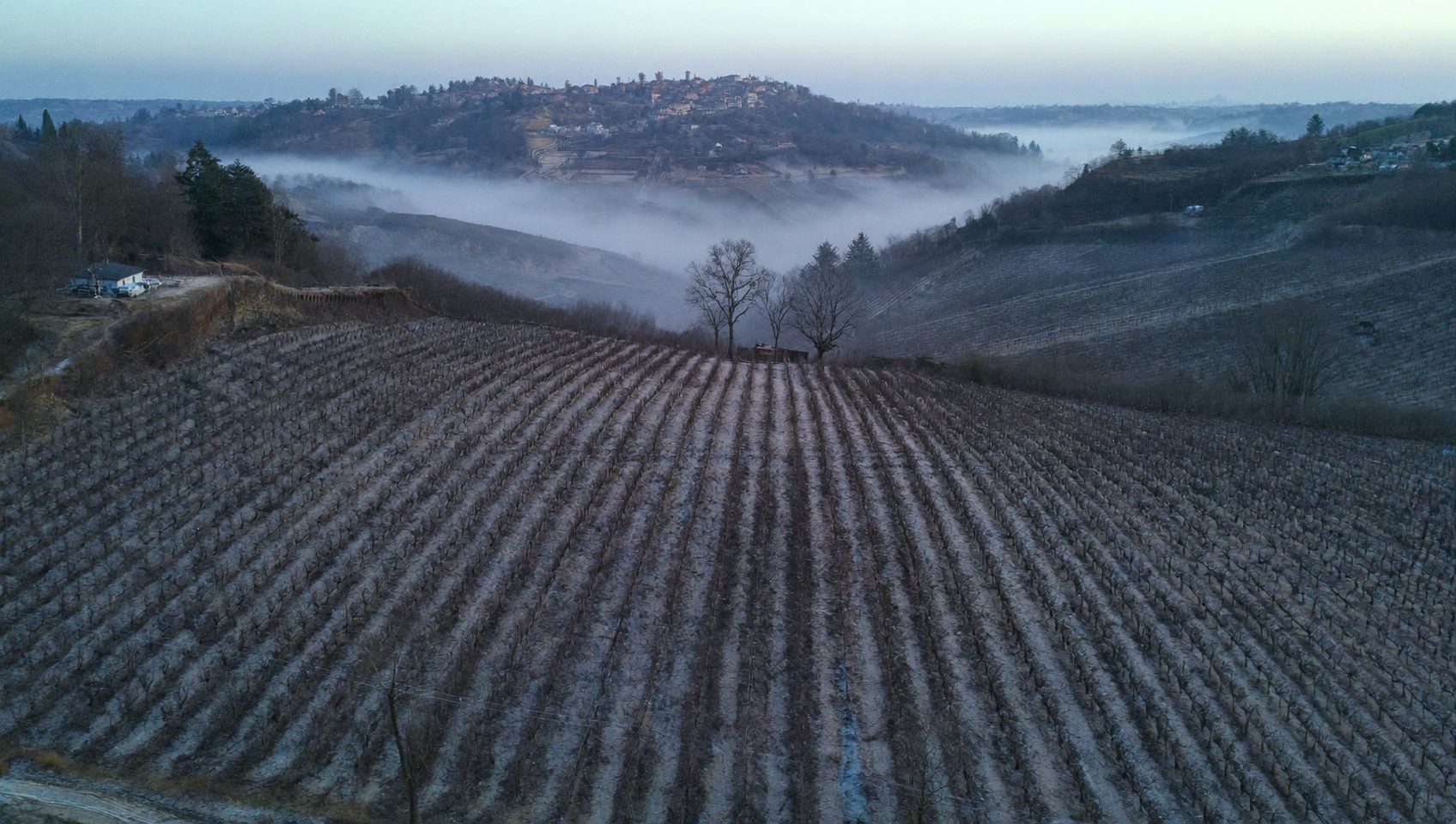
The Italian wine pyramid has four levels: at the base, wine without a geographical indication; then IGT, DOC and, at the top, DOCG. Moving up, the production specification (disciplinare) narrows the area, grape varieties, yields and controls. For importers, the level declared on the label is the first piece of information the buyer checks. Italian designations are linked to European ones: DOC corresponds to DOP and IGT to IGP, while DOCG is an Italian category that sits within DOP. To understand the rules of each designation, start with the DOC profile for the B2B market and the DOCG profile for the B2B market.
The four levels, from wine without designation to DOCG
Wine without a geographical indication is the widest and least constrained step: no official area appears on the label, and the rules mainly concern safety and the accuracy of the declaration. The next step is IGT, the Italian abbreviation for indicazione geografica tipica, which corresponds to the European IGP. The area is defined, but the specification allows more freedom on grape varieties and methods than a DOC does. DOC is denominazione di origine controllata, with area, grape varieties, yields and analyses fixed by the specification. DOCG is denominazione di origine controllata e garantita: it has stricter rules than DOC, tighter controls and a mandatory State strip (fascetta di Stato) on the bottle.
To compare the levels, you can use the table below, which summarises the logic of each step without going into the individual specifications, which vary from one designation to another.
| Level | Italian term | EU term | What the specification requires |
|---|---|---|---|
| Wine without designation | Vino | Vino | No official area on the label, general production rules |
| Geographical indication | IGT | IGP | Defined area, lighter constraints on grape varieties and methods |
| Designation of origin | DOC | DOP | Area, grape varieties, yields and analyses fixed by the specification |
| Guaranteed designation of origin | DOCG | DOP | As for DOC, with additional controls and a State strip |
For importers, the key point is that DOCG is not a separate level within the European system: in the EU register it is a DOP. The difference lies in the national rules that make it recognisable on the Italian shelf and in the practices of the control bodies.
How many designations Italy has and where to find them
The Masaf page that collects the lists and specifications for DOP and IGP wines reports 411 production specifications for DOP wines and 111 for IGP wines. The specifications for IGP wines are gathered in the file "Disciplinari IGT", because IGT is the Italian term for IGP. The number is not fixed: ordinary amendments to specifications and new recognitions change the list over time, so before each export profile, check the current version of the designation.
| Category | Number of specifications | Where to find them |
|---|---|---|
| DOP wines | 411 | Masaf, section Disciplinari di produzione vini DOP |
| IGP wines | 111 | Masaf, section Disciplinari di produzione vini IGP |
| IGT wines (Italian term for IGP) | the same 111 | Masaf, file "Disciplinari IGT" in the IGP section |
Each DOP and IGP has a Single Document in the technical file of the European Commission's e-Ambrosia register. For recent recognitions or amendments, the e-Ambrosia file refers to the Official Journal of the European Union instead of the Single Document, so the reference document may be found in two different places.
On the weight of these designations in exports, the ISTAT pages cited below give foreign trade in aggregate form, with no line dedicated to wine. If you need the share of DOP and IGP wine in total exports, go to the product-level series rather than the general summaries.
Who controls: bodies, markings and Consortia
Control of a designation is entrusted to an authorised body, which verifies the grapes, winemaking, analyses and bottling. Valoritalia is one of these bodies: under ministerial decree no. 9046367 of 7 August 2020, it extended DOP, IGP and STG certification to the entire agri-food sector, and it states that it follows every stage of production, from vineyard to bottle, with a traceability system that makes it possible to trace the status of each wine. Your specification indicates which body is responsible for your designation, and that name should be included in the documentation you send to the importer.
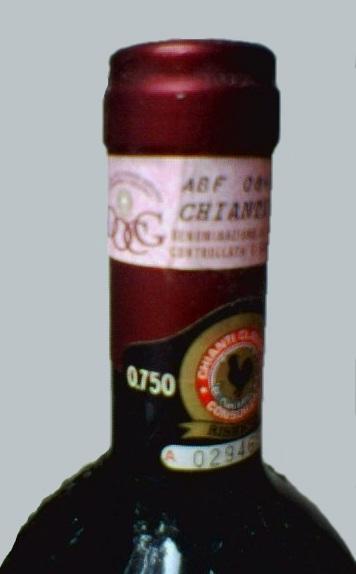
The second level of control is visible on the bottle. For DOCG, the State strip shows that the wine has passed the checks required for that level, and for the importer it is an immediate point of reference. For DOC, the State marking is mandatory only if the specific designation provides for it; when it is absent, the importer asks for the body's certification and the batch analysis.
Alongside the control bodies are the Consortia (Consorzi di tutela), which manage promotion of the designation and often assist wineries with specification-related procedures. They are not a substitute for control, but they can tell you which version of the specification is in force and which documents distributors in your export market require.
What the label says and how it is read abroad
On the Italian label, the designation must appear next to the name of the designation, either in full or as an abbreviation: "Denominazione di origine controllata" for DOC, "Denominazione di origine controllata e garantita" for DOCG, "Indicazione geografica tipica" for IGT. The DOP symbol or the European wording may appear alongside the Italian term, but the permitted form depends on the specification and the label version, so it is advisable to verify it before printing.
Outside Italy, the buyer reads two vocabularies. The first is the European one, where DOP and IGP are the common categories found in the EU register. The second is that of the local market, where many importers look for the Italian term, DOC or DOCG, because that is what consumers recognise. For this reason, your export sheet should show both, with the exact designation and area, not only the word "DOP".
A frequent mistake is writing in a technical sheet a designation different from the one on the label, or using the DOCG term for a wine that is a DOC. Any discrepancy leads the importer to request a check and can hold up customs clearance. The practical rule is simple: the designation on the label, in the sheet and in the documents must be identical.
Price and shelf: when an IGT is worth more than a DOC
The level in the pyramid does not by itself set the price. An IGT from a well-known winery can sit on a higher shelf than a DOC from a little-known area, because the buyer also weighs the brand, the grape variety, the winery's history and the vintage. There is no fixed rule for all markets: it depends on how well local consumers know the Italian term and how the distributor organises the category.
For the foreign shelf, the level mainly serves to place the wine in the right section. Many importers organise their catalogue by area and by type, and a DOC or DOCG often falls into an "Italy designations" section, while an IGT may end up among regional wines or branded wines. Your wine should reach the buyer with its declared level and the commercial reasoning behind its placement, because the distributor must be able to explain it to the point of sale.
The consumer price then depends on the chain: excise duties, transport, importer and distributor margins, and any country duties. The designation level enters this calculation only as a positioning element. For landed-cost calculations, you need data for the specific market, which should be sourced from the country's own sources, not from this page.
What importers ask for regarding specifications and certificates
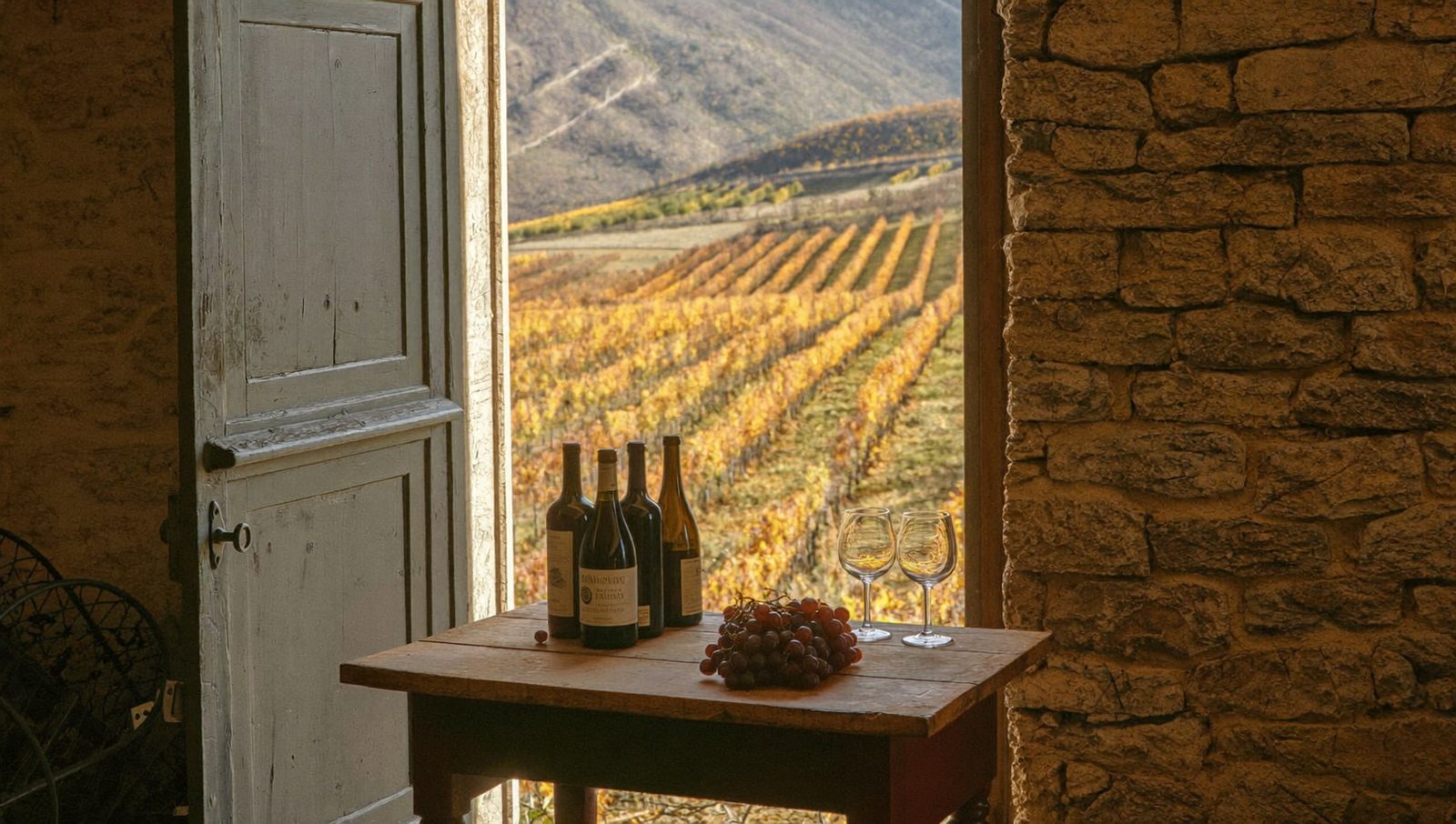
When an importer evaluates a designation, the first thing they ask for is the specification in force, with the version and the publication date. They then ask for the control body's certification for the batch or vintage, and the analysis confirming conformity. In many cases they also request the wine's technical sheet, which lists grape varieties, alcohol content, acidity and declared treatments.
The specification should be sent together with the sheet, not merely cited. The technical sheet for importers must show the designation using the same wording as the label and the specification, and must indicate the version of the document you used. For the full contents of the sheet, see the guide to the technical sheet for importers.
The same requests apply to an IGP or IGT. A concrete example is the case of Sicilian geographical indications: the importer wants to know what the area includes and why the designation is requested, and the answer is in the specification, not in the list of wines. We explain this on the page about what the IGP Terre Siciliane includes and why importers ask for it. For the wording to put on the label, the reference guide is the one on wine labelling rules for export.
Frequently asked questions
What is the difference between DOC and DOCG?
DOCG is a level above DOC, with stricter rules, tighter controls and a mandatory State strip on the bottle. Both have a specification that fixes area, grape varieties and yields. For the importer, the difference is verified through the specification and the marking, not through the name.
Is IGT a lower-level DOC?
IGT is a different level, not simply a lower one: the area is defined, but the specification is freer on grape varieties and methods. An IGT can be highly regarded in the market, and the choice between IGT and DOC depends on the winery's strategy and the target market.
Are DOP and DOC the same thing?
They are two names for the same category, seen from two sides. DOP is the European Union term, and DOC is the Italian term that falls within DOP. In export sheets it is advisable to show both, together with the exact designation.
Do you need a certificate to export a DOC wine?
To sell a DOC wine abroad, the importer usually asks for certification from the control body for the batch, together with the specification and the technical sheet. The exact requirement depends on the destination country, so check the market's document list before shipping.
Sources
- Franciacorta export: ex-cellar bands and importer margins
- Dealcoholized wine export price: duties and buyers
- Is Exporting Wine Worth It? When a Winery Is Ready
- Collio Wineries in Cormons and San Floriano: Export
- Italian native red grapes for export: twelve varieties
- Chianti Classico Export Price: Ex-Cellar and Shelf Bands