Italian native red grapes for export: twelve varieties and their guide appellations
Wines Export Editorial · Last updated:
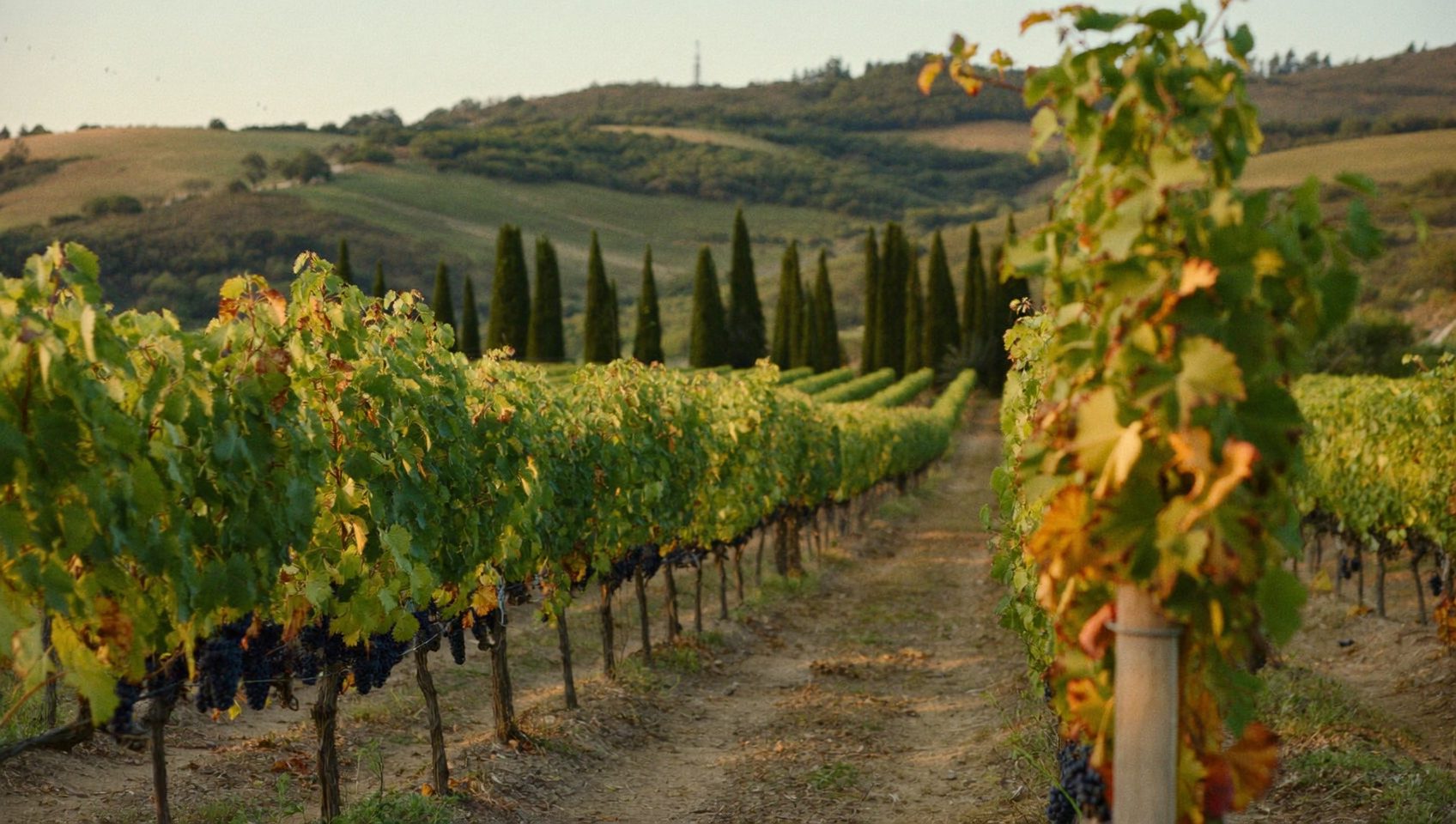
A native red grape is a variety tied to a specific area of Italy, and for the foreign importer the name that appears on the label and in the production rules matters most. This guide presents twelve red varieties that an importer may want to know, grouped by area, with the guide appellation of each. The official sources listed at the end do not report export volumes by individual variety, so this article does not rank the grapes numerically. It indicates where to find the data and which datasheets to consult in depth. For the basics on the grape variety, see the Sangiovese export datasheet and the Nebbiolo export guide.
What native means and why the foreign buyer asks for it
Native means originating from the territory where the variety has been cultivated for a long time. An importer building a catalogue looks for a wine that sets it apart from suppliers already present, and the grape name is the first filter used to do so. The National Register of Grapevine Varieties, published by the Ministry of Agriculture, lists the varieties and allows the selection of wine varieties alone, separate from table grapes and rootstocks.
The register, however, serves to document, and the page itself states this: the catalogue is a documentation tool and official acts are authoritative. For the buyer, this means the grape name must be checked against the actual appellation on the bottle, not only against the list of varieties. A native red may be offered as a wine with a denomination, as a geographical indication or as a varietal wine, and the choice depends on the production rules and the target market.
Northern reds: Nebbiolo, Barbera, Dolcetto, Corvina, Lagrein
Nebbiolo is the grape from which Barolo and Barbaresco are produced in Piedmont. It is a structured red with a history that is easy to tell the buyer, and importers' questions concern ageing and area more often than price. Before presenting it as Barolo or Barbaresco, check the appellation and its technical sheet, which varies from one area to another.
Barbera is widespread in Piedmont under appellations such as Barbera d'Asti and Barbera d'Alba. It is a red with a more immediate drinkability than Nebbiolo, and for this reason it can enter the lists of foreign restaurants and wine shops. Dolcetto has its guide appellation in Dolcetto d'Alba, and it is a Piedmontese variety that importers perceive as an everyday red.
Corvina is the main grape of Valpolicella, where it enters the Valpolicella appellation and Amarone della Valpolicella. Abroad, the name Amarone attracts the buyer, but Corvina alone is not enough to describe the wine: the correct reference is always the appellation. Lagrein is a grape of Alto Adige, with the appellation Alto Adige Lagrein. For the foreign market it requires explaining the mountain territory and the bilingual nature of the appellation, which in Alto Adige appears in Italian and in German.
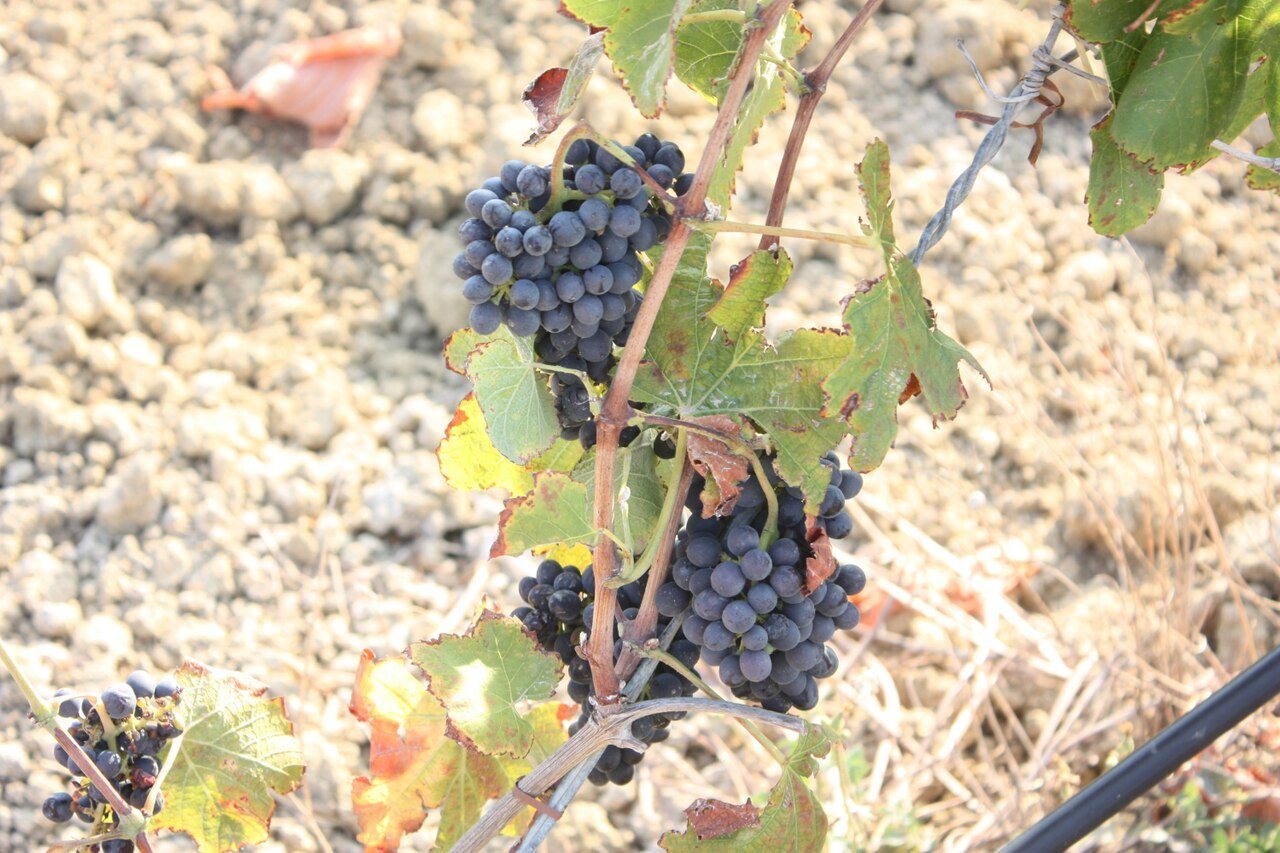
Central reds: Sangiovese and Montepulciano
Sangiovese is the red most closely tied to Tuscany and Romagna, and the most recognisable appellation abroad is Chianti Classico. Brunello di Montalcino comes from the same grape under its own rules, which are stricter on the type of wine and on ageing. The buyer who knows Sangiovese immediately asks for the area, so the area datasheet should come before the grape datasheet. For details on how to present it abroad, read the Sangiovese export guide.
Montepulciano is an Abruzzese grape and must be kept distinct from the Tuscan town of Montepulciano, where Vino Nobile based on Sangiovese is produced. The name is the buyer's first trap: the guide appellation of the grape is Montepulciano d'Abruzzo, and anyone reading a Tuscan label expects a different wine. Explaining the difference in two lines in the technical datasheet avoids the clarification requests that slow down negotiations.
Southern and island reds: Primitivo, Negroamaro, Aglianico, Nero d'Avola and Cannonau
Primitivo is grown mainly in Puglia, with the appellation Primitivo di Manduria. It is a red with a warm and easily recognisable profile, which many importers already know by name. Negroamaro is the red of the Salento, and the Salice Salentino appellation includes it among its main grapes. For the buyer seeking an Apulian red different from Primitivo, Negroamaro is the most sensible choice. Details are in the Negroamaro export datasheet.
Aglianico is grown in Campania and Basilicata, with the Taurasi appellation. It is known for marked tannins and a profile that requires time in bottle, and the importer seeking structure finds it here. Again, the appellation must be written in full, because the grape alone does not identify the area. For details on how to offer it abroad, consult the Aglianico export datasheet.
Nero d'Avola is the Sicilian red most widely planted, and the appellations to verify are Sicilia DOC and Noto DOC. Cannonau is the Sardinian name for Grenache, and the reference appellation is Cannonau di Sardegna. For both, the buyer often asks whether the wine is varietal or a blend, and the answer must be taken from the production rules and the datasheet of the individual wine.
Export data by variety: what the official sources say
ISTAT publishes foreign trade with monthly releases: the ISTAT page reports those on extra-EU exports and imports, and the 2026 Yearbook on international business activities of enterprises. These releases do not break down figures by grape variety, so data for native reds must be sought in the ISTAT product statistics database, country by country.
The OIV, the International Organisation of Vine and Wine, collects data on world wine production, consumption and trade. Among its thematic publications is a 2023 study on the evolution of wine production and consumption by colour, useful for placing red wine in the general picture. The 2017 study on the distribution of grape varieties worldwide helps establish how widespread a variety is, not how much of it is exported.
For this reason we do not indicate a first place among the twelve varieties. Any ranking by volume should be built on ISTAT series by product and by destination country, and only after reading the methodological note of each series.
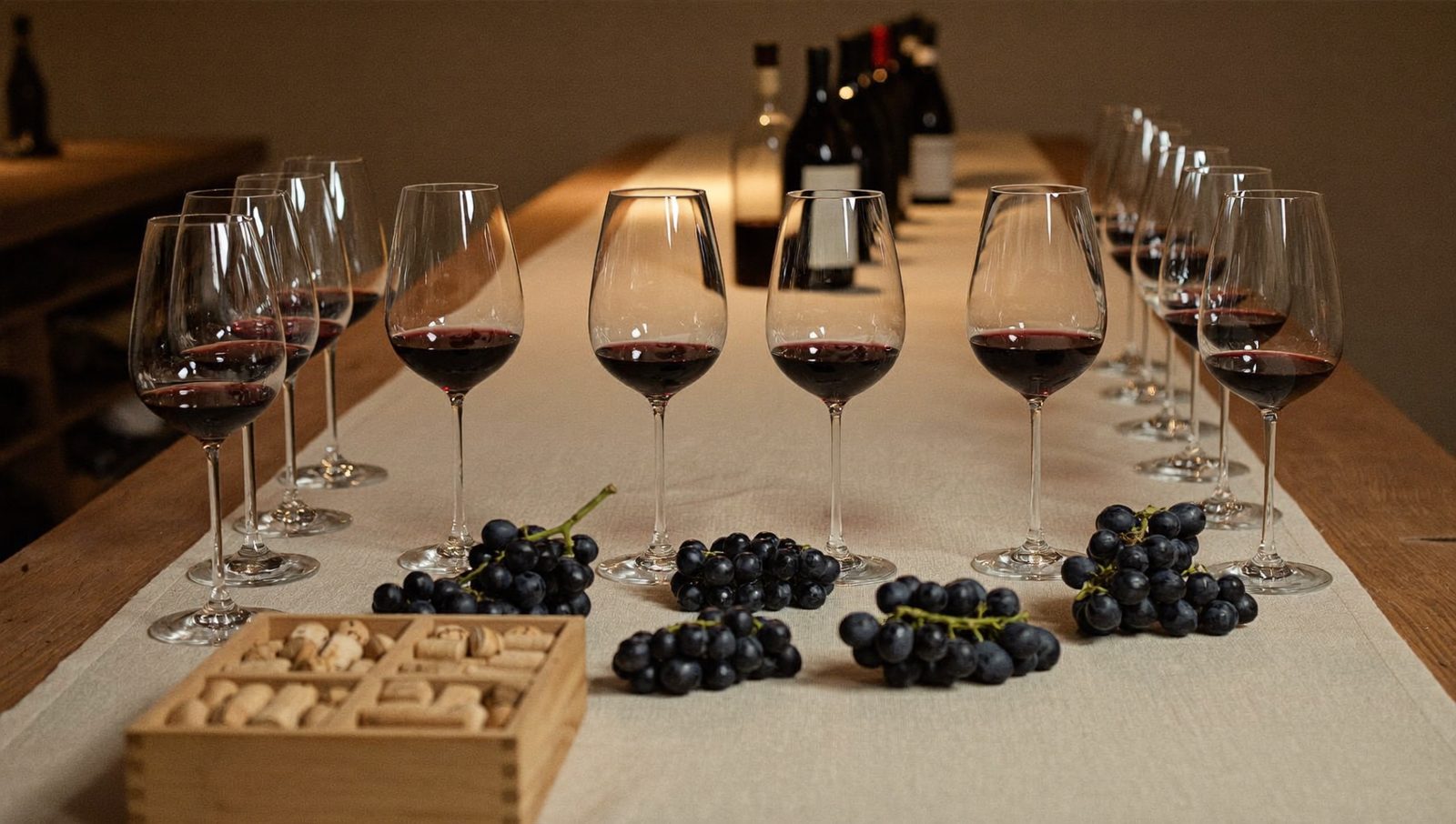
For each variety: guide appellation and note for the importer
The table summarises the guide appellation of each red and the point the buyer most often asks to clarify. Appellations should be checked against the updated production rules before every presentation.
| Variety | Main area | Guide appellation | Note for the importer |
|---|---|---|---|
| Nebbiolo | Piedmont | Barolo, Barbaresco | Area and ageing before price |
| Barbera | Piedmont | Barbera d'Asti, Barbera d'Alba | More immediate drinkability, to be distinguished by area |
| Dolcetto | Piedmont | Dolcetto d'Alba | Everyday red, with an explanation of the name |
| Corvina | Veneto | Valpolicella, Amarone della Valpolicella | The name Amarone does not replace the appellation |
| Lagrein | Alto Adige | Alto Adige Lagrein | Bilingual label and mountain territory |
| Sangiovese | Tuscany, Romagna | Chianti Classico, Brunello di Montalcino | Always clarify the area |
| Montepulciano | Abruzzo | Montepulciano d'Abruzzo | Distinguish from the Tuscan town |
| Primitivo | Puglia | Primitivo di Manduria | Warm and easily recognisable profile |
| Negroamaro | Puglia (Salento) | Salice Salentino | Apulian alternative to Primitivo |
| Aglianico | Campania, Basilicata | Taurasi | Marked tannins, appellation written in full |
| Nero d'Avola | Sicily | Sicilia DOC, Noto DOC | Varietal or blend to be verified |
| Cannonau | Sardinia | Cannonau di Sardegna | Sardinian name for Grenache |
The market where each variety sells well is not indicated here, because the official sources do not report it. For each red in the table, verification must be made against statistics by destination country before setting a commercial target.
How to build a list of native reds for an importer
A list that an importer can evaluate quickly has one reference red, two or three supporting reds and no overlap of area. If the winery produces Nebbiolo and Barbera in Piedmont, the second red should not be another Piedmontese wine in the same price band, but a wine from a different area that completes the offer. Each red should be presented with its full appellation, the area, the bottle type and the technical datasheet.
The buyer compares the list with those of other suppliers, so the winery must provide the information needed for the decision: appellation, vintage, grapes, alcohol content and accompanying documents. To understand how an importer works and what it asks before opening a negotiation, see the index of importers by country.
Frequently asked questions
Which Italian native red is the most exported?
The official sources listed at the end do not report export volumes by individual variety, so we do not indicate a first place. The data must be sought in ISTAT statistics by product and destination country. Comparison between varieties must be made on the same series, with the same methodological note.
Does the grape variety register say which wines can be sold abroad?
No. The national register documents grapevine varieties and distinguishes wine varieties from other categories. The appellation that may appear on the label is governed by the production rules of the area, and for this reason it must be checked against the updated text.
Can an importer ask for a red without an appellation?
Yes, the buyer may ask for a varietal wine or a wine from an area without an appellation. The choice depends on the production rules, the target market and the distribution channel. It is advisable to clarify this before sending the technical datasheet, so that the label does not fail to match the request.
Sources
- Italian White Grape Varieties: Key Types, DOCs and Markets
- Is Exporting Wine Worth It? When a Winery Is Ready
- Lambrusco Export Price: Ex-Cellar Tiers by Market
- Franciacorta export: ex-cellar bands and importer margins
- Exporting Natural Wines and Cured Meats: A Winery Guide
- Italian wine DOC, DOCG and IGT: the designation pyramid