Franciacorta export price: ex-cellar bands and importer margins
Wines Export Editorial · Last updated:
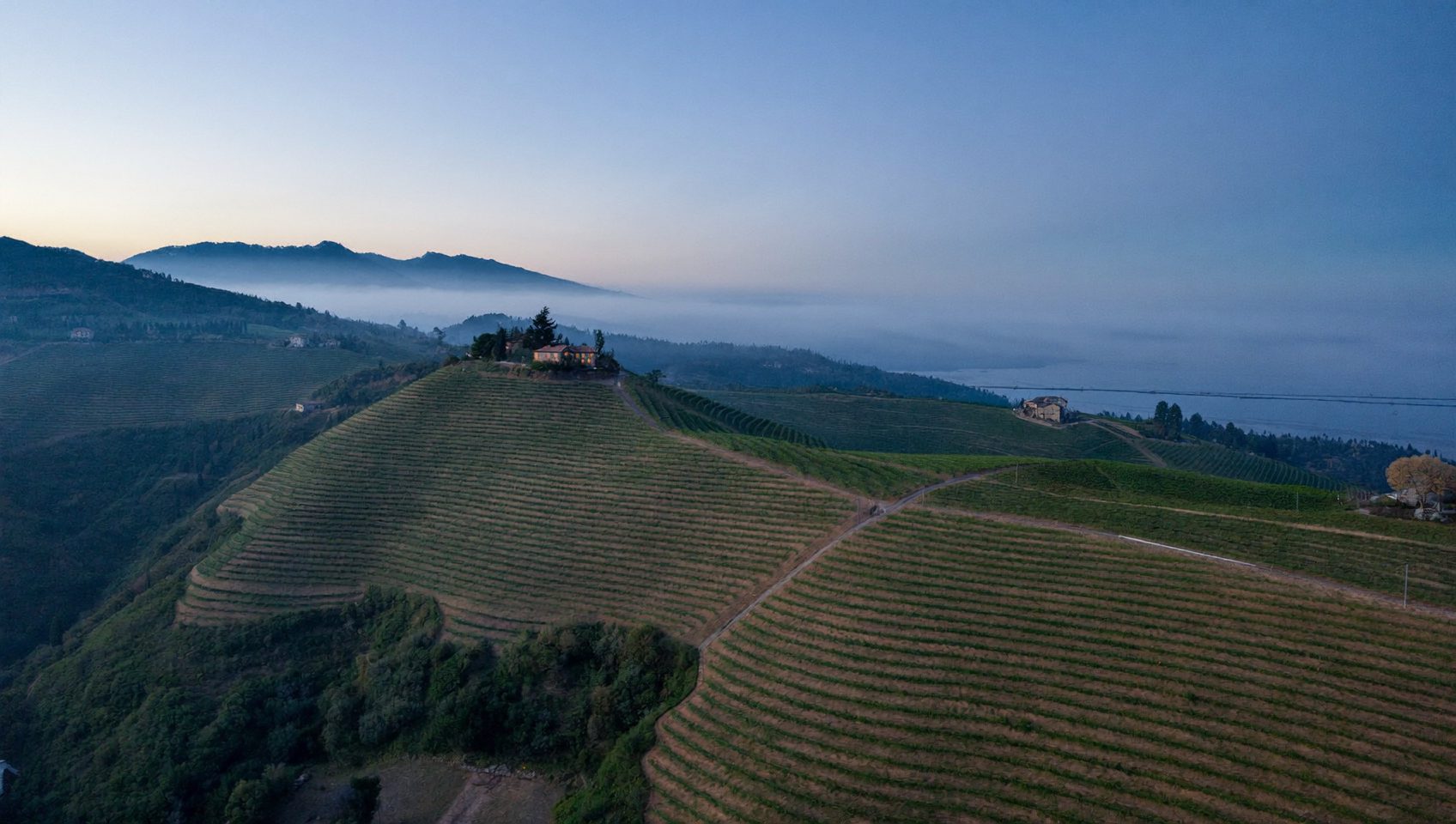
The export price of Franciacorta starts from the ex-cellar price, meaning the value of the bottle when it leaves your winery, before transport, customs, the destination country's taxes and the margins of the distribution chain. The Consorzio Franciacorta, Trentodoc and Alta Langa DOCG pages do not publish price bands, so there is no reference figure in euros: the bands are built from your own cost and from the positioning of each style. Here you will find the method for Brut, Satèn, Rosé, Millesimato and Riserva, the comparison with Champagne and Cava on foreign shelves, and the margin an importer asks on a slow-moving product. For the appellation overview, see what a foreign buyer should know about Franciacorta.
How much Italian classic method goes abroad, and why so little
The sources listed at the end contain no data on exported volumes of Italian classic method wine, and this gap is itself a piece of information: a buyer of Italian wine finds no reference price list for mountain or hill sparkling wines. Trentodoc describes itself as the first Italian classic method wine to obtain the Denominazione di Origine Controllata, and its institute ties the appellation to a territory that runs from alpine vineyards to the gentler slopes. The Consorzio Franciacorta reports a Doxa survey with 94% awareness, a figure that says a lot about recognition in Italy but nothing about the price a foreign buyer accepts.
The reason classic method exports little is often price: a bottle that costs more than a Prosecco requires an importer willing to hold it in stock for longer. For international trade volumes, a reference is the OIV database, which publishes data on production and trade in the sector and a thematic study on the global sparkling wine market. To see where classic method sits relative to Prosecco, see also sparkling wine importers abroad, Prosecco and classic method.
Franciacorta, Trentodoc, Alta Langa: how to read the band by style
The three appellations share the same basic method, bottle fermentation, but not the same positioning. Trento DOC, sold under the collective brand Trentodoc, requires by law at least 15 months on the lees, 24 to state a vintage and 36 for a Riserva, and the time spent on lees is the first cost item that weighs (Trento DOC guide). Alta Langa DOCG presents itself as high-altitude sparkling wine from Piedmont, with a distinct territory and vintage.
| Cost item | Where it weighs most | How to read it on the price list |
|---|---|---|
| Time on lees | Riserva and Millesimato | More months in bottle, more capital tied up in the cellar |
| Base grapes | Rosé with a share of red grapes | Separate processing and different yields |
| Tirage and pressure | Satèn and Brut | Satèn has lower pressure and a softer profile |
| Aged stock | Riserva | Wine unsold for years, to be covered in the price |
Brut is the reference style: it is the one that appears first on shelves and the one the buyer compares with other sparkling wines. Satèn requires specific processing, with lower bottle pressure, and asks the price list for a difference the consumer must perceive on the palate. Rosé costs more to produce because its colour comes from red grapes and their handling. Millesimato declares the vintage on the label: it carries a wine that is more expensive to immobilise and a price the importer must justify with a vintage story. Riserva is the product with the hardest margin to explain, because the time spent in the cellar is paid for before the wine is sold.
For each style, it is worth writing three numbers in your spreadsheet: full production cost, the ex-cellar price you want to achieve, and the minimum ex-cellar price below which you do not sell. The first comes from your accounts, the other two from your strategy. The bands are not set by the consortium, and no appellation page publishes them.
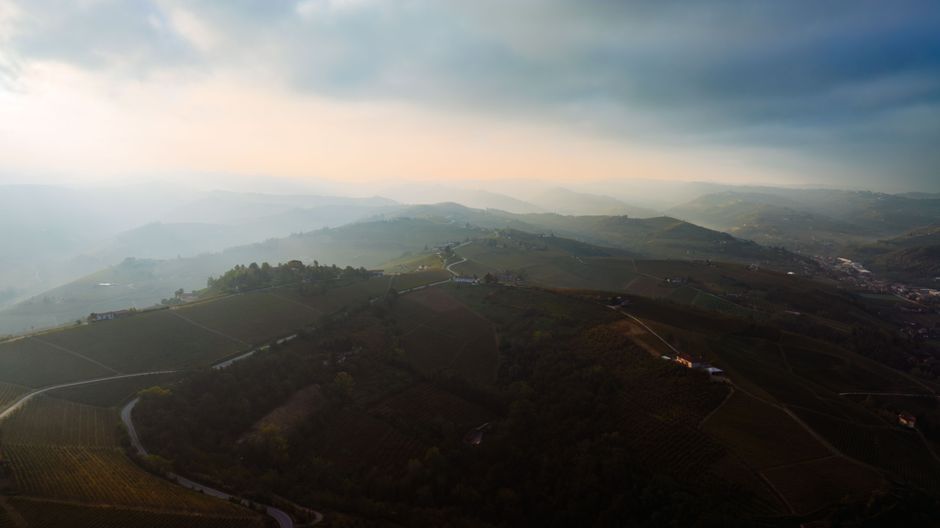
The comparison with Champagne, Cava and Crémant on foreign shelves
Foreign shelves compare sparkling wines by final price, not by ex-cellar price. Champagne has historic reputation and a price hierarchy the buyer knows by heart, so any classic method sparkling wine is compared with it even when the band is different. Spanish Cava, also made with the traditional method, usually occupies the most accessible price band and serves as the reference for those looking for a sparkling wine under a precise threshold. French Crémant, produced in several regions under local rules, sits in the middle and is often compared with Franciacorta Brut.
The correct comparison is made in the destination country: the buyer looks at the retail price in the wine shop or restaurant, not the price the winery presents to the importer. For Cava the comparison is more direct: see foreign wine and comparison with Cava to set up the grid. The point to keep in mind: a Franciacorta Brut sold close to the price of a base Champagne requires an appellation and winery story the importer can tell.
Importer margins on a slow-moving product
The importer buying ex-cellar pays transport and customs procedures, then applies its own margin. On a fast-moving product the margin is recovered in a few orders; on a Millesimato or a Riserva it is not: capital stays put, the bottle takes up space, and the risk of losing value or failing to sell the vintage grows. For this reason the importer asks for a higher margin on slow lines, or asks the winery for a lower ex-cellar price to stay in the same band.
The calculation should be done with your counterpart before signing. Ask how long it takes to sell a case, which channels it covers (wine shops, restaurants, e-commerce) and whether your wine enters an existing range. The sources listed at the end contain no standard margin percentage for sparkling wine. The reasoning repeats for each country: an importer working the restaurant channel accepts a different rotation from one selling in supermarkets. If you want a comparison with Prosecco on this point, see Prosecco export price and where the margin sits.
Countries where Italian classic method has room on price
Room on price exists where Champagne is already expensive and the consumer accepts an Italian sparkling wine at an intermediate price. Searches also include the German form «italienischer Schaumwein», which indicates demand for Italian sparkling wine in German: a sign of interest, not a price data point. In these markets Satèn and Brut have a more accessible band to defend, while Millesimato and Riserva are played out in the wine shop channel and high-end restaurants.
Before choosing a country, check the retail price with that country's sources and with OIV international trade data. Do not start from an estimate: a wrong band in one market is corrected with difficulty, because the importer has already communicated the price to its own customers.
Example export price list for a Franciacorta winery
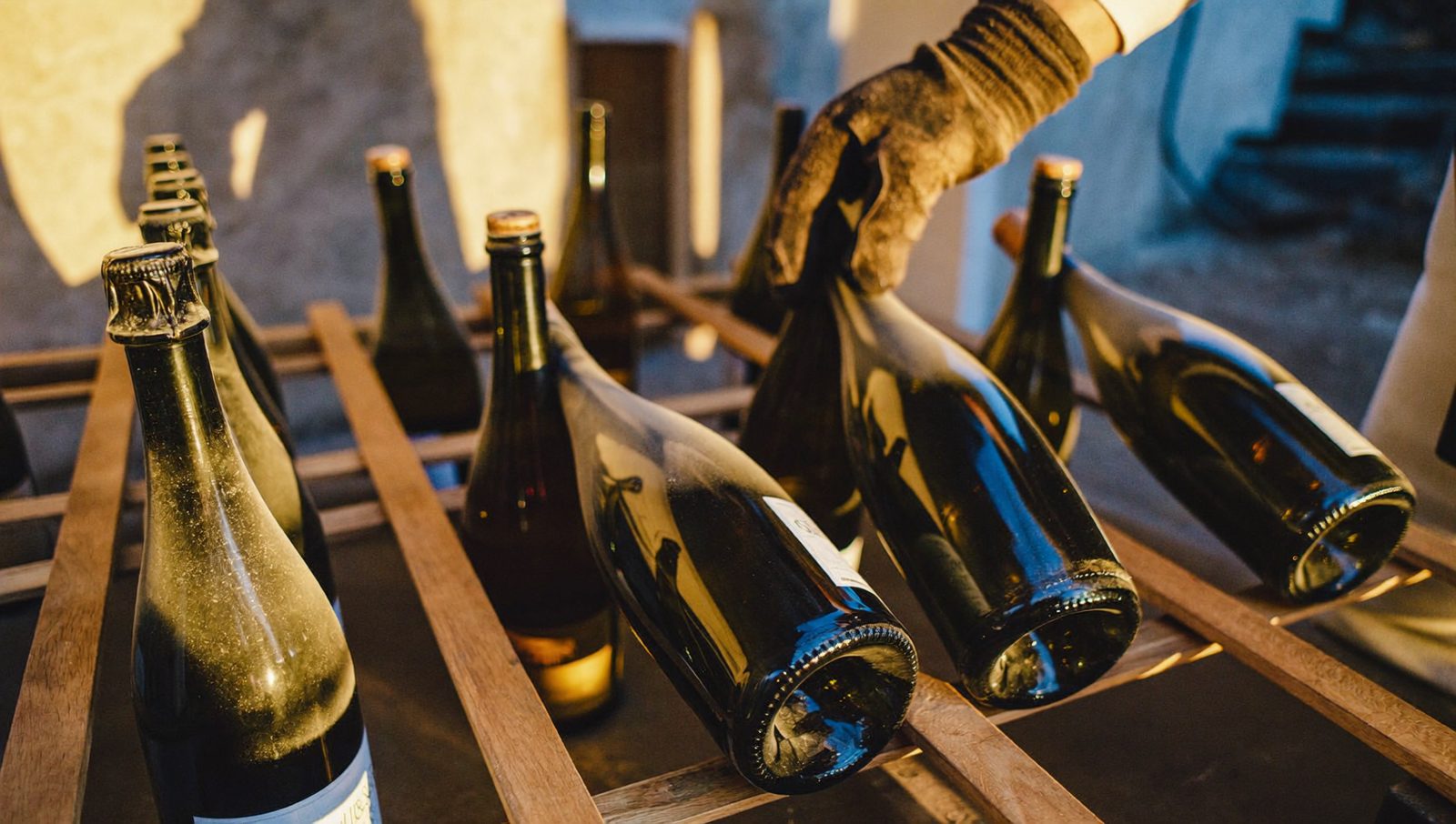
A well-ordered export price list has one row per style, one column for the ex-cellar price and one for payment terms. The model below contains no figures, because every winery has its own costs.
| Price list row | What to write | Where the value comes from |
|---|---|---|
| Franciacorta Brut | Ex-cellar price per bottle and per case | Full cost plus winery margin |
| Franciacorta Satèn | Same scheme, with a note on pressure | Winery accounts and positioning |
| Franciacorta Rosé | Same scheme, with a note on red grapes | Separate processing cost |
| Franciacorta Millesimato | Vintage on label and price per case | Capital immobilised for the years in cellar |
| Franciacorta Riserva | Years spent on lees | Aged stock, to be covered in the price |
Next to the price list, state the terms: payment terms, minimum order, price validity and who bears transport costs. An importer reading a complete list immediately sees where the margin sits and where it asks for a higher one. For the documentary side, that is labelling and accompanying documents, check the destination country before sending the list.
Further reading: Dealcoholized wine export price: duties and buyers.
Frequently asked questions
How much does a bottle of Franciacorta cost for export?
The consortium pages do not publish price bands, so there is no official figure. The ex-cellar price depends on your winery's cost and on the style, while the retail price depends on the country. To set it, start from your accounts and from the retail price you find in the destination market.
Does Franciacorta cost more than Champagne?
It depends on the band you compare. Champagne has a reputation the buyer uses as a reference, and a Franciacorta Brut is often placed next to a base Champagne. The comparison should be made on the shelf of the country, through the same sales channel.
Are Franciacorta and Prosecco the same thing?
No. Franciacorta is a Lombard classic method wine with bottle fermentation, while Prosecco is a sparkling wine from Veneto and Friuli made with a different process. They have different price bands and address buyers with different expectations.
What margin does the importer ask on a slow-moving wine?
The sources listed at the end contain no standard percentage for sparkling wine. The margin grows when the product stays in stock longer, as with Millesimato and Riserva. Ask the importer for the expected rotation time and the channels it covers.
Sources
- Is Exporting Wine Worth It? When a Winery Is Ready
- Italian wine DOC, DOCG and IGT: the designation pyramid
- Italian native red grapes for export: twelve varieties
- Dealcoholized wine export price: duties and buyers
- Italian White Grape Varieties: Key Types, DOCs and Markets
- Collio Wineries in Cormons and San Floriano: Export